
How Many Quarters Does a Cow’s Udder Have?
A cow’s udder is divided into four distinct sections called quarters. Each quarter functions independently with its own teat, milk-producing tissue, and milk duct system. This four-quarter structure is essential for efficient milking, udder health monitoring, and managing infections like mastitis, which can affect individual quarters rather than the entire udder.
The division into quarters also facilitates more precise veterinary care and treatment. By isolating problems to a single quarter, farmers and veterinarians can avoid unnecessary culling or blanket antibiotic treatments that might affect the whole animal or herd. Moreover, the independent functioning of quarters allows cows to continue producing milk even if one quarter becomes compromised, which is important for maintaining milk supply and economic viability.
What Is an Udder Quarter?
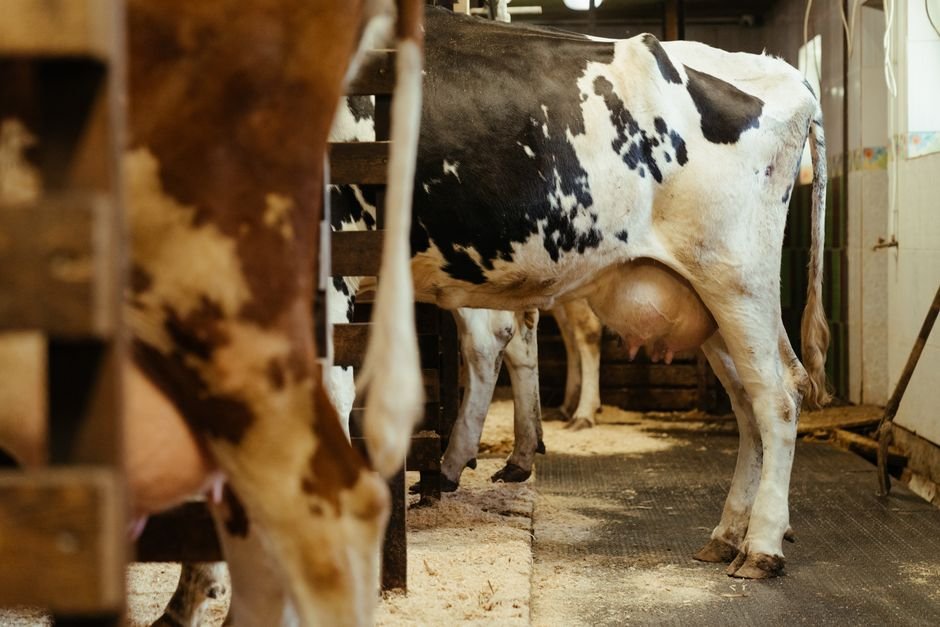
In dairy cows, the udder is anatomically separated into four quarters: two in the front (forequarters) and two in the rear (hindquarters). Each quarter consists of glandular tissue called the mammary gland, responsible for milk synthesis. Milk flows from these glands through individual duct systems to their respective teats.
This separation means that diseases or milk production issues can be localized to a single quarter, which is important for both animal health and dairy management. For example, mastitis often affects only one quarter, allowing farmers to isolate and treat the problem without impacting the whole udder.
Each quarter contains its own network of milk-producing alveoli, ducts, cisterns, and teat canals, which perform the functions of secretion, storage, and expulsion of milk. This autonomy is supported by distinct blood supply and nerve innervations. Anatomically, the connective tissue septa separate the quarters, preventing milk or infections from easily crossing between them.
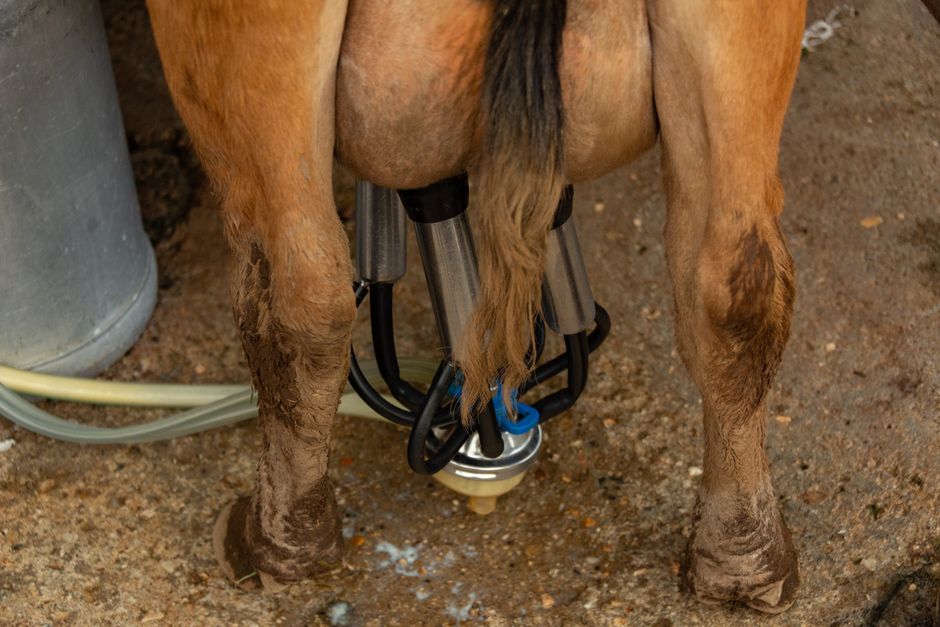
This structure also explains why it is possible to milk each quarter separately. During manual or machine milking, each teat is handled individually, which is critical for detecting abnormalities in milk flow or quality from a specific quarter. This sensitivity helps dairy producers maintain high standards of milk quality and animal welfare.
Why Does the Udder Have Four Quarters?
The udder’s four-quarter design is an evolutionary adaptation to optimize milk production and nursing efficiency. Each quarter acts as an independent milk reservoir, allowing the cow to feed multiple calves simultaneously in wild ancestors or provide steady milk flow during milking.
From a practical dairy farming perspective, the four quarters allow for proper milking machine attachment, with one teat per quarter providing a standardized interface. This design helps with uniform milk extraction and reduces stress on the animal.
Evolutionarily, the four-quarter udder reflects the cow’s ancestral need to nurse multiple offspring while minimizing vulnerability; by having separate compartments, damage or infection in one quarter would not completely compromise the ability to nourish calves. This compartmentalization also aids in milk letdown control, as each quarter can respond independently to hormonal signals like oxytocin.
Additionally, the four-quarter system enhances milk yield efficiency. By distributing milk production across four compartments, the cow’s body optimizes nutrient utilization and blood flow to mammary tissue. This separation also allows for more effective regulation of milk storage pressure within each quarter, reducing discomfort and preventing leakage.
Comparing Udder Quarters: Front vs. Rear
The forequarters and hindquarters of a cow’s udder differ slightly in milk production and anatomy:
- Hindquarters: Typically produce 55-60% of the total milk yield. They have larger glandular tissue and more alveoli (milk-producing cells).
- Forequarters: Produce about 40-45% of the milk. They are smaller but still vital for overall output.
This variation influences milking routines, as some quarters yield more milk and require different attention during milking to avoid incomplete milk removal or injury.
Research indicates that the hindquarters have a greater concentration of lactocytes—the milk-secreting epithelial cells—and more robust vascularization, which supports their higher output. For example, studies show that the average milk volume from hindquarters can be as much as 20-30% higher per quarter compared to forequarters.
This difference also impacts the risk of mastitis and other udder health issues. Because hindquarters produce more milk and have larger alveolar capacity, incomplete milking or blockages in these quarters can quickly lead to milk stasis, increasing the risk of infection. As a result, dairy farmers often pay closer attention to hindquarters during milking routines, ensuring thorough drainage and careful teat hygiene.
For more on this, see our related guide: Understanding Total Mixed Ration (TMR) for Dairy Cows: A Complete Guide.
In addition, forequarters tend to have teat placement that is slightly more forward and sometimes more prone to environmental exposure, particularly in barns with poor bedding management. This can increase the risk of contamination and injury to the front quarters, necessitating targeted preventive practices.
Udder Anatomy and Its Role in Milk Production
Each quarter contains several anatomical components:
- Mammary alveoli: Tiny sac-like structures where milk is produced.
- Duct system: Network of channels that transport milk from alveoli to the teat cistern.
- Teat cistern and streak canal: Reservoirs and exit points for milk during nursing or milking.
- Suspensory ligaments: Support structures holding the udder in place.
The functionality and health of each quarter’s components directly impact milk quantity and quality. Disruption in one quarter’s anatomy, such as blocked ducts or infection, reduces efficiency and can cause systemic issues if untreated.
The alveoli are lined with specialized epithelial cells that convert nutrients and hormones into milk components such as casein, lactose, and fat. These alveoli cluster in lobules, which drain into progressively larger ducts until reaching the teat cistern. The teat cistern acts as a small holding tank, holding milk before it is expelled through the streak canal during milking or suckling.
The streak canal is a crucial barrier against bacterial invasion, lined with keratin and a sphincter muscle that closes the opening between milkings. Damage to the streak canal from rough milking or injuries can compromise this defense, increasing mastitis risk.

The suspensory ligaments, including the median suspensory ligament and lateral ligaments, provide structural support. In high-producing cows, these ligaments bear significant weight, and damage or weakening can lead to udder edema, pendulous udders, and increased susceptibility to injury and infection.
Furthermore, blood supply to each quarter is extensive, with arterial and venous networks supporting the high metabolic demands of milk synthesis. Any compromise in blood flow can impair milk production and udder health.
How Quarters Affect Milking and Udder Health
Understanding that a cow’s udder has four quarters helps dairy farmers monitor udder health precisely. Farmers often score each quarter individually for signs of mastitis using tools like the California Mastitis Test (CMT), which detects elevated somatic cell counts linked to infection.
Milking machines attach to each teat separately, matching the four-quarter anatomy. Proper alignment prevents teat damage and ensures complete milk drainage from each quarter, which is crucial to avoid milk stasis and subsequent infections.
Milking routines emphasize the importance of stimulating all four quarters adequately to trigger the milk letdown reflex, primarily mediated by oxytocin release. Incomplete stimulation or poor machine fit can cause uneven milk flow, leaving residual milk that encourages bacterial growth.
Regular monitoring of individual quarter milk yield via automated milking systems (AMS) or recording devices has become increasingly common in modern dairy farms. This data enables early detection of production drops linked to quarter-specific problems, facilitating timely interventions.
Moreover, understanding quarter anatomy allows for targeted treatments such as quarter-specific antibiotic infusions during mastitis therapy, reducing drug use and minimizing milk discard periods. This approach supports animal welfare and milk quality standards.
Common Issues in Individual Udder Quarters
Udder quarters are vulnerable to several health challenges:
- Mastitis: Inflammation typically isolated to one quarter; can lower milk quality and flow.
- Teat injuries: Cracks or sores often affect individual teats rather than the whole udder.
- Milk leakage or uneven production: May indicate blocked ducts or poor teat sphincter function.
Effective management targets each quarter separately, enabling focused treatment and reducing impact on the cow’s overall milk production.
If you’re also looking into this, our article on Optimizing Dairy Cow Feeding Schedule by Lactation Stage for Peak Milk Production covers it in more detail.
Mastitis remains the most significant health challenge affecting dairy cows, with quarter-specific infection rates varying from 5% to 30% in different herds. Its etiology is multifactorial, involving bacteria such as Staphylococcus aureus, Streptococcus agalactiae, and Escherichia coli, which can invade through the teat canal and establish localized infections.
Teat injuries, including cracks, chapping, or teat-end hyperkeratosis, often occur due to environmental factors like abrasive bedding, poor milking equipment maintenance, or aggressive handling. These injuries compromise the teat canal’s barrier function, making the affected quarter more susceptible to infection.
Milk leakage or uneven quarter production can be signs of ductal obstructions often caused by scar tissue or inflammation, leading to decreased milking efficiency. Chronic conditions may cause a quarter to function suboptimally or become “blind,” affecting overall herd productivity.
Regular quarter-level evaluation, including palpation, visual inspection, and milk quality testing, is essential for early detection and management of these problems. Additionally, implementing teat sealants and post-milking teat dips on a quarter-by-quarter basis reduces infection risk and improves long-term udder health.
Breed Differences in Udder Structure
While the four-quarter udder structure is universal in modern dairy cows, certain breeds have subtle differences:
- Holstein: Known for large udders with well-developed quarters, contributing to high milk yields (average 23,000 pounds per lactation).
- Jersey: Smaller udders with compact quarters, producing milk rich in butterfat but generally lower volume.
- Brown Swiss and Ayrshire: Balanced udder conformation with durable quarters suited for moderate to high production.
Breed-specific udder traits influence quarter size, teat placement, and susceptibility to health issues, which farmers must consider in herd management.
For example, Holsteins typically have more pendulous udders with larger teat orifices, which can be advantageous for high-volume milk flow but may also predispose them to teat injuries and mastitis if not managed carefully. Conversely, Jerseys usually have tighter udder attachments and smaller, well-shaped teats that are less prone to injury but may challenge milking speed in high-throughput operations.
Brown Swiss cows exhibit robust udder suspensory ligaments and uniform quarter size, contributing to longevity and lower mastitis incidence. Ayrshires combine milk quality with durable udder conformation, balancing production and health traits.
Genetic selection programs increasingly focus on udder health traits such as teat length, teat placement, and quarter symmetry to reduce health issues and improve milking efficiency across breeds. Understanding breed-specific udder morphology helps tailor management practices, from milking machine settings to hygiene protocols, for optimal results.
How to Assess and Care for Each Udder Quarter
Routine udder inspection involves evaluating each quarter for size, texture, temperature, and any signs of swelling or injury. Tools like teat dip solutions help prevent bacterial contamination post-milking. Maintaining clean, healthy quarters minimizes infection risks.
Milking hygiene and equipment maintenance are critical for protecting all four quarters equally. Using calibrated vacuum settings and ensuring teat cup liners are in good condition prevent damage that could lead to chronic teat or quarter problems.
Assessment typically includes palpation of each quarter to detect unusual lumps, hardness, or heat that may indicate inflammation. Visual checks for swelling, redness, or asymmetry between quarters offer early warning signs of underlying issues. Temperature measurement with infrared thermography is an emerging tool for detecting subclinical mastitis by identifying localized heat increases.
After milking, applying an effective teat dip disinfectant to each teat reduces bacterial load on the skin, preventing infections from entering the teat canal. Some dairy operations also employ pre-milking teat sanitation to further minimize contamination, especially in high-risk environments.
This ties in closely with Silage vs Hay: Which Is Better for Dairy Cows?, worth a look if you want to go deeper.
Maintaining milking equipment, such as replacing worn teat liners and verifying vacuum levels and pulsation rates, ensures gentle and effective milk extraction. Proper maintenance prevents teat-end damage, reduces milking time, and promotes complete milk removal from each quarter.
Nutrition and cow comfort also play roles in udder health. Adequate dietary energy and mineral balance support immune function, while clean, dry bedding minimizes environmental pathogen exposure that affects individual quarters.
Summary Table: Key Facts About Cow Udder Quarters
| Feature | Details |
|---|---|
| Number of quarters | 4 (two forequarters, two hindquarters) |
| Milk production distribution | Hindquarters ~55-60%, Forequarters ~40-45% |
| Functions | Independent milk synthesis and storage |
| Common health issues | Mastitis, teat injuries, blocked ducts (often quarter-specific) |
| Breed examples | Holstein, Jersey, Brown Swiss, Ayrshire |
| Milking considerations | Separate milking units for each teat, hygiene per quarter |
Frequently Asked Questions
Can a quarter of a cow’s udder stop producing milk?
Yes, it is possible for one quarter to cease milk production due to injury, infection, or chronic mastitis. This condition is called “blind quarter” and can reduce overall milk yield, but the cow can still produce milk from the remaining healthy quarters.
Blind quarters often result from scar tissue formation or permanent damage to the milk-producing alveoli and duct system in that quarter. While the affected quarter no longer contributes to milk volume, it typically does not cause pain or systemic illness if properly managed. Farmers monitor blind quarters to ensure they do not become sources of infection or discomfort.
How do farmers detect mastitis in individual udder quarters?
Farmers often use the California Mastitis Test (CMT), which measures somatic cell count in milk from each quarter separately. Elevated counts indicate infection localized to that quarter, enabling targeted treatment.
Other methods include visual inspection for abnormal milk appearance (clots, discoloration), palpation for swelling or heat, and electronic somatic cell count sensors integrated into milking systems. Early detection is key to preventing spread and minimizing milk loss.
Do all four quarters produce the same amount of milk?
No, the hindquarters typically produce more milk (about 55-60%) than the forequarters (40-45%). Individual variation also occurs based on genetics, health, and milking management.
Within the same cow, differences in quarter productivity can be influenced by factors such as previous infections, teat conformation, and milking machine attachment efficiency. Some quarters may consistently yield less, but overall balance contributes to maximal milk flow.
Is it normal for one quarter’s teat to be larger or different in shape?
Some variation in teat size and shape between quarters is normal, but significant differences can signal health problems like edema or injury. Regular inspection helps identify abnormalities early.
Teat size asymmetry might also arise from genetic factors or prior trauma. However, sudden changes in teat shape or swelling warrant veterinary evaluation to rule out infections or tissue damage.
How important is udder quarter hygiene during milking?
Maintaining clean teats and milking equipment is crucial to prevent bacteria from entering each quarter, reducing the risk of mastitis and ensuring milk quality.
Best practices include pre- and post-milking teat disinfection, use of single-use towels, proper milking sequence, and regular equipment sanitation. These measures minimize bacterial contamination and protect individual quarters from infection.