
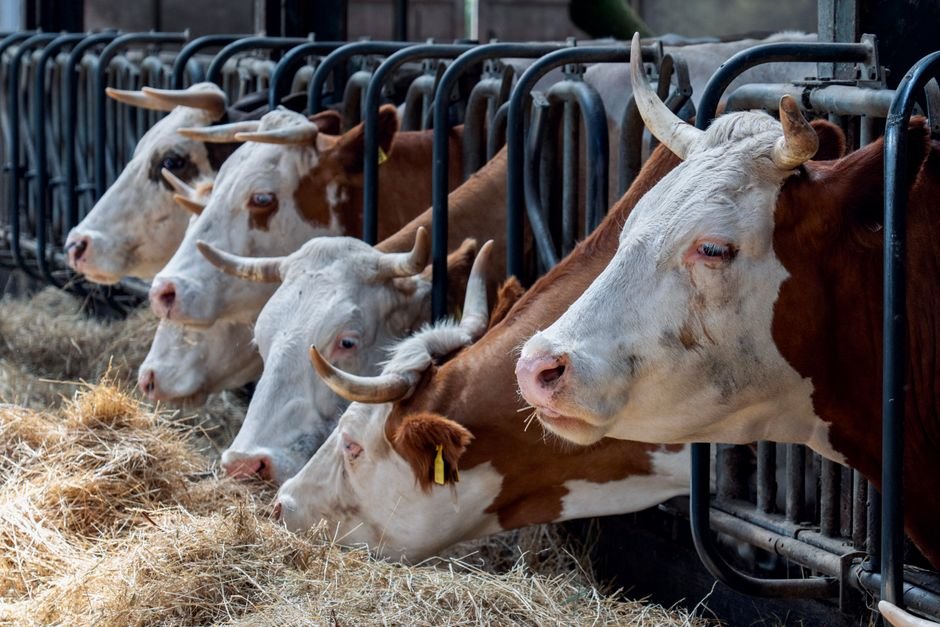
Understanding the Importance of Handling Basics in Cow Care
Handling basics when it comes to cows refers to the essential day-to-day practices needed to maintain their health, productivity, and welfare. These include feeding, watering, grooming, observation, cleaning, and basic health checks. Determining how often you should engage in these tasks is crucial for effective cattle management because both under- and over-handling can stress the animals or affect their productivity.
Beyond immediate animal welfare, appropriate handling frequency directly impacts long-term profitability on farms. For instance, cows that receive proper routine care tend to have longer productive lifespans, improved reproductive performance, and lower veterinary costs. Conversely, inconsistent handling can lead to outbreaks of disease, higher mortality rates, and reduced product quality—whether meat or milk. Therefore, understanding and applying correct handling frequencies based on specific farm conditions helps producers balance animal well-being and economic efficiency.
Furthermore, the human-animal relationship plays a significant role in handling outcomes. Familiarity gained through regular, gentle handling can reduce flight zones (the distance at which cows feel threatened), making routine procedures less stressful. This rapport not only benefits cows but also reduces risk of injuries to handlers and decreases labor time. Thus, effective handling is not simply about frequency but also about quality and consistency of interaction.
Key Components of Cow Handling Basics
Before discussing frequency, it’s important to define the core components that constitute “handling basics”:
- Feeding and Watering: Providing proper nutrition and clean water.
- Health Observation: Checking for signs of illness or distress.
- Grooming and Cleaning: Maintaining cleanliness and skin health.
- Handling and Movement: Safe and calm moving or restraint for routine procedures.
- Environmental Maintenance: Managing bedding, shelter, and pasture quality.
Each of these components interrelates closely with the others. For example, inadequate environmental maintenance can increase parasite loads, undermining grooming efforts. Similarly, insufficient observation can delay detection of feeding issues or diseases, rendering other handling efforts less effective. Integrating all these elements into a cohesive management plan optimizes cow health and farm efficiency.
It is also important to note that these components extend beyond basic care to include behavioral management and welfare considerations. For instance, handling and movement cover not only physical relocation but also acclimatization to human presence and training for routine procedures. This foundation fosters low-stress handling environments, which research has linked to improved immune response and productivity.
How Often Should You Feed and Water Cows?
Cows require consistent and balanced feeding schedules to maintain their body condition and milk production (if dairy cows). Feeding frequency depends largely on the type of operation and cow category (beef or dairy).
Feeding Frequency
In dairy operations, cows typically are fed at least twice daily, with some high-producing herds fed multiple small meals throughout the day to optimize rumen function. According to the National Dairy Herd Improvement Association, feeding dairy cows twice daily helps maintain steady nutrient intake and reduces metabolic disorders.
More advanced feeding systems incorporate automated feeders that distribute small amounts throughout the day, mimicking natural grazing behavior and stabilizing rumen pH. Studies have shown that cows fed in frequent, smaller meals exhibit improved milk yield and quality with fewer incidences of acidosis. Additionally, offering Total Mixed Rations (TMR) ensures balanced nutrient intake, which is particularly critical in lactating cows.
Beef cows, which often graze on pasture, require less frequent feeding supplementation but still benefit from daily checks and feed delivery if supplemented. Pasture quality fluctuates seasonally, so supplementation may increase during winter or drought periods. Supplemental feeding frequency can range from once to several times per week depending on forage availability and nutritional goals. Research from the University of Nebraska highlights that strategic protein and energy supplementation during low forage availability periods significantly improves weight gain and reproductive success in beef cows.
In feedlot situations, beef cattle are commonly fed once or twice daily to maximize weight gain and feed efficiency. Monitoring bunk attendance closely allows for adjustments in feed delivery to prevent overfeeding or underfeeding.
Watering Frequency
Fresh water access is non-negotiable. Cows should have clean water available at all times. Research shows that water intake varies with temperature, stage of production, and diet but typically ranges from 10 to 30 gallons per cow per day. Ensuring water troughs are checked and cleaned at least once daily is critical to prevent contamination.
For more on this, see our related guide: Essential Highland Cow Care: A Comprehensive Guide to Raising Healthy Herds.
Water intake can increase dramatically during hot weather or lactation. For example, a lactating Holstein cow may drink up to 50 gallons per day during peak summer temperatures. Inadequate water availability can lead to decreased feed intake, reduced milk production, and increased risks of metabolic disorders. Therefore, water trough design and placement are also important; they should be accessible, clean, and strategically located to reduce competition and encourage sufficient drinking.
Automated water monitoring systems are becoming more common and can provide real-time alerts when water consumption drops, enabling immediate corrective action. Additionally, ensuring water quality by regularly testing for contaminants such as nitrates, bacteria, and mineral imbalances helps maintain cow health.
How Often to Perform Health Observations?
Regular observation is key to early detection of illness or injury.

- Daily Visual Checks: Ideally, cows should be observed every day to note changes in behavior, appetite, mobility, and overall condition. This doesn’t require direct handling but close observation at feeding or watering times.
- Physical Examinations: Physical handling for closer inspection should be done weekly for herds where disease is a concern or more frequently if animals show signs of illness.
- Veterinary Checks: Routine veterinary health checks or vaccinations vary but often occur on a monthly or seasonal basis depending on local disease pressures.
Daily visual checks should include assessment of key indicators such as posture, gait, rumination activity, and signs of respiratory or digestive distress. For example, a drop in rumination or prolonged lying time can be early signs of metabolic disease or lameness. Tools like locomotion scoring systems help standardize lameness detection.
In addition to visual cues, technology is increasingly utilized for health monitoring. Automated activity monitors, rumination collars, and temperature sensors provide continuous data that can alert farmers to subtle changes before visible symptoms emerge. Studies show that implementing such technologies reduces disease severity and improves treatment outcomes.
Weekly physical examinations allow for more thorough assessments including palpation, body condition scoring, and examination of mucous membranes and udders. This hands-on approach is essential for detecting subclinical conditions such as mastitis or parasitic infestations.
Veterinary visits often include vaccination boosters, deworming schedules, and reproductive health checks. Vaccination timing may align with seasonal risk periods—for example, respiratory disease vaccinations in fall and clostridial vaccines in spring. Tailoring these schedules based on regional epidemiology and herd history maximizes effectiveness.
How Frequently Should You Groom and Clean Cows?
Grooming promotes skin health, helps detect parasites, and reduces stress.
- Brushing: Dairy cows benefit from brushing daily or several times a week. This is especially important in intensive systems where cows are housed indoors. Studies show that cows groomed regularly show lower cortisol levels indicating reduced stress.
- Parasite Control: Handling cows to check for ticks, lice, or other external parasites should be done monthly or as needed based on infestation risk.
- Bedding and Environment Cleaning: While this is more about the environment, it directly affects cow cleanliness and health. Bedding should be refreshed and pens cleaned at least weekly, with daily spot cleaning recommended in high-density housing.
In addition to physical grooming, providing mechanical brushes in free-stall barns has been shown to increase grooming behavior, improve skin condition, and enhance cow comfort. Research from the University of British Columbia found that cows with access to mechanical brushes had a 5-10% increase in milk yield, suggesting a strong welfare-productivity link.
Parasite control strategies should be integrated with regional epidemiological data. For example, southern climates with higher tick populations may require more frequent treatments and inspections, while northern, colder regions might focus more on internal parasites. Incorporating fecal egg count monitoring guides targeted deworming, reducing unnecessary chemical use and resistance development.
If you’re also looking into this, our article on Mastering Cattle Behavior: A Guide to Health, Welfare, and Management covers it in more detail.
Environmental hygiene is critical in reducing pathogen load. Moist, dirty bedding increases risk of mastitis, foot diseases like digital dermatitis, and respiratory infections. Using materials such as sand or kiln-dried wood shavings, which drain well and minimize bacterial growth, supports herd health.
Seasonal adjustments to grooming and environmental cleaning are often necessary. In wet seasons, more frequent bedding changes and additional parasite control measures are recommended. Conversely, dryer months may require less intensive environmental maintenance but continued vigilance.
Handling and Movement: How Often and How Much?
Handling cows too often or roughly can cause stress, leading to reduced milk yield, poor reproductive performance, and injuries. Minimal but consistent and calm handling is the goal.
Routine Handling
Routine handling includes activities such as moving cows to milking parlors, veterinary treatments, hoof trimming, and weighing. These should be done as infrequently as possible but consistently enough to maintain health and productivity protocols:
- Milking Herds: Typically handled twice daily for milking.
- Hoof Trimming: Recommended every 6 months to prevent lameness.
- Vaccination and Deworming: Usually every 3 to 6 months depending on risk factors.
- Weighing: Frequency depends on production goals but often monthly or quarterly.
In addition to these, other routine handling events include pregnancy checks, calving assistance, and breeding interventions. For example, pregnancy diagnosis through ultrasound or palpation is typically performed 30-60 days after breeding and may require additional handling. Incorporating these procedures into existing handling schedules can reduce cumulative stress.
Hoof trimming is vital because lameness is one of the most significant welfare and productivity challenges in cattle. Lameness reduces feed intake and milk production, delays conception, and increases culling risk. Research indicates that proactive hoof care every six months reduces lameness prevalence by up to 50% compared to reactive treatment.
Weighing frequency depends on production stage and management goals. For beef cattle, more frequent weight monitoring during growth or finishing phases allows precise feed adjustments and cost control. In dairy herds, body weight trends assist with nutritional and reproductive management decisions.

Best Practices for Handling Frequency
Minimize handling stress by combining procedures when possible (e.g., vaccination and hoof trimming on the same day). Use low-stress handling techniques such as slow movements, quiet voices, and proper equipment to reduce negative impacts.
Facility design also influences stress during handling. Well-designed chutes, gates, and holding pens that take advantage of cattle’s natural behaviors (such as following curves and avoiding shadows) reduce balking and injury risk. The principles outlined by Dr. Temple Grandin on low-stress cattle handling emphasize understanding animal perception and behavior to improve handling efficiency and welfare.
Training personnel in consistent, calm handling methods is equally important. Handling frequency should be planned to avoid overlapping stressful events. For example, avoid moving cows on the day of vaccination or immediately before calving if possible. Monitoring cortisol or heart rate variability in experimental settings has confirmed that appropriate handling intervals minimize physiological stress responses.
Summary Table: Recommended Frequencies for Cow Handling Basics
| Handling Task | Recommended Frequency | Notes |
|---|---|---|
| Feeding | Twice daily (dairy); Daily observation (beef) | Dairy cows benefit from multiple small meals; beef cows often graze |
| Watering | Continuous access; check & clean water daily | Water intake varies with temperature and production status |
| Health Observation | Daily visual; Weekly physical check | Early illness detection improves outcomes |
| Grooming / Parasite Checks | Daily to several times weekly (grooming); Monthly (parasite check) | Especially important in housed dairy cows |
| Environmental Cleaning | Daily spot cleaning; Weekly full clean | Maintains hygiene and reduces disease |
| Routine Handling (milking, treatments) | Milking twice daily; Vaccinations/hoof trimming every 3-6 months | Minimize stress by combining procedures |
Adjusting Handling Frequency Based on Cow Type and Environment
Handling needs vary based on whether you manage beef cattle, dairy cows, or calves, as well as your farm’s housing conditions.
This ties in closely with Mastering Cattle Behavior and Handling for Safer, More Efficient Farming, worth a look if you want to go deeper.
- Dairy Cows: Require more frequent handling due to milking needs, feeding schedules, and close health monitoring. High-producing dairy cows often require multiple daily feedings, regular udder health checks, and frequent locomotion scoring to prevent lameness.
- Beef Cattle: Often handled less frequently; pasture-based systems reduce the frequency of direct interaction but require vigilant observation. Handling increases during breeding, weaning, or health interventions. Feedlot beef cattle require more frequent feeding and health monitoring compared to extensive grazing systems.
- Calves: Require more frequent health checks and feeding as they are vulnerable to diseases and nutritional deficiencies. Newborn calves often need feeding multiple times per day, colostrum management, and close monitoring for scours or respiratory illness. Handling frequency decreases as calves mature and transition to solid feed.
- Intensive vs. Extensive Systems: Intensive systems require daily cleaning and grooming; extensive pasture systems focus more on observation and periodic health checks. Indoor systems also demand stricter environmental controls to reduce ammonia buildup and pathogen transmission.
Additionally, climate and geography influence handling frequency. Hot, humid environments increase parasite risk and heat stress, necessitating more frequent monitoring and intervention. Cold climates require attention to bedding and nutrition adjustments during winter months.
Farm size and labor availability also influence practical handling schedules. Larger herds may utilize technology and trained staff to maintain appropriate frequencies, while smallholders might need to prioritize certain tasks based on risk.
Signs You May Need to Increase Handling Frequency
Increasing the frequency of handling basics is necessary when you notice:
- Increased illness or injury rates in the herd. For example, rising lameness scores or respiratory disease outbreaks may indicate the need for more frequent health checks and environmental cleaning.
- Signs of nutritional deficiencies or weight loss. Unexplained body condition decline suggests feeding regimens or pasture quality need closer monitoring and possibly supplementation.
- Environmental conditions that promote disease, such as wet or muddy pens. Persistent dampness increases risks of hoof problems and mastitis, requiring more frequent bedding replacement and pen maintenance.
- Stress behaviors like aggression, vocalization, or decreased milk yield. These could signal inadequate feeding schedules or uncomfortable housing conditions.
- Seasonal changes that affect feed quality or parasite pressure. For example, parasite burdens often increase in spring and fall, necessitating more frequent parasite control.
In these situations, increasing observation and intervention frequency can prevent escalation of problems and reduce treatment costs. Data recording and herd health software can track trends and flag anomalies requiring increased attention.
Signs You Might Be Over-Handling Your Cows
While regular care is essential, excessive handling can cause stress, leading to:
- Elevated cortisol levels interfering with reproduction. Chronic stress suppresses estrus expression and conception rates.
- Decreased feed intake and milk production. Stressed cows may reduce lying time and ruminate less, negatively impacting productivity.
- Increased risk of injury due to nervousness or escape attempts. Frequent or rough handling increases fear responses and accidents.
Balancing adequate care with minimizing unnecessary disturbance is key for optimal cow welfare. For instance, handling cows too frequently for non-essential tasks can cause habituation to stress, reducing immune function. Applying the principle of “minimal effective handling” ensures cows receive necessary care without excess disruption.
It is also important to observe cow behavior and physiological indicators such as heart rate or cortisol metabolites when available, to gauge stress levels associated with handling routines. Adapting handling frequency and techniques based on these feedbacks promotes better welfare outcomes.
Conclusion: Establishing a Routine Tailored to Your Herd
There is no one-size-fits-all answer to how often you should handle the basics with cows, but combining science-based recommendations with observation of your herd’s specific needs will yield the best results. Daily feeding, watering, and observation form the foundation, with grooming, cleaning, and health checks layered in according to your cows’ environment and health status.
Consistent, calm, and thoughtful handling—neither too little nor too much—supports animal welfare, productivity, and farm profitability. Utilizing technology, staff training, and evidence-based protocols can refine handling schedules further, adapting them dynamically to seasonal and individual herd changes. Ultimately, a proactive and attentive approach to cow handling basics is a cornerstone of sustainable and ethical cattle farming.