
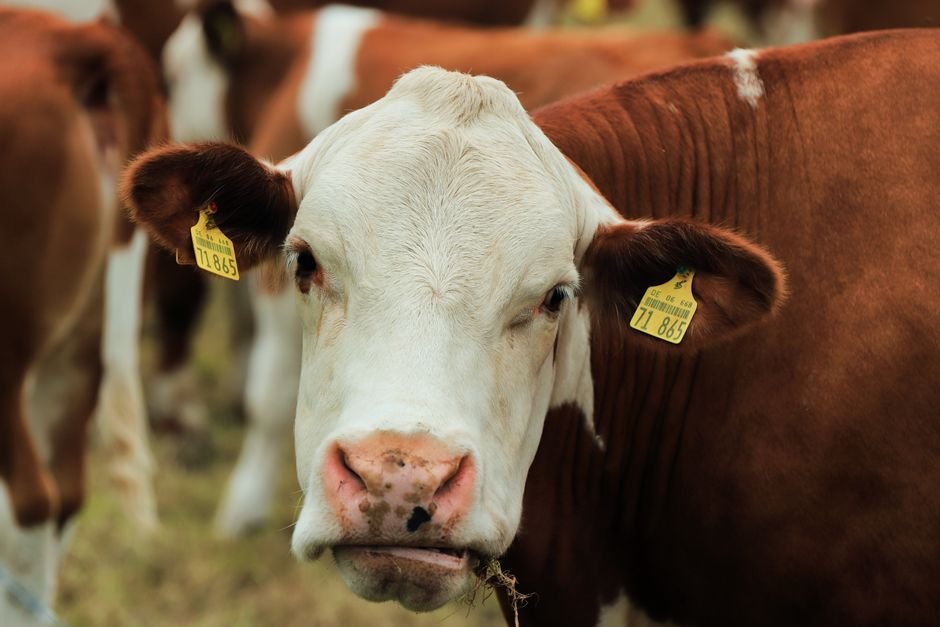
Understanding the Importance of Correct Cattle Terminology
Cattle terminology is not just about knowing what to call an animal; it profoundly impacts communication in farming, ranching, veterinary care, and livestock trading. Using the right terms ensures clarity, reduces misunderstandings, and supports accurate record-keeping. For example, confusing a “heifer” with a “cow” might lead to incorrect feeding or breeding decisions, affecting the herd’s productivity and health.
Before delving into how to choose the right terminology, it’s essential to understand the nuances across breeds, regions, and purposes, as terminology can vary. This guide breaks down key terms and practical strategies to select the right option for your needs.
Key Cattle Terms and Their Definitions
First, let’s clarify the fundamental cattle terms commonly used in the industry:
- Calf: A young bovine animal, typically under one year old.
- Heifer: A female bovine that has not yet borne a calf.
- Cow: A mature female bovine that has given birth to at least one calf.
- Bull: An uncastrated mature male bovine used for breeding.
- Steer: A castrated male bovine raised for beef production.
- Ox: A mature bovine trained as a draft animal, usually castrated males.
These terms form the baseline, but regional and breed-specific terminology can add complexity.
Regional Variations in Cattle Terminology
Terminology can shift dramatically depending on geography and cultural context. For instance:
- In the United States, “heifer” is widely used, but in some parts of Australia and New Zealand, terms like “first-calf heifer” or simply “young cow” may be more common.
- In the UK, “bullock” often refers to a young castrated male bovine, while in the US, the term “steer” is preferred.
- Indian cattle breeds have specific terms, such as “bachda” for male calves and “wanera” for female calves, reflecting local linguistic traditions.
Understanding regional terminology is vital if you trade cattle or collaborate internationally. Miscommunication can cost money or animal welfare.
How Purpose Influences Terminology Choice
The context in which you use cattle terminology can influence which terms are appropriate. Consider the following sectors:
1. Breeding and Genetics
In breeding, precision is critical. Terms such as “springing heifer” (a heifer close to calving) or “bred cow” (a cow confirmed pregnant) are more specific than the base terms. Incorrect terminology can lead to breeding errors, such as attempting to breed a steer or misunderstanding a cow’s reproductive status.
For more on this, see our related guide: Essential Cattle Terminology: A Beginner’s Guide to Understanding and Managing Your Herd.

2. Meat Production
In beef production, knowing the distinction between steers and heifers matters for weight gain projections and meat quality. Steers tend to produce higher-quality beef with less fat; thus, calling a castrated male a “steer” rather than a “bullock” or “ox” can affect sale value and processing.
3. Dairy Farming
Dairy terminology emphasizes reproductive status because milk production depends on it. Terms like “dry cow” (a cow temporarily not producing milk before calving) and “fresh cow” (a cow that has just calved and started lactating) are unique to dairying and important for herd management.
Factors to Consider When Choosing the Right Option
With the background laid out, here are concrete factors to weigh for choosing the right cattle terminology option:
1. Audience and Communication Needs
Who are you communicating with? Veterinarians, buyers, fellow farmers, or researchers may expect different levels of specificity. For example, a vet will want precise terms such as “first-calf heifer with dystocia risk,” while a casual visitor only needs to know “young female cow.”
2. Industry Standards and Documentation
If the cattle are part of official records or sales documentation, adhering to industry standards is crucial. Check your country’s livestock registry or breed association terminology guides. For example, the National Cattlemen’s Beef Association (NCBA) in the U.S. has recommended terms that must be used in official documents.
3. Breed-Specific Terminology
Some breeds have unique terms or classifications. For example, the Wagyu breed distinguishes between “kuroge wagyu” (black cattle) and “akage wagyu” (red cattle), which can reflect lineage and quality. Using correct breed-specific terminology ensures accurate marketing and management.
4. Purpose of Use (Education, Marketing, Farming)
For educational purposes, clarity and simplicity may be best. For marketing, terminology that highlights quality or lineage might be preferred. For daily farming operations, functional terms related to age, sex, and reproductive status are essential.
Decision-Making Framework: Choosing the Right Term
Applying a structured approach can simplify the selection of appropriate cattle terms. The following table summarizes key decision points:
If you’re also looking into this, our article on Profit-Driven vs. Homestead Cattle Raising: Choosing the Right Path covers it in more detail.
| Factor | Consideration | Example | Recommended Term |
|---|---|---|---|
| Age | Is the animal under 1 year? | A 6-month-old female | Calf |
| Sex | Is the animal male or female? | A mature, uncastrated male | Bull |
| Reproductive Status | Has the female given birth yet? | A female 2 years old, not calved | Heifer |
| Purpose | Is the animal for meat, milk, or draft? | A castrated male raised for beef | Steer |
| Region | What is the local or trading-area terminology? | UK usage for young castrated male | Bullock |
Common Mistakes and How to Avoid Them
Even experienced handlers sometimes misuse terminology. Here are typical pitfalls and solutions:
- Mixing “cow” and “heifer”: Calling a heifer a cow can misrepresent reproductive history. Solution: Track calving history carefully.
- Using “ox” incorrectly: Not all castrated males are oxen; oxen are specifically trained draft animals. Solution: Use “steer” for beef cattle and reserve “ox” for working animals.
- Overgeneralizing regional terms: Terms like “bullock” might confuse international buyers. Solution: Clarify terms in contracts and communication.
Practical Tips to Establish the Right Terminology in Your Operation
Implementing the proper terminology in your daily practice helps maintain accuracy and professionalism. Here are actionable steps:
- Create a terminology reference: Develop a simple glossary tailored to your herd and region. Include definitions and visual aids.
- Train your team: Ensure everyone who handles animals or paperwork understands and uses the correct terms consistently.
- Use technology: Livestock management software often incorporates standardized terminology; choose software aligned with your industry’s preferred nomenclature.
- Update periodically: Terminology evolves. Review and revise your reference materials at least annually, especially if you expand to new markets.
Case Study: Choosing Terminology for a Multi-Breed Ranch
Consider a ranch in Texas managing Angus, Hereford, and Brahman cattle. The ranch sells both breeding stock and beef. They faced confusion over terms during sales and health treatments. By instituting a terminology protocol, they:
- Defined specific terms for each breed’s lifecycle stages.
- Standardized “bull” and “steer” usage irrespective of breed.
- Created breed-specific notes (e.g., Brahman heifers listed with their heat tolerance traits).
- Trained their staff using breed-appropriate and purpose-driven terms.
Result: Clearer communication with buyers and vets, improved record accuracy, and better herd management decisions.
Conclusion: Precision Matters in Cattle Terminology
Choosing the right option for cattle terminology requires understanding the animal’s age, sex, reproductive status, breed, and the context of use. Clear, consistent terminology supports animal welfare, business operations, and effective communication across the cattle industry.
By applying the strategies and considerations detailed here, ranchers and cattle managers can confidently select terms that best fit their needs, reducing confusion and enhancing professionalism in every aspect of cattle husbandry.