
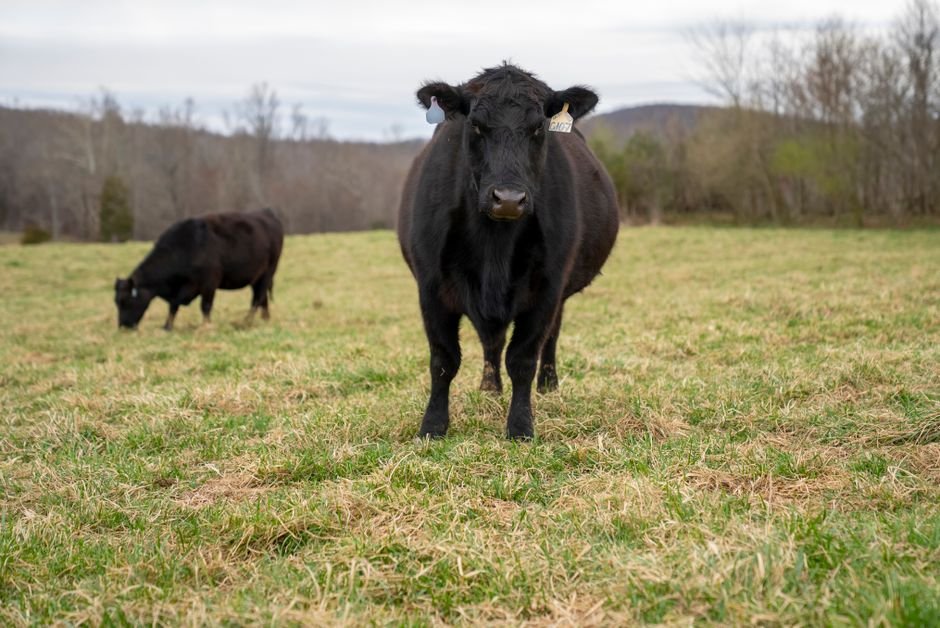
Introduction to Cattle Terminology on the Farm
Running a successful cattle farm demands more than just proper animal care and pasture management—it requires clear communication using the correct terminology. Knowing precise cattle terms is essential for tracking livestock, managing breeding programs, communicating with veterinarians, and complying with industry standards. This checklist guides you through the critical cattle terminology every cattle farmer should know to streamline operations and ensure best practices on the farm. Understanding these terms not only facilitates smoother daily operations but also plays a vital role in marketing your cattle effectively and engaging with industry networks.
Why Cattle Terminology Matters
Using accurate terms reduces misunderstandings whether you’re discussing livestock sales, veterinary treatments, or herd records. It also helps integrate with cattle management software, government documentation, and market communications. For example, referring to a “heifer” instead of just a “young cow” identifies the animal’s reproductive stage, impacting decisions like breeding readiness or sale timing. Additionally, proper terminology improves biosecurity compliance by ensuring clear identification of animals during disease outbreaks or inspections. Accurate language also supports traceability programs, which are increasingly important in international beef and dairy markets to guarantee product quality and food safety.
For more on this, see our related guide: How to Choose the Right Land and Acreage for Cattle Farming.
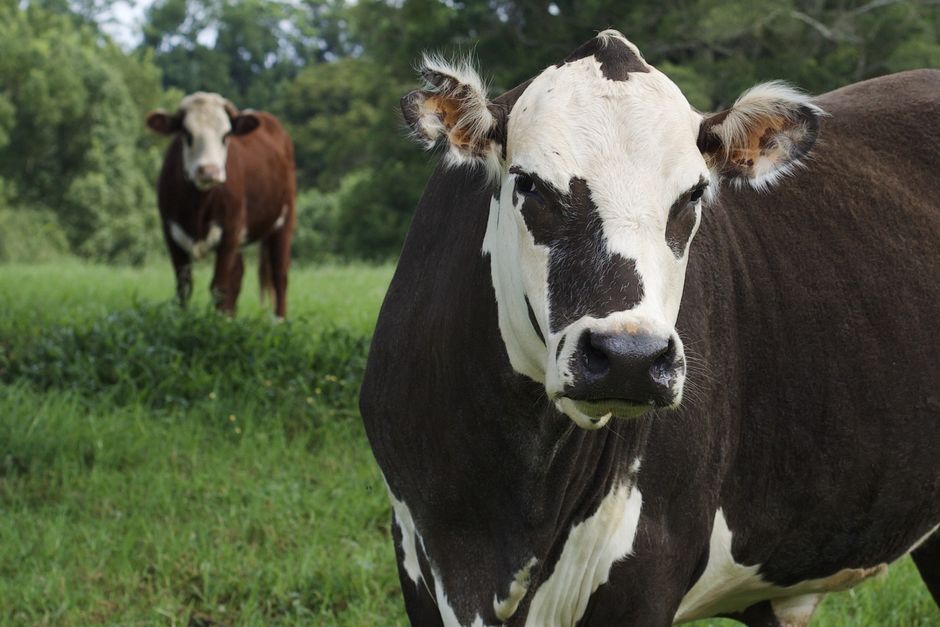
Cattle Farm Checklist: Essential Terminology Categories
The terminology can be grouped into categories reflecting the animal’s age, sex, reproductive status, and other attributes. Below is a detailed checklist with examples and definitions to build your cattle vocabulary. This framework is essential for effective communication among farm staff, advisors, and buyers, ensuring that everyone understands the status and needs of each animal.
1. Age and Development Terms
- Calf: A young bovine under one year old. For example, a newborn calf is often separated for colostrum feeding in the first 24 hours. Colostrum contains antibodies crucial for immunity and greatly reduces calf mortality rates, which can reach up to 15% in poorly managed herds.
- Weaner: A calf recently weaned off its mother’s milk, typically between 6 to 8 months old. Weaning is a critical stage that requires nutritional adjustments to transition calves to solid feed. Proper weaning techniques can reduce stress and improve weight gain post-weaning, with weaners ideally gaining between 1.5 to 2 pounds per day.
- Yearling: A bovine between one and two years old; often sold for feeder stock or retained for breeding. Yearlings’ growth rates and body condition scores are monitored closely to determine their suitability for breeding or finishing. For beef cattle, yearlings typically reach weights between 600 to 900 pounds depending on breed and management practices.
2. Sex and Reproductive Status
- Bull: An uncastrated male bovine over one year old, used for breeding. Bulls require careful management due to their aggressive behavior and significant influence on herd genetics. A single bull can breed 20 to 30 cows during the breeding season, making sire selection crucial for desired traits.
- Steer: A castrated male bovine, usually raised for beef production. Castration reduces aggressive behaviors and improves meat quality by increasing marbling. Steers generally have a longer finishing period than bulls but are preferred in many beef markets for their consistent carcass quality.
- Heifer: A young female that has not yet calved. For example, heifers are commonly bred between 15-18 months to calve at two years. Proper heifer development is essential to avoid calving difficulties; they should reach about 65% of their mature weight before breeding to ensure reproductive success.
- Cow: A mature female that has calved at least once. A cow’s fertility and milk production are key factors in herd profitability. Cows typically produce one calf per year, and their milk yield supports calf growth—dairy cows can produce over 20,000 pounds of milk annually, whereas beef cows produce enough milk to raise a healthy calf.
- Dry Cow: A mature female cow that is not currently lactating, often during the late gestation period before calving. The dry period, usually lasting 45 to 60 days, allows the cow’s udder tissue to regenerate and prepare for the next lactation cycle, impacting milk production and overall health.
- Dam: The mother of a calf, used often in pedigree and breeding records. Knowing the dam’s performance history helps predict offspring traits such as growth rate, disease resistance, and temperament.
- Sire: The father bull of a calf, important in genetic and lineage tracking. Selecting sires with superior traits through genomic testing and performance data enables genetic improvement in herds, contributing to traits like feed efficiency and carcass quality.
3. Breeding and Gestation Terms
- Artificial Insemination (AI): The technique of manually introducing semen into a cow for breeding without natural mating. Approximately 80% of U.S. dairy farms use AI, allowing rapid genetic improvement and disease control. AI requires precise heat detection and timing to maximize conception rates, which typically range from 50% to 60% per service.
- Heat (Estrus): The period when a female is fertile and receptive to mating, lasting about 18 to 24 hours every 21 days. Detecting heat accurately is vital for optimizing breeding schedules; technologies like pedometers and hormone assays are increasingly used to improve detection efficiency.
- Gestation: The pregnancy period in cattle, typically lasting around 283 days (about 9.5 months). Proper nutrition and health monitoring during gestation influence calf viability and cow postpartum recovery. Gestation length can vary slightly by breed and environmental conditions.
- Calving: The process of a cow giving birth to a calf. Calving management includes monitoring for dystocia (difficult births), which occurs in about 5% to 10% of births and can increase calf mortality and cow reproductive problems if not addressed promptly.
- Twins: Two calves born from one pregnancy, which occurs in approximately 3 to 5% of births but requires careful management due to higher risks such as premature birth, reduced birth weights, and increased postpartum complications for the cow. Twin pregnancies often require additional nutritional support and close observation.
4. Production and Purpose Terms
- Dairy Cattle: Cattle bred primarily for milk production, such as Holsteins and Jerseys. Holsteins are the most common dairy breed globally, known for high milk volume (averaging 23,000 pounds per lactation), while Jerseys produce milk with higher butterfat content, making it ideal for cheese production.
- Beef Cattle: Breeds like Angus and Hereford, raised for meat production. Angus cattle are prized for marbling and tenderness, commanding premium prices in the beef market. Beef cattle are often finished in feedlots to enhance muscle mass and improve carcass quality before slaughter.
- Feedlot: A confined area where cattle are fattened before slaughter, with typical finishing periods of 120 to 180 days. Feedlots optimize growth rates using high-energy diets, achieving daily gains of 3 to 4 pounds. Environmental management is critical in feedlots to control waste, odor, and disease transmission.
- Cull: To remove cattle from the herd due to age, poor health, or low productivity, often sent to market or slaughter. Culling decisions affect herd genetics and economics; typical culling rates range between 25% to 40% annually depending on production goals and herd health status.
5. Identification and Record-Keeping
- Tag: A numbered or coded ear tag used to identify individual animals, essential for tracking health and breeding records. Tags come in various forms including RFID (radio frequency identification) which enable electronic scanning, increasing data accuracy and reducing human error during inventory management.
- Brand: A permanent mark on the hide, traditionally used to indicate ownership. Branding remains common in extensive grazing systems, especially in Western U.S. states, and is regulated by state authorities to prevent theft and disputes.
- Registration: Official recording of an animal’s pedigree through breed associations, important for breeding programs. Registered animals often command higher prices, and their pedigrees enable breeders to make informed mating decisions to enhance genetic lines.
- Vaccination Record: Documentation of immunizations—critical for herd health management and regulatory compliance. Common vaccines include those for respiratory diseases (IBR, BVD), clostridial diseases, and leptospirosis. Maintaining up-to-date records facilitates timely booster administration and disease outbreak prevention.
Comparison Table: Common Cattle Terms by Category
| Term | Definition | Typical Use or Relevance |
|---|---|---|
| Calf | Bovine under 1 year old | Newborn care, weaning decisions, early nutrition management |
| Heifer | Young female before first calving | Breeding readiness, herd replacement, growth monitoring |
| Cow | Mature female that has calved | Milk production, calf rearing, fertility assessment |
| Bull | Uncastrated male over 1 year old | Breeding sire, genetic improvement, herd fertility |
| Steer | Castrated male | Beef production, carcass quality management |
Practical Tips for Using Cattle Terminology on Your Farm
- Maintain Detailed Records: Use proper terms on all documentation—from breeding logs to health records—to avoid confusion. Digital record-keeping platforms like CattleMax or AgriWebb can automate terminology usage and generate reports to analyze herd performance over time.
- Train Your Team: Ensure all farm workers understand the terminology to enhance communication and animal management. Regular training sessions and visual aids, such as laminated posters of cattle terms, help new employees quickly acclimate and reduce errors.
- Incorporate Technology: Utilize herd management software that supports these terms for tracking breeding cycles, vaccinations, and production. Modern tools often integrate with RFID tags and sensors, enabling real-time data collection and informed decision-making.
- Stay Updated: Industry standards and terminology can evolve; regularly review breed association guidelines and veterinary advice. Attending extension workshops and subscribing to cattle industry publications ensures you remain informed on best practices and emerging terms.
- Communicate Clearly: When dealing with buyers, veterinarians, or consultants, use precise terms to describe animal status, health, and history. Miscommunication can lead to improper care, pricing disputes, or regulatory issues, so clarity safeguards farm interests.
Conclusion: Streamlining Your Cattle Operation Through Terminology Mastery
Mastering cattle terminology is a foundational step in professionalizing your farm management. This checklist serves as a reference to sharpen your communication, improve record-keeping accuracy, and align your operations with best practices. Whether you manage a small family farm or a large commercial operation, fluency in these terms supports healthier herds, better breeding outcomes, and overall farm efficiency. Furthermore, understanding and applying precise terminology enhances your ability to adapt to technological advancements, meet regulatory requirements, and succeed in competitive markets, ultimately contributing to the sustainability and profitability of your cattle enterprise.

If you’re also looking into this, our article on Essential Cattle Terminology: A Beginner’s Guide to Understanding and Managing Your Herd covers it in more detail.