
How to Read Cattle Body Language: A Quick Answer
Reading cattle body language involves observing specific behaviors like ear position, tail movement, and eye expression, which indicate their mood, stress level, or health. For example, a raised head and stiff posture often signal alertness or agitation, while relaxed ears and a slow tail flick usually mean calmness. Recognizing these signs helps farmers and handlers respond appropriately, improving safety and animal welfare.
In addition to these basic indicators, subtle nuances such as the direction of the ears relative to the head or the tempo of tail flicking can provide deeper insights. For instance, a cow with ears slightly tilted to the side but not fully forward might be cautiously curious rather than fully attentive. Similarly, noticing if a cow’s gaze shifts rapidly between different stimuli can signal heightened anxiety or uncertainty, which requires a gentler approach by handlers. Observing these details over time also helps establish individual behavioral baselines, enabling quicker detection of deviations that may indicate health or welfare concerns.
Why Understanding Cattle Body Language Matters
Cattle are prey animals with subtle communication methods, relying heavily on body language to express discomfort, fear, aggression, or contentment. According to the National Cattlemen’s Beef Association (NCBA), misreading these signs can lead to increased stress, injury, or poor herd management. Understanding these cues supports better welfare and productivity, especially in handling, feeding, and health assessments.
Beyond welfare, understanding cattle behavior has measurable impacts on productivity. Research from the University of Florida demonstrated that cattle experiencing lower stress levels, recognizable through relaxed postures and calm ear positions, showed improved weight gain and feed conversion rates. Additionally, misinterpreting behavioral signs can result in improper handling techniques that increase the likelihood of injury not only to cattle but also to handlers, leading to costly downtime and veterinary bills. In large commercial operations, subtle signs of distress can also indicate environmental or nutritional problems, such as inadequate shelter or mineral deficiencies, highlighting the role of behavioral observation in proactive herd management.
The Ears: Your First Clue to a Cow’s Feelings
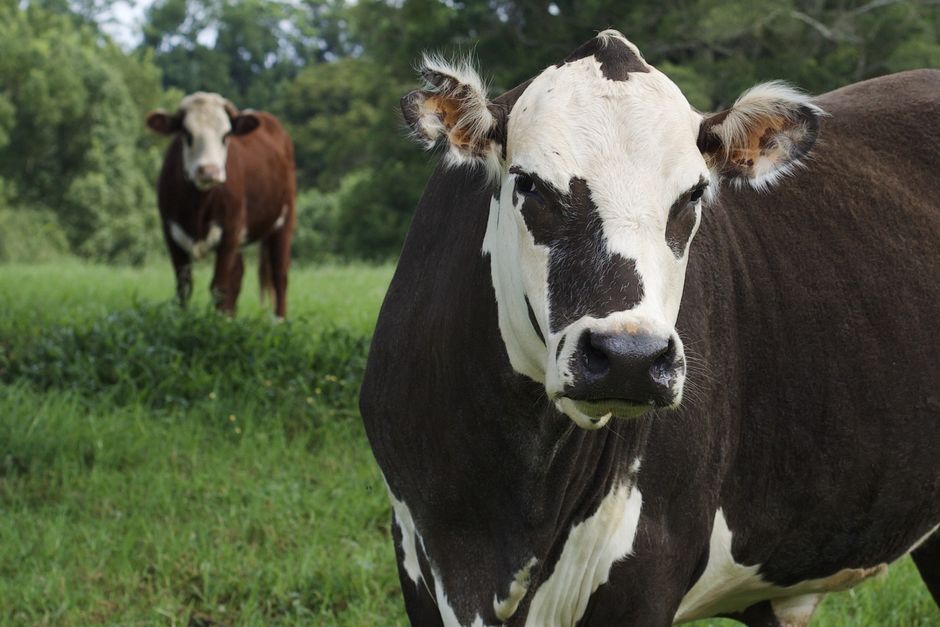
Cattle ears are highly expressive. Forward-pointing ears typically indicate curiosity or alertness, as seen in breeds like Angus or Hereford during feeding time. When ears are flicking back and forth rapidly, the animal may be anxious or irritated. Drooping ears, common in sick or fatigued cows, can signal illness or exhaustion, an important cue for early veterinary intervention.
Further, ear positioning can also hint at social dynamics within the herd. Dominant animals often hold their ears in a more erect and steady position, showing confidence, while subordinate cattle might keep their ears angled sideways or slightly back as a submissive gesture. In Brahman cattle, the large, pendulous ears often show more pronounced flicking when the animal is agitated or exposed to insect activity. Additionally, asymmetry in ear position—where one ear is forward and the other back—may indicate conflicting emotions or divided attention, such as cautious interest mixed with uncertainty. This complexity underscores the importance of observing ear behavior in conjunction with other body language signals.
Tail Movements: More Than Just a Fly Swatter
Cows use their tails to communicate mood and irritation levels. A slow, gentle tail flick often means the animal is relaxed. In contrast, a tail held high and stiff, swishing sharply, may indicate agitation or readiness to defend, especially in bulls. Tail thrashing can also signal fly irritation but if excessive, it might reflect stress or discomfort, warranting a closer look.
Examining tail movements in varying contexts reveals more specific meanings. For example, during hot weather, a cow may flick her tail more frequently as a response to increased fly pressure, which can stress the animal if not managed. Research has shown that excessive tail flicking correlates with elevated cortisol levels, indicating physiological stress. In addition, a tail tucked tightly against the body often signals extreme fear or submission, such as when calves feel threatened by unfamiliar animals or humans. During the breeding season, bulls may display vigorous tail swishing coupled with other aggressive behaviors as a warning to rivals or potential threats. Therefore, integrating tail movement observations with the overall environment and individual animal history enhances interpretation accuracy.
Eye Contact and Facial Expressions
Unlike horses, cattle avoid direct eye contact when feeling threatened. Wide-open eyes with visible white sclera (the “eye flash”) are signs of fear or aggression. Calm cows have soft, half-closed eyes. The tension in the muzzle and nostrils also gives clues: flared nostrils and tight lips may suggest stress, while relaxed jaws indicate comfort.
For more on this, see our related guide: Proven Tips to Reduce Weaning Stress in Calves During Hot Weather.
Additional facial cues include the position of the eyelids and mouth corners. Cattle experiencing pain may squint or blink unusually often, while nasal discharge combined with frequent nostril flaring may indicate respiratory distress. Studies at Colorado State University have demonstrated that changes in facial expressions, such as increased tension around the eyes and mouth, correlate with lameness or digestive discomfort. Moreover, the angle of the head combined with eye expression can convey intent; a lowered head with narrowed eyes often precedes aggressive behavior such as charging, whereas a raised head with soft eyes may denote alertness without immediate threat. Recognizing these subtle differences aids handlers in anticipating and preventing dangerous encounters.
Posture and Movement: How Cows Show Their Mood
A relaxed cow stands with an even weight distribution, often chewing cud, a reliable sign of contentment and digestive health. Conversely, a rigid, tense stance with raised head signals alertness or unease, as observed when predators or strangers are nearby. Pacing or restlessness can indicate discomfort, hunger, or stress; this is especially noticeable in confined or overcrowded conditions.
In addition to static posture, dynamic movement patterns offer critical insights. For instance, a cow shifting weight frequently between legs may be experiencing hoof pain, while a reluctance to move or a slow gait can indicate joint or muscular issues. Restlessness, including repetitive pacing, can also arise from social stressors such as hierarchical disputes in overcrowded pens. Data from behavioral monitoring in feedlot settings show that cows exhibiting increased pacing prior to feeding times may be experiencing competitive stress or inadequate nutrition. Furthermore, lying behavior is important; cows generally lie down for about 12 hours a day, and deviations—either too much or too little—can signal health problems or environmental discomfort. Observing the transition between standing and lying, including signs of stiffness or imbalance, provides early warnings for lameness or metabolic disorders.
Vocalizations: Sounds Paired with Body Language
While body language is primary, vocalizations provide context. Low, rhythmic mooing often accompanies relaxed body language and social bonding. Loud, sharp bellows combined with aggressive postures usually signal distress or dominance, especially in bulls during breeding season. Understanding this interplay helps handlers avoid misinterpreting agitation for calmness.
Vocalization patterns also vary by breed and individual temperament. Dairy cattle, such as Jerseys and Holsteins, tend to be more vocal during feeding times and when separated from calves, reflecting social bonds and hunger. In contrast, beef breeds like Limousin or Simmental may vocalize less but use more intense calls when threatened. Scientific studies measuring the frequency and duration of vocalizations have linked certain sounds to specific emotional states; for example, prolonged, drawn-out moos can indicate loneliness or discomfort, while short, sharp calls often function as alarm signals. Combining vocal analysis with body language observations enhances the ability to assess welfare and adjust management practices accordingly.
Common Misinterpretations and How to Avoid Them
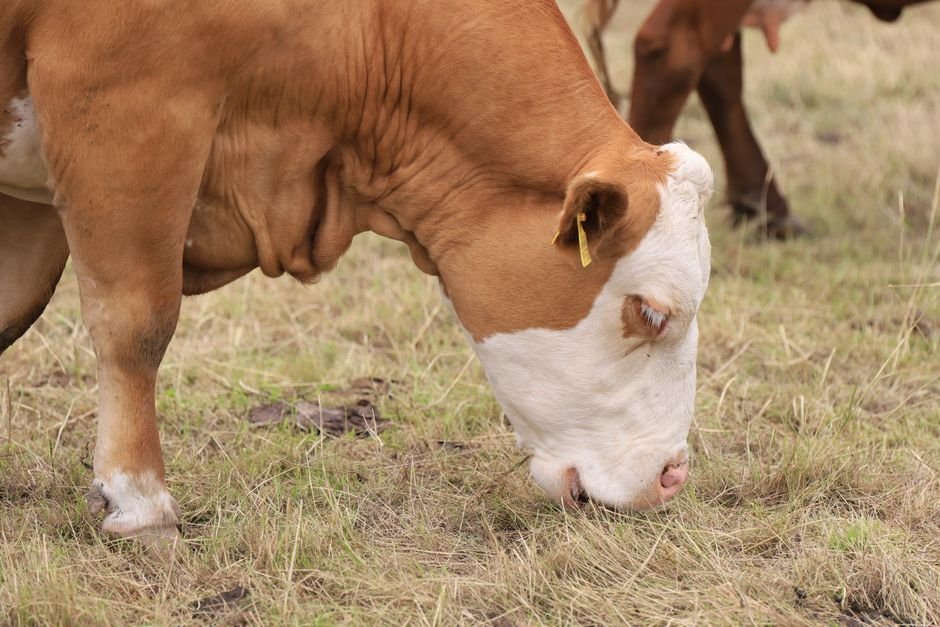
One frequent mistake is assuming a lowered head always means aggression. In reality, cows lower their heads when grazing or resting. Similarly, tail wagging doesn’t always mean happiness as it does in dogs; it can signify irritation in cattle. Always consider multiple signals together, such as ear position, eye expression, and overall posture, rather than isolated gestures.
Another common error is interpreting cattle silence as calmness. Some cows may freeze or remain still when stressed, which can be mistaken for relaxation. Recognizing subtle tension in muscles or rapid breathing is key in these cases. Additionally, handlers may misread yawning, often a sign of tiredness or mild stress, as boredom. Misinterpretations can be minimized by spending time with cattle daily, learning individual baseline behaviors, and considering context such as environment and recent handling events. Educational programs and farm staff training focused on holistic behavior assessment reduce these errors and promote safer, more effective herd management.
How Breed Differences Affect Body Language
Breed traits influence cattle behavior. For instance, Brahman cattle have more pronounced ear and hump movements compared to British breeds like Shorthorn, which show subtler expressions. Dairy breeds like Holstein may display more frequent tail flicks due to fly sensitivity. Awareness of these nuances helps handlers interpret signs more accurately.
If you’re also looking into this, our article on Can Cows Eat Watermelon? How to Safely Feed Cull Fruit to Your Herd covers it in more detail.
Furthermore, environmental adaptation plays a role; breeds developed in tropical climates, such as Nellore or Gir, often exhibit heightened vigilance and quicker flight responses, affecting posture and ear movement patterns. Conversely, European breeds like Charolais or Angus tend to be more docile, with slower, more deliberate body language. Breed-specific temperament also influences vocalization frequency and intensity; for example, dairy breeds typically vocalize more during milking or separation from calves, while beef breeds are generally quieter. Handler familiarity with these breed-specific behaviors aids in anticipating reactions and tailoring management approaches to maximize welfare and productivity.
Table: Key Cattle Body Language Signs and Their Meanings
| Body Language Element | Common Behavior | Likely Meaning | Breed Examples |
|---|---|---|---|
| Ears Forward | Pointed straight ahead | Alertness, curiosity | Angus, Hereford |
| Drooping Ears | Hanging down loosely | Fatigue, illness | Holstein, Jersey |
| Tail Held High | Straight up, stiff | Agitation, readiness to charge | Brahman, Charolais |
| Eye Flash (White Visible) | White sclera showing | Fear, aggression | All breeds |
| Relaxed Posture | Even weight, slow chewing | Contentment, health | All breeds |
Tools and Techniques for Monitoring Cattle Behavior
Modern cattle management uses tools like the CowManager SensOor, a wearable sensor tracking activity, rumination, and stress indicators, helping interpret behavior remotely. Video monitoring combined with behavior scoring systems from organizations like the American Association of Bovine Practitioners (AABP) also enhances understanding, especially in large herds.
In addition to commercially available sensors, advances in machine learning and artificial intelligence are facilitating automated behavior recognition. For example, some farms employ camera systems that analyze gait, lying time, and social interactions to provide real-time alerts for lameness or heat detection. Researchers at the University of Wisconsin-Madison have developed algorithms capable of distinguishing between normal and abnormal postures, improving early disease detection. Furthermore, integrating environmental sensors measuring temperature, humidity, and fly activity with behavioral data offers a comprehensive welfare monitoring approach. These innovations optimize manpower by allowing targeted interventions based on data-driven insights rather than routine checks alone.
Applying Body Language Knowledge for Safer Handling
Handlers can reduce injury risks by recognizing signs of agitation early. For example, a cow with pinned-back ears and tail flicking sharply should be approached cautiously or given space. Using low-stress handling techniques recommended by Dr. Temple Grandin, such as slow movements and avoiding direct eye contact, aligns well with interpreting body language to prevent escalation.
Applying body language knowledge also involves designing facilities that minimize stress triggers. Curved chutes, solid-sided alleys, and non-slip flooring help maintain calm postures and reduce flight responses. Training handlers to read subtle signs, including shifting weight or brief eye flashes, enables preemptive actions such as pausing movement or changing approach angles. Case studies have shown that farms implementing these strategies experienced fewer cattle injuries and handler incidents, improved animal welfare scores, and higher productivity. Additionally, adapting handling schedules to align with natural cattle rhythms—such as avoiding handling during peak heat or immediately after feeding—further supports calm behavior and safer environments.

Frequently Asked Questions
How can I tell if a cow is sick just by its body language?
Sick cows often show drooping ears, lowered head, lack of movement, and reduced tail flicks. They may avoid eye contact and display labored breathing. These signs, combined with reduced cud chewing and isolation from the herd, typically indicate illness requiring veterinary assessment.
Additional subtle signs include a hunched back posture, abnormal gait, or head pressing against objects, which may signal neurological issues or severe pain. Changes in skin condition or coat roughness, though less obvious, often accompany prolonged illness. Monitoring feed and water intake alongside body language provides a clearer picture of health status. Early detection through these observations allows for timely intervention, reducing the risk of disease spread and improving recovery outcomes.
What does it mean when a cow repeatedly flicks its tail?
Repeated tail flicking usually signals irritation, often from flies, but can also reflect stress or discomfort. If the tail flicking is excessive and paired with other signs like restlessness or head shaking, it may warrant fly control measures or a health check.
This ties in closely with Mastering Cattle Behavior: A Guide to Health, Welfare, and Management, worth a look if you want to go deeper.
It is also important to consider the time of day and environmental conditions; tail flicking may peak during warm, humid periods when fly populations surge. Implementing integrated pest management strategies, such as fly traps, insecticides, or biological controls, can reduce this stressor. Furthermore, excessive tail flicking in conjunction with elevated respiratory rates or open-mouth breathing may indicate heat stress, requiring cooling measures such as shade or misting systems. Recognizing these nuances helps maintain cattle comfort and productivity.
Are bulls’ body language cues different from cows’?
Yes, bulls display more pronounced aggression signals, such as a high, stiff tail, pawing the ground, and direct, sustained eye contact. Recognizing these cues early is important to avoid dangerous encounters, especially during breeding season.
Bulls often also exhibit increased vocalizations—loud bellowing—and head shaking combined with horn pointing as dominance displays. During rutting season, their behavior becomes more unpredictable, and subtle signs like lip curling (flehmen response) may precede aggressive charges. Handling bulls requires heightened awareness, appropriate protective equipment, and sometimes physical barriers to ensure safety. Breeders often recommend limiting interactions with bulls to familiar handlers experienced in reading these specific signals and responding accordingly.
Can cattle communicate fear or stress through vocalizations?
Absolutely. Loud, sharp bellowing often accompanies fear or stress. This vocalization combined with tense body language indicates the animal is highly agitated, signaling handlers to proceed with caution.
Moreover, distress calls can serve as alarm signals to other herd members, prompting collective vigilance or flight responses. Calves separated from dams frequently emit high-pitched calls that stimulate maternal retrieval behaviors. Research indicates that different vocal frequencies and patterns can correlate with specific emotional states, enabling attentive handlers to interpret urgency levels and potential causes. Incorporating audio monitoring into herd management can provide an additional layer of early warning for welfare issues.
How does understanding cattle body language improve herd management?
It allows early detection of health or welfare issues, reduces injury risk during handling, and promotes calm environments that enhance productivity. Knowing body language helps tailor interventions, such as adjusting feeding schedules or providing shelter, based on herd mood and stress levels.
In practical terms, this understanding facilitates more accurate grouping of cattle by temperament, health status, or production stage, minimizing social stress and competition. It supports designing feeding and watering systems that accommodate behavioral preferences, such as spacing to reduce aggressiveness around troughs. Furthermore, body language awareness improves breeding management by identifying receptive cows or bulls ready for mating, increasing reproductive efficiency. Ultimately, it fosters a holistic approach combining animal behavior, environmental factors, and management practices to optimize both animal welfare and farm profitability.