
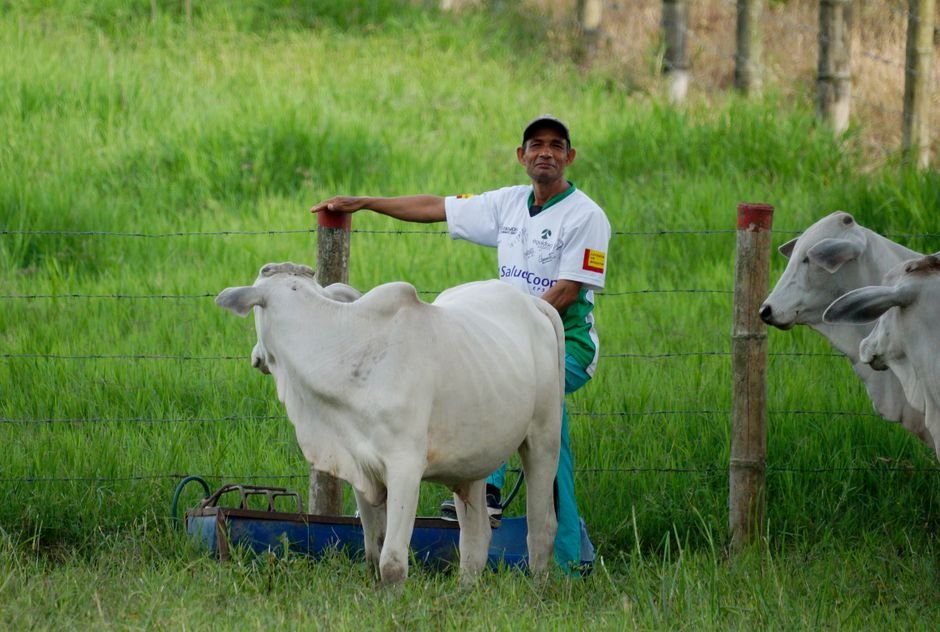
How to Start a Brahman Herd: A Direct Answer
Starting a Brahman herd begins with selecting quality breeding stock from reputable sources, preparing suitable pasture with shade and water access, and developing a herd management plan focused on Brahman-specific traits like heat tolerance, parasite resistance, and growth potential. Early investment in veterinary care and genetic selection will set a strong foundation for a thriving Brahman cattle operation.
Beyond these basics, successful Brahman herd establishment also requires understanding the breed’s unique physiological and behavioral characteristics. For example, Brahman cattle possess a distinctive hump over their shoulders and loose skin, which aid in heat dissipation but also influence handling techniques and facility design. Establishing protocols that accommodate these traits—such as designing chutes and pens that minimize stress and injury—is critical during the initial setup phase.
Equally important is setting realistic production goals tailored to Brahmans. Consider whether the herd will focus on purebred breeding, crossbreeding programs, or beef production targeted for niche markets requiring heat-hardy cattle. This decision affects stock selection, management intensity, and marketing strategies. Developing a comprehensive business plan encompassing genetic objectives, herd size expansion timelines, and financial projections will help guide sustainable growth.
Finally, building relationships with local agricultural extension agents, veterinarians familiar with the breed, and experienced Brahman breeders can provide crucial mentorship and troubleshooting assistance during the critical first years of your herd’s development.
Why Choose Brahman Cattle for Your Herd?
Brahman cattle are prized for their adaptability in hot, humid climates due to their loose skin and high sweat gland density. Originating from Indian Zebu breeds, Brahmans exhibit resistance to parasites and diseases common in southern U.S. and tropical regions. They are renowned for their hardiness, longevity, and ability to thrive on lower-quality forage, making them a preferred choice for ranchers in challenging environments.
Brahmans typically weigh between 1,000 to 1,400 pounds for cows and 1,600 to 2,200 pounds for bulls. Their strong maternal instincts and calving ease also make them a good option for first-time cattle breeders focused on sustainable herd growth.
In addition to these advantages, Brahman cattle possess a unique immune system that contributes to their parasite resistance, which includes resistance to ticks such as the cattle fever tick (Rhipicephalus microplus) and internal parasites like nematodes. This reduces the reliance on chemical treatments and lowers overall herd health costs.
Moreover, Brahmans have a high tolerance for heat stress compared to many European breeds, with studies showing they maintain feed intake and reproductive performance at temperatures exceeding 90°F (32°C), where other breeds might suffer reduced fertility and growth. This makes Brahmans a strategic choice in areas affected by climate change, where rising temperatures challenge traditional cattle operations.
The breed’s longevity is another asset: Brahman cows often remain productive in the herd for 10 years or more, compared to an average of 5-7 years in some other beef breeds. This extended productive lifespan improves return on investment in breeding animals and contributes to herd stability over time.
Step 1: Acquiring Your Initial Brahman Stock
Begin by sourcing Brahman cattle from established breeders registered with the American Brahman Breeders Association (ABBA). Purchasing registered animals ensures verified genetics and breed standards. Start small with a foundation herd comprising 5-10 females and at least one quality bull to maintain genetic diversity.
Look for females aged 2-4 years that have already calved or are ready to calve, as they will establish your herd’s reproductive base faster. When selecting bulls, prioritize those with superior EBVs (Expected Breeding Values) for growth rate, fertility, and structural soundness. These metrics are available through ABBA’s genetic evaluation tools.
In addition to age and reproductive history, evaluate conformation traits such as udder structure, leg soundness, and body condition, as these directly impact longevity and calving success. Request health records to verify vaccination status and absence of contagious diseases like brucellosis or bovine viral diarrhea (BVD).
It’s also wise to consider temperament, as Brahman cattle can be more excitable than some other breeds. Selecting animals with calmer dispositions will ease handling and reduce injury risk for both cattle and caretakers. Visiting multiple breeders, attending Brahman sales, and possibly participating in live animal auctions can provide exposure to diverse genetics and help identify animals that meet your criteria.
For genetic diversity, consider incorporating animals from different bloodlines or regions. Some breeders specialize in certain Brahman strains, such as the Gray or Red Brahman, which have subtle differences in coat color and growth traits. Mixing these can enhance heterosis (hybrid vigor) within your herd.
For more on this, see our related guide: 24 Best Cattle Breeds for Beginners: Calm, Hardy, and Easy to Manage.
Step 2: Preparing Your Land and Facilities
Brahman cattle require well-drained pasture with sufficient shade and constant water access to thrive, especially in hot climates. Trees or constructed shade structures are essential to reduce heat stress. Fencing must be sturdy and secure, as Brahmans are known for their curiosity and strength.
Pasture species like Bermuda grass, Bahia grass, or mixed native grasses provide adequate nutrition. Rotational grazing is highly recommended to manage forage quality and reduce parasite load, which Brahmans naturally resist but can still be affected by in heavy infestations.
When planning your grazing system, consider establishing subdivided paddocks that allow for rest and regrowth of forage. This practice optimizes pasture utilization and supports continuous feed availability throughout the year. Depending on your region, integrating legumes such as clover or lespedeza into pastures can increase protein content and improve overall cattle nutrition.
Water access should be reliable and sufficient to meet increased demand during hot months. Installing automatic waterers or multiple watering points prevents overcrowding and reduces the risk of waterborne diseases. Additionally, ensure water quality by testing regularly for contaminants or algae blooms, as poor water can negatively affect cattle health and performance.

Facility planning should include handling equipment designed for Brahman cattle’s physical traits: taller chutes and slightly wider alleyways accommodate their larger frames and hump. Providing non-slip flooring and shade in working areas can reduce stress and injury during routine procedures like vaccinations, pregnancy checks, or weighing.
Investing in windbreaks or shelter belts can further protect the herd from extreme weather conditions, such as cold fronts or strong winds, which can impact calf survival rates and overall comfort.
Step 3: Nutrition and Health Management
Brahman cattle are efficient grazers but will benefit from supplemental minerals, particularly phosphorus and salt, available at all times. Monitor body condition scores regularly to adjust feed as needed, especially during breeding and calving seasons.
Vaccinations against respiratory diseases, leptospirosis, and clostridial infections are essential according to the USDA Beef Quality Assurance (BQA) guidelines. Parasite control programs should include strategic deworming with products effective against gastrointestinal worms and ticks, which are common in Brahman environments.
Due to their adaptability, Brahman cattle can perform well on lower-quality forages, but targeted supplementation can significantly enhance growth rates and reproductive performance. Providing energy-dense supplements during periods of nutritional stress, such as drought or winter, helps maintain body condition and supports fetal development.
Regular nutritional evaluation with a livestock nutritionist or extension agent can fine-tune feeding programs. For example, mineral blocks tailored to local deficiencies (e.g., selenium or copper) ensure optimal immune function and reproductive success. Selenium supplementation is particularly important in regions with selenium-poor soils to prevent white muscle disease and improve calf vigor.
Implementing a comprehensive herd health protocol includes routine body condition scoring (BCS) at key production stages: pre-breeding, mid-gestation, pre-calving, and weaning. Brahman cows ideally maintain a BCS between 5 and 6 (on a 9-point scale) to optimize fertility and calf health.
Work closely with your veterinarian to develop a vaccination schedule tailored to local disease risks and to conduct regular herd health assessments. Monitoring for signs of common Brahman ailments, such as bovine respiratory disease complex, tick-borne illnesses, and foot rot, can reduce downtime and financial losses.
Step 4: Breeding and Calving Management
Brahman cattle generally have good fertility rates but require attentive calving management to maximize herd productivity. Plan breeding seasons to align calves’ birth with optimal pasture conditions. Many ranchers implement controlled breeding cycles using either natural service or artificial insemination (AI).
If you’re also looking into this, our article on What Are the Benefits of Starting a Small Cow Herd? covers it in more detail.
AI allows for the introduction of superior genetics, improving traits like growth rate and carcass quality. It’s important to keep detailed records of breeding dates, sire information, and calving outcomes to track herd performance and make informed culling decisions.
To reduce calving difficulties, select bulls and females with documented calving ease ratings. Brahman cows’ maternal instincts, such as strong protective behaviors and attentive nursing, help improve calf survival rates, but close monitoring during calving season is still necessary to promptly assist difficult births.
Synchronization protocols using hormones like prostaglandins and GnRH can streamline breeding seasons and improve AI success rates, allowing for more uniform calf crops and easier management. Such programs require careful timing and training but can yield higher pregnancy rates and better herd genetics.
Implementing a bull rotation system every 2-3 years helps maintain fertility and genetic vigor. Bulls should be evaluated annually for libido, structural soundness, and semen quality. Culling bulls with poor fertility or undesirable traits prevents propagation of weaknesses in the herd.
Calf management includes ensuring colostrum intake within the first 6 hours post-birth, which is critical for passive immunity transfer. Providing clean, dry calving areas reduces disease risk and supports calf health. Weaning strategies vary but typically occur at 6-8 months; gradual weaning methods can reduce stress and maintain weight gains.
Step 5: Record Keeping and Herd Improvement
Maintaining detailed records is vital from the start. Use herd management software—options like CattleMax or CowCalf 360 offer tools to track lineage, health, breeding, and production data. This practice helps identify high-performing animals and cull those with poor traits.
Conduct annual herd evaluations focusing on conformation, reproductive success, and growth rates. The American Brahman Breeders Association also hosts shows and sales where you can benchmark your herd against industry standards and access proven sires and dams.
In addition to production records, track environmental factors such as pasture conditions, weather patterns, and disease outbreaks. Analyzing these alongside performance metrics provides insights for adaptive management, such as adjusting nutrition plans or breeding schedules.
Genomic testing has become an increasingly valuable tool in Brahman herd improvement. Utilizing DNA-based tests can identify carriers of genetic defects, enhance selection accuracy for traits like feed efficiency or carcass quality, and accelerate genetic progress. ABBA and private laboratories offer testing services tailored to Brahman cattle.

Networking through breed association events and online forums allows exchange of best practices, sale of elite genetics, and collaborative problem-solving. Participating in Brahman cattle shows offers opportunities for visual appraisal and feedback from breed experts, while sales events provide access to superior bulls and females to improve herd genetics.
Common Challenges When Starting a Brahman Herd
New breeders often underestimate the importance of climate and pasture management in Brahman success. Heat and humidity tolerance can reduce but not eliminate the need for shade and water. Additionally, Brahman cattle can be temperamental, requiring calm, experienced handlers to reduce stress during handling and transport.
Genetic diversity is another common challenge. Purchasing animals from limited sources can lead to inbreeding depression. To prevent this, diversify your breeding stock every few years by introducing new genetics from reputable breeders or AI programs.
Another challenge is the breed’s slower early growth rate compared to some European breeds. Brahman calves typically mature later, so managing expectations for weaning weights and market readiness is important to avoid financial strain. Crossbreeding with faster-growing breeds may be a strategy to accelerate production, but purebred operations will need to plan accordingly.
This ties in closely with 26. Best Cattle Breed for Small Acreage: 10 Top Picks for Efficient Farming, worth a look if you want to go deeper.
Handling Brahman cattle also requires adaptations. Their strong flight response and protective maternal behavior mean that low-stress handling techniques—such as using solid-sided chutes, minimizing loud noises, and performing handling in small groups—are essential to prevent injury and promote animal welfare.
Furthermore, Brahman cattle’s loose skin and dewlap can be prone to sunburn or insect bites in certain environments. Applying fly repellents or providing additional shade during peak insect seasons can mitigate these issues.
Typical Costs Involved in Starting a Brahman Herd
| Expense Category | Estimated Cost Range | Notes |
|---|---|---|
| Foundation females (per head) | $1,200 – $2,500 | Price depends on age, pedigree, and reproductive status |
| Bull (per head) | $3,000 – $7,000 | High-quality, registered bulls cost more but improve genetics |
| Fencing and infrastructure | $2,000 – $10,000+ | Depends on acreage and existing facilities |
| Feed and supplements (annual) | $200 – $500 per head | Varies with pasture quality and supplemental needs |
| Veterinary and health care | $50 – $150 per head annually | Includes vaccinations, deworming, reproductive services |
| Artificial insemination (AI) services | $25 – $50 per insemination | Plus cost of semen, which varies by sire quality |
| Pasture improvement and management | $300 – $1,500 annually | Includes seed, fertilization, and weed control |
| Handling facilities and equipment | $1,000 – $5,000+ | Chutes, scales, and working pens, depending on scale |
Leveraging Breed Associations and Community Resources
The American Brahman Breeders Association (ABBA) offers resources including breed standards, a marketplace for animals, genetic evaluation tools, and educational programs. Joining local cattlemen’s associations and attending Brahman shows provides networking opportunities and hands-on learning.
Extension services from universities such as Texas A&M or Louisiana State University often publish research and management guides tailored to Brahman cattle, helping new herd owners make science-based decisions.
Additionally, many regions have Brahman-specific producer groups that organize workshops, webinars, and field days focused on topics like nutrition, reproduction, and marketing strategies. Engaging with these groups can provide practical insights and foster mentorship relationships.
Online platforms and social media groups dedicated to Brahman breeders also facilitate exchange of information on successful breeding strategies, health treatments, and market trends. These virtual communities are valuable for troubleshooting and staying updated on innovations in Brahman cattle production.
Participating in genetic improvement programs offered by ABBA or affiliated organizations enables access to advanced selection tools and performance data. These programs often include progeny testing, ultrasound carcass evaluation, and DNA testing to enhance decision-making in herd improvement.
Frequently Asked Questions
How many Brahman cows do I need to start a productive herd?
A small but manageable herd typically starts with 5 to 10 cows and at least one bull. This size allows for establishing breeding cycles while maintaining genetic diversity and manageable workload. For commercial operations, expansion beyond this initial size can improve economic viability by achieving economies of scale in feed, labor, and marketing.
What is the best climate for raising Brahman cattle?
Brahmans thrive in hot, humid climates such as the southern U.S., Gulf Coast, and tropical regions. Their heat tolerance and parasite resistance make them ideal for areas where other cattle breeds struggle. They also perform well in arid environments due to their efficient water metabolism. However, Brahmans are less suited for cold, wet climates where their loose skin may predispose them to frostbite and other cold stress-related issues.
Can Brahman cattle be crossbred for improved traits?
Yes. Brahman crosses such as Brangus (Brahman x Angus) combine Brahman hardiness with Angus marbling, improving beef quality while retaining environmental adaptability. Other popular crosses include Brahmousin (Brahman x Limousin) and Santa Gertrudis (Brahman x Shorthorn), each offering specific benefits in growth, carcass traits, or maternal ability. Crossbreeding programs can capitalize on hybrid vigor to enhance fertility, growth rate, and survivability.
What are common health issues in Brahman cattle?
While generally hardy, Brahmans can still be affected by respiratory diseases, ticks, and parasites. Routine vaccinations and parasite control programs are essential to maintain herd health. Additionally, Brahmans can occasionally suffer from pasture-associated diseases such as bloat or nitrate poisoning if grazing on immature legumes or fertilized pastures, so careful forage management is necessary.
How long until a Brahman heifer calves for the first time?
Brahman heifers typically reach puberty around 12-15 months and can calve by 18-24 months, depending on nutrition and management standards. Achieving target weights of approximately 65% of mature body weight before breeding improves pregnancy rates and reduces calving difficulties. Proper heifer development programs emphasizing balanced nutrition and health care are essential for timely reproductive maturity.