
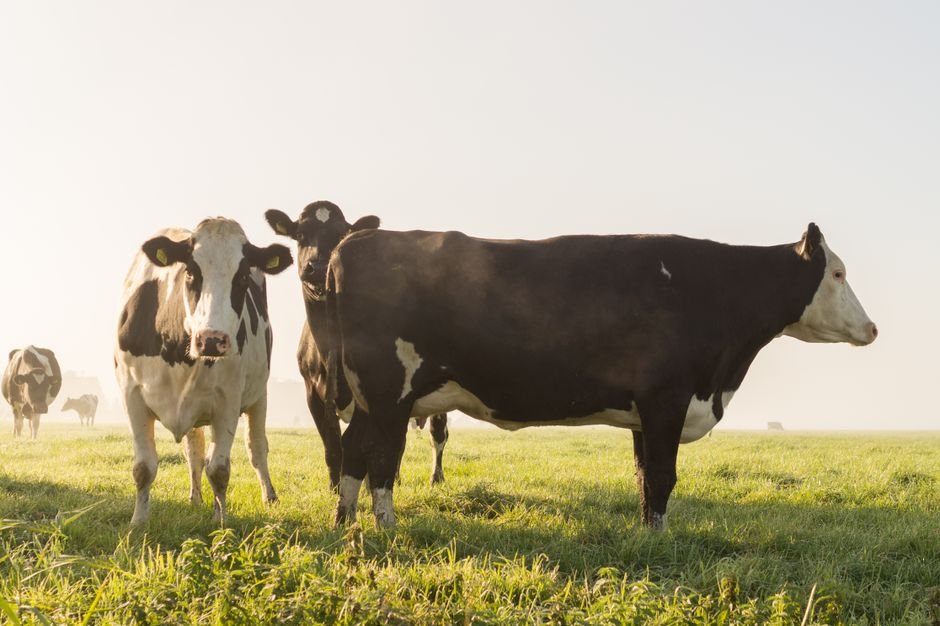
What Is Good Conformation in Cattle?
Good conformation in cattle refers to the ideal physical structure and body proportions that indicate soundness, productivity, and longevity. It includes traits such as strong legs, a well-attached udder (in dairy cattle), balanced muscling, and proper skeletal alignment. These characteristics are breed-specific but generally support efficient movement, reproductive success, and overall health.
Why Does Conformation Matter in Cattle?
Cattle with good conformation tend to perform better in production—whether for beef or dairy—because their bodies are structurally suited for their purpose. For example, beef cattle with strong legs and a deep, well-muscled body typically produce higher yields of quality meat. Similarly, dairy cattle with well-formed udders and strong pasterns have fewer health problems and higher milk production over time. Good conformation also reduces the risk of lameness and increases longevity, saving farmers money and improving herd efficiency.
Primary Conformation Traits to Assess in Cattle
Evaluating cattle conformation involves looking at distinct physical traits that impact function and productivity. The most critical traits include:
- Structural Soundness: Legs and feet should be strong, straight, and well-placed to support weight and prevent lameness. Correct pastern angles and hoof health are essential.
- Body Capacity: A deep, wide chest and well-sprung ribs indicate good lung capacity and digestive efficiency, vital for growth and milk production.
- Muscling: Especially in beef breeds like Angus or Hereford, balanced and well-defined muscles on the loin, rump, and shoulders signify meat yield potential.
- Breed Characteristics: Each breed has standards defined by organizations like the American Angus Association or Holstein Association USA, guiding ideal size, shape, and proportions.
- Udder Quality (Dairy Cattle): A well-attached, symmetrical udder with strong suspensory ligaments and teat placement is crucial for milking efficiency and health.
- Back and Topline: A straight, level back with no excessive sway or hump reflects good skeletal structure and weight-carrying ability.
Conformation Standards by Breed and Purpose
Conformation standards vary between beef and dairy cattle and among breeds. For example, the American Angus Association emphasizes traits such as moderate frame size and thick muscling, while the Holstein Association USA focuses on dairy traits like udder depth and teat size.
| Breed | Purpose | Key Conformation Traits | Source/Standard |
|---|---|---|---|
| Angus | Beef | Moderate frame, thick muscling, strong feet, deep chest | American Angus Association Breed Standards |
| Hereford | Beef | Wide loin, strong pasterns, broad rump, deep body | American Hereford Association Conformation Guidelines |
| Holstein | Dairy | Angular frame, well-attached udder, strong suspensory ligament, square rump | Holstein Association USA Linear Type Traits |
| Jersey | Dairy | Refined frame, prominent withers, high udder attachment, tight teat placement | Jersey Cattle Association Conformation Scores |
How to Evaluate Structural Soundness in Cattle
Structural soundness is often the first step in assessing conformation. Key points include:
For more on this, see our related guide: Proven Tips to Reduce Weaning Stress in Calves During Hot Weather.
- Front Legs: Should be straight and set squarely beneath the shoulder with no inward or outward deviation. Knees must be strong and free from swelling.
- Hind Legs: Proper angulation at the hock joint promotes efficient movement. Legs that are too straight or sickle-hocked can lead to lameness.
- Feet: Hooves must be well-formed, not excessively worn or cracked. The pastern angle should be about 45 degrees to absorb shock.
- Mobility: Observe cattle walking on hard, level ground; smooth, even strides without limping indicate good leg structure.
Body Capacity and Its Role in Cattle Productivity
Body capacity refers to the volume within the body cavity, which affects digestive efficiency and endurance. Cattle with a large thoracic capacity can intake and process more feed, supporting faster growth or sustained milk production. Look for a deep chest that extends well below the elbows and wide, well-sprung ribs that maximize lung and digestive organ space. In breeds like Simmental and Charolais, body capacity is linked to higher feed efficiency and weight gain potential.

Muscling and Its Influence on Beef Quality
In beef cattle, muscling is a critical conformation trait directly tied to carcass yield and meat quality. Muscles should be well-defined but balanced, avoiding over-conditioning or excessive fat deposits. Key muscle groups to inspect include the loin, top of the shoulder, and round (rump). Specific measurements and scoring systems, such as the USDA Yield Grade, can quantify muscle-to-fat ratios and help select animals for breeding or finishing. Breeds like Limousin are favored for their superior muscling traits and feed conversion.
Udder Conformation in Dairy Cattle
Udder quality greatly influences dairy cattle productivity. The ideal udder is firmly attached both in the front and rear, preventing sagging that can cause injury or mastitis. The suspensory ligament should be strong and symmetrical, holding the udder high and close to the body. Teats need to be placed evenly and sized for easy milking—typically 1.5 to 2 inches long for Holsteins. Linear type scoring systems used by the Dairy Herd Improvement Association (DHIA) help farmers assess udder depth, cleft, and teat placement objectively.
The Impact of Good Conformation on Longevity and Health
Cattle with good conformation experience fewer health issues such as lameness, reproductive problems, and udder infections. Proper skeletal alignment reduces joint wear and tear, extending productive life spans. For instance, studies from the University of Wisconsin show that dairy cows with ideal leg and foot angles can produce milk for 2 to 3 more lactations than those with poor conformation. Similarly, beef cattle with sound structure tend to require less veterinary intervention and perform better under grazing conditions.
If you’re also looking into this, our article on Can Cows Eat Watermelon? How to Safely Feed Cull Fruit to Your Herd covers it in more detail.
Common Mistakes When Assessing Cattle Conformation
Many newcomers make the error of prioritizing size over structural soundness or overlook breed-specific standards. For example, judging a Holstein dairy cow by beef breed muscling standards can lead to inappropriate selection. Another common mistake is focusing solely on appearance without observing movement, which can mask underlying structural problems. Using breed association scorecards and consulting with experienced cattle judges or extension agents helps avoid these pitfalls.
Tools and Techniques for Evaluating Cattle Conformation
Cattle conformation evaluation can be enhanced with several methods and tools:
- Visual Scoring: Using linear scoring systems from organizations like the American Dairy Science Association or the Beef Improvement Federation.
- Photographic Analysis: High-resolution side and rear photos analyzed for angles and proportions using specialized software.
- Mobile Apps: Apps like CattleMax and Breedr help track conformation scores alongside production records.
- Body Condition Scoring (BCS): Though not purely conformation, BCS complements structural assessment by indicating fat cover and overall health.
Summary Table: Key Conformation Traits by Cattle Type
| Trait | Dairy Cattle | Beef Cattle |
|---|---|---|
| Legs and Feet | Straight, strong pasterns, proper hoof shape | Strong, well-angulated for weight bearing |
| Udder | High, tight attachment, symmetrical, good teat placement | Not a focus, but free from injury or infection if present |
| Muscling | Moderate, functional for milking ability | Well-developed, balanced, thick over loin and rump |
| Body Capacity | Large chest and rib space for feed intake | Deep and wide to support growth and feed efficiency |
| Backline | Straight and level for structural support | Strong, level with no sway or hump |
Frequently Asked Questions
How is cattle conformation scored?
Cattle conformation is often scored using linear type evaluations where individual traits such as leg structure, muscling, and udder quality are rated on a scale (commonly 1–9). Breed associations like the Holstein Association USA and Beef Improvement Federation provide detailed scorecards and guidelines for objective assessment.

Can poor conformation be corrected in cattle?
Poor conformation cannot be fully corrected once the animal is mature, but management practices like hoof trimming and selective breeding can improve herd quality over time. Addressing minor issues early, such as foot care, helps maintain soundness and productivity.
This ties in closely with What Are the Benefits of Starting a Small Cow Herd?, worth a look if you want to go deeper.
Which conformation traits predict better beef quality?
Traits such as well-balanced muscling, deep body capacity, and correct leg structure predict better beef quality. These influence carcass yield, fat distribution, and animal mobility, factors that impact meat tenderness and overall market value.
Why is udder conformation critical in dairy cattle?
Proper udder conformation reduces the risk of mastitis, facilitates milking efficiency, and supports longer productive life. An udder with strong attachments and good teat placement ensures healthy milk flow and easier handling during milking.
How do breed standards influence conformation evaluation?
Breed standards provide specific conformation criteria tailored to the breed’s purpose and genetics. Evaluations that align with these standards ensure animals are suited for their environment and production goals, improving herd consistency and performance.