
What Are Holstein Cattle and Why Are They Popular?
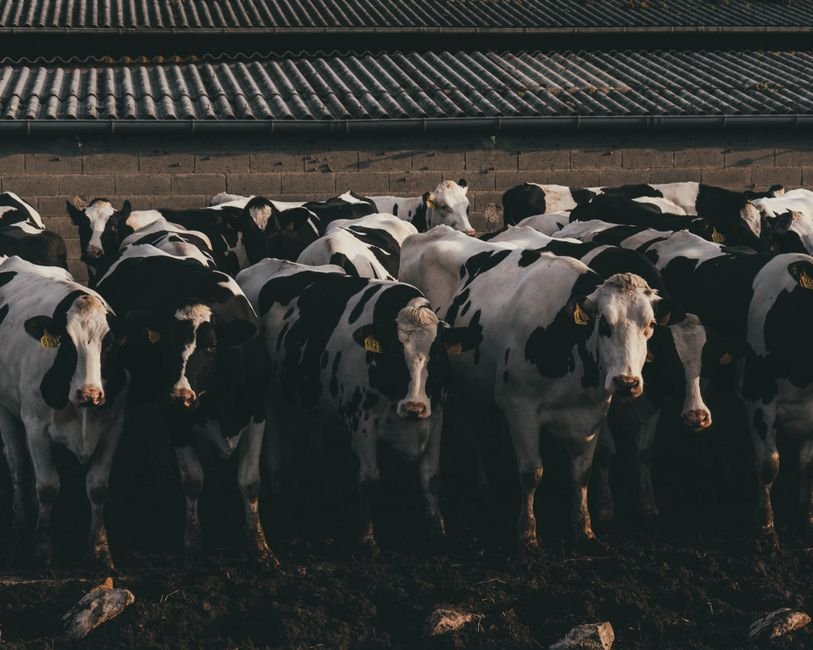
Holstein cattle are the most common dairy breed worldwide, prized primarily for their high milk production. Originating from the Friesland and North Holland provinces of the Netherlands in the 17th century, Holsteins have been selectively bred for centuries to enhance their milk-producing abilities. Today, they dominate the global dairy industry, accounting for roughly 90% of the dairy cows in the United States and a significant portion of dairy herds in Europe, Canada, and many other countries.
Holsteins are easily recognized by their distinctive black-and-white spotted coats, though the pattern can vary widely from mostly white with black patches to mostly black with white spots. This breed’s genetic traits focus heavily on milk volume rather than milk components, making them ideal for fluid milk markets and large-scale dairy operations. On average, a Holstein cow produces about 22,000 pounds (10,000 kg) of milk annually, though top-producing individuals can exceed 30,000 pounds (13,600 kg) per year under optimal conditions.
Besides their productivity, Holsteins are lauded for their docile temperament, which makes them easier to handle compared to some other dairy breeds. Their adaptability to diverse climates and management systems—from intensive confinement dairies to pasture-based operations—has further propelled their popularity. For beginners entering dairy farming, Holsteins offer a manageable learning curve due to their generally calm behavior and well-documented genetic history, providing a reliable foundation for herd improvement over time.
Physical Characteristics of Holstein Cattle
Holsteins are large-framed animals, with mature cows typically weighing between 1,300 to 1,500 pounds (590 to 680 kg), and bulls reaching weights up to 2,200 pounds (1,000 kg) or more. Their height at the shoulder averages about 58 inches (147 cm) for cows, while bulls can stand taller and possess a more muscular build. This size advantage supports their remarkable milk production but also necessitates robust infrastructure and sufficient feed supply to maintain herd health and productivity.
Their black and white coat pattern is their most notable feature and is genetically inherited in a codominant manner, leading to a wide variety of spot sizes and shapes. Less common are red and white Holsteins, which possess a recessive gene variant. Although these red Holsteins produce milk quantities comparable to their black and white counterparts, their coloration has historically been less favored in show rings and commercial operations, though interest in these animals has grown recently due to genetic diversity benefits.
Holsteins have a long, angular body conformation optimized for dairy production. Their skeletal structure is lean, with prominent hip bones and thin necks, allowing for efficient nutrient allocation toward milk synthesis rather than fat or muscle. The udder is well-developed, with strong suspensory ligaments and four evenly sized teats spaced for efficient milking, either by hand or automated systems. The udder’s capacity and attachment are critical traits, as poor udder conformation can lead to discomfort, increased mastitis risk, and reduced milk yield over the cow’s lifespan.
Understanding Holstein Milk Production
Holsteins lead dairy breeds in total milk volume but tend to produce milk with slightly lower butterfat content compared to other breeds. Their milk averages about 3.6% butterfat and 3.1% protein, which is sufficient for fluid milk consumption and many dairy products but less ideal for specialty products like cheese and butter, which require higher fat content. In contrast, Jerseys, another popular dairy breed, produce milk with butterfat percentages closer to 4.8%, making their milk preferred in artisanal dairy markets.
Milk yield in Holsteins is influenced by several factors including genetics, nutrition, management, and environment. Modern breeding programs utilize advanced genomic testing to select sires and dams with superior milk production and health traits, accelerating genetic progress. For example, the Holstein Association USA offers genomic evaluations that help farmers identify animals with high genetic merit for milk volume, reproductive efficiency, and disease resistance.
During peak lactation, usually occurring 30 to 60 days after calving, an average Holstein cow can produce approximately 70 pounds (32 kg) of milk daily. Lactation curves vary, but overall lactation length is typically around 305 days, after which cows enter a dry period to rest before the next calving. Management practices such as balanced feeding strategies, comfortable housing, and proper milking routines are essential to sustaining this high level of production.
Additionally, Holstein milk is often the base for large-scale dairy processing industries due to its consistent quality and volume. It is widely used for pasteurized milk, yogurt, ice cream, and other dairy products. The breed’s ability to convert feed efficiently into milk also supports sustainability goals by maximizing output relative to input resources.
Essential Care Practices for Holstein Beginners
Proper nutrition is foundational to maintaining Holstein health and milk production. Their diet must provide sufficient energy, protein, fiber, vitamins, and minerals. Typical feed components include corn silage for fermentable carbohydrates, alfalfa hay for protein and fiber, and a commercial dairy ration formulated with essential vitamins and trace minerals such as calcium, phosphorus, magnesium, and selenium. The inclusion of byproducts like soybean meal or distillers grains can improve protein intake economically.
For more on this, see our related guide: 24 Best Cattle Breeds for Beginners: Calm, Hardy, and Easy to Manage.
Water intake is equally crucial; Holsteins can consume between 30 to 50 gallons (114 to 190 liters) daily, especially during lactation. Water quality and availability directly affect feed intake and milk yield, so clean, fresh water sources must be consistently accessible.
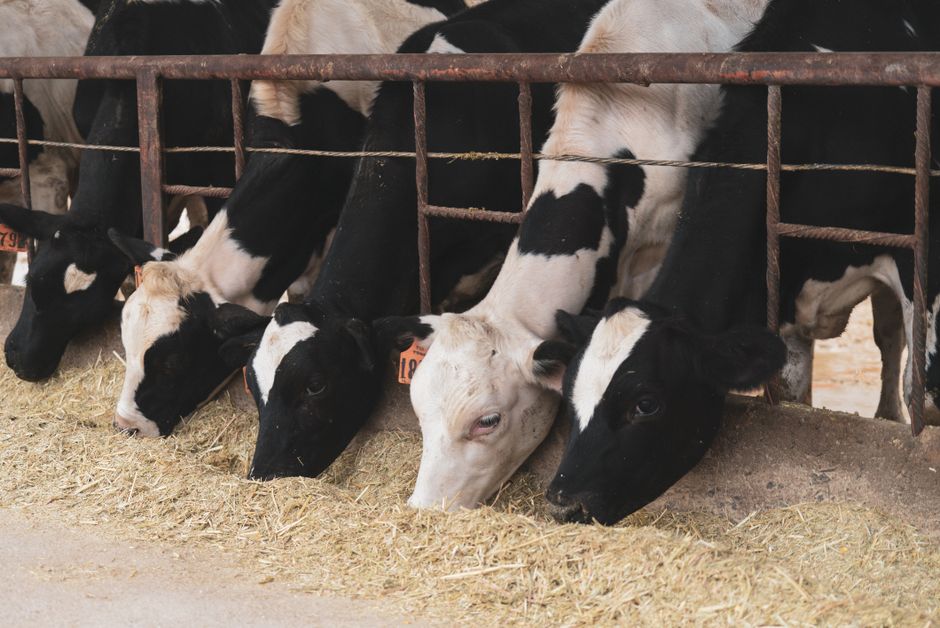
Housing should be designed to protect cows from extreme temperatures, wet conditions, and injuries. Free-stall barns with well-drained bedding such as sand or straw provide comfortable resting areas, while ensuring adequate ventilation reduces respiratory disease risks. For pasture-based systems, ample shade and clean, dry loafing areas are important.
Routine hoof care, including trimming every 4 to 6 months, helps prevent lameness caused by overgrown or cracked hooves, which can severely impact mobility and milk production. Vaccination schedules vary by region but typically include immunizations against bovine respiratory disease complexes, clostridial diseases, and mastitis pathogens. Consulting with a veterinarian to develop a herd-specific health plan is recommended.
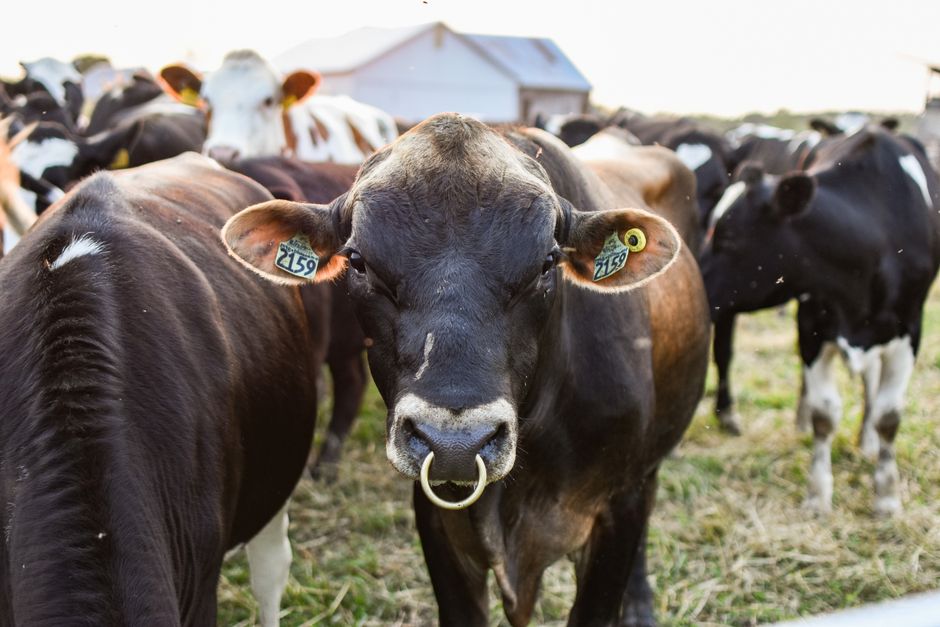
Milking hygiene is another critical component. Automated milking systems (AMS) from manufacturers such as DeLaval and GEA offer benefits like standardized milking routines, real-time data collection on milk yield and quality, and reduced labor. These systems incorporate teat cleaning, gentle milking vacuum pressure control, and post-milking teat dipping to minimize infection risk. However, proper maintenance and monitoring of AMS are essential to prevent equipment-related problems and ensure cow comfort.
Common Challenges When Raising Holstein Cattle
Holsteins are prone to certain metabolic and health challenges because of their high productivity and size. Metabolic disorders like ketosis (energy deficiency leading to fat metabolism issues) and milk fever (hypocalcemia postpartum) frequently occur around calving. Preventative measures include proper transition diets rich in energy and calcium, monitoring body condition scores, and timely veterinary intervention.
Heat stress is a substantial challenge, particularly in regions with hot, humid climates. Research indicates that milk production can decrease by up to 25% when temperatures exceed 75°F (24°C) without sufficient cooling measures. Heat stress also negatively impacts reproduction, immune function, and feed intake. Dairy farmers implement shade structures, high-velocity fans, and sprinkler systems in holding and resting areas to dissipate heat effectively. Genetic selection for heat tolerance is emerging as an important breeding goal.
Lameness is another common issue, exacerbated by the considerable weight of Holsteins and the stress placed on hooves and joints. Injuries can stem from slippery concrete floors, poor hoof hygiene, and confinement leading to reduced movement. Installing rubber mats or textured flooring in feeding lanes and resting areas can reduce slipping and hoof trauma. Early detection of gait abnormalities and immediate treatment prevent chronic conditions.
Other common health concerns include mastitis, a bacterial infection of the udder that can significantly reduce milk quality and yield. Proper milking hygiene, routine somatic cell count testing, and segregation of infected animals are vital management tools. Maintaining a low-stress environment also helps enhance immunity and overall health.
How to Identify Holstein Cattle: Visual and Behavioral Traits
Visually, Holsteins are unmistakable due to their black and white spotted coat pattern, which is unique to each individual, much like a human fingerprint. The pattern’s variability has even been used in computer vision technologies to identify and track individual cows automatically on farms. Their ears are upright and proportionate to their head size, often showing identification tags or electronic transponders for herd management.
Their faces generally have a white base with irregular black markings around the eyes, nose, or forehead. Some Holsteins may also have white stockings or black markings on their legs. Their skin under the coat is typically pink, which can be sensitive to sun exposure, requiring care in regions with intense sunlight to prevent sunburn, especially on the udder.
If you’re also looking into this, our article on How to Choose the Right Cow Breed for Beginner Basics covers it in more detail.
Behaviorally, Holsteins exhibit calm and curious temperaments. They are social animals that establish herd hierarchies without excessive aggression. This docility facilitates management practices such as routine health checks, hoof trimming, and milking. Compared to beef breeds, Holsteins are less flighty and more tolerant of human interaction, which is particularly beneficial for first-time dairy farmers or small-scale producers.
Holsteins are also noted for their adaptability. They can transition from pasture grazing to confinement feeding systems with minimal stress when managed properly. Their intelligence and social nature mean they respond well to consistent handling routines and environmental enrichment, which can reduce stress-related production losses.
Holstein Breed Standards and Registry
The Holstein Association USA serves as the primary registry and breed organization for Holstein cattle in the United States, maintaining extensive pedigree and genetic databases that support herd improvement. Registration involves recording animals’ parentage, genetic evaluations, and phenotypic traits to ensure breed integrity.
Breed standards emphasize several physical and functional traits. For instance, Holsteins are expected to have a black and white coat pattern, although red and white animals are accepted. Ideal size, body condition, and udder conformation are critical for show and breeding purposes. The udder should have a strong median suspensory ligament, balanced quarters, smooth teat placement, and good attachment to the body to minimize injury and maximize milk production efficiency.
Many farmers participate in the Dairy Herd Improvement (DHI) program, which collects monthly milk production data, milk composition analysis, somatic cell counts, and reproductive performance. This data allows producers to benchmark their herds and make informed genetic selection decisions aimed at improving milk yield, health traits, and longevity. DHI records also assist in economic decision-making and eligibility for certain breeding programs or subsidies.
Internationally, similar registries and organizations exist, such as Holstein Canada and Holstein Europe, which promote genetic exchange and international cooperation in breeding and research.
Holstein vs. Other Dairy Breeds: A Quick Comparison
| Breed | Average Milk Yield (lbs/year) | Butterfat % | Size (lbs) | Temperament |
|---|---|---|---|---|
| Holstein | 22,000 | 3.6% | 1,300-1,500 | Docile |
| Jersey | 14,000 | 4.8% | 900-1,100 | Calm |
| Guernsey | 16,000 | 4.5% | 1,100-1,300 | Friendly |
| Ayrshire | 17,000 | 3.9% | 1,200-1,400 | Alert |
While Holsteins produce the highest volume of milk, farmers often choose breeds like Jerseys or Guernseys when seeking higher milk solids for cheese production or when managing smaller herds where feed efficiency and temperament become priorities. Ayrshires are valued for their hardiness and foraging ability, making them suitable for pasture-based systems with variable conditions.
Starting Your First Holstein Herd: Key Steps
When planning to start a Holstein herd, researching local regulations regarding livestock ownership, including zoning laws, animal welfare standards, and waste management requirements, is critical to avoid legal complications. Securing proper fencing is essential to prevent escapes and protect animals from predators; sturdy electric or woven wire fences are common choices.
Appropriate shelter must be designed to provide protection from extreme temperatures and harsh weather, with considerations for ventilation, drainage, and space requirements based on herd size. For example, each Holstein cow typically requires about 40 to 50 square feet of resting space in a barn setting.
This ties in closely with Beginner Basics for Cattle: A Practical Guide to Starting Your Herd, worth a look if you want to go deeper.
When selecting your initial animals, purchasing heifers aged 6 to 12 months allows them to acclimate to your environment before their first calving. Prioritize animals with verified health records, including vaccinations, parasite control, and no history of genetic defects. Buying from reputable breeders registered with the Holstein Association USA ensures pedigree accuracy and access to genetic evaluations.
Investing in milking equipment suited to your herd size and management style is vital. Portable milking machines are suitable for small herds or rotational grazing systems, while fixed milking parlors with automated systems improve efficiency for larger herds. Proper equipment maintenance and operator training are essential to optimize milk quality and cow welfare.
Establishing a consistent feeding and vaccination schedule early on promotes herd health and productivity. Consultation with local extension agents, dairy veterinarians, or experienced dairy farmers can provide region-specific advice on forage selection, disease prevention, and breeding strategies.
Consider enrolling in dairy cattle handling courses or workshops to gain hands-on experience. Organizations such as the University of Wisconsin’s Extension Dairy Program or similar institutions worldwide offer training in cattle behavior, handling techniques, and dairy management best practices tailored to Holsteins.
Frequently Asked Questions
How quickly do Holstein cows mature and start producing milk?
Holstein heifers typically reach puberty between 11 to 13 months and are generally bred around 15 months to optimize growth and development before first calving. The standard age for first calving is approximately 24 months, after which they begin producing milk. Proper nutrition and health management during the heifer phase are essential to achieving this timeline efficiently. Early calving under 22 months may reduce growth and future production, while delayed breeding can increase rearing costs.
Are Holstein cattle suitable for small-scale farms?
Holsteins can be kept on small farms, but their high milk yield requires greater feed inputs and management compared to smaller breeds like Jerseys or Guernseys. Small-scale farmers must ensure they have adequate pasture or stored feed, water supply, and infrastructure to support these needs. Additionally, managing manure and waste efficiently is important to prevent environmental issues. Some small farms utilize crossbreeding strategies or focus on lower-producing Holstein lines to balance productivity with resource availability.
What are the best practices to prevent mastitis in Holsteins?
Preventing mastitis involves multiple management strategies. Regular cleaning and disinfection of milking equipment is fundamental to reduce bacterial contamination. Maintaining udder hygiene by washing or wiping teats before milking and using post-milking teat dips containing antiseptic agents significantly lower infection risk. Rotating pastures and avoiding overcrowding reduces environmental mastitis pathogens. Routine somatic cell count (SCC) testing enables early detection of subclinical infections, allowing for timely treatment. Additionally, culling chronically infected animals can improve overall herd udder health. Implementing proper dry cow therapy protocols during the non-lactating period also helps prevent new infections.
Can Holstein cattle adapt to hot climates?
Although Holsteins are traditionally adapted to temperate climates, they can be raised successfully in warmer regions with proper heat stress mitigation. Techniques include planting shade trees, installing shade cloths or structures over feeding and resting areas, utilizing high-velocity fans, and applying sprinkler or misting systems to cool cows. Providing abundant clean water and adjusting feeding times to cooler parts of the day encourages feed intake. Genetic selection is increasingly focusing on heat tolerance traits to improve adaptability. Nonetheless, without proactive heat management, Holsteins experience reduced milk production, lower fertility rates, and increased susceptibility to disease.
Where can I find reliable Holstein breeding stock?
Reliable Holstein breeding stock can be sourced from breeders registered with the Holstein Association USA or equivalent organizations in your country. These breeders typically adhere to strict health and genetic standards and provide documentation such as health certificates, vaccination records, and pedigree information. Attending livestock auctions, dairy cattle shows, and breed-specific sales events can offer opportunities to evaluate animals firsthand and establish connections with reputable sellers. Additionally, some breeders offer artificial insemination (AI) services with semen from proven Holstein sires, enabling genetic improvement without purchasing live animals. Online databases maintained by breed associations also facilitate locating trusted breeders and genetic material.