
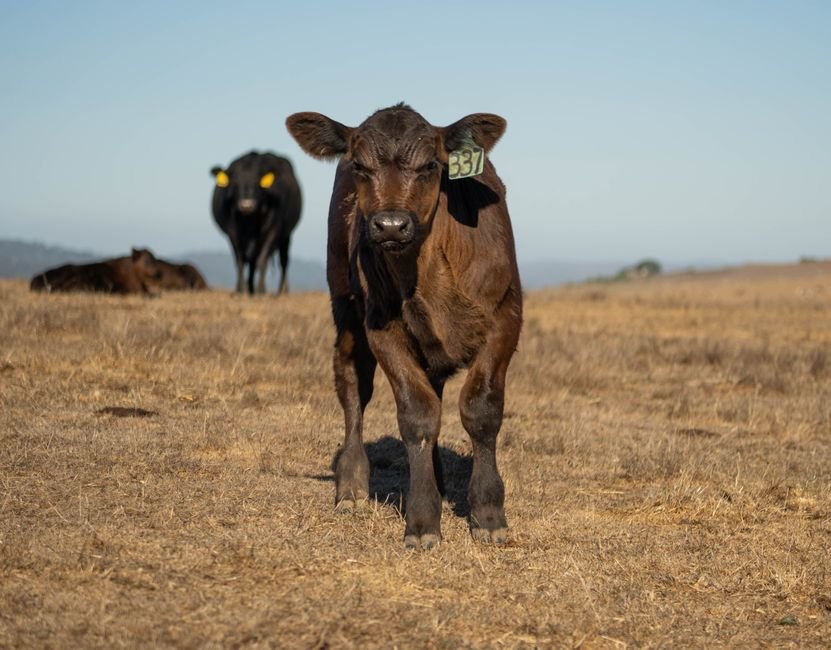
How to Start an Angus Cow Calf Herd: The Quick Answer
Starting an Angus cow calf herd begins with selecting quality registered Angus females and bulls that meet American Angus Association standards, securing well-managed pasture with adequate fencing, and implementing a breeding program focused on calving ease and growth traits. Successful herds prioritize herd health, nutrition, and record-keeping from day one to build a profitable, sustainable operation.
In addition to these fundamental steps, it’s essential to develop a clear business plan including budgeting for initial investments such as livestock purchase, fencing, veterinary care, feed, and labor. Understanding market dynamics, including seasonal price fluctuations and demand for Angus beef, will help tailor your herd management toward profitability. Engage with local agricultural extension services and Angus breed associations early to access educational resources and networking opportunities, which are invaluable for new producers.
Why Choose Angus Cattle for Your Cow Calf Herd?
Angus cattle are one of the most popular beef breeds in the U.S., favored for their marbling, maternal traits, and adaptable nature. Registered Angus cattle conform to standards set by the American Angus Association (AAA), which maintains strict pedigree documentation and performance data. Their ability to produce high-quality beef with strong consumer demand makes them an attractive breed for new and experienced ranchers alike.
Moreover, consumer preferences have increasingly favored Angus beef due to its superior flavor profile and tenderness, which is directly linked to the breed’s genetic propensity for intramuscular fat (marbling). According to the USDA, Angus beef accounts for a significant portion of premium beef sales, with the brand commanding higher market prices compared to commodity beef. This translates to improved profitability for producers who maintain high herd quality standards.
Key Angus Breed Characteristics
- Polled (naturally hornless): Reduces injury risk and handling difficulties. This trait also reduces labor and veterinary costs associated with dehorning, making herd management safer and more efficient.
- High Marbling Scores: Angus beef consistently scores high in USDA Choice and Prime grades. In fact, research shows that Angus cattle are twice as likely to produce USDA Prime grade beef compared to other breeds, which is a critical factor in premium beef marketing.
- Maternal Qualities: Strong milk production and calving ease contribute to calf survival and growth. Angus cows typically have moderate mature weights, which reduces nutritional demands and lowers maintenance costs.
- Adaptability: Performs well in diverse climates and pasture conditions. Whether raised in cold mountain regions or hot southern climates, Angus cattle demonstrate resilience and maintain production efficiency, which broadens the geographical scope for starting a herd.
Selecting Your Foundation Stock
Starting your herd requires careful selection of breeding females and bulls. Registered Angus heifers are often the best option to ensure known genetics and breed standards are met. Heifers should be between 12 to 15 months old and weigh at least 65% of their expected mature weight before breeding to promote successful first calving.
When selecting bulls, focus on traits such as calving ease, growth rates (weaning and yearling weight), and carcass merit. The AAA provides Expected Progeny Differences (EPDs), which help predict offspring traits. Bulls with a low birth weight EPD but high growth and marbling EPDs are ideal to balance calving ease with performance.
In addition to EPDs, genomic testing has become increasingly accessible and can provide more precise information on a bull’s genetic potential. Genomic-enhanced EPDs allow producers to select bulls with greater confidence in traits that influence fertility, feed efficiency, and disease resistance. This technology can accelerate genetic progress within your herd.
Also consider temperament as an important selection criterion. Calm cattle are easier and safer to handle, reducing stress on both animals and handlers, which contributes to better overall herd health and productivity.
Where to Buy Angus Cattle
- Seedstock Producers: These breeders specialize in registered stock with performance records. Visiting these operations allows hands-on evaluation and pedigree verification.
- AAA Sales and Auctions: Annual AAA-sanctioned sales offer high-quality foundation animals. These events often include detailed catalogues with EPD data, health records, and genomic information.
- Local Angus Associations: Regional Angus groups can recommend reputable sources. They may also facilitate mentorship programs and provide access to cooperative marketing opportunities.
- Online Livestock Marketplaces: More producers are using digital platforms to buy and sell cattle, expanding access to genetics beyond local areas. Ensure biosecurity and transport logistics are carefully planned when purchasing cattle from distant locations.
Establishing Pasture and Facilities
Good pasture management is essential for raising a healthy Angus cow calf herd. Aim for a mix of cool-season grasses like fescue and orchardgrass complemented by legumes such as clover to provide balanced nutrition. Ideally, allocate 2 to 3 acres per cow-calf pair depending on soil fertility and rainfall.
Soil testing before pasture establishment is crucial to identify nutrient deficiencies and apply the appropriate lime and fertilizers, optimizing forage production. Incorporating warm-season grasses like bermudagrass or switchgrass can extend the grazing season in warmer climates. Additionally, planting diverse forage species can improve drought tolerance and reduce parasite burdens.
Fencing should be sturdy and well-maintained. High-tensile electric fencing combined with wooden posts is a common choice for durability and cost-efficiency. Properly designed cross-fencing allows rotational grazing, which improves pasture utilization, encourages regrowth, and can reduce parasite loads.
Provide clean water sources accessible to all animals, and establish a calving area that offers shelter and good drainage. Water systems should be designed to prevent contamination and allow adequate flow rates; for example, troughs should provide 15-20 gallons per cow per day, with frequent cleaning to prevent algae buildup.
Basic Facility Checklist
- Secure perimeter fencing
- Separate pasture divisions for rotational grazing
- Clean water troughs or ponds with fencing to protect water quality
- Calving pens or shelters that protect from inclement weather and facilitate observation
- Handling facilities (chutes, squeeze pens) designed for low-stress cattle handling and veterinary procedures
- Feed storage areas to keep hay and supplements dry and free from pests
- Shade structures or natural shade to reduce heat stress during summer months
Breeding Management for an Angus Herd
Breeding management is critical to maximize profitability and herd improvement. Most Angus herds use natural service bulls, but artificial insemination (AI) enables access to elite genetics if you have the skill and infrastructure.
The breeding season typically lasts 60 days to concentrate calving within a tight window, simplifying management and marketing. Aim to breed heifers 30 days earlier than mature cows to allow extra time for first-calf heifers to recover.
For more on this, see our related guide: 24 Best Cattle Breeds for Beginners: Calm, Hardy, and Easy to Manage.
Pregnancy checks via ultrasound at 60 days post-breeding help identify open cows early, allowing for re-breeding or culling decisions.
In herds using AI, synchronization protocols ensure that females come into heat within a predictable timeframe, improving conception rates. Protocols such as the CO-Synch or Ovsynch methods combine hormone injections and timed insemination to reduce labor and improve genetic selection.
Record keeping of breeding dates, sire identification, and reproductive performance is essential to evaluate herd fertility and genetic progress over time.
Heat Detection and Estrus Synchronization
- Visual observation twice daily for standing heat signs (mounting, restlessness). Incorporating heat detection aids such as chin-ball markers, tail paint, or activity monitors can improve detection accuracy and reduce missed heats.
- Use of CIDRs (controlled internal drug release devices) for synchronization, which release progesterone to regulate estrous cycles. CIDRs are often combined with prostaglandin F2 alpha injections to synchronize ovulation.
- Prostaglandin injections to cycle cows efficiently, especially in cycling cows that are not yet in heat. Timed AI can be scheduled 48 to 72 hours after prostaglandin administration.
- Implementing a consistent and thorough breeding protocol increases conception rates, reduces calving interval, and improves overall herd reproductive efficiency.
Nutritional Strategies to Support Growth and Reproduction
Nutrition directly affects reproductive success and calf growth. Angus cows require balanced energy, protein, minerals, and vitamins throughout the year. During late gestation and early lactation, energy and protein demands increase significantly to support fetal growth and milk production.
For example, in the third trimester, a pregnant Angus cow’s energy requirements can increase by up to 30%, while protein needs rise by 20% or more. Providing high-quality conserved forage such as alfalfa hay or corn silage can meet these demands when pasture quality declines in winter.
Supplementation with high-quality hay, grain, or commercial cattle feeds (e.g., Purina Accuration 12% protein range cubes) may be necessary depending on pasture quality and season. Mineral supplementation is vital; deficiencies in phosphorus, copper, selenium, and vitamins A and E can impair fertility and immune function. Providing free-choice mineral mixes formulated for beef cattle is standard practice.
During early calf growth, creep feeding—offering supplemental feed to nursing calves—can improve weaning weights by 10-20%, enhancing overall herd profitability. However, balance creep feed costs with potential gains to optimize economic returns.
Water quality and availability also impact feed intake and nutrient utilization. Ensure water sources are clean, fresh, and accessible year-round.
Calving Management and Calf Care
Early spring calving aligns with optimal pasture growth, supporting lactating cows and nursing calves. Monitor cows closely as calving approaches, especially first-calf heifers prone to difficulties.
Key steps include providing a clean, dry calving area, assisting difficult births when trained, and ensuring calves receive colostrum within the first 6 hours to build immunity. Colostrum quality and quantity are critical; a calf should ideally consume 10% of its body weight in colostrum during this window. Passive transfer of maternal antibodies significantly reduces morbidity and mortality.
Record birth weights and tag calves promptly for identification and tracking. Additionally, administer necessary vaccinations starting at 30 to 60 days of age according to veterinarian recommendations. Early dehorning and castration, if part of your management, should be performed with appropriate pain mitigation to reduce stress.
Monitor calves regularly for signs of disease such as scours or pneumonia, particularly during the first 60 days post-birth, when mortality risks are highest. Prompt treatment improves survival and growth rates.
Health Protocols and Disease Prevention
Implement a vaccination program targeting common diseases such as Bovine Respiratory Disease (BRD), Infectious Bovine Rhinotracheitis (IBR), Bovine Viral Diarrhea (BVD), and Clostridial infections. Consult with a local large animal veterinarian to tailor protocols.

If you’re also looking into this, our article on What Are the Benefits of Starting a Small Cow Herd? covers it in more detail.
Routine deworming and parasite control based on fecal egg counts help maintain herd health. Parasite resistance is an increasing concern, so rotating dewormers and integrating pasture management techniques such as rotational grazing and mixed-species grazing can reduce parasite burdens.
Biosecurity measures, including quarantining new animals and controlling visitor access, reduce disease risks. Quarantine should last at least 30 days and include health monitoring and vaccination updates. Cleaning and disinfecting equipment, trailers, and facilities between groups of cattle minimize pathogen spread.
Regular herd health audits, including body condition scoring and observation for lameness or respiratory issues, facilitate early detection of problems. Record all treatments and outcomes to evaluate herd health trends and veterinary costs.
Record-Keeping and Performance Monitoring
Accurate records support genetic improvement and operational decisions. Track cow reproductive status, calf birth weights, weaning weights, health treatments, and pasture conditions.
Using software like CattleMax or Angus-specific programs such as Angus Herd Improvement Records (AHIR) helps analyze herd performance and plan improvements. These tools can generate reports on average daily gains, calving intervals, and feed efficiency.
Implementing a systematic approach to data collection allows benchmarking against breed averages and state or regional data, highlighting areas for management refinement. For example, improving average weaning weights by even 10 pounds per calf can significantly impact profitability over time.
Maintain electronic backups and ensure data security to protect your investment in herd records. Sharing data with breed associations can also provide access to genetic evaluation services and marketing programs.
Common Challenges and How to Overcome Them
New herd owners often face challenges like calving difficulties, pasture shortages, or disease outbreaks. Establishing strong relationships with extension agents and experienced Angus breeders can provide technical support.
Calving difficulties can be minimized by selecting genetics emphasizing calving ease, maintaining appropriate heifer growth, and providing attentive management during the calving season. Training in dystocia assistance techniques helps avoid calf and cow losses.
Pasture shortages may occur due to drought or overgrazing. Developing a forage reserve strategy, including hay storage and alternative feed sources, cushions the herd against feed deficits. Emergency plans should include options for supplemental feeding or temporary herd reduction.
Disease outbreaks are best managed through proactive vaccination, biosecurity, and monitoring programs. Rapid response plans with veterinary support can reduce mortality and economic losses.
Investing time in learning animal husbandry, grazing management, and genetics will pay off in herd success. Attending workshops, field days, and engaging in producer networks facilitates continual learning and access to innovations.
This ties in closely with The Essential Guide to Effective Cattle Fencing: Safety, Costs, and Best Practices, worth a look if you want to go deeper.
Comparison Table: Key Traits of Angus Heifers vs. Bulls for Herd Foundation
| Trait | Heifers | Bulls |
|---|---|---|
| Age at Purchase | 12-15 months | 18-24 months |
| Weight Goal Before Breeding | 65% of mature weight | Minimum 1,800 lbs |
| Selection Focus | Calving ease, maternal traits | Calving ease, growth, carcass merit |
| Source | Registered heifers from AAA producers | Registered bulls with high EPDs and genomic testing |
| Genetic Evaluation Tools | Pedigree and EPDs, potential genomic data | EPDs, genomic-enhanced EPDs, performance testing |
Frequently Asked Questions
What is the ideal herd size for a beginner starting an Angus cow calf operation?
Many new producers start with 5 to 10 cow-calf pairs to manage workload and expenses effectively while gaining experience before scaling up. This size allows hands-on learning of daily tasks such as feeding, breeding, and health care without overwhelming resources.
As confidence grows, producers can increase herd size incrementally, ensuring infrastructure and labor availability keep pace. It’s also important to consider market access; smaller herds may have limited sales options, so combining efforts with local cooperatives or marketing groups can improve profitability.
How often should I breed my Angus cows?
Breeding once per year in a defined 60-day season ensures calves are born annually during optimal times, improving herd uniformity and management. This approach aligns calving with peak forage availability and market windows, maximizing calf growth and sale prices.
Maintaining a tight calving season reduces labor peaks and concentrates resource needs such as feed and health interventions. Some producers use shorter seasons of 45 days to further increase uniformity, but this requires excellent reproductive management and nutrition.
Can I crossbreed Angus with other breeds for my herd?
Yes, Angus is often used in crossbreeding systems to improve hybrid vigor, but purebred Angus herds maintain breed uniformity and AAA registry advantages. Crossbreeding can improve traits such as fertility, growth rate, and disease resistance, depending on the complementary breed.
Common crosses include Angus with Hereford or Charolais, combining maternal traits with terminal growth. However, crossbreeding complicates record-keeping and marketing, and may disqualify calves from registered Angus programs. Producers should weigh these trade-offs based on their goals.
What vaccinations are essential for Angus calves?
Calves typically receive vaccines against respiratory diseases (IBR, BVD, PI3, Mannheimia), clostridial diseases (such as blackleg and tetanus), and may require booster shots after weaning—consult your vet for a tailored schedule. In areas with specific risks, leptospirosis and pinkeye vaccines may also be recommended.
Timing of vaccinations is critical; initial doses usually start at 30 to 60 days of age, with boosters prior to weaning and entry into feedlots. Proper handling and storage of vaccines ensure efficacy, as does minimizing stress during vaccination.
How do I improve pasture quality for my herd?
Rotational grazing, soil testing with appropriate fertilization, and reseeding with grasses and legumes enhance forage quality and sustainability. Rotational grazing allows pastures to rest and regrow, increasing biomass and nutrient density.
Soil testing every 2-3 years helps identify nutrient deficiencies like nitrogen, phosphorus, potassium, and pH imbalances, allowing precise fertilizer applications. Introducing clover or alfalfa improves protein content and nitrogen fixation, reducing fertilizer needs.
Controlling invasive weeds and managing grazing height prevents pasture degradation. For example, avoiding overgrazing by maintaining residual forage height of 3-4 inches supports root health and regrowth.
Where feasible, incorporating cover crops during offseason can protect soil, add organic matter, and provide early forage. Employing grazing systems such as mob grazing or adaptive multi-paddock grazing can also optimize pasture utilization and soil health.