
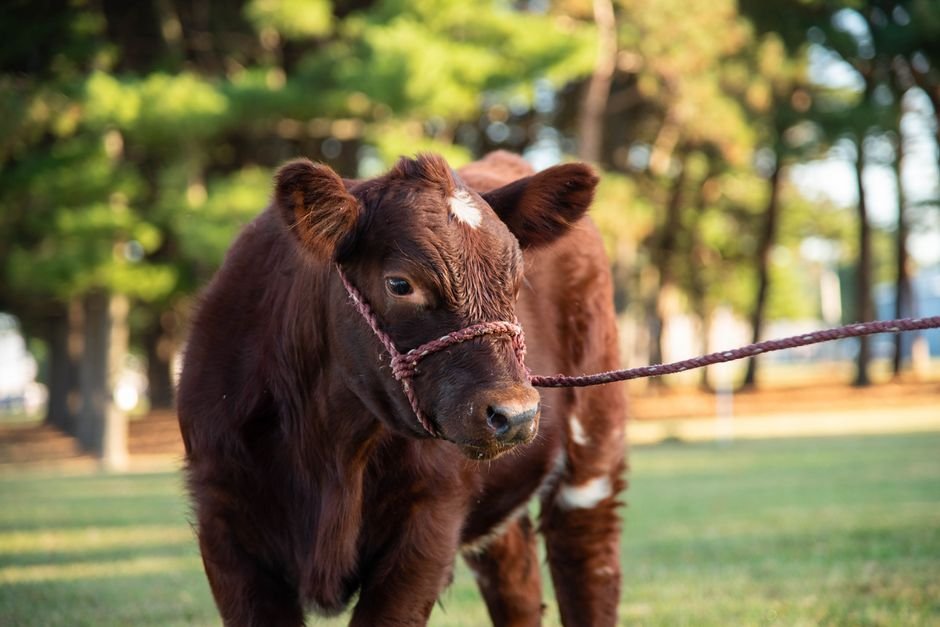
How to Pick a Show Steer: The Essential Traits to Evaluate
The best show steer combines correct breed characteristics, strong conformation, and a calm temperament. Focus on selecting a steer with a balanced frame, muscle expression, and structural soundness, ideally from reputable breeds like Angus, Hereford, or Charolais. Also, consider the animal’s health, genetic background, and how well it handles human interaction to increase your chances of success in the show ring.
In addition to these primary factors, it’s important to assess the steer’s overall condition and cleanliness, as well as its ability to maintain condition over time. Look for a steer with a glossy coat, bright eyes, and clear breathing, all indicators of good health. Early observation of feeding behavior can also highlight animals with strong appetites and efficient feed conversion, which are crucial for achieving ideal show weights.
Moreover, pay close attention to the steer’s pedigree if available. Knowing the lineage can provide insight into potential growth patterns, muscling, and temperamental traits inherited from parents or siblings. Some breeders provide performance data and even ultrasound scanning results to confirm muscling and fat thickness, which can be invaluable when making a final decision.
Understanding Breed Differences for Show Steers
Breed choice heavily influences a steer’s potential in the show ring. Popular breeds for show steers include Angus, known for their marbling and muscle shape; Hereford, prized for their docility and hardiness; and Charolais, favored for their size and growth rate. Each breed exhibits unique traits that appeal to different show standards:
- Angus: Compact frame, high-quality muscle with smooth blending over the top, known for excellent carcass traits. Angus cattle are often preferred in shows focused on carcass quality due to their superior marbling scores. This breed typically excels in feed efficiency and produces tender meat, a factor that appeals to breeders looking to combine show success with marketability.
- Hereford: Distinct white face and red body, typically more docile, with a slightly longer, leaner frame. Hereford steers are recognized for their adaptability to different environments and resistance to common diseases. Their temperament makes them especially suitable for younger exhibitors or first-time showmen. Additionally, Herefords have a high survivability rate, which contributes to consistent growth and condition maintenance throughout the show season.
- Charolais: Large, heavily muscled, pale coloration, often shown for their impressive size and thickness. Charolais steers generally display rapid growth rates and substantial frame sizes, which can give an advantage in classes that reward size and muscle mass. Their dense muscling, particularly across the hindquarters, sets them apart in competitions emphasizing thickness. However, Charolais cattle may require more intensive handling due to a sometimes more spirited temperament.
Choosing a steer from a breed that aligns with your show’s judging criteria or your personal goals can make a significant difference. For example, some shows have breed-specific classes where purebreds compete separately, which might influence your choice. Additionally, consider your own experience level and available resources; breeds with more docile temperaments and manageable growth curves can simplify feeding and training regimens.
Evaluating Conformation: What Judges Look For
Conformation refers to how well a steer’s body parts are proportioned and structured. Judges evaluate the following key traits:
- Frame Size: Steers should have a medium to large frame—too small may limit growth, too large can reduce market appeal. The ideal frame size varies by breed and show class but generally balances potential for muscle development with maintaining a marketable weight. For instance, a frame score of 5 to 6 (on a scale where 1 is very small and 9 is very large) often hits the sweet spot for show steers.
- Muscle Expression: Look for wide, thick muscling especially over the loin, shoulders, and hindquarters. The animal should show a well-defined, firm top and a deep, full middle. Judges favor steers with muscle that is not only abundant but also well distributed and smoothly blended into the overall body shape, avoiding any patchy or uneven muscling. Ultrasound data, when available, can provide objective measures of muscle depth and fat thickness to supplement visual assessment.
- Structural Soundness: Strong legs and feet with good pastern angles help sustain movement and long-term health. Avoid animals with flat feet or crooked legs. Structural defects can hinder a steer’s ability to walk and stand properly during the show, and may also lead to lameness issues post-show. Pay particular attention to the alignment of the hocks and knees, as well as the depth of heel, which contribute to durability under the stresses of fitting and showing.
- Balance and Symmetry: The steer’s body should flow smoothly from front to back, avoiding any abrupt dips or unevenness. This includes an even topline without dips or swells, and proportional depth through the rib cage and chest. A balanced animal presents a visually pleasing profile and often correlates with soundness and performance.
These physical traits directly affect the steer’s performance in the ring and eventual meat quality. Judges will often walk around the animal to view it from multiple angles, assessing the blend of muscling, frame, and balance. It’s important that the steer moves fluidly with no signs of stiffness or discomfort, which also indicates good conformation.
Assessing Temperament and Behavior
A show steer must be manageable and calm under pressure. Temperament affects how well the animal will handle grooming, fitting, and the chaotic environment of a livestock show. Signs of a good temperament include:
- Steady, predictable movements without excessive nervousness or aggression. An ideal show steer remains calm even when exposed to loud noises, large crowds, and other animals. They should not startle easily and should be comfortable with handling.
- Willingness to lead and stand quietly during show preparation. The ability to lead properly on a halter and stand still during clipping, brushing, and fitting is critical for efficient preparation and positive show ring performance.
- Good response to human interaction, indicating ease of training. A steer that seeks out attention or responds positively to handlers typically adapts faster to training routines and can be easier to manage throughout the show season.
Breeders and 4-H advisors often recommend handling prospective steers before purchase to gauge attitude and behavior firsthand. Spending time with the animal allows you to observe responses to touch, movement, and voice commands. Additionally, some reputable breeders will provide temperament scores or feedback from previous owners, which can guide selection.
For more on this, see our related guide: 24 Best Cattle Breeds for Beginners: Calm, Hardy, and Easy to Manage.
Managing temperament also involves environmental factors; steers raised in low-stress environments with consistent human contact generally develop better show behaviors. Some trainers use gradual desensitization techniques, exposing steers to show-like environments early, which enhances their confidence and control in the ring.
Age and Weight Considerations When Choosing a Show Steer
Most show steers are purchased as calves or yearlings and raised to target weights by show season. Typical show weights range from 1,100 to 1,400 pounds, depending on breed and class. Selecting a steer at the right age enables proper feeding and growth management:

- Calves (3-6 months): Require more time and management but allow for shaping and training from an early stage. Purchasing at this age provides the opportunity to influence muscling and frame development through nutrition and conditioning protocols. However, it demands a greater time commitment and knowledge of calf management to prevent illness and promote steady growth.
- Yearlings (12-18 months): Offer a clearer picture of muscle and frame but less time for training and conditioning. Yearlings can be a good choice for more experienced exhibitors who want to shorten the timeline, but they require intensive feeding and focused conditioning to reach optimal show condition in a shorter period.
Understanding the typical growth curves for your chosen breed helps you plan for feeding strategies with products like Purina’s Show Chow or Nutrena’s Pro Force. For example, Angus steers tend to reach mature weight earlier than Charolais, which typically grow at a faster rate but mature later. Monitoring weight gain weekly ensures the steer is on track to meet show weight requirements without accumulating excessive fat, which can be penalized by judges.
Consultation with a livestock nutritionist or extension agent can help tailor a feed plan that balances energy, protein, vitamins, and minerals to support optimal muscle growth and structural soundness. Incorporating forages such as high-quality alfalfa or grass hay alongside grain mixes can improve digestive health and performance.
The Importance of Genetic Background and Health Records
Knowing the steer’s pedigree and health history can prevent unexpected issues and improve your chances at the show. Look for documentation on:
- Lineage: Steers with proven show or production lines often have better muscling, structure, and temperament. Some breeders provide multi-generation pedigrees and records of relatives’ show performance, which can be indicators of potential genetic success. Additionally, identifying sires and dams known for specific desirable traits like growth rate or docility can increase confidence in your purchase.
- Vaccination and Health: Ensure the steer is up-to-date on vaccines for respiratory diseases, clostridial infections, and parasites. Respiratory illnesses are a common cause of setbacks in show animals, so confirmation of recent vaccinations such as BVD (Bovine Viral Diarrhea), IBR (Infectious Bovine Rhinotracheitis), and PI3 (Parainfluenza 3) is critical. Deworming schedules should also be documented to prevent parasite burdens that can stunt growth or affect condition.
- Growth and Feed Efficiency: Records showing consistent weight gain and feed conversion rates can indicate a steer’s potential at the show. Some breeders perform regular weigh-ins and may even share ultrasound or body condition scoring data to demonstrate progress and expected outcomes. This information helps in setting realistic expectations and formulating nutrition plans.
Reputable breeders provide this information, and some use DNA testing to confirm breed purity and parentage. DNA testing can also identify specific genetic markers for traits such as marbling, tenderness, and growth efficiency, offering a scientific edge when selecting your steer. Additionally, genetic testing for disease resistance can be beneficial for long-term herd health.
Comparing Show Steers: A Side-By-Side Overview
| Trait | Angus | Hereford | Charolais |
|---|---|---|---|
| Frame Size | Medium | Medium | Large |
| Muscle Expression | High, smooth blending | Moderate | Very high, thick muscling |
| Temperament | Calm, trainable | Docile | Sometimes more spirited |
| Typical Show Weight | 1,100-1,350 lbs | 1,050-1,300 lbs | 1,200-1,400 lbs |
| Preferred Feed | High-energy grain mix | Balanced grain and forage | High protein, energy-dense feed |
To further illustrate, here are some examples of feeding protocols tailored to each breed: Angus steers often respond well to grain mixes emphasizing energy and fat deposition to enhance marbling, while Hereford steers benefit from a balanced diet that supports steady frame growth and condition retention. Charolais steers, with their rapid growth and larger frame, require higher protein levels and energy density to maximize muscle accretion without excess fat.
Temperament differences also influence handling strategies; for example, Charolais may require more experienced handlers or additional acclimation to show environments to mitigate their sometimes more spirited nature.
If you’re also looking into this, our article on 26. Best Cattle Breed for Small Acreage: 10 Top Picks for Efficient Farming covers it in more detail.
Where to Buy Your Show Steer
Finding a quality show steer typically involves working with breeders, livestock auctions, or 4-H fairs. Breeders often provide the most reliable background and health records. Look for local or regional breeders specializing in show cattle, and attend sales like the National Western Stock Show or state fairs where many steers are offered. Online marketplaces such as Showstock.com and CattleExchange.com also list show-ready steers with detailed descriptions.
It’s advisable to build relationships with trusted breeders who prioritize quality genetics and animal care. This can open opportunities for selecting steers with verified pedigrees and performance records, as well as access to expert advice on raising and showing your animal.
At livestock auctions, while there is greater variability in quality and background information, these venues offer opportunities to find competitive steers at various price points. When attending auctions, arrive early to assess available animals, and if possible, bring an experienced advisor to assist in evaluating conformation and temperament.
Always visit and inspect the animal in person when possible to examine conformation, behavior, and overall condition. During the visit, observe the steer’s interaction with other cattle and humans, check for any signs of illness or injury, and evaluate the living environment, which can affect the animal’s health and behavior.
Training and Preparation Tips After Purchase
Once you’ve selected your show steer, early training is critical. Start halter breaking and teaching the steer to lead, stand for grooming, and accept clipping. Consistent daily handling builds trust and makes show day less stressful. Work with experienced 4-H leaders or FFA advisors who can provide guidance on fitting and grooming techniques.

In addition to basic halter training, practice walking the steer in various environments to acclimate it to different surfaces, noises, and distractions it might encounter at the show. Early exposure to the show ring setup or similar environments helps reduce anxiety during actual competitions.
Nutrition should be adjusted to support steady muscle growth while avoiding excess fat, using feed supplements tailored for show cattle. Implement a feeding schedule that balances energy intake with exercise to maintain optimal condition. Some exhibitors use feed additives that enhance coat shine and hair growth, important for presentation.
This ties in closely with How Much Water Does a Cow Drink Per Day? A Detailed Guide, worth a look if you want to go deeper.
Regular grooming sessions, including brushing and bathing, improve hair coat quality and promote animal comfort. Clipping techniques vary by breed and show requirements; learning these early allows you to highlight the steer’s best features and conform to show standards.
Record keeping during the training phase is beneficial. Maintain logs of feeding, weight gain, health treatments, and training milestones. This helps in adjusting management strategies and can be useful for reporting to judges or advisors.
Frequently Asked Questions
What is the best breed for a beginner showing a steer?
Hereford and Angus are often recommended for beginners due to their manageable size and calm temperaments. Their docility makes training easier, and their musculature meets many show standards. Additionally, both breeds have widespread availability, making it easier to find quality animals and seek community support. Beginners may also appreciate the lower maintenance requirements relative to larger or more high-strung breeds like Charolais.
How much does a show steer typically cost?
Prices vary widely based on breed, pedigree, and quality, but expect to pay anywhere from $1,000 to $3,500 for a quality show steer. Higher-end genetics and proven bloodlines can command premium prices. For instance, steers sired by nationally recognized champions or those with extensive performance records can reach $5,000 or more. Budgeting for ongoing feed, healthcare, and training costs is equally important, as these expenses can sometimes exceed the initial purchase price.
When should I start training my show steer?
Training should start as early as possible, ideally when the steer is a calf under 6 months. Early halter training and exposure to handling improve show readiness and reduce stress. Starting early also allows more time to develop muscle tone and condition gradually. Introducing basic commands, grooming routines, and walking on a lead at a young age builds a foundation for more advanced training later. For those starting later, intensive daily sessions can still prepare the steer, but patience and consistency are key.
How do judges score show steers?
Judges assess frame size, muscle expression, structural correctness, balance, and overall condition. Temperament and presentation also impact scoring, as well-prepared steers tend to perform better in the ring. In some cases, ultrasounds or other objective measures may supplement visual evaluation. Judges also consider how well the exhibitor presents and handles the steer, which reflects the animal’s training and temperament. Showmanship points can influence final placings, particularly in tightly matched classes.
Can I show a steer that isn’t a purebred?
Yes, many shows allow crossbred or commercial steers, but purebreds often have an advantage in breed-specific classes. Always check your show’s eligibility rules before purchasing. Crossbreds can excel in market classes focused on carcass quality and growth performance, sometimes outperforming purebreds due to hybrid vigor. Exhibitors should weigh their goals and the show’s structure when deciding whether to pursue purebred or crossbred steers.