
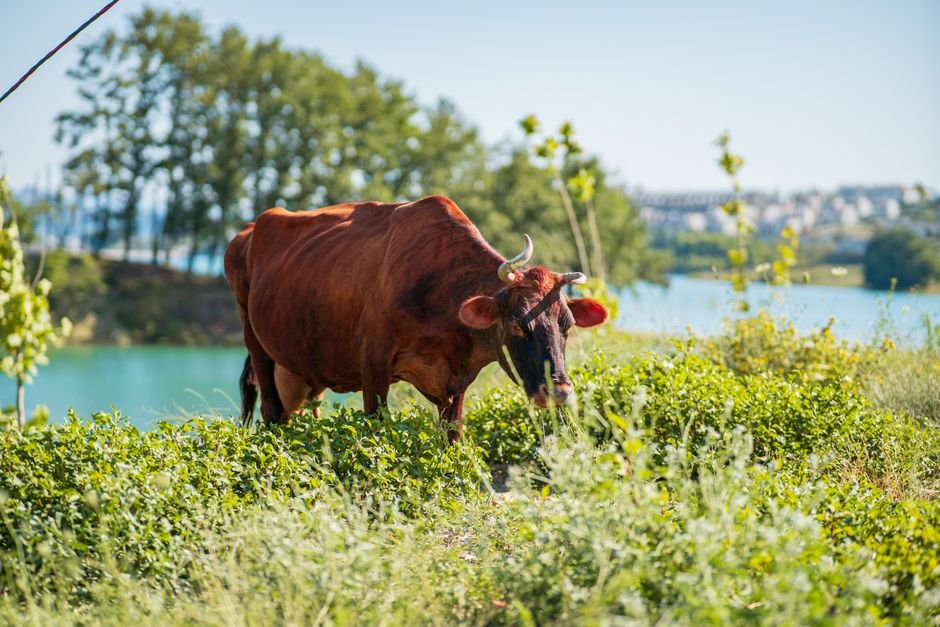
To run a water line to a pasture, start with a buried line from your water source to a frost-safe hydrant, trough, or automatic waterer, using pipe sized for the distance and herd demand. In most farm setups, polyethylene pipe is the easiest material to install, but the right depth, shutoff valves, and freeze protection matter just as much as the pipe itself. A well-planned line keeps cattle watered, reduces hauling, and prevents expensive repairs later.
Plan the route before you buy pipe
The cheapest water line is usually the shortest practical one, but “shortest” should not mean “through the lowest muddy spot” or “where the cows already tear up the fence.” Walk the pasture and mark the route from your water source to the point of use, then look for drainage, traffic, and future equipment access. If you can place the line along a fence line or field edge, you’ll usually make installation and repair easier.
Think through where the cattle will actually drink. A single central trough works for some small pastures, but larger or irregular fields often do better with more than one water point. The University of Nebraska-Lincoln and other extension programs consistently emphasize that livestock should not have to travel excessive distances for water, because long walks reduce grazing efficiency and can create heavy traffic around one spot.
Choose the right pipe and fittings
For most pasture water lines, black polyethylene pipe is a common choice because it is flexible, durable, and easier to snake through uneven ground than rigid PVC. Look for pipe rated for potable water and suitable pressure, often listed as NSF/ANSI 61 compliant. Common farm sizes include 1 inch, 1-1/4 inch, and 1-1/2 inch, though the right diameter depends on length, flow demand, and how many animals may drink at once.
Here is a practical comparison of common options:
| Material | Best use | Main advantage | Main drawback |
|---|---|---|---|
| Polyethylene (PE) | Buried pasture lines | Flexible, fewer fittings, easy to install | Can be damaged if poorly protected at exposed points |
| PVC | Short above-ground or protected runs | Rigid and familiar to many installers | Less forgiving in freezing conditions and impact |
| PEX | Some rural water systems | Flexible and freeze-tolerant in certain setups | Not always the easiest or most cost-effective for long pasture runs |
Use proper compression fittings, barbed fittings, stainless clamps, and a quality tee or elbow where needed. Don’t mix parts randomly; match the fitting to the pipe brand and diameter. A few extra dollars spent on correct fittings is cheaper than digging up a pasture to fix a leak.
Size the line for herd demand and distance
Water demand for cattle varies by class, ration, weather, and lactation stage. Beef cows may drink far more in hot weather than in cool weather, and lactating animals need more than dry cows. Extension sources commonly note that mature cattle can drink roughly 10 to 20 gallons per day or more, with higher needs during heat. That means a pasture with 30 cows can easily need several hundred gallons per day, even before you account for peak drinking periods.
Pipe size matters because friction loss increases as distance grows and diameter shrinks. A line that technically “works” may still deliver water too slowly when several animals drink at once. For longer runs, many producers step up one pipe size rather than risk a weak flow. If you are unsure, ask your local extension office, rural water district, or a pump supplier to estimate flow based on your source pressure, line length, and trough demand.
For more on this, see our related guide: How Many Cows Can You Raise Per Acre in North Carolina? Pasture and Hay Breakdown.
Decide how deep to bury the line
Freeze protection is one of the biggest reasons pasture water lines fail. In colder climates, burying below the local frost line is the safest approach. Frost depth varies widely by region, so check your county extension office, local building department, or utility guidance instead of guessing. In milder areas, a shallower trench may work, but shallow lines are more vulnerable to freezing, machinery, and hoof damage near the surface.
A useful rule is to bury the line deep enough to avoid seasonal freezing and normal farm traffic, then protect the riser or hydrant where the line comes above ground. Even if the pipe itself is buried correctly, exposed sections can freeze fast in a cold wind. If you expect winter use, plan for drainback, insulation, heat tape only where appropriate and code-allowed, or a frost-free stock tank setup. The safest design is the one that does not depend on a power cord to keep livestock watered.
Set up shutoffs, drains, and access points
Every pasture line should have a way to isolate sections. A shutoff valve near the source lets you repair a leak without turning off the entire farm system. In longer layouts, a second valve near the pasture end can make maintenance easier. If the line crosses multiple paddocks, a manifold or branch valves may be worth the extra work so you can service one area without disrupting the others.
Drain points are equally important in freezing climates. A low-point drain or drainback design lets water leave the line when it is shut off. That reduces the chance of trapped water freezing and splitting the pipe. Put access points where you can actually reach them with a shovel, wrench, or repair clamp after a storm. A buried valve under a fence brace or in a swampy corner is a future headache waiting to happen.
Install the line carefully so you do not create weak points
Once the trench is open, bed the pipe in soil free of rocks, sharp roots, and construction debris. A layer of fine soil or sand under and over the pipe helps protect it from puncture. If you use a trencher, watch the spoil pile; rock fragments can fall back into the trench and press against the pipe. At crossings, such as driveways or lanes, use extra cover or protective conduit where needed.
When joining fittings, cut cleanly, seat the pipe fully, and tighten clamps evenly. Pressure-test the system before backfilling completely if possible. That way, if a joint leaks, you can fix it while the trench is still open. Mark the route with tape, posts, GPS points, or a simple map so you can find the line later. The fastest repair is the one you do not have to hunt for.
If you’re also looking into this, our article on 34. Round Bale Feeder: Which Type Wastes the Least Hay and Saves You Money? covers it in more detail.
Choose the right watering point for the pasture
The far end of the line can terminate in a stock tank, a nose pump, a frost-free hydrant, or an automatic waterer. The best choice depends on herd size, climate, and how much labor you want to spend. A simple trough is low cost and easy to clean, while an automatic waterer can reduce overflow and labor but may require more maintenance and a steadier water supply.
Here is a quick comparison of common pasture watering setups:
| Option | Best for | Pros | Cons |
|---|---|---|---|
| Stock tank | Simple, low-cost pasture watering | Easy to understand and repair | Needs regular cleaning and can overflow |
| Frost-free hydrant + trough | Seasonal or flexible use | Simple plumbing and easy service | Manual filling or additional plumbing may be needed |
| Automatic waterer | Labor-saving livestock systems | Consistent water access, less hauling | Higher upfront cost and more parts to maintain |
If you are watering cattle, make sure the drinking area is large enough and easy to approach without crowding. Mud around the tank is a sign the location or drainage needs improvement. A concrete pad, well-graded gravel, or a moved water point can reduce mud and hoof damage.
Common mistakes that cause pasture water lines to fail
One of the biggest mistakes is undersizing the line because the first season seems fine. Another is burying pipe too shallow and assuming a mild winter will continue forever. A third is placing the trough in a low spot where runoff creates mud and contamination. Pasture water systems fail less from exotic problems than from ordinary shortcuts.
Also avoid relying on a single unprotected fitting at the surface, using incompatible pipe and fittings, or skipping a shutoff valve to “save money.” Those savings disappear the first time you have to dig up a leak by hand. If your pasture has rocky soil, livestock pressure, or frequent vehicle traffic, build in more protection than you think you need. Farm water systems are much easier to install correctly than to repair in January.
Step-by-step checklist for installing a pasture water line
If you want a simple order of operations, this sequence works well for many farms:
- Measure the route from the water source to the pasture watering point.
- Confirm local frost depth and any county or utility requirements.
- Select pipe size, fittings, valves, and the watering device.
- Mark the trench line and call for utility location if needed.
- Dig the trench and remove rocks or sharp debris.
- Lay pipe on a clean bed, then connect fittings and valves.
- Pressure-test the line before final backfill.
- Backfill carefully and mark the line for future repairs.
- Install the trough, hydrant, or automatic waterer.
- Monitor the system through the first freeze, drought, or heat wave.
That checklist sounds basic, but it covers the failures that cost the most time. A good pasture line should disappear into the background and let you focus on cattle, not plumbing.
This ties in closely with How Many Cows Per Acre in Missouri? Stocking Rates for Different Pasture Types Explained, worth a look if you want to go deeper.
Frequently Asked Questions
What is the best pipe for running water to a pasture?
For most buried pasture installations, polyethylene pipe is the most practical choice because it is flexible, durable, and easier to install than rigid pipe. Make sure it is rated for potable water and sized for the distance and flow you need.
How deep should a water line be buried in a pasture?
Bury the line below your local frost depth whenever possible. In warmer regions, shallower burial may work, but the line still needs enough cover to protect it from freezing, hoof damage, and farm equipment.
Can I run a pasture water line above ground?
You can, but it is usually best only for temporary setups or protected areas. Above-ground lines are more likely to freeze, get damaged by cattle, or be hit by equipment, so buried pipe is usually the better long-term choice.
How do I keep a pasture water line from freezing?
The most reliable method is burying it below frost depth and using a drainback or shutoff-and-drain design. Frost-free hydrants, insulated risers, and properly placed valves also help, but no above-ground section should be left exposed if you expect hard freezes.
How far can I run a water line to a pasture?
There is no single distance limit. It depends on pipe size, water pressure, elevation change, and how much water your cattle need at peak use. Longer runs usually need larger pipe and more careful planning to maintain good flow.