
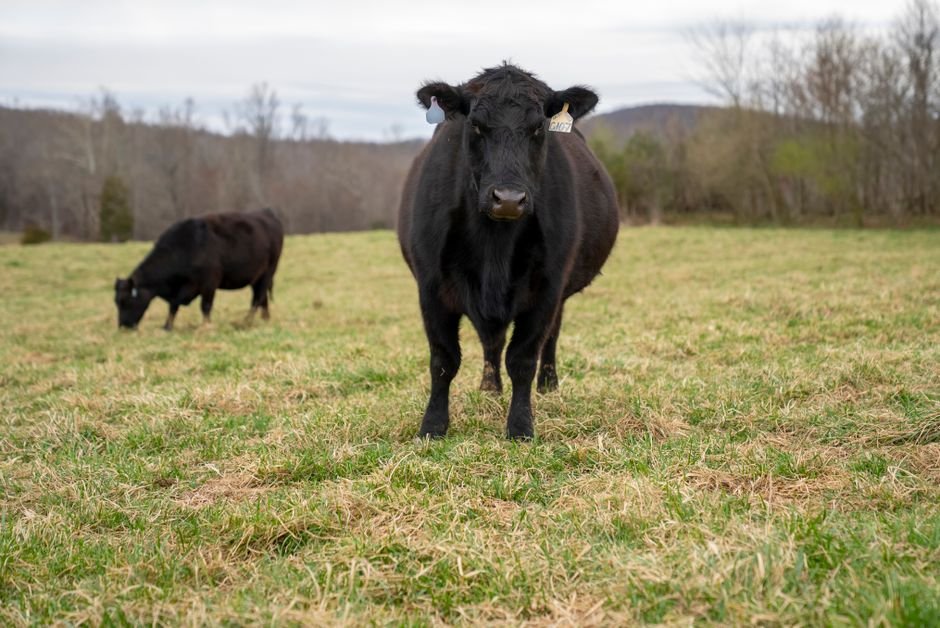
Red Angus and Black Angus are the same breed family, but they differ mainly in coat color and in how some breed registries and beef programs classify them. Black Angus cattle are black-coated Angus, while Red Angus are the red-coated line. In practical terms, both are known for good carcass quality, docility, and maternal traits, but their color affects show rules, registration, and sometimes buyer preference.
What actually separates Red Angus from Black Angus?
The simplest answer is color. Black Angus cattle carry the gene for a black coat, while Red Angus cattle carry the recessive red coat color. Both trace back to the Angus breed developed in Scotland, and both are selected for the same core beef traits: marbling, feed efficiency, and calving ease. If you put a Red Angus and a Black Angus side by side, the visible difference is easy to spot, but the breed differences are smaller than many people assume.
That matters because buyers often talk about them as if they were completely different breeds. In reality, they are two color strains within the broader Angus population. Breed associations, feedyards, seedstock producers, and branded-beef programs may treat them differently for registration or marketing purposes, but the cattle themselves are much more alike than different.
Angus breed background: one breed, two color lines
Angus cattle originated in northeast Scotland and were historically polled, hardy, and naturally black. The Black Angus type became the dominant commercial image of the breed in the United States, especially after Angus genetics spread widely through the beef industry. Red Angus cattle were not a separate breed created from scratch; they are part of the same Angus genetic base, with the red coat color preserved and selected for by breeders.
The American Angus Association registers black-hided Angus cattle, while the Red Angus Association of America registers red-hided Angus cattle. That registry split is one reason people talk about them separately. It is not because one is “more Angus” than the other. It is because the two color groups are managed under different registration systems and marketing channels.
Red Angus vs Black Angus: side-by-side comparison
| Attribute | Red Angus | Black Angus |
|---|---|---|
| Coat color | Red to dark red | Solid black |
| Breed family | Angus | Angus |
| Registry | Red Angus Association of America | American Angus Association |
| Key marketing advantage | Red-hided calves can avoid black-hided discount concerns in some markets | Black hide is strongly associated with Angus-branded beef programs |
| Common reputation | Maternal ability, fertility, easy-keeping cattle | Marbling, carcass quality, strong brand recognition |
| Typical use | Commercial cow-calf herds and seedstock programs | Commercial cow-calf herds, registered seedstock, branded beef supply |
Color genetics: why red and black show up so consistently
The coat-color difference comes from simple genetics. Black is dominant over red in Angus cattle, which means a black-coated animal can carry red genetics without showing it. A red calf appears only when it inherits red from both parents. This is why two black Angus cattle can still produce a red calf if both carry the recessive red gene.
For cattle producers, that matters when breeding for a predictable hide color. If a herd is aimed at a black-hided market, hidden red genetics can still show up unexpectedly. Red Angus breeders, by selecting for red coat color over generations, have maintained a consistent red line. The genetics do not make one animal “better” than the other; they simply control appearance and how calves are classified in certain marketing systems.
For more on this, see our related guide: Proven Tips to Reduce Weaning Stress in Calves During Hot Weather.
Registration and breed association rules are not the same
One of the biggest practical differences between Red Angus and Black Angus is registration. The American Angus Association generally registers black-hided cattle as Angus, while the Red Angus Association of America registers red-hided cattle. That means a calf’s hide color can affect where it is registered and how it is marketed, even if the animal has very similar Angus breeding behind it.

There is also a long history of buyers using hide color as a shorthand for perceived Angus influence. In many commercial settings, black-hided calves have traditionally brought a premium because of their association with Angus-branded beef programs. Red Angus producers have responded by building their own identity around maternal performance and red-hided consistency. If you are buying registered breeding stock, the registry matters. If you are selling feeder calves, the market’s color preference may matter even more.
Do Red Angus and Black Angus perform differently?
In a broad sense, both are selected for the same beef traits, and both can perform very well in commercial herds. Angus cattle are widely valued for marbling, docility, and maternal strength, and those strengths are present in both color lines. Differences in performance usually come more from the individual herd, the genetic program, and management than from coat color alone.
That said, breeders often emphasize different strengths within each line. Red Angus seedstock operations frequently market fertility, calving ease, and maternal traits. Black Angus operations often lean heavily on carcass merit and name recognition in branded-beef channels. Those are breeding and marketing emphases, not hard biological rules. A well-selected Red Angus bull can outperform a poorly selected Black Angus bull, and vice versa.
How the beef market treats them
Market treatment depends on the buyer. In feeder calf sales, black-hided calves have often been rewarded because buyers link them to Angus influence and premium beef programs. Red-hided calves can also sell well, especially when buyers recognize the Red Angus reputation for maternal traits and predictable genetics. The key point is that hide color can influence price signals, even when the underlying beef quality is similar.
If you’re also looking into this, our article on Can Cows Eat Watermelon? How to Safely Feed Cull Fruit to Your Herd covers it in more detail.
In branded beef, Black Angus has the stronger consumer recognition. Names such as Certified Angus Beef helped make “Angus” a powerful label in retail meat marketing. Red Angus does not carry the same mainstream consumer visibility, but it has a loyal breeder following and strong commercial use. For ranchers, the best color choice often comes down to the target market rather than any major difference in meat quality.
Which one should a rancher choose?
If your goal is to raise registered seedstock, the choice may come down to your breeding program, your buyers, and the registry you want to work with. If your goal is commercial calf production, you may care more about which color your local buyers prefer, whether your herd fits a black-hided or red-hided marketing channel, and which bulls improve the traits you need most.
As a rule, choose for structure, fertility, calving ease, disposition, and carcass data first. Color should be a secondary decision unless your market clearly pays for one hide color over the other. A strong Red Angus herd can be a better business choice than a mediocre Black Angus herd, and the reverse is also true. The best cattle are the ones that fit your environment and your buyers.
Common myths about Red Angus and Black Angus
- “Black Angus is a different breed from Red Angus.” Not really. They are both Angus; the major visible difference is coat color and registry classification.
- “Black Angus always brings a premium.” Not always. Premiums depend on the sale barn, buyer demand, and calf quality.
- “Red Angus are only for small herds.” False. Red Angus are used in commercial and seedstock operations of all sizes.
- “Color tells you everything about meat quality.” It does not. Genetics, nutrition, health, and handling matter much more.
Bottom line: the difference is mostly color, registry, and market perception
If you are asking what is the difference between Red Angus and Black Angus, the honest answer is that they are closely related Angus cattle with different coat colors. The most noticeable differences are visual, registry-based, and market-driven. Black Angus has the stronger consumer brand, while Red Angus has a solid reputation for maternal traits and consistency. Both can produce high-quality beef and high-performing calves when bred and managed well.

For most ranchers, the better question is not which color is “better,” but which genetics fit the operation, the climate, and the buyer. That is where the real value is decided.
Frequently Asked Questions
Is Red Angus the same breed as Black Angus?
Yes, in practical terms they are both Angus cattle. The main difference is coat color and how they are registered or marketed. Red Angus is the red-coated line, and Black Angus is the black-coated line.
This ties in closely with 26. Best Cattle Breed for Small Acreage: 10 Top Picks for Efficient Farming, worth a look if you want to go deeper.
Why do black Angus calves often sell for more?
Black hide color has long been associated with Angus-branded beef programs, so some buyers pay a premium for black-hided calves. That premium is market-driven, not a guarantee of better meat or better genetics.
Are Red Angus cattle good for commercial herds?
Yes. Red Angus are widely used in commercial cow-calf operations because they are known for fertility, maternal traits, and docility. Their performance depends more on the individual genetics and management than on coat color alone.
Can two black Angus cattle have a red calf?
Yes. Because black is dominant and red is recessive, two black cattle that both carry the red gene can produce a red calf. That is one reason red calves can still appear in black-based Angus herds.
Which is better for beef: Red Angus or Black Angus?
Neither is automatically better. Both can produce high-quality beef. The better choice depends on your breeding goals, your buyers, and the specific genetics behind the animals.