
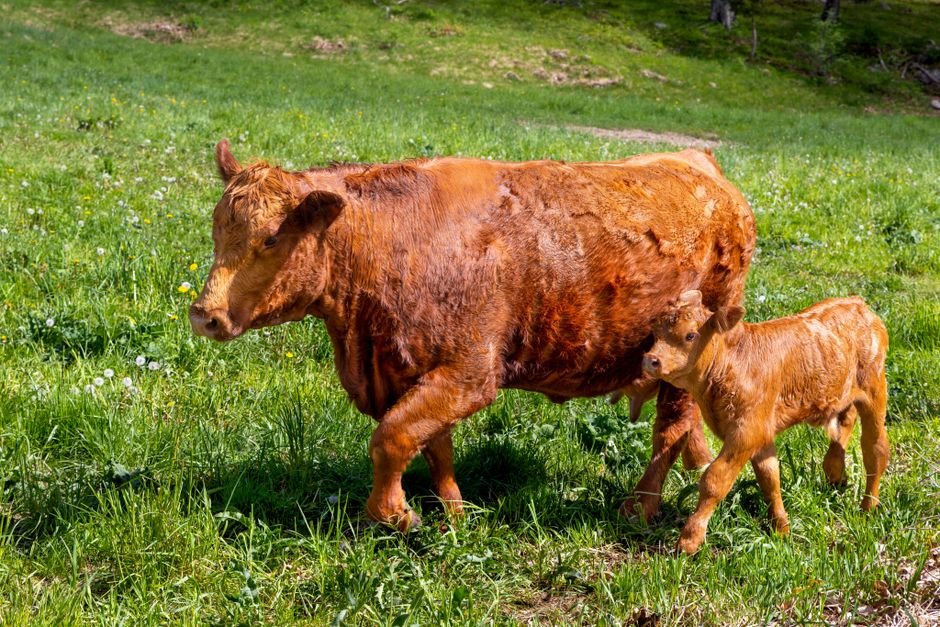
If you want to buy a show calf, start with reputable breeders, breed association sales, and trusted show-cattle auction platforms. Those sources give you the best chance of finding a calf with the genetics, structure, and disposition needed for the ring. Local fairs, 4-H networks, and county breeders can also be excellent if you know how to evaluate the calf in person and verify its background.
Where to buy a show calf without wasting time
The best place to buy a show calf depends on your budget, your experience level, and how much you care about pedigree, halter training, and show-ring potential. A first-time buyer usually does best with a breeder who specializes in show cattle and can explain the calf’s breeding, vaccination history, and daily management. More experienced buyers often shop breed sales, private treaty offerings, and online auctions because they can compare more calves in one place.
What matters most is not the location itself but the quality of the seller. A good seller can tell you the calf’s birthdate, sire and dam, breed registration status, horn or polled status, and whether the calf has been handled enough to lead, tie, and load. If the seller cannot answer those basics clearly, keep looking.
The 7 most practical places to buy a show calf
Some sources are better for beginners, while others suit buyers who already know how to evaluate structure and temperament. Here is a side-by-side look at the most common places people buy show calves.
| Place to buy | Best for | Pros | Watch for |
|---|---|---|---|
| Specialized show-calf breeders | Beginners and serious youth exhibitors | Known genetics, handling help, often more support after the sale | Prices may be higher than at a general livestock sale |
| Breed association sales | Buyers wanting registered calves | Verified pedigrees, organized catalogs, stronger breed representation | Competition can push prices up |
| Private treaty from ranches | Buyers who want to inspect calves before buying | Direct conversation with breeder, flexible negotiation | Quality varies widely by operation |
| Online livestock auctions | Buyers comparing many calves quickly | Wide selection, photos, videos, and bidding access from anywhere | You must judge from video and seller records, not just appearance |
| County fairs and jackpot shows | Local buyers looking for nearby calves | Easy to see calves in person, often good local contacts | Not every calf is for sale, and training levels vary |
| 4-H and FFA networks | Families entering the youth show world | Helpful recommendations, local mentorship, practical advice | Availability depends on your area and season |
| General livestock auctions | Experienced buyers with a sharp eye | Possible bargains, fast buying | Harder to verify breeding, health, and show potential |
1. Specialized show-calf breeders
This is usually the smartest place to start. Breeders who focus on show cattle often raise calves specifically for youth projects and know what buyers need: sound feet and legs, a calm attitude, balanced muscle, and enough growth to finish well. Many also stay involved after the sale by answering feeding, grooming, and fitting questions. That support matters as much as the calf itself.
Ask whether the breeder has raised calves for major shows such as county fairs, state fairs, or junior nationals. If they can point to previous buyers, that is a strong sign they understand what produces a usable show calf rather than just a flashy one in a pen.
2. Breed association sales
Breed association sales are often the best route if you want a registered calf from a known breed such as Angus, Hereford, Shorthorn, Simmental, or Maine-Anjou. These sales usually include a catalog with pedigrees, birthdates, and seller information, which helps you compare calves before you ever step into the barn. For buyers who care about papers and predictable genetics, that is a big advantage.
Because these sales draw serious bidders, prices can rise quickly. Still, they are valuable if you want a calf backed by a recognized breed program and you prefer a more structured buying process than a casual farm visit.
3. Private treaty from a ranch or farm
Private treaty simply means buying directly from the seller rather than through an auction. This can be one of the best ways to buy a show calf because you can look at the calf in its home environment, see the dam or herd, and ask detailed questions about feeding and handling. You may also have room to negotiate price, especially if you are buying early in the season.
For more on this, see our related guide: 24 Best Cattle Breeds for Beginners: Calm, Hardy, and Easy to Manage.
The tradeoff is that quality control is entirely up to you. A polished barn presentation does not guarantee a show calf that will be competitive in the ring. Inspect the feet, topline, hip shape, and overall balance, and do not be shy about asking how much halter work the calf has already had.
4. Online livestock auctions
Online auctions have become a major buying channel for show cattle because they let you compare calves across multiple states without traveling. Good platforms usually provide photos, videos, pedigree information, weight data, and seller contacts. That makes them especially useful if you are searching for a specific breed, color, sex, or birthday window.

Still, buying online requires discipline. A still photo can hide a narrow chest, weak pasterns, or a calf that is simply hard to handle. Watch the walking video, ask for recent pictures, and confirm details like registration status and health protocol before you bid. If the seller refuses to provide basic information, move on.
5. County fairs and jackpot shows
County fairs and jackpot shows can be surprisingly good places to find a show calf, especially if you are new to the local cattle scene. You can see calves in person, talk to exhibitors, and often learn which breeders consistently produce calves that fit your area’s show standards. In many communities, the best leads come from simply asking who bred the calf in the next pen.
The downside is that not every exhibitor is selling, and not every calf is a beginner-friendly choice. Some are already too advanced in age or too broke to match your goals. Use fairs as a place to build contacts and compare types of calves, not just as an impulse-buy opportunity.
6. 4-H and FFA networks
4-H leaders, ag teachers, and FFA advisors often know which families in the area raise dependable show calves. That network can save a lot of time because it connects you with people who understand youth projects, not just cattle production. They may also know which breeders are patient with beginners and which calves are typically easy to handle.
If you are buying your first calf, this network is especially useful for post-purchase support. A good advisor can help you judge whether a calf is age-appropriate for your fair schedule and whether its temperament fits a youth handler. That kind of guidance is hard to replace with online browsing alone.
7. General livestock auctions
General livestock auctions can offer lower prices, but they are the riskiest place to buy a show calf. Calves may be sold with limited background information, mixed groups, or little chance to evaluate them closely before bidding. A bargain calf can end up costing more if it is hard to train, poor on its feet, or not truly show-quality.
If you’re also looking into this, our article on 26. Best Cattle Breed for Small Acreage: 10 Top Picks for Efficient Farming covers it in more detail.
Experienced buyers sometimes find good prospects at these sales, especially if they know local cattle and can spot a calf with strong structure and enough style. For most beginners, though, general auctions should be a backup option rather than the first stop.
What to ask before you buy
Before money changes hands, ask for the calf’s birthdate, breed or crossbreed makeup, sire and dam, vaccination history, and any previous health treatments. If the calf is registered, ask for the papers or proof that they can be transferred. If it is not registered, ask why and whether the seller can still document the breeding.
You should also ask what the calf has been eating and how it has been handled. A calf that is already broke to tie, lead, and load will save you weeks of work. If the seller uses a specific creep feed, hay, or mineral program, write it down so you can transition gradually instead of changing everything at once.
How to judge whether a show calf is worth the price
A good show calf should have more than a pretty face. Look for a level topline, a square hip, adequate depth of body, and correct feet and legs. The calf should move freely without toeing in, toeing out, or appearing stiff from behind. In most show rings, structure matters because it affects how the calf grows and how long it can stay functional.
Temperament matters too. A calf that is overly wild or consistently hard to handle can become a major problem once fitting and showmanship begin. The ideal calf is alert but manageable, with enough presence to stand out without being dangerous or untrainable.

Red flags that should send you home
Walk away if the seller cannot explain the calf’s background, if the calf is coughing, swollen, or obviously unthrifty, or if the animal seems much younger or older than advertised. Be cautious if the calf is sold with vague answers like “it should work” or “someone will make it look good.” That usually means the seller is guessing instead of standing behind the calf.
Also be careful with calves that are extremely thin, very rough-haired out of season, or awkward in motion. Those traits do not always mean the calf is a bad prospect, but they do mean you should slow down and get a second opinion before buying. If possible, bring someone who has raised or fitted show cattle before.
This ties in closely with How Much Water Does a Cow Drink Per Day? A Detailed Guide, worth a look if you want to go deeper.
Best buying strategy by experience level
If you are new, buy from a breeder who will support you after the sale and can explain the calf’s background in plain language. If you already show cattle, you may be ready to shop breed sales and online auctions where the selection is broader and the genetics are more specific. Families with a tight budget may do better looking locally and buying earlier in the season, when there is more time to work with the calf.
The smartest buyers match the source to the goal. A first county-fair project does not need the most expensive calf in the catalog. It needs a healthy, trainable animal with enough quality to keep learning from the experience.
Frequently Asked Questions
What breed is best for a show calf?
Angus, Hereford, Shorthorn, Simmental, and crossbred calves are all common in show programs. The best breed depends on your local show rules, your budget, and the look you want to raise. Crossbred calves can offer flexibility, while registered calves may give you clearer pedigree records and breed-specific classes.
How old should a show calf be when you buy it?
Many buyers look for calves that are young enough to grow into the project but old enough to handle well before the show season. Exact timing depends on your fair date and the division rules. Ask the seller for the birthdate and compare it to your target show so you do not end up with a calf that is too immature or too far along.
Should I buy a steer or a heifer for showing?
For market steer classes, a steer is the right choice. For breeding or prospect heifer classes, a heifer may be appropriate. The right decision depends on the rules of your fair, association, or youth program. Always check class requirements before buying so you do not purchase the wrong sex for your intended show.
Is it better to buy a show calf in person or online?
In person is usually safer for beginners because you can watch the calf move and judge temperament directly. Online can work well if the seller is reputable and provides honest videos, pedigree details, and health information. If you buy online, ask for a live video call or recent footage before bidding.
What papers should come with a registered show calf?
At minimum, you should expect registration information from the breed association, plus enough seller details to transfer ownership correctly. Some sales also provide health records and breeding notes. If the papers are missing or the seller cannot explain how transfer works, do not assume it will be sorted out later.