
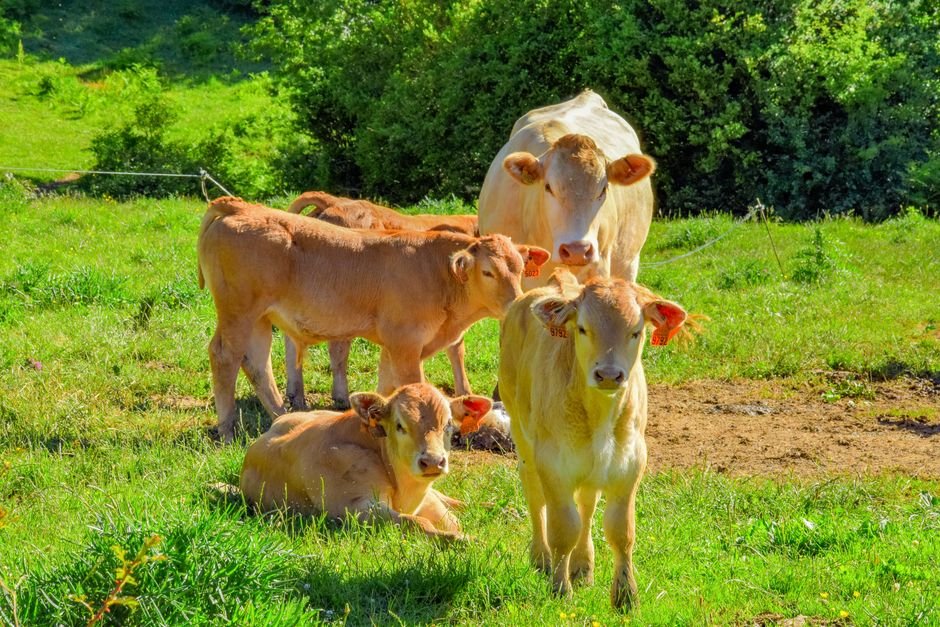
In cattle, gestation means the period a cow is pregnant, from conception until calving. For most cattle, gestation lasts about 283 days on average, though it can vary by breed, calf sex, age of the dam, and nutrition. Knowing the gestation period helps producers time breeding, predict calving, and manage feed, health, and labor more accurately.
What gestation means in cattle
Gestation is the biological term for pregnancy. In cattle, it starts when a fertilized egg implants and ends when the calf is born. The term is used in both beef and dairy herds, and it matters because everything from vaccination timing to pasture moves to dry-off dates depends on where a cow is in pregnancy. If someone asks, “What does gestation mean in cattle?” the simplest answer is: it is the cow’s pregnancy length.
Most cattle breeds carry calves for roughly nine months, but cattle gestation is not identical across every animal. Holsteins, Angus, Herefords, Jerseys, and other breeds can differ slightly, and heifers often calve a little earlier or later than mature cows. That’s why producers usually work with a breeding date and a projected calving window rather than a single exact day.
How long cattle gestation usually lasts
The commonly cited average gestation length for cattle is 283 days, which is about 9 months and 10 days. That figure is a useful planning benchmark, but real pregnancies can run shorter or longer. Many cattle pregnancies fall somewhere in the 279-287 day range, and variations of a week or more are not unusual.
Several factors influence the length of gestation:
- Breed – dairy breeds and beef breeds can differ slightly.
- Calf sex – bull calves are often carried a little longer than heifer calves.
- Parity – first-calf heifers may not follow the same pattern as older cows.
- Nutrition and body condition – poor nutrition can affect reproductive performance overall.
- Individual variation – some cows simply go shorter or longer than the average.
Because of these variables, a breeding record is more useful than a calendar guess. Many herd managers count forward from the breeding date and then watch for signs of nearing calving rather than waiting for one fixed due date.
Gestation vs. estrus, conception, and calving
These reproductive terms are often mixed up, but they describe different stages. Estrus is the heat period when a cow is receptive to breeding. Conception is when fertilization occurs and pregnancy begins. Gestation is the full pregnancy period. Calving is the birth of the calf.
| Term | What it means | Why it matters |
|---|---|---|
| Estrus | Heat period when the cow can be bred | Used to time insemination or bull exposure |
| Conception | Fertilization and start of pregnancy | Marks day zero for gestation tracking |
| Gestation | Time from conception to birth | Guides nutrition, health checks, and calving prep |
| Calving | The cow gives birth | Ends gestation and begins lactation or calf rearing |
Understanding the difference helps avoid management mistakes. For example, a cow in heat is not pregnant yet, while a cow in gestation should be managed as a pregnant animal, especially during the last trimester when fetal growth is rapid and energy demands increase.
For more on this, see our related guide: Proven Tips to Reduce Weaning Stress in Calves During Hot Weather.
Why gestation matters for herd management
Gestation is not just a biology term; it is a working tool for herd planning. Once breeding dates are recorded, producers can estimate calving season, prepare maternity pens, schedule vaccinations, and adjust feed. In dairy herds, gestation timing also affects dry-off management, transition diets, and when a cow is expected to re-enter the milking string after calving.
For beef herds, gestation planning helps synchronize labor and pasture management. A ranch with 50 bred cows due in a narrow window needs different preparation than a herd with calves arriving over several months. Knowing the gestation stage also supports reproductive decisions, such as culling open cows after pregnancy checks or separating late-gestation cows from the main herd to reduce stress.
Veterinary pregnancy diagnosis is commonly done by rectal palpation, ultrasound, or blood tests such as PAG assays (pregnancy-associated glycoproteins), depending on the operation and local veterinary practice. These tools help confirm whether a cow is actually in gestation instead of simply presumed bred.
How gestation affects nutrition and health
A cow’s nutritional needs change as gestation advances. Early pregnancy usually does not require dramatic ration changes, but the last trimester is a different story. The fetus grows rapidly in late gestation, and the cow’s energy, protein, mineral, and vitamin needs rise. Underfeeding during this period can lead to weak calves, poor colostrum quality, or difficult starts after calving.
Body condition score is a practical way to monitor whether a pregnant cow is on track. Many producers aim to keep cows in moderate condition rather than letting them get too thin or too fat before calving. Overconditioned cows can have calving problems, while thin cows may have trouble maintaining themselves and nursing a calf. Common management also includes reviewing mineral programs, especially calcium, phosphorus, selenium, and vitamin A and E, depending on region and forage quality.
Pregnancy stage also influences vaccination timing and parasite control. A veterinarian can help determine which products are appropriate during gestation, since not every vaccine or dewormer fits every stage of pregnancy.
If you’re also looking into this, our article on Can Cows Eat Watermelon? How to Safely Feed Cull Fruit to Your Herd covers it in more detail.
Breeding date, calving date, and the 283-day rule
Most cattle managers use the breeding date to estimate a calving date by adding about 283 days. That estimate is a planning tool, not a guarantee. A cow bred on April 1 would be expected to calve around late January if gestation follows the average, but the actual birth could come several days earlier or later.
Because the estimate is approximate, many farms build in a calving window rather than a single date. That window is especially useful when cows were exposed to bulls over multiple days or when artificial insemination was followed by natural service. Records matter here: the more precise the breeding date, the better the prediction.
Some producers use herd management software, while others rely on wall calendars, breeding charts, or smartphone reminders. Whatever the system, the goal is the same: know which cows are early, mid-, or late-gestation so feed, facilities, and labor are ready when calving begins.
Common misunderstandings about cattle gestation
One common mistake is assuming all cows are pregnant for exactly nine months. That shortcut is close, but not precise enough for herd management. Another misunderstanding is thinking a cow’s size tells you how far along she is. A cow can look “big” for reasons unrelated to pregnancy, including frame size, body condition, or rumen fill.
It is also easy to confuse gestation with lactation. Gestation refers to pregnancy; lactation is milk production after calving. In dairy herds, the two overlap because cows often remain pregnant while still milking. That overlap is one reason dairy reproduction is managed so carefully.
Finally, not every pregnancy goes to term. Early embryonic loss, abortion, or stillbirth can happen for many reasons, including infectious disease, nutrition issues, stress, or genetics. That is why pregnancy confirmation and regular herd observation are important, especially if a cow appears to be open or late.
Frequently Asked Questions
Is gestation the same as pregnancy in cattle?
Yes. In cattle, gestation is the pregnancy period from conception until the calf is born. It is the standard term used in veterinary and livestock management settings.
This ties in closely with 26. Best Cattle Breed for Small Acreage: 10 Top Picks for Efficient Farming, worth a look if you want to go deeper.
How many days are cows pregnant?
Most cows are pregnant for about 283 days on average. Many pregnancies fall a little shorter or longer than that, so producers usually plan around a calving window rather than one exact date.
Do beef cows and dairy cows have the same gestation length?
Both beef and dairy cattle average close to 283 days, but breed, calf sex, and individual variation can shift the actual length slightly. The management difference is usually in how the pregnancy is handled, not in a completely different gestation period.
How can you tell how far along a cow is in gestation?
The most reliable methods are veterinary pregnancy checks such as rectal palpation, ultrasound, or blood testing. Breeding records also help estimate gestation stage, especially when the service date is known.
Why is late gestation so important?
Late gestation is when the fetus grows fastest and the cow’s nutritional needs increase. Good management during this stage supports calf health, calving ease, and the cow’s recovery after birth.
This article is for general information only and is not a substitute for advice from a qualified veterinarian or livestock professional.