
Introduction to Age and Sex Disadvantages in Cattle
In cattle farming, both age and sex play critical roles in determining the productivity, health, and overall management strategies of herds. While these factors are essential for breeding, growth, and meat or milk production, they also come with inherent disadvantages that farmers must carefully navigate. This article provides a detailed examination of the specific drawbacks associated with age and sex differences in cattle, supported by real-world examples and data. Understanding these disadvantages is crucial for optimizing herd management, improving animal welfare, and maximizing economic returns.
Disadvantages of Age in Cattle
1. Declining Productivity with Age
One of the most significant disadvantages of age in cattle is the reduction in productivity, particularly in dairy cows and breeding stock. For dairy cows, peak milk production typically occurs between 3 and 6 years of age. After this period, milk yield tends to decline sharply. According to the National Dairy Herd Information Association (NDHIA), a dairy cow’s milk production drops by approximately 5-7% annually after her fifth lactation.
Moreover, this decline in milk production is often accompanied by changes in milk composition. Studies have shown that older cows tend to produce milk with higher somatic cell counts and altered fat and protein percentages, which can affect milk quality and processing suitability. This poses challenges for dairy processors and can result in penalties or reduced prices for producers.
In beef cattle, age also influences carcass quality. Younger animals typically produce more tender meat with better marbling compared to older cattle, whose meat can become tougher and less desirable to consumers. This factor affects marketability and price realization for older animals.
2. Increased Health Issues in Older Animals
Older cattle are more prone to health problems, including joint issues such as arthritis, dental wear, and reduced immune response. For instance, dental degradation in older cows can lead to inefficient feed intake, resulting in poor weight gain or milk production. In extreme cases, severe dental wear can necessitate early culling.
Lameness is a pervasive issue in aging cattle, especially in dairy herds. Studies estimate that lameness affects up to 20% of dairy cows over five years old, negatively impacting welfare and farm productivity. Lame cows often show reduced mobility, leading to decreased feed intake and lower milk yields. Additionally, lameness increases the risk of secondary infections and can complicate reproductive performance.
Older animals also exhibit diminished immune function, making them more susceptible to infectious diseases such as bovine respiratory disease and mastitis. This immunosenescence increases the need for veterinary interventions and prophylactic treatments, adding to farm expenses.
3. Reproductive Challenges with Age
Breeding efficiency declines with age, especially in females beyond 6 years. Older cows often experience longer intervals between calves, lower conception rates, and higher rates of pregnancy loss. Data from the University of Wisconsin indicates conception rates drop from 60% in cows aged 2-3 years to below 40% in cows aged 7 and older.
In addition to lower conception rates, older cows have an increased risk of calving difficulties, including dystocia and stillbirths. These reproductive complications not only affect the welfare of both cow and calf but also impose labor and veterinary costs on the farm. The calving interval often extends in older cows, resulting in fewer calves over the animal’s productive lifetime.
Moreover, embryonic loss and early fetal death rates tend to increase with maternal age, partly due to declining oocyte quality and uterine environment. These reproductive inefficiencies contribute to reduced herd replacement rates and complicate herd genetic improvement efforts.
4. Economic Impact of Maintaining Older Cattle
Older cattle generally require more intensive veterinary care, feed, and management, which increases operational costs. They are also less feed-efficient, meaning they convert less feed into meat or milk compared to their younger counterparts. This inefficiency can strain farm resources and reduce overall profitability.
For example, feed conversion ratios (FCR) deteriorate as cattle age, with older animals requiring up to 15% more feed for the same weight gain or milk output. This translates to increased feed expenses, which are often the largest cost component in cattle operations.
For more on this, see our related guide: The Essential Guide to Understanding Cattle Registration Certificates.
Furthermore, older cattle are more prone to chronic conditions that necessitate ongoing treatment, such as hoof trimming, arthritis management, and parasite control. These increased health care costs must be carefully weighed against the diminishing returns from older animals to make economically sound culling decisions.
Disadvantages of Sex in Cattle
1. Male Cattle: Management and Behavioral Challenges
Male cattle, especially bulls, present unique disadvantages due to their aggressive behavior, higher maintenance costs, and health risks. Bulls require specialized handling facilities and skilled personnel to ensure safety. Aggression can lead to injuries among animals and handlers, raising concerns about workplace safety and animal welfare.
Additionally, intact males tend to be more territorial and competitive, which can result in increased stress levels and injury from fighting, especially in confined or overcrowded conditions. This aggression not only jeopardizes animal welfare but also complicates herd management logistics and increases labor demands.
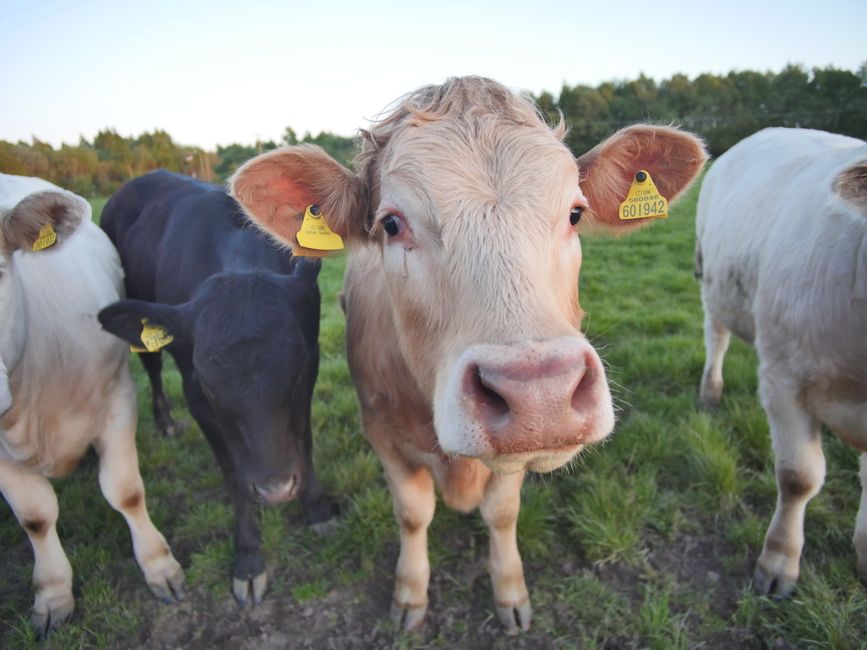
Moreover, intact males tend to grow slower than castrated males (steers) when raised for beef, as hormone levels affect muscle development and fat deposition. Bulls typically deposit leaner meat with less marbling, which can be less desirable in certain markets. The slower growth rate translates to longer feeding periods and increased costs. However, it is important to note that intact males can reach heavier mature weights and may be preferred in some breeding programs or niche markets.
Castration itself presents management challenges, including stress responses and potential complications if not performed properly at an early age. Timing and technique of castration can significantly influence growth performance and animal welfare.
2. Females: Reproductive and Health-Related Drawbacks
While females are valuable for breeding and milk production, they face reproductive risks such as dystocia (difficult births), retained placentas, and mastitis. For example, mastitis affects 20-30% of dairy cows worldwide and causes substantial economic losses estimated at $200-$300 per case due to treatment, reduced milk yield, and discarded milk.
In addition to mastitis, reproductive tract infections and uterine health disorders are common in females, particularly following difficult calving. These conditions can delay the return to estrus and compromise fertility.
Moreover, female cattle in poor body condition pose challenges in rebreeding, leading to extended calving intervals and loss of productivity. Nutritional demands related to gestation and lactation require careful management to prevent negative energy balance, which is associated with metabolic diseases such as ketosis and fatty liver syndrome.
The management of replacement heifers also demands significant investment in terms of nutrition, health, and breeding strategies to ensure they reach optimal size and fertility. Delays or failures in heifer development can impact herd productivity and profitability over the long term.
3. Sex-Related Market Value Differences
Market preferences and values vary by sex, influencing the economic feasibility of raising certain cattle. For instance, steers typically command higher prices in beef markets due to better meat quality and marbling compared to bulls or heifers. Their more uniform growth and predictable carcass traits make them favored in commercial beef production.
If you’re also looking into this, our article on Essential Cattle Terminology: A Beginner’s Guide to Understanding and Managing Your Herd covers it in more detail.
Conversely, heifers may have value as future breeding stock, but this requires longer investment periods and increased management. Heifers are often priced lower in feeder markets compared to steers, reflecting their lower growth rates and reproductive potential rather than immediate meat yield.
In some markets, intact bulls may fetch premium prices for breeding purposes, but this niche demand is limited. Additionally, the risks associated with managing bulls often outweigh their market value benefits in commercial production systems, prompting many producers to focus on steers and heifers.
Sex-related differences also impact transportation and marketing logistics. For example, mixing bulls with other cattle during transport can increase stress and injury risk, requiring separate handling and increasing costs.
Comparative Table of Age and Sex Disadvantages in Cattle
| Factor | Primary Disadvantages | Impact on Productivity | Management Considerations |
|---|---|---|---|
| Age (Young vs. Old) |
|
|
|
| Sex (Male vs. Female) |
|
|
|
Real-World Examples: Age and Sex Impacting Cattle Operations
Dairy Farm Case Study: A mid-sized dairy operation in Wisconsin reported that cows over 7 years produced 25% less milk compared to their peak production years, leading to a strategic culling program that focused on replacing older cows with younger, higher-yielding heifers. This initiative improved overall herd profitability by 15% within two years.
In addition to milk volume improvements, the farm implemented a herd health monitoring system emphasizing early detection of lameness and mastitis in older cows. This reduced somatic cell counts by 10% across the herd and decreased veterinary costs by 18%. The farm also adopted nutritional interventions for older cows, such as feed additives targeting joint health and rumen function, which contributed to improved longevity and comfort in the milking herd.
Beef Production Example: A feedlot in Texas noted that intact bulls required 10-15% more feed to reach market weight compared to steers. Additionally, the facility experienced increased injury rates among handlers when managing bulls, prompting a shift toward castration at an early age to reduce aggression and improve feed efficiency.
The feedlot also observed that bulls’ carcasses had lower marbling scores, which affected grading and sale prices. By castrating bulls before weaning, the operation improved average daily gains by 8% and reduced feed costs by 12%. Safety training and facility upgrades, including the installation of bull-proof handling pens and chutes, further enhanced worker safety and animal welfare.
Furthermore, the operation experimented with using hormone growth promotants in steers but avoided them in bulls due to regulatory restrictions and behavioral concerns, underscoring the need for sex-specific nutrition and management protocols.
Strategies to Mitigate Disadvantages of Age and Sex
Optimizing Herd Age Structure
Maintaining a balanced herd age structure helps optimize productivity and minimize the disadvantages of aging. Strategic culling based on productivity metrics, health status, and genetic potential can ensure that older, less productive cattle are replaced timely.
Producers can implement herd records and performance tracking software to monitor individual animal performance, enabling data-driven decisions on when to cull or retain animals. This approach prevents overextending the productive life of cattle, which can lead to economic inefficiencies.
Additionally, planned heifer development programs are essential to ensure a steady supply of replacement animals to avoid gaps in productivity caused by premature culling of older cows.
This ties in closely with Essential Cattle Handling, Feeding, and Health Equipment for Every Herd, worth a look if you want to go deeper.
Sex-Specific Management Practices
Implementing sex-specific management techniques—such as early castration of males to reduce aggression and improve growth rates, and focused reproductive health programs for females—can mitigate many challenges associated with sex differences.
For males, proper timing and method of castration minimize stress and risk of complications. Some producers use immunocastration as an alternative to surgical methods, which has been shown to improve animal welfare outcomes while maintaining growth performance.
For females, reproductive health programs may include synchronization protocols, regular pregnancy checks, and nutritional support during critical periods such as pre-breeding and early lactation. Prophylactic measures against mastitis, including teat dipping and milking hygiene, help reduce incidence rates and improve milk quality.
Behavioral management tailored to sex, such as separate grouping of bulls and females or providing environmental enrichment, can reduce stress and injury risks.
Health Monitoring and Veterinary Care
Regular health screenings and preventive care reduce the incidence of age- and sex-related diseases. For example, routine mastitis screening in females and lameness prevention in older cattle can substantially improve herd health and profitability.
Implementing herd health protocols, including vaccination, parasite control, and body condition scoring, allows early intervention and reduces disease outbreaks. Technological advances such as activity monitors and automated health detection systems can identify early signs of illness or reproductive issues, facilitating timely management.
Nutrition plays a key role in mitigating health problems. Supplementing diets with joint-supporting nutrients like glucosamine or omega-3 fatty acids can improve mobility in older cattle, while targeted mineral supplementation supports reproductive health and immune function across sexes and ages.
Conclusion
Age and sex are undeniable factors influencing the management, health, and productivity of cattle herds. While they carry distinct disadvantages—ranging from declining productivity and health issues in older animals to behavioral and reproductive challenges related to sex—understanding these limitations enables farmers to devise targeted strategies. Effective management that addresses the unique needs of cattle based on their age and sex can improve overall herd performance, animal welfare, and farm profitability.
By leveraging data-driven decision-making, adopting appropriate health and nutrition programs, and implementing sex-specific handling and reproductive protocols, producers can mitigate the drawbacks associated with these biological factors. Ultimately, integrating these strategies into comprehensive herd management plans will support sustainable and profitable cattle production systems.