
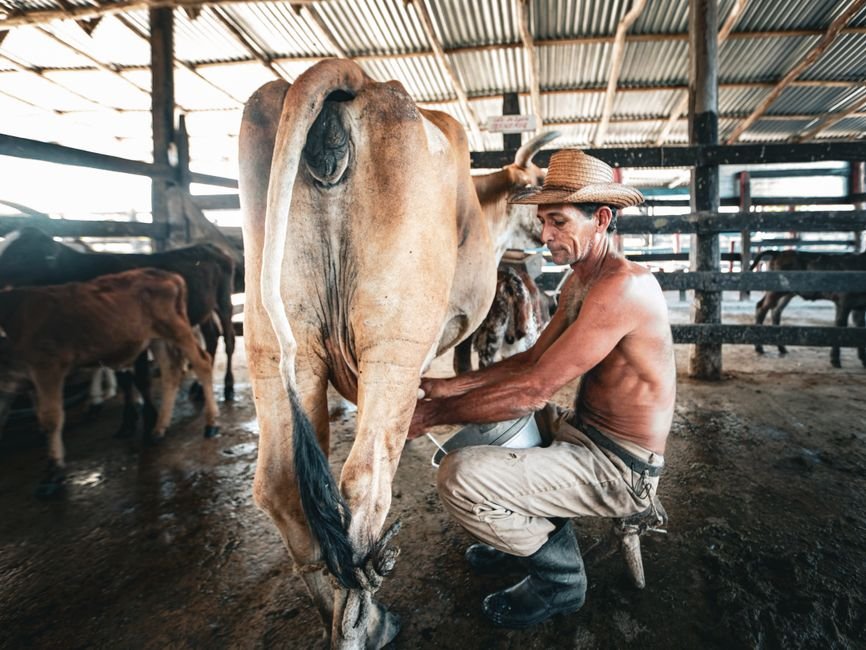
What Does a Farmhand on a Cattle Farm Actually Do?
A farmhand on a cattle farm is responsible for a wide range of hands-on tasks that keep the herd healthy, the facilities operational, and the farm running smoothly. Their daily duties include feeding and watering cattle, monitoring animal health, maintaining fences and equipment, assisting with calving, and helping manage pasture rotation. Essentially, they are the backbone of everyday cattle farm operations. Beyond these core responsibilities, farmhands often adapt to seasonal demands, contribute to recordkeeping, and support sustainability practices that promote long-term farm viability. Their role requires a versatile skill set and a willingness to engage physically and mentally with both the animals and the land.
Daily Animal Care: Feeding, Watering, and Health Monitoring
One of the most visible duties of a cattle farmhand is caring for the animals directly. This starts with feeding the herd, which may include distributing hay, silage, or grain depending on the farm’s management system and the cattle’s nutritional needs. For example, a beef cattle farm raising Angus or Hereford breeds typically feeds a mix of pasture grass and supplemental grain during winter months to maintain weight. Farmhands must understand the nutritional requirements of different cattle at various life stages—calves, heifers, bulls, and mature cows—to ensure adequate growth and productivity. This could involve weighing feed portions, preparing mineral supplements, or adjusting rations based on weather or pasture quality.
Water management is equally critical. Farmhands ensure clean, fresh water is available, often checking automated watering systems like those from brands such as Ritchie or Zimmatic for proper function. These systems can include heated water troughs to prevent freezing in cold climates, which is essential to maintaining adequate hydration year-round. In some cases, farmhands may also be responsible for testing water quality to prevent contamination that can lead to cattle illnesses. Monitoring animal health is another core task: this includes spotting signs of illness such as lameness, respiratory issues, or digestive disturbances and reporting them to the farm manager or veterinarian promptly. Farmhands often perform routine health screenings, including checking temperature, pulse, and respiratory rates, and may assist in administering vaccinations or medications under supervision.
Handling Calving and Breeding Support
Calving season requires extra attention from farmhands. They assist with monitoring pregnant cows, identifying when a cow is in labor, and helping with difficult births under supervision. Common procedures include providing clean bedding, assisting with pulling calves if necessary, and ensuring newborn calves receive colostrum within the first few hours. This is critical for calf immunity against diseases and can significantly reduce mortality rates. Farmhands might also be involved in routine calf care such as tagging, dehorning, castration, and administering vitamin injections to boost health during early development.
Farmhands may also assist with artificial insemination or heat detection, depending on the farm’s breeding program, often using tools like heat detection patches or activity monitors such as CowManager tags. These technologies allow for more precise breeding schedules and improved herd genetics. In some operations, farmhands help with natural breeding by managing bulls during the breeding season and ensuring cows are properly observed for signs of estrus. Knowledge of reproductive cycles and behavior is essential for timing interventions and maximizing conception rates.
Maintaining Fences, Gates, and Infrastructure
A vital part of a farmhand’s role is maintaining the physical infrastructure that keeps cattle safe and contained. This involves repairing fences—whether barbed wire, woven wire, or electric fencing—checking that gates close properly, and ensuring that water troughs and feeders are in good condition. Broken fences risk cattle escape, which can lead to losses or injuries, as well as legal liabilities if animals wander onto neighboring properties or roads. Farmhands may use specialized tools such as post drivers, wire strainers, and voltage testers to maintain and troubleshoot electric fences, ensuring optimal performance and animal safety.
For more on this, see our related guide: 26. Best Cattle Breed for Small Acreage: 10 Top Picks for Efficient Farming.
Farmhands also maintain cattle handling facilities including squeeze chutes, corrals, and loading ramps. Properly functioning handling equipment minimizes stress and injury during vaccinations, weighing, or transport. Regular lubrication, welding, and cleaning help extend the lifespan of these structures. Additionally, farmhands may oversee improvements or modifications to make facilities more efficient or safer for both cattle and workers—for example, installing non-slip flooring, improving lighting, or redesigning chute angles to reduce animal anxiety.
Operating and Maintaining Farm Equipment
Farmhands frequently operate machinery critical to cattle farm operations. This includes tractors for feeding and cleaning, ATVs for pasture inspection, and sometimes skid steers or loaders for manure removal or feed distribution. Regular maintenance like oil checks, tire inspections, and cleaning machinery extends equipment life and prevents downtime during busy periods. In some regions, farmhands must be skilled in calibrating feed mixers to ensure a consistent and balanced diet for the herd. They may also operate grain augers, bale wrappers, or irrigation systems as needed.

For example, feeding silage may require a tractor with a front-end loader attachment, while pen cleaning might involve a skid steer with a bucket. Farmhands must follow safety protocols and often need a forklift or tractor certification, depending on state regulations. Knowledge of basic troubleshooting and small engine repair is highly valuable, allowing farmhands to address minor mechanical issues quickly and keep operations running smoothly. Seasonal equipment preparation, such as winterizing machinery or preparing sprayers for fly control, is also part of their duties.
Pasture and Herd Management Assistance
Pasture rotation plays a big role in cattle health and farm sustainability. Farmhands help implement grazing plans by moving cattle between paddocks to prevent overgrazing, reduce parasite buildup, and promote regrowth. Effective rotational grazing can increase pasture productivity by up to 30%, improve soil health, and reduce feed costs. Farmhands monitor pasture conditions closely, noting weed infestations or damaged areas that require reseeding or fencing adjustments. They may also assist in soil testing and fertilization efforts to optimize forage quality.
Additionally, farmhands assist in herd recordkeeping, tracking vaccinations, weights, breeding dates, and growth rates. Many farms use livestock management software like CattleMax or AgriWebb to maintain accurate records, and farmhands may be tasked with data entry or reporting. Accurate recordkeeping is essential for health management, performance monitoring, and regulatory compliance. Farmhands may also help prepare reports for insurance or certification purposes, such as organic or animal welfare audits.
If you’re also looking into this, our article on 33 Best Cattle Breeds for Grass Fed Beef: Top Picks for Small Farms covers it in more detail.
Seasonal Tasks and Emergency Response
Seasonal changes bring specific responsibilities. In winter, farmhands must ensure water sources do not freeze and that cattle have adequate shelter or windbreaks. This might involve breaking ice on water troughs several times a day or setting up heated waterers. They also ensure that feed supplies are sufficient during periods when natural forage is limited. Summer may involve extra attention to fly control using sprays or traps and monitoring for heat stress, which can reduce cattle feed intake and productivity. Farmhands might set up shade structures, provide electrolyte supplements, or adjust feeding schedules to cooler parts of the day.
Emergency response is another critical aspect. Farmhands must react promptly to animal injuries, equipment failures, or weather events like storms that threaten fencing or cattle safety. For example, during floods or wildfires, farmhands assist in relocating cattle to safer areas, reinforcing fences, or providing emergency feed and water. In cases of injury or illness, rapid first aid—such as wound cleaning or stabilizing a fallen animal—can be vital until veterinary care arrives. Effective communication skills and a calm demeanor under pressure are necessary traits for managing these unpredictable situations.
Skills and Qualifications Needed for a Farmhand on a Cattle Farm
While formal qualifications aren’t always required, successful farmhands typically possess a strong work ethic, practical knowledge of livestock behavior, and mechanical aptitude. Many gain experience through apprenticeships, vocational agricultural programs, or on-the-job training. Basic knowledge of veterinary practices such as administering vaccinations or identifying illness is highly beneficial. Some farmhands pursue certifications in animal welfare, pesticide application, or machinery operation to enhance their skills and career prospects.

Physical fitness is essential due to the demanding nature of lifting, walking long distances, and working outdoors in varying weather. Familiarity with safety standards set by organizations like the National Cattlemen’s Beef Association (NCBA) helps minimize risks. Farmhands also benefit from interpersonal skills since they often work closely with farm managers, veterinarians, and other staff. Adaptability, problem-solving abilities, and patience are equally important in handling both animals and complex farm equipment.
Typical Daily Schedule of a Cattle Farmhand
| Time | Task | Details |
|---|---|---|
| 5:30 AM | Check and feed cattle | Distribute hay/grain, check water troughs (including ice removal in winter), observe herd health including any signs of distress or illness; record observations for manager |
| 8:00 AM | Maintenance and repairs | Fence repairs, equipment checks including oil levels and tire pressure on tractors and ATVs, pasture inspections for overgrazing or weed problems, minor soil testing or reseeding as needed |
| 11:00 AM | Assist with breeding or calving | Monitor pregnant cows, help with births (pulling calves, cleaning, ensuring colostrum intake), tagging and early calf care, updating breeding and health records using software tools |
| 1:00 PM | Lunch break | Rest and prepare for afternoon work; review schedules or training materials if needed |
| 2:00 PM | Move cattle to next pasture | Assist with rotational grazing plans based on forage availability, repair gates if needed, monitor cattle behavior during movement to reduce stress |
| 4:30 PM | Evening feed and final health check | Provide supplemental feed, ensure water troughs are filled and functioning, final observation of cattle for injury or sickness, prepare reports for the day’s activities |
Frequently Asked Questions
What breeds of cattle are farmhands most likely to work with?
Farmhands on cattle farms commonly work with beef breeds such as Angus, Hereford, Charolais, and Simmental. These breeds are chosen for their meat quality, adaptability, and growth rates. For example, Angus cattle are prized for their marbled beef, while Charolais are known for rapid weight gain and muscle development. Dairy farmhands, in contrast, handle breeds like Holstein, Jersey, or Guernsey, which are selected for milk production, butterfat content, and temperament. Each breed requires slightly different care based on its purpose, behavior, and environmental adaptations—for instance, Jerseys are smaller and more heat tolerant, while Holsteins require ample feed to maintain high milk yield.
This ties in closely with How Much Does It Cost to Raise a Cow? Breaking Down Expenses Year by Year, worth a look if you want to go deeper.
Do farmhands need formal training in animal health?
Formal veterinary training is not usually required but beneficial. Many farmhands learn on the job or attend agricultural courses that cover animal health basics, first aid, and vaccination protocols. Some farms sponsor training programs or certifications in livestock health to improve employee expertise. Knowledge of signs of common diseases—such as bovine respiratory disease, foot rot, or mastitis—helps them alert managers or vets early. Additionally, understanding biosecurity protocols to prevent disease spread is increasingly important, especially on large or commercial operations.
How physically demanding is the job of a cattle farmhand?
The role is physically demanding, requiring lifting, walking long distances, operating machinery, and working in all weather conditions. Farmhands often work 10-12 hour days, especially during calving or harvest seasons. Tasks such as moving heavy bales of hay, fencing repairs, and assisting with difficult births require strength and endurance. Exposure to extreme temperatures, dust, mud, and insects makes personal protective equipment (PPE) and strong health resilience important. Many farmhands develop high levels of fitness over time but must also be cautious to avoid repetitive strain injuries.
What tools and equipment are essential for a cattle farmhand?
Essential tools include fencing pliers, wire stretchers, livestock handling equipment like halters and squeeze chutes, and personal protective gear such as gloves, boots, and helmets. Farmhands regularly operate tractors, ATVs, and may use electronic herd management devices such as RFID readers or ear tag scanners. Other common equipment includes deworming guns, syringes for vaccinations, and fly control sprays. Familiarity with GPS and farm management software is also becoming increasingly important as technology advances in agriculture.
Can farmhands advance to management roles on cattle farms?
Yes, experienced farmhands who develop leadership skills and a deep understanding of cattle operations often advance to supervisory or ranch manager roles, overseeing larger segments of the farm or entire operations. This progression typically requires strong communication skills, problem-solving abilities, and business acumen, as managers must coordinate labor, budgeting, and compliance with regulations. Some pursue further education in agricultural science, animal husbandry, or farm management to support career growth. With increasing consolidation in the agriculture industry, farmhands who can combine practical experience with technical knowledge are in high demand for advanced roles.