
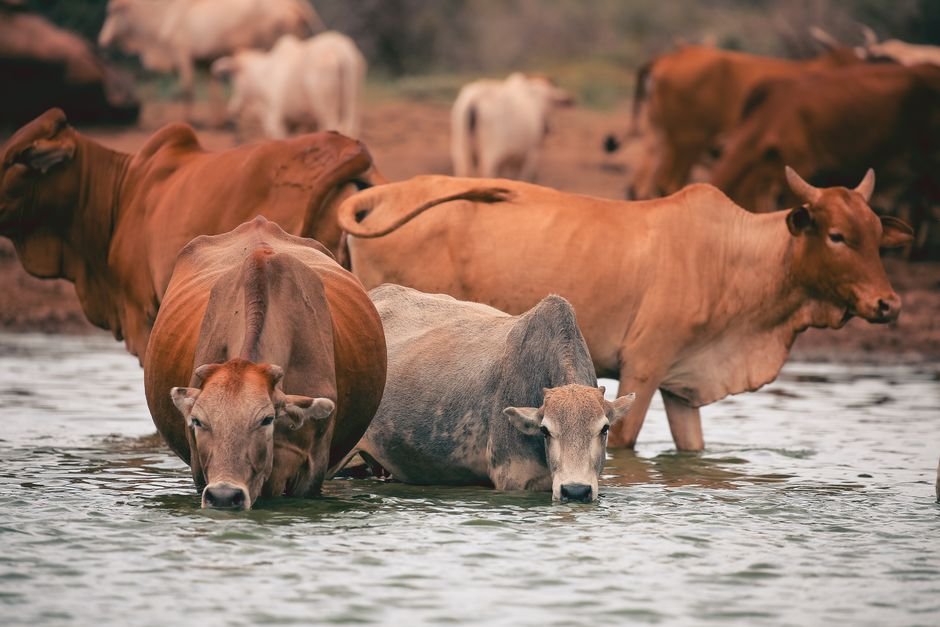
How Much Water Does a Cow Drink Per Day?
On average, a cow drinks between 30 to 50 gallons (114 to 190 liters) of water daily. This amount varies based on factors such as the cow’s size, breed, diet, environmental temperature, and stage of production (e.g., lactating vs. dry). For instance, high-producing Holstein dairy cows can consume up to 50 gallons per day, while beef cattle typically drink less, around 30 gallons. Water intake is essential for digestion, milk production, and overall health.
To put this into perspective, the daily water consumption of a single lactating Holstein cow can be equivalent to the average water usage of a small household. This substantial water requirement underscores the importance of proper water management on farms, especially in regions where water resources are limited or during drought periods. Additionally, the form in which water is provided—whether through troughs, tanks, or natural sources like ponds—can influence how much a cow drinks and the frequency of intake.
Factors Influencing Daily Water Consumption in Cows
Water intake in cows isn’t static; it shifts with multiple variables. Understanding these factors helps farmers manage cattle hydration better, ensuring productivity and welfare.
1. Breed and Size
Larger breeds require more water. Holsteins, a common dairy breed, can weigh over 1,500 pounds and drink up to 50 gallons a day. Conversely, Angus beef cattle, usually smaller at around 1,200 pounds, typically drink 30-40 gallons. The metabolic demands of the breed impact water needs.
Beyond just weight, breed-specific metabolic rates affect water requirements. For example, Jerseys, known for their efficient milk production despite smaller size, still consume a significant volume of water relative to their body weight. Furthermore, genetic selection and breeding for higher milk yields have gradually increased water needs over recent decades, necessitating adjustments in water provision strategies. Breeds adapted to arid or semi-arid environments, such as the Brahman, may have physiological adaptations allowing them to conserve water better, though they still require adequate hydration, especially under heat stress.
2. Lactation Status
Lactating cows dramatically increase water intake to support milk synthesis. According to the National Research Council (NRC) guidelines, a cow producing 70 pounds of milk daily may require 40-50 gallons of water or more. Non-lactating or dry cows need substantially less.
Milk is composed of approximately 87% water, so the volume of milk produced directly dictates the hydration needs of a cow. During peak lactation, water intake can be up to three times greater than that of a non-lactating cow. Additionally, water intake influences not only the quantity but also the quality of milk, affecting components such as fat and protein content. Studies have shown that insufficient water availability can reduce milk yield by up to 17%, highlighting the critical nature of water for dairy operations. Furthermore, early lactation cows undergoing metabolic stress require vigilant water management to prevent disorders such as ketosis and hypocalcemia.
3. Environmental Temperature and Climate
Heat stress raises a cow’s water demand. On hot days (above 80°F/27°C), water intake can surge by 20-30%. In colder climates, cows drink less but still require sufficient hydration to maintain body functions.
Heat stress not only increases water needs but also impacts feeding behavior and overall metabolism. Cows may reduce feed intake during heat stress, diminishing nutrient uptake and milk production, making adequate water supply even more critical. Research from the University of Florida indicates that water consumption increases by an average of 0.2 gallons for every degree Fahrenheit above 77°F (25°C). In humid environments, evaporative cooling is less effective, intensifying heat stress and further elevating water consumption. Conversely, during winter months, water intake declines, but if water sources freeze or become inaccessible, cows may suffer dehydration. Proper infrastructure to prevent freezing, such as heated waterers or insulated troughs, is essential in cold regions to maintain steady consumption.
For more on this, see our related guide: Proven Tips to Reduce Weaning Stress in Calves During Hot Weather.
4. Diet Composition
Cows consuming dry, high-fiber feed need more water than those eating fresh pasture or silage, which contain higher moisture. For example, diets based on dry hay can increase water consumption by 10-25% compared to wetter feeds.
The moisture content of feed significantly influences water intake. Fresh pasture and silage can contain 50-70% moisture, reducing the need for supplemental water. In contrast, dry hay may have moisture levels as low as 10-15%, requiring cows to consume more drinking water to aid in digestion and rumen function. High grain diets can also affect water consumption; because grains are low in water and can increase metabolic heat production, cows on such diets often require additional water to maintain rumen health and prevent acidosis. Additionally, salt and mineral supplementation can increase water demand, as cows will drink more to balance electrolyte concentrations. Understanding the nutritional makeup of feed and its impact on hydration is crucial for precise water management.
Typical Water Intake by Breed and Production Stage
| Breed | Average Weight (lbs) | Production Stage | Approximate Water Intake (gallons/day) | Notes |
|---|---|---|---|---|
| Holstein (Dairy) | 1,500+ | Lactating | 40-50 | High milk yield increases water need |
| Holstein | 1,500+ | Dry | 20-30 | Lower water due to no milk production |
| Angus (Beef) | 1,200 | Growing/Finishing | 25-35 | Less water than dairy breeds |
| Hereford (Beef) | 1,200-1,300 | Adult | 30-40 | Moderate water consumption |
| Jersey (Dairy) | 1,000-1,200 | Lactating | 30-40 | Smaller size but still significant intake |
These averages provide a useful baseline, but individual water consumption can deviate based on specific management practices and environmental conditions. For example, herds grazing on drought-affected pastures may increase water intake to compensate for reduced forage quality. Additionally, crossbred animals or those with dual-purpose roles may fall between these ranges, necessitating farm-specific monitoring.
How to Ensure Adequate Water Supply for Cattle
Providing clean, accessible water is critical. Cows typically drink 8-10 times per day in short sessions, so waterers must be plentiful and maintained regularly. Consider these best practices:
- Waterer Design: Automatic waterers with adjustable flow, like those from brands such as BouMatic and Ritchie, ensure constant supply and reduce contamination risks. Some modern waterers are equipped with sensors that detect usage patterns, helping farmers identify when water consumption drops, potentially signaling health issues or equipment failures.
- Placement: Locate water sources close to feeding areas to encourage intake and reduce time spent walking. Spacing water stations evenly in large pastures reduces competition among animals and prevents dominant individuals from restricting access to others. Additionally, shaded water sources help maintain cooler water temperatures, increasing palatability on hot days.
- Water Quality: Testing for contaminants, bacteria, and temperature extremes is essential. Water should be fresh, with temperatures ideally between 45°F and 70°F (7°C to 21°C). Regular testing for nitrates, sulfates, and coliform bacteria is recommended, especially in regions relying on well water or natural water bodies. High mineral content or contamination can reduce water consumption and negatively impact animal health. Implementing filtration or treatment systems may be necessary in some cases.
- Winter Management: Use heated waterers or insulation to prevent freezing, which can restrict intake and cause dehydration. Installing thermostatically controlled heaters helps maintain water flow and temperature, reducing labor and improving welfare. Regularly breaking ice and checking water availability during cold snaps is also critical, especially in extensive grazing systems.
Additionally, monitoring water infrastructure for leaks and blockages ensures efficient use of water resources and reduces waste. Farmers should also plan for emergency water supplies during droughts or system failures, such as portable tanks or water trucks, to maintain adequate hydration levels.
Signs of Dehydration and Water Intake Problems in Cattle
Low water intake can cause serious health and production issues. Watch for these indicators:
- Reduced feed intake: Dehydrated cows often eat less, affecting growth and milk yield. This can lead to a downward spiral, where poor nutrition further depresses water intake and health.
- Dry mucous membranes: Dry nose, eyes, or gums suggest insufficient hydration. A common field test is the skin tent test—if the skin over the neck remains tented after pinching, it indicates dehydration.
- Decreased urine output: Dark yellow and scant urine signals dehydration. In extreme cases, urination may cease, elevating the risk of kidney damage.
- Behavioral changes: Restlessness, lethargy, or excessive standing may be linked to discomfort from dehydration. Cows may also isolate themselves from the herd or show signs of heat stress more readily.
Regular monitoring using tools such as body condition scoring and cow activity trackers (e.g., CowManager or SCR Heatime systems) can help detect early signs of water stress. These technologies provide real-time data on drinking behavior and activity levels, enabling proactive intervention before clinical dehydration develops. In large herds, employing such systems is increasingly valuable for maintaining herd health and optimizing production.
Impact of Water Intake on Milk Production and Growth
Water consumption is directly tied to productivity. Research from the University of Missouri shows that a 10% drop in water intake can reduce milk yield by up to 15%. Similarly, beef cattle with restricted water intake experience slower weight gain and poorer feed conversion efficiency.
If you’re also looking into this, our article on How Much Water Does a Cow Drink Per Day? A Detailed Guide covers it in more detail.

For lactating cows, water supports the synthesis of milk, which is approximately 87% water. Ensuring unrestricted access to water can maximize milk fat and protein content, critical for dairy profitability.
In beef cattle, adequate hydration improves rumen function and nutrient absorption, directly influencing daily weight gain (DWG). Studies have demonstrated that water-restricted beef cattle can experience up to a 20% reduction in DWG, extending time to market and increasing feed costs. Moreover, dehydration can impair immune function, elevating susceptibility to infections and diseases that further hinder production.
Water intake also plays a vital role in thermoregulation. Well-hydrated cows better withstand heat stress, maintaining feed intake and productivity during high-temperature periods. This is particularly important in regions with increasingly variable climates, where heat waves are becoming more frequent and intense.
Water Intake Compared to Other Livestock
Cows, especially dairy cows, consume significantly more water than other livestock. Below is a comparison to put cow water needs in perspective:
| Animal | Average Weight (lbs) | Daily Water Intake (gallons) | Notes |
|---|---|---|---|
| Cow (Dairy) | 1,500 | 40-50 | High demand due to milk production |
| Beef Cattle | 1,200 | 25-35 | Lower intake, no milk production |
| Horse | 1,000 | 10-14 | Moderate water needs |
| Sheep | 150 | 1-3 | Much lower water consumption |
| Pig | 250 | 2-4 | Relatively low compared to cattle |
The disparity in water needs reflects differences in physiology, metabolism, and production demands. For example, horses consume less water than dairy cows partly because they do not produce milk and have different digestive systems. Sheep and pigs require relatively little water due to their smaller size and metabolic rates. This comparison highlights the necessity for farmers to tailor water management strategies specific to each species on mixed livestock farms to optimize health and production.
Frequently Asked Questions
How do hot weather conditions affect a cow’s water intake?
During hot weather, cows may increase their water consumption by 20-30% to compensate for heat stress and increased body temperature. This helps maintain thermoregulation and prevents dehydration.
In extreme heat, water intake can increase even further, sometimes doubling compared to cooler conditions. This is necessary to support evaporative cooling and maintain blood volume. Failure to meet these elevated water demands can lead to heat exhaustion or heat stroke, which have severe welfare and productivity consequences. Implementing shade, fans, and misting systems alongside water management can better support cows during heat events.
Can a cow survive without water for a day?
Cows can survive roughly 24-48 hours without water, but even short-term deprivation can severely impact health, feed intake, and milk production. Providing consistent access is crucial.
This ties in closely with Can Cows Eat Watermelon? How to Safely Feed Cull Fruit to Your Herd, worth a look if you want to go deeper.
Within hours of water deprivation, cows begin to show signs of dehydration, including decreased feed intake and lethargy. Prolonged lack of water leads to kidney damage, impaired rumen function, and ultimately death if not restored. In emergency situations such as natural disasters or infrastructure failures, rapid restoration of water access is a top priority for animal welfare.
How do farmers measure water intake in large herds?
Farmers often use flow meters attached to water lines or water trough sensors to monitor total herd water consumption. Individual cow intake can also be tracked using electronic collars or tag-based systems.
Advanced monitoring tools include automated water meters with wireless data transmission to farm management software, enabling real-time monitoring across multiple water points. Individual animal tracking technologies can help identify cows with abnormal drinking behavior, facilitating early disease detection or management of hydration-related issues. These systems are increasingly integrated into precision livestock farming platforms to optimize resource use and animal health.
Does the type of feed affect how much water a cow drinks?
Yes, cows eating dry, fibrous feeds like hay require more water than those grazing on fresh pasture or consuming silage, which contains higher moisture content.
Feeding high-concentrate diets with low moisture also elevates water demands, as cows metabolize starches and sugars differently than fiber, producing more metabolic heat and demanding increased hydration. Salt supplementation and mineral blocks further influence water consumption, as cows need to drink additional water to balance electrolytes.
What signs suggest a cow is not drinking enough water?
Signs include reduced feed intake, lethargy, dry mouth, dark urine, and behavioral changes such as restlessness. Early detection is key to preventing health problems.
Other subtle signs may include decreased milk yield, weight loss, and changes in rumination patterns. Monitoring water trough levels multiple times a day, combined with observation of cow behavior, helps identify potential issues promptly. In large herds, technology aids such as water intake sensors and automated alerts can improve detection accuracy and timeliness.