
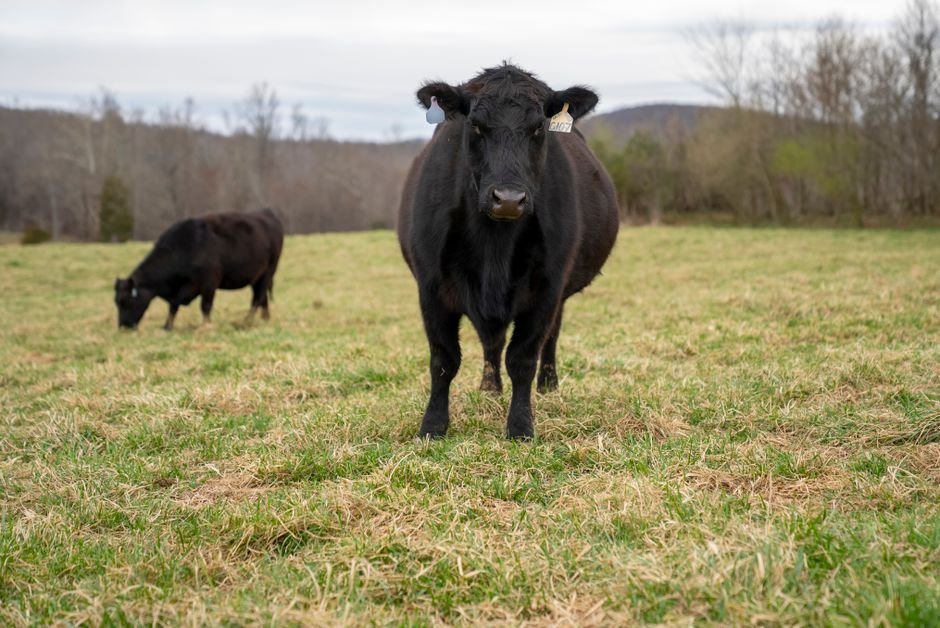
What Is Biosecurity on a Cattle Farm?
Biosecurity on a cattle farm refers to the comprehensive set of practices and protocols designed to prevent the introduction and spread of infectious diseases among the herd. It involves controlling the movement of animals, people, equipment, and vehicles, as well as maintaining strict hygiene standards, to protect cattle health and farm productivity. Effective biosecurity reduces risks of costly outbreaks such as bovine tuberculosis, foot-and-mouth disease, bovine viral diarrhea, and other contagious illnesses that can cause severe economic losses. These measures also help safeguard the broader livestock industry by minimizing the risk of disease transmission between farms and regions.
Biosecurity is not a one-time effort but a continuous process that requires vigilance and adherence to protocols at all times. This includes regular assessment of risks based on changes in farm operations, local disease outbreaks, and evolving industry standards. Farms implementing biosecurity protocols often see improved herd health, higher production efficiency, and reduced reliance on antibiotics and other treatments. Additionally, buyers and consumers increasingly demand traceability and assurance of disease-free products, further driving the importance of biosecurity in maintaining market access and consumer confidence.
Why Biosecurity Is Critical in Cattle Farming
Cattle are susceptible to a wide array of contagious diseases that can devastate production, cause significant animal suffering, and trigger regulatory restrictions that may close markets temporarily or permanently. In 2018 alone, the U.S. cattle industry reported losses exceeding $1 billion due to disease outbreaks, a figure that reflects both direct costs such as treatment and death losses and indirect costs including trade restrictions and decreased consumer confidence. For instance, the 2001 foot-and-mouth disease outbreak in the United Kingdom resulted in the slaughter of millions of animals and a lasting economic impact on the agricultural sector.
Diseases such as Johne’s disease, leptospirosis, bovine respiratory disease complex (BRDC), and bovine viral diarrhea virus (BVDV) spread rapidly in unprotected herds, adversely affecting weight gain, milk production, reproductive performance, and overall herd longevity. Johne’s disease alone can cause up to a 20% reduction in milk yield and severe chronic diarrhea, often leading to premature culling. Leptospirosis poses zoonotic risks as well, potentially infecting farmworkers.
Implementing biosecurity safeguards herd health, supports animal welfare, and ensures compliance with government standards like those from the USDA’s Animal and Plant Health Inspection Service (APHIS). These standards also include participation in voluntary disease control programs, which can facilitate interstate movement of cattle and access to premium markets. Moreover, biosecurity reduces dependence on antibiotics, helping combat antimicrobial resistance, an increasing global concern.
Key Components of Biosecurity on Cattle Farms
Biosecurity encompasses multiple areas to create effective barriers against disease transmission:
- Animal Introduction Controls: Quarantining new arrivals for 21-30 days and testing them thoroughly for infectious diseases before integrating with the main herd.
- Visitor and Worker Protocols: Restricting farm access, requiring clean boots and clothing, using footbaths or hand sanitizers, and educating all personnel on disease transmission risks.
- Equipment and Vehicle Sanitation: Cleaning and disinfecting tools, trailers, feed trucks, and machinery regularly to avoid cross-contamination between different farm zones or neighboring properties.
- Rodent and Wildlife Management: Installing barriers, traps, and deterrents to minimize wildlife access, since animals like deer and rodents can carry diseases such as bovine tuberculosis or leptospirosis.
- Feed and Water Safety: Protecting feed from contamination by pests, manure, or dust, and ensuring that water sources are clean and regularly tested to prevent waterborne diseases.
- Manure and Waste Handling: Proper disposal and storage of manure and other wastes to limit bacterial growth and prevent attracting pests, which can act as disease vectors.
Each of these components plays a crucial role in maintaining a biosecure environment and should be integrated into a comprehensive farm biosecurity plan. Additionally, farms can benefit from zoning strategies that separate clean and dirty areas, and from establishing traffic flows that minimize contact between different groups of animals or equipment.
Effective Quarantine and Testing Procedures
New cattle introduce the highest risk for bringing in pathogens unknown to the existing herd. As a best practice, farms implement a strict quarantine period of 21 to 30 days, during which the animals are physically isolated from the herd and monitored closely for any signs of illness. During this time, multiple diagnostic tests can be performed to detect both acute and chronic infections. For example, enzyme-linked immunosorbent assays (ELISAs) are commonly used to detect Johne’s disease antibodies, while polymerase chain reaction (PCR) testing identifies respiratory pathogens such as Mannheimia haemolytica or bovine respiratory syncytial virus.
Testing protocols should align with veterinary guidelines and programs like the National Johne’s Disease Progress Program (NJDP), which provides recommendations for testing frequency, sample types, and interpretation of results. In some cases, multiple tests spaced over the quarantine period may be necessary to catch latent infections. Bloodwork, fecal cultures, and nasal swabs are among the sample types utilized to cover a wide range of possible diseases.
Additionally, quarantine areas should be physically separate, with dedicated equipment and personnel to avoid cross-contamination. Proper ventilation and regular cleaning of quarantine pens reduce environmental pathogen load. Some advanced farms incorporate electronic health monitoring devices such as temperature sensors or activity trackers to detect early signs of disease during quarantine.
Controlling Farm Access: Visitors, Workers, and Vehicles
Limiting and managing who enters the farm premises is critical in preventing human-borne disease transmission. Establishing a visitor log system records the names, contact details, and visit reasons, which aids in traceback investigations during an outbreak. Farms often provide farm-specific protective gear such as coveralls, boot covers, or disposable gloves for visitors to wear while on site.
For more on this, see our related guide: Proven Tips to Reduce Weaning Stress in Calves During Hot Weather.
Hand hygiene is another vital control point; mandatory use of hand sanitizers or washing stations at entry and exit points minimizes pathogen spread. Footbaths filled with disinfectants like Virkon S or quaternary ammonium compounds are installed at strategic locations, particularly entrances to barns and processing areas. These footbaths should be maintained regularly, with solutions refreshed according to manufacturer guidelines and cleaned to prevent organic matter buildup that reduces disinfectant efficacy.
Vehicles represent a significant risk, as feed delivery trucks, livestock haulers, or service vehicles can carry pathogens on tires, wheel wells, and undercarriages. High-pressure washing stations at farm entrances allow vehicles to be cleaned before entering animal areas. Furthermore, designating parking zones for visitors and deliveries away from livestock pens reduces contamination chances. Some farms also require vehicle disinfection or restrict access based on recent travel history.
Farm staff are a critical component, as they move between animal groups and often perform multiple roles. Training employees on biosecurity protocols, proper clothing changes, and hygiene helps maintain control. Implementing “all-in, all-out” management, where groups of animals and associated workers have minimal crossover, reduces cross-contamination risks.

Sanitation and Disinfection Protocols
Thorough cleaning is essential because organic material like manure, soil, or feed residues can shield pathogens from disinfectants. High-pressure washing with water removes this material, preparing surfaces for effective disinfection. After cleaning, applying approved disinfectants such as sodium hypochlorite (bleach), accelerated hydrogen peroxide, or quaternary ammonium compounds eliminates a wide spectrum of pathogens.
Protocols should focus on high-contact surfaces including gates, feeding troughs, waterers, milking equipment, and handling chutes. For example, the National Mastitis Council recommends daily sanitizing of milking parlors and equipment to prevent contagious mastitis caused by bacteria such as Staphylococcus aureus and Streptococcus agalactiae, which can rapidly spread among lactating cows and significantly reduce milk quality and yield.
Equipment that moves between farms, such as hoof trimming tools, needles, or ultrasound devices, should be disinfected before use on each animal. The use of disposable or dedicated equipment reduces cross-animal contamination. Additionally, cleaning protocols ought to include routine maintenance of ventilation systems, as poor air quality can exacerbate respiratory disease outbreaks.
In recent years, some farms have adopted fogging or misting systems to apply disinfectants in hard-to-reach areas. These systems can improve pathogen control, especially in enclosed housing environments. Monitoring the effectiveness of cleaning and disinfection through microbiological swabbing or environmental testing helps validate protocols and identify areas needing improvement.
Wildlife and Pest Control Measures
Wildlife can act as reservoirs or mechanical vectors for numerous cattle diseases, including bovine tuberculosis, brucellosis, leptospirosis, and even parasites like liver flukes. To mitigate these risks, farms often invest in physical barriers such as perimeter fencing designed to exclude deer, wild boars, and other potential wildlife intruders.
Feed storage areas are particularly vulnerable; securing them with metal or heavy-duty plastic covers and fencing reduces access by rodents and birds. Rodent control programs typically involve integrated pest management (IPM), combining traps, bait stations, and habitat modification to reduce populations. The U.S. Department of Agriculture advises regular monitoring and record-keeping of pest activity to tailor control measures effectively.
Beyond physical controls, some farms collaborate with local wildlife agencies to monitor disease prevalence in wildlife populations, which helps assess risk levels. In regions where wildlife disease is prevalent, vaccination or testing programs for cattle may be intensified. Additionally, minimizing attractants like spilled feed or standing water can reduce wildlife visits.
If you’re also looking into this, our article on Can Cows Eat Watermelon? How to Safely Feed Cull Fruit to Your Herd covers it in more detail.
Feed and Water Biosecurity
Feed contamination is a less obvious but significant hazard for disease transmission on cattle farms. Feed exposed to rodents, birds, or contaminated soil can harbor bacteria such as Salmonella or molds producing mycotoxins, which compromise animal health and production. Storing feed in sealed, elevated containers prevents contact with pests and reduces moisture-related spoilage.
Water quality is equally important. Open water sources like ponds or streams can be contaminated by wildlife feces, agricultural runoff, or stagnant conditions, leading to bacterial infections or parasitic infestations. Regular microbiological testing for coliform bacteria and other pathogens helps ensure water safety. Where feasible, the installation of chlorination systems, ultraviolet (UV) purification, or mechanical filtration can improve water quality and reduce disease risk.
The American Association of Bovine Practitioners (AABP) emphasizes the importance of maintaining clean feed bunks and waterers, recommending daily cleaning schedules and inspection for damage or contamination. Automated water systems should be checked frequently to prevent leaks and stagnation. Additionally, during drought or dry seasons, water scarcity can concentrate pathogens, making vigilance in water management critical.
Training and Documentation
Consistent training of all farm staff on biosecurity protocols ensures proper implementation and adherence. New employees should receive comprehensive orientation covering disease risks and specific farm procedures. Refresher training sessions help maintain awareness and introduce updates based on emerging threats or changes in protocol.
Clear signage posted at key farm locations reinforces biosecurity rules, such as handwashing stations, restricted areas, and personal protective equipment (PPE) requirements. Standard operating procedures (SOPs) should be documented in accessible formats and include detailed instructions for daily tasks, cleaning schedules, quarantine handling, and emergency response plans for disease outbreaks.
Keeping detailed records is essential for traceability and early outbreak detection. Documentation includes animal movement logs, vaccination and treatment records, cleaning and disinfection checklists, visitor logs, and health incident reports. Digital farm management tools like CattleMax, AgriWebb, or FarmWizard facilitate record-keeping, generate alerts, and enable compliance audits with government and industry standards.
Moreover, record analysis can identify trends or gaps in biosecurity that require corrective action. For example, tracking recurring health issues in specific pens may highlight sanitation weaknesses or ventilation problems. Engaging farm staff in record-keeping promotes ownership and collective responsibility for biosecurity.
Common Biosecurity Mistakes to Avoid
Many disease outbreaks stem from overlooked biosecurity gaps that can be addressed with improved protocols:
- Skipping quarantine for purchased cattle or returning animals, which allows undetected carriers to infect the herd.
- Allowing visitors or workers to enter without proper sanitation, such as neglecting footwear disinfection or handwashing.
- Neglecting cleaning and disinfection of shared equipment or vehicles that travel between farms or different farm zones.
- Ignoring wildlife access to feed or water areas, which creates reservoirs for pathogens that can infect cattle.
- Failing to consistently monitor and document health status, leading to delayed detection and response to emerging problems.
Addressing these weak points through training, infrastructure improvements, and strict enforcement of protocols can dramatically reduce disease incidence and enhance overall farm biosecurity success.
This ties in closely with Avoiding Pitfalls: The Most Common Mistakes When Starting a Small Cow Herd, worth a look if you want to go deeper.
How Biosecurity Impacts Farm Profitability
Investing in biosecurity provides tangible returns by minimizing disease outbreaks that cause decreased growth rates, reproductive failures, increased veterinary costs, and animal losses. For example, controlling bovine respiratory disease (BRD) through combined biosecurity and vaccination efforts can reduce mortality rates by up to 50%, according to the Beef Quality Assurance (BQA) program. Reduced disease incidence also lowers the need for antibiotics and other treatments, decreasing input costs and supporting sustainable farming practices.
Healthy herds consistently produce higher-quality meat and milk, attracting better market prices and consumer trust. Farms with strong biosecurity histories often qualify for value-added programs or certifications that open premium niche markets. Moreover, effective biosecurity reduces the risk of regulatory restrictions and quarantines that can disrupt sales and feed supply chains during disease outbreaks.
Long-term sustainability is enhanced by maintaining herd health and genetic potential, as disease outbreaks can cause permanent damage to breeding stock and reduce herd replacement options. Additionally, insurance premiums for livestock operations may be lower for farms with documented biosecurity programs.
Ultimately, biosecurity is an investment in farm resilience, ensuring that production systems can withstand disease challenges and maintain profitability even under adverse conditions.
| Biosecurity Practice | Purpose | Example Product/Standard | Typical Implementation |
|---|---|---|---|
| Quarantine New Animals | Prevent disease introduction | National Johne’s Disease Progress Program | Isolate 21-30 days, conduct ELISA/PCR tests |
| Visitor Sanitation | Reduce human-borne pathogens | Virkon S disinfectant footbaths | Require clean boots, hand sanitizers |
| Vehicle Cleaning | Eliminate cross-contamination | High-pressure washers, designated parking | Clean tires and undercarriage before entry |
| Feed Storage | Prevent contamination by pests | Sealed bins, rodent traps | Keep feed elevated and sealed |
| Wildlife Exclusion | Limit disease reservoirs | Fencing, USDA pest control guidelines | Install perimeter fencing, monitor regularly |
Frequently Asked Questions
How long should new cattle be quarantined on a farm?
New cattle should be quarantined for 21 to 30 days, providing sufficient time to monitor for signs of infectious diseases and to conduct diagnostic tests before integrating them with the existing herd. This period allows detection of both acute and subclinical infections that may otherwise spread undetected.
What disinfectants are recommended for cattle farm biosecurity?
Commonly recommended disinfectants include Virkon S, accelerated hydrogen peroxide, sodium hypochlorite (bleach), and quaternary ammonium compounds. These agents are effective against a broad range of pathogens when applied after thorough cleaning to remove organic matter. Selection of disinfectants should consider environmental safety, contact times, and compatibility with farm surfaces.
Can wildlife really transmit diseases to cattle?
Yes, wildlife such as deer, wild boars, rodents, birds, and even feral hogs can carry and transmit diseases including bovine tuberculosis, brucellosis, leptospirosis, and parasitic infestations. These animals may directly contact cattle or contaminate feed and water sources, making their exclusion and control critical biosecurity measures.
Is it necessary to restrict visitor access on cattle farms?
Restricting visitor access and enforcing strict sanitation protocols such as the use of farm-specific clothing, boot disinfection, and hand hygiene helps minimize the risk of introducing pathogens from humans or contaminated equipment. These measures are essential for maintaining herd health and preventing disease outbreaks, especially during times of heightened disease risk.
How does biosecurity relate to vaccination programs?
Biosecurity and vaccination are complementary strategies; while vaccines protect individual animals against specific diseases, biosecurity reduces overall pathogen exposure, enhancing vaccine effectiveness and herd immunity. Together, they form an integrated disease prevention program that optimizes animal health and productivity.