
What Is an Electric Fence Energizer?
An electric fence energizer is a specialized device designed to convert a standard power source—whether mains electricity, batteries, or solar panels—into high-voltage pulses that travel along a fence wire. These pulses deliver a quick, safe, and temporary electric shock when contacted by animals, such as cattle, horses, or deer. As the central component of an electric fencing system, the energizer transforms the fence from a simple physical barrier into an active deterrent that helps prevent animals from pushing through, rubbing against, or otherwise damaging the fence.
Electric fence energizers are available in a wide range of models tailored to different fence lengths, animal types, and environmental conditions. They vary significantly in output voltage, joule rating (a measure of energy delivered per pulse), and compatibility with various power sources. For example, a small energizer might produce 1-2 joules of energy for a short horse paddock, while a large unit intended for extensive cattle pastures can deliver up to 10 joules or more, ensuring the shock is sufficient to deter larger or more determined animals.
In addition to their core electrical function, many modern energizers incorporate smart technology features such as remote monitoring, fault detection, and connectivity options, enabling farmers to manage fences more efficiently, especially on large or remote properties.
How Does an Electric Fence Energizer Work?
Electric fence energizers operate by delivering short, timed bursts of high-voltage electrical pulses, typically at intervals of about one pulse per second. Each pulse lasts less than a millisecond but carries a voltage high enough—often between 5,000 and 12,000 volts—to create a memorable but harmless electric shock. When an animal such as a cow touches the electrified wire, it completes the circuit between the fence and the grounded earth, allowing current to flow through its body for a fraction of a second.
This brief shock acts as a strong deterrent. Because it is non-lethal and short in duration, it does not cause injury, pain beyond a momentary discomfort, or long-term harm. Animals quickly learn to avoid the fence, recognizing it as an unpleasant boundary. The psychological effect is crucial; the energizer turns the fence into a behavioral barrier rather than a purely physical one.
Additionally, energizers are engineered to monitor fence voltage and resistance continuously. If the fence line develops faults—such as a fallen wire or vegetation growing too close—the energizer detects the increased current draw and adjusts its output accordingly or alerts the user. This adaptive capability helps maintain effective fence performance even in challenging conditions, such as heavy rain or dense foliage, which can otherwise reduce shock intensity.
Some advanced energizers also employ pulse modulation techniques to optimize energy efficiency and extend battery life, especially important in off-grid or solar-powered systems. By controlling pulse width and intervals precisely, these units maximize deterrent effect while minimizing power consumption.
Power Sources: What Energizer Runs Best on Your Farm?
Choosing the right power source for an electric fence energizer depends on the location, fence size, environmental conditions, and availability of electricity. Here’s a deeper look into the most common types:
- Mains Electricity (AC): Energizers that plug into household or farm electrical outlets provide reliable, continuous power and high output voltages suitable for extensive fences covering several miles. Models like the Gallagher B120-W deliver up to 12,000 volts with energy output capable of driving large or multi-strand fence systems. These units require no battery maintenance but depend on a stable power supply, which may not be available in remote or rugged areas.
- Battery-Powered (DC): These energizers run off 12-volt deep cycle or automotive batteries, offering portability and flexibility. They are ideal for remote locations where mains power is inaccessible or for temporary fencing setups such as rotational grazing paddocks. For example, the Zareba 1500V can power fences up to several miles long under optimal conditions. However, battery life varies widely depending on energizer output, fence length, and weather, requiring regular recharging or battery replacement to maintain proper function.
- Solar-Powered: Combining a solar panel with a rechargeable battery, solar energizers like the Parmak DF-SP-LI provide a sustainable, eco-friendly solution for off-grid farms. These units store energy during daylight hours, ensuring fence operation throughout the night. Proper sizing of solar panels and batteries is critical to ensure consistent power delivery during periods of low sunlight or winter months. Solar energizers often include low-power consumption circuitry and energy-efficient pulse modulation to maximize run time.
Some farms use hybrid setups that combine solar panels with backup batteries and optional mains charging to optimize reliability. Additionally, considering local climate, seasonal sunlight availability, and fence load is essential when selecting the power source to avoid underperformance or excessive maintenance.
For more on this, see our related guide: 34. Round Bale Feeder: Which Type Wastes the Least Hay and Saves You Money?.
Key Components of an Electric Fence Energizer
- Transformer: This component steps up the low-voltage input (from mains or battery) to a very high voltage—often several thousand volts—necessary to deliver an effective shock. The transformer is carefully designed to handle rapid pulsing and provide stable output.
- Oscillator Circuit: Responsible for timing the high-voltage pulses, the oscillator ensures that pulses are delivered at consistent intervals, generally one per second. This circuit controls pulse width and frequency, balancing effective deterrence with energy efficiency.
- Output Terminal: The connection point where the energizer interfaces with the fence wire. It must maintain a secure and corrosion-resistant contact to ensure pulse integrity along the entire fence line, especially in outdoor environments exposed to moisture and temperature changes.
- Ground Terminal: Connects to grounding rods buried in the earth, completing the electrical circuit when an animal contacts the fence. Proper grounding is vital for fence effectiveness; poor grounding can reduce shock strength dramatically.
Modern energizers increasingly incorporate diagnostic and user-friendly features such as LED indicators that display real-time voltage levels, fault warnings, and battery status. Some models provide digital displays or interface with smartphone apps via Bluetooth or Wi-Fi, allowing remote monitoring and troubleshooting. This technology facilitates proactive maintenance, reducing downtime and ensuring consistent animal containment.
Why Is an Electric Fence Energizer Essential for Cattle Farms?
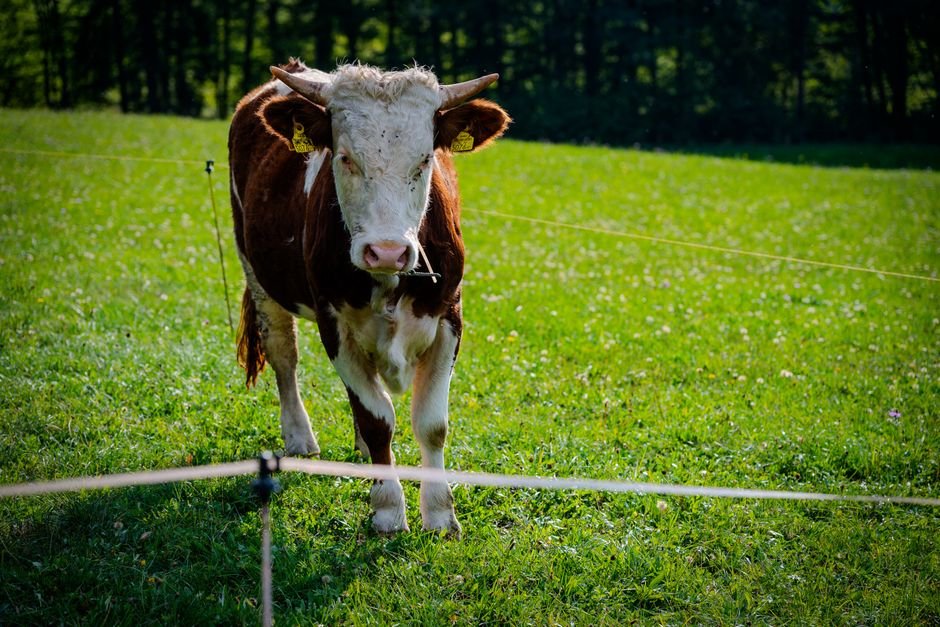
Cattle, including popular breeds like Angus, Hereford, and Charolais, are large, strong animals that frequently test physical boundaries. Without an energizer, fences serve only as passive barriers easily pushed, leaned on, or broken, especially when animals are stressed, curious, or competing for space. An electric fence energizer introduces an active deterrent component, delivering a memorable shock that teaches cattle to respect fence boundaries.

The benefits extend beyond containment. Energized fences minimize physical wear and tear by discouraging animals from rubbing on posts or wires, reducing maintenance costs and fence repair frequency. This is particularly important in extensive grazing systems where fences span many miles and regular inspection is challenging.
Moreover, electric fencing systems are adaptable to various management styles. They support rotational grazing by enabling quick fence layout changes and temporary paddocks with portable energizers. This flexibility helps improve pasture utilization and animal health.
From an economic perspective, investing in an energizer can save significant money over time by reducing livestock escapes, limiting damage to infrastructure, and minimizing labor involved in fence repairs or animal retrieval. Studies have shown that properly installed electric fencing systems can reduce cattle escapes by over 90%, underscoring their effectiveness.
Legal Standards and Safety Considerations
Electric fence energizers must comply with rigorous safety standards to protect both animals and humans. In the United States, products are regulated according to IEC 60335-2-76 and ASTM F2656-07, which specify maximum output voltages, pulse durations, and energy limits. These standards ensure that shocks are non-lethal and that electric fences do not pose undue risks to people, particularly children, or wildlife.
Typical energizers deliver pulses containing less than 10 joules of energy and limit voltage output to prevent electrical hazards. The pulse duration is also kept extremely short, generally under 0.0003 seconds, to avoid any lasting effects on animal health.
Farmers must also observe local regulations governing electric fence installation, which may include requirements for warning signs, fence height, and proximity to public pathways. Proper fence grounding and maintenance are legally mandated in many jurisdictions to prevent stray voltage or interference with nearby electrical systems.
If you’re also looking into this, our article on How Many Cows Can You Raise Per Acre in North Carolina? Pasture and Hay Breakdown covers it in more detail.
Safety considerations also extend to equipment handling. Energizers should be installed in weatherproof enclosures away from animal access and checked regularly for damage or wear. Using insulated fence posts and proper wire insulators helps prevent unintended shocks and maximizes system performance.
Types of Electric Fence Energizers Compared
| Type | Power Source | Best For | Typical Output Voltage | Advantages | Limitations |
|---|---|---|---|---|---|
| AC (Mains) | Household electricity (110-240V) | Large perimeter fences on powered farms | Up to 12,000 volts | Consistent power, high output, low maintenance, suitable for multi-strand fences and long distances | Requires a reliable power source, not portable, vulnerable to power outages unless paired with backup |
| Battery-Powered (DC) | 12V battery | Remote or temporary fencing, rotational grazing setups | Up to 9,000 volts | Portable, flexible for various locations, useful for short-term fencing needs | Battery life depends on usage, requires regular charging or replacement, performance drops with low battery voltage |
| Solar | Solar panel + battery | Off-grid, sustainable farms, environmentally conscious operations | Up to 10,000 volts | Eco-friendly, eliminates wiring to mains, can operate indefinitely with adequate sunlight, low operating costs | Dependent on sunlight availability, higher initial investment, requires correct sizing to avoid power drops during cloudy days or winter |
Common Mistakes When Using Electric Fence Energizers
- Poor Grounding: Inadequate or improperly installed grounding rods are one of the most frequent causes of reduced fence performance. Ground rods must be driven deep into moist soil and spaced appropriately, often requiring multiple rods in dry or sandy ground. Using galvanized steel rods rather than iron or untreated metal helps prevent corrosion and maintain conductivity over time.
- Overgrown Vegetation: Weeds, grass, and tree branches coming into contact with the electrified wire create electrical shorts, which dissipate the energizer’s power and reduce shock intensity. Regular clearing of vegetation at least 12 inches away from the fence wire is essential, particularly during the growing season or after storms.
- Wrong Energizer Size: Using an undersized energizer for the fence length or livestock type can result in weak shocks that animals learn to ignore. Conversely, oversizing may waste energy and increase costs unnecessarily. Careful calculation based on fence length, number of strands, and expected vegetation load is critical when selecting an energizer.
- Improper Wire Connections: Loose, corroded, or damaged wire connections can cause voltage drop-off, resulting in uneven shock delivery. All connections should be tight, use appropriate connectors, and be checked for rust or wear periodically. Using high-quality galvanized or stainless steel wire and connectors extends system life.
- Ignoring Environmental Factors: Heavy rain, flooding, or dry soil conditions can affect grounding efficiency and fence performance. Adjustments such as adding more ground rods or increasing energizer output may be necessary during seasonal changes.
- Neglecting Regular Testing: Failing to test the fence voltage frequently can allow problems to go unnoticed until animals escape or damage occurs. Using a reliable fence tester ensures early detection of faults.
Maintaining Your Electric Fence Energizer for Cattle
Regular maintenance is vital to ensure reliable operation and prolong the lifespan of your electric fence energizer. During the active grazing season, inspections every one to two weeks are recommended, with more frequent checks following storms or heavy vegetation growth.
Begin maintenance by using a quality fence voltage tester, like the Zareba FTT-3, to measure voltage along various points of the fence line, ensuring that readings meet or exceed manufacturer specifications. Voltage dips may indicate shorts, grounding problems, or damaged wire.
Inspect and clean grounding rods at least annually. Over time, rods can corrode or become loose, reducing conductivity. Using a wire brush to remove rust and ensuring rods are driven fully into moist soil improves grounding performance.
Vegetation management is crucial: remove all weeds, vines, and tree branches within at least one foot of the fence wire. Mechanical trimming or the use of herbicides are common methods, but care must be taken to avoid harming desirable vegetation or livestock feed.

Check insulators for cracks, wear, or damage caused by UV exposure or animal contact. Replace any compromised insulators promptly to prevent short circuits. Similarly, inspect wire tension and repair any broken or sagging wires to maintain a consistent and effective fence barrier.
Verify the energizer’s output matches manufacturer ratings using a voltage tester or through the unit’s digital diagnostics. If the output is low, troubleshoot grounding, connections, or power supply issues before assuming energizer failure.
This ties in closely with How Many Cows Per Acre in Missouri? Stocking Rates for Different Pasture Types Explained, worth a look if you want to go deeper.
Battery-powered and solar energizers require special attention to battery health. Regularly inspect battery terminals for corrosion, ensure proper charging, and replace batteries on schedule to avoid unexpected power loss.
Finally, keep the energizer itself clean and protected from moisture and extreme temperatures by housing it in a weatherproof enclosure mounted above ground level. This preventive care reduces the risk of electrical shorts and prolongs device lifespan.
Frequently Asked Questions
How often should I replace the battery in a battery-powered energizer?
Batteries typically have a lifespan of 1 to 3 years, depending on usage patterns, environmental conditions, and maintenance practices. Deep-cycle marine or AGM (Absorbent Glass Mat) batteries are preferred due to their ability to withstand repeated discharge and recharge cycles. For solar-powered energizers, rechargeable lithium or AGM batteries often last longer but still require periodic voltage testing. Monitoring battery voltage regularly, especially before and after grazing seasons, helps determine the optimal replacement schedule. Signs that a battery needs replacement include a noticeable drop in fence voltage, inability to hold a charge, or physical damage such as swelling or leakage.
Can an electric fence energizer harm my cattle?
Electric fence energizers approved under relevant safety standards deliver short pulses with carefully controlled energy levels designed to cause only a brief, non-injurious shock. This discomfort teaches animals to avoid contact with the fence without causing physical harm, pain, or stress beyond the momentary sensation. Unlike continuous electrical exposure, the pulsed current allows animal tissues to recover almost immediately. Proper installation, maintenance, and complying with legal safety standards ensure that energizers remain safe for cattle, other livestock, pets, and even wildlife.
What length of fence can one energizer power?
The length of fence an energizer can power varies widely based on the energizer’s output capacity, fence design, number of strands, and environmental factors. Small energizers may effectively power fences up to 10 miles long in optimal conditions, usually with a single wire and minimal vegetation contact. Larger, high-capacity units like the Gallagher S10 or Zareba 10-Joule models can energize 30 to 40 miles or more of fencing, even with multiple strands and moderate vegetation. However, factors such as dense foliage, wet weather, poor grounding, or fence damage reduce effective range. It’s generally advisable to consider fence complexity and environment when selecting energizer size rather than relying solely on maximum advertised fence length.
Is it necessary to install multiple energizers for a large farm?
On large farms, installing multiple energizers is often beneficial or necessary to maintain adequate voltage throughout the entire fence system. Long fence lines or segmented pastures can experience voltage drop-offs due to wire resistance, environmental shorts, or grounding issues. Dividing the perimeter into manageable sections, each powered by its own energizer, helps ensure consistent shock delivery and simplifies fault isolation and maintenance. Additionally, multiple energizers allow flexibility in fencing layouts and rotational grazing management. Careful planning and consultation with fencing professionals can optimize energizer placement and reduce overall power consumption.
How do I know if my fence energizer is working properly?
Regular testing with a specialized fence voltage tester is the most reliable method to verify energizer performance. These testers measure the voltage pulse strength at various points along the fence and help identify shorts or weak spots. Many modern energizers also feature LED indicators or digital displays showing output voltage and fault codes. Some advanced models offer smartphone connectivity, enabling remote alerts for output drops, battery status, or fault detection. Visual inspection for damaged wires, corroded connections, or vegetation contact complements electrical testing. Maintaining a log of voltage readings over time can help detect gradual declines in performance before they lead to fence failure.