
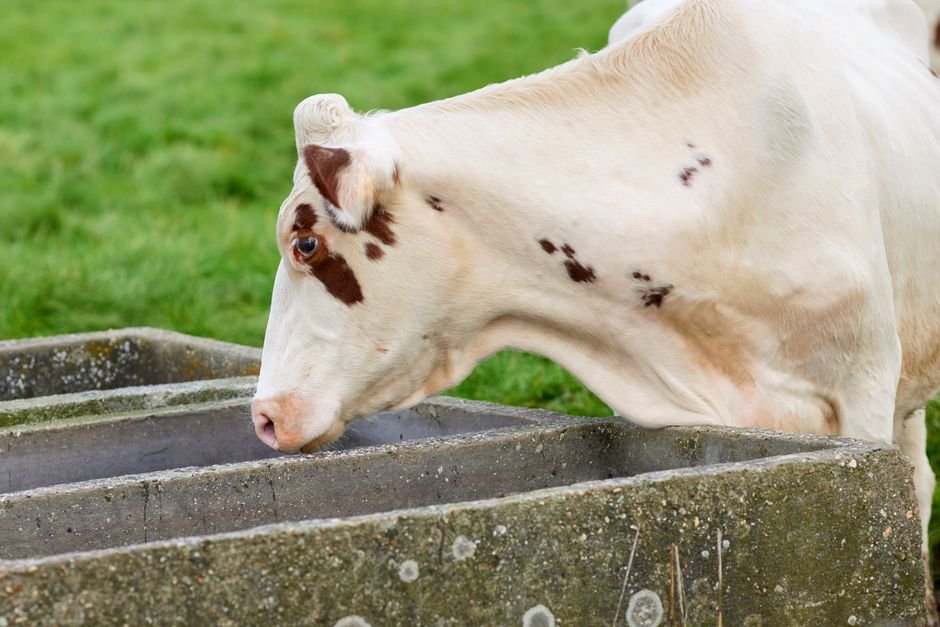
Direct Answer: What Are the Water Sources for Cattle on a Farm?
Cattle on farms typically drink water supplied from wells, natural ponds or streams, rainwater collection systems, and commercial water troughs connected to pumps or pipelines. Each source varies in reliability, water quality, and management needs—farmers often combine multiple sources to ensure clean, consistent hydration essential for cattle health and productivity. The selection of water sources also depends heavily on regional climate, farm size, available infrastructure, and environmental considerations, with some farms incorporating innovative solutions like recycled water systems or enhanced filtration technology to optimize water use efficiency.
Groundwater Wells: Reliable but Requires Infrastructure
Groundwater wells are one of the most common water sources on cattle farms, especially in regions with limited surface water availability. Wells tap into underground aquifers, providing a steady flow of clean water year-round. Using electric or solar-powered submersible pumps, water is often delivered into troughs or tanks conveniently located in pastures or barns.
According to the United States Department of Agriculture (USDA), wells can provide water quality that meets the standards for livestock consumption, provided regular testing is done to check for contaminants like nitrates or bacteria. Wells typically require upfront investment ranging from $3,000 to $15,000 depending on depth and equipment, but they lower dependence on variable surface water sources.
In addition to initial drilling and pump installation costs, well owners must budget for ongoing maintenance, including periodic pump servicing, disinfection, and water quality testing. Advances in solar-powered pumping technology have made wells more sustainable and accessible in remote areas, reducing reliance on grid electricity and lowering operating costs over time. For example, in drought-prone regions of Texas and Australia, solar-powered wells are increasingly popular as a resilient water source for cattle.
Limitations include potential pump failures or depletion in drought conditions. Aquifer depletion can occur with overuse, leading to reduced flow rates or increased costs to drill deeper wells. Maintenance and power availability are critical factors in well-based water systems, as power outages or mechanical failures can quickly disrupt water supply. Farms often install backup generators or maintain emergency water storage to mitigate these risks.
Well water quality also varies depending on local geology. Some wells may have elevated levels of minerals such as iron, manganese, or hardness-causing calcium and magnesium, which typically do not harm cattle but may affect taste and trough maintenance. In rare cases, wells can contain harmful substances like arsenic or excessive salinity, highlighting the importance of testing and, if necessary, treatment methods like filtration or aeration.
Natural Ponds and Streams: Cost-Effective but Variable
Natural ponds, streams, and creeks are traditional water sources on pasture-based cattle farms, often requiring minimal installation costs. Cattle can drink directly from these bodies of water or from adjacent watering points.
The main advantage is cost-effectiveness and availability in farms situated near reliable surface water. However, natural sources are susceptible to seasonal changes, droughts, and contamination from wildlife or runoff. The Natural Resources Conservation Service (NRCS) warns about risks of bacterial contamination such as E. coli, which can affect cattle health.
Seasonal fluctuations in water levels can force farmers to implement supplemental sources during dry spells, which can challenge farm management and increase costs. Additionally, ponds and streams may be prone to algae blooms, particularly blue-green algae (cyanobacteria), which produces toxins dangerous to cattle and other livestock. Cases of livestock poisoning from cyanobacteria blooms have been documented worldwide, emphasizing the need for regular water monitoring during warmer months.
To mitigate contamination and erosion, many farms install riparian fencing and provide hard-surfaced access points or off-stream watering systems like tanks or troughs refilled from the natural source. This reduces water quality degradation and soil damage. Such practices are part of integrated pasture management systems that promote riparian buffer zones, stabilize stream banks, and protect aquatic ecosystems while improving water availability for cattle.
In some regions, pond aeration systems are installed to improve oxygen levels and reduce harmful algal growth. Aerators can also help maintain water temperature and circulation, contributing to healthier water for livestock. Additionally, some farms treat pond water with natural conditioners or biological agents to reduce pathogen loads without harmful chemicals.
Rainwater Harvesting: Sustainable but Weather-Dependent
Collecting rainwater from barn roofs and other catchment areas into storage tanks offers a sustainable water source for cattle when managed properly. Rainwater harvesting systems can reduce reliance on wells or surface water, especially in farms with adequate rainfall.
For more on this, see our related guide: 5 Reasons Why Cows Moo at Night and What It Means for Your Farm.
Storage tanks, often made of polyethylene or steel, are sized to hold enough water to cover dry periods. Filtration and regular tank cleaning maintain water quality. According to the National Sustainable Agriculture Information Service, rainwater can be safe for livestock but needs proper management to avoid contamination by debris or bird droppings.
Design considerations for rainwater harvesting include roof material, which should be non-toxic and free of harmful chemicals, gutter sizing to maximize collection efficiency, and tank placement to prevent contamination and facilitate gravity-fed delivery. Some farms deploy first-flush diverters to discard initial roof wash-off, which contains dust and bird droppings, improving water quality.
The volume of water collected depends on rainfall patterns and catchment area size. For instance, a 1,000-square-foot roof in a region with 30 inches of annual rainfall can theoretically collect around 18,500 gallons per year, though actual usable amounts are less due to evaporation and system losses. Proper sizing of tank capacity is crucial to store enough water for dry spells, especially in semi-arid climates.
Irrigation and livestock water supply can be supplemented by rainwater, but because of its variability, it often functions best as part of a diversified water system. Farms in arid regions may find rainwater harvesting insufficient as a sole source but valuable for emergency or supplemental use.

Innovations in rainwater systems include integration with automated pumps, UV filtration units, and remote water level monitoring to enhance convenience and water safety.
Commercial Water Trough Systems: Controlled Delivery for Convenience
Water troughs, fed by pipelines connected to wells, municipal water, or pumps, are standard on many modern farms. These troughs provide controlled, clean water delivery, often fitted with float valves or automatic refill systems to maintain a constant water level.
Brands like Ritchie and Premier offer troughs designed to withstand weather and cattle wear, with antibacterial coatings and easy-clean designs. Typical trough capacities range from 50 to 500 gallons depending on herd size.
Water trough systems allow farmers to locate water sources strategically, minimizing cattle travel and reducing pasture damage. Placing troughs near shade or feeding areas encourages cattle to drink more regularly, improving hydration and overall herd health. Additionally, troughs reduce the risk of contamination associated with open water sources.
However, they require infrastructure investment and regular maintenance to prevent algae growth and freezing in cold climates. In colder regions, heated troughs or insulated covers are installed to maintain water availability during winter. Solar-powered heating elements are increasingly common as energy-efficient solutions.
Cleaning routines are essential to prevent biofilm buildup, sediment accumulation, and mosquito breeding. Some farms use automatic trough cleaners or install filtration systems inline to improve water quality.
Advanced automated watering systems can incorporate sensors that monitor water levels and quality metrics such as temperature and turbidity, enabling remote management and early detection of problems. These technologies are particularly beneficial for large operations where manual monitoring is labor-intensive.
If you’re also looking into this, our article on 27 Proven Steps to Raising Beef Cattle for Profit on a Small Farm covers it in more detail.
Comparing Water Sources for Cattle on a Farm
| Water Source | Advantages | Disadvantages | Typical Costs | Water Quality Considerations |
|---|---|---|---|---|
| Groundwater Wells | Reliable year-round, clean water, scalable with infrastructure Solar-powered options reduce energy costs Can support large herds |
High initial investment, requires power and maintenance Risk of aquifer depletion in drought Possible mineral content issues |
$3,000-$15,000+ for drilling and pump Additional costs for solar setups or backups |
Usually good; requires testing for nitrates, bacteria, heavy metals May need filtration or treatment |
| Natural Ponds/Streams | Low upfront cost, natural availability Supports grazing-based systems Promotes biodiversity on farm |
Seasonal variability, contamination risk, erosion Potential for harmful algal blooms Requires fencing and management |
Minimal unless fencing or access improvements Possible aeration system costs |
Can be variable; risks from pathogens, runoff, algae toxins Needs regular monitoring |
| Rainwater Harvesting | Sustainable, reduces groundwater use Relatively low maintenance Can be integrated with other systems |
Dependent on rainfall, storage and filtration needed Not reliable as sole source in dry climates |
$500-$5,000+ for tanks, gutters, filtration Additional cost for pumps or automated systems |
Generally good if filtered and cleaned regularly Risk of contamination from roof debris and animals |
| Water Trough Systems | Controlled delivery, convenient, reduces pasture damage Supports precise water management Can include automated features |
Requires infrastructure and maintenance Risk of algae if neglected Higher upfront cost per unit |
$200-$1,000+ per trough plus plumbing and pumps Additional heating costs in cold climates |
High quality if maintained; risk of algae and biofilms Needs regular cleaning and inspection |
Maintaining Water Quality and Accessibility
Regardless of source, maintaining clean, fresh water is vital for cattle health. The National Animal Health Monitoring System (NAHMS) recommends regular cleaning of troughs and testing of water sources at least annually for contaminants such as coliform bacteria, total dissolved solids, and chemical pollutants.
Regular water testing should include parameters like pH, turbidity, nitrate levels, microbial contamination, and concentrations of minerals or heavy metals. Farms with multiple water sources may need to test each source seasonally to detect changes and adjust management accordingly.
Biosecurity is an important consideration; cattle drinking from contaminated waters are at risk of diseases such as leptospirosis, cryptosporidiosis, and various parasitic infections that can impair growth and reproduction. Cleaning water points reduces these risks significantly.
Additionally, ensuring water points are accessible without causing soil compaction or mud buildup improves cattle comfort and pasture longevity. Excessive trampling around watering sites can lead to muddy conditions facilitating pathogen spread and pasture degradation.
Rotating water locations or installing hardened laneways, such as gravel or concrete pads, can reduce ground damage and contamination risks. Some farms use automated waterers combined with remote monitoring to optimize water distribution and reduce labor.
Proper drainage around watering points also prevents stagnant water accumulation, which can harbor mosquitoes and other pests harmful to cattle and farm workers. In colder regions, insulation around water delivery lines prevents freezing and ensures year-round access.
Innovations in water management include solar-powered UV sterilizers for troughs and remote sensors connected to farm management apps, enabling real-time water quality and usage tracking.

Conclusion: Matching Water Sources to Farm Needs
Choosing water sources for cattle depends on farm size, location, climate, and budget. Many farms combine groundwater wells with natural or rainwater sources supplemented by commercial trough systems to balance cost, reliability, and water quality. Prioritizing consistent access to clean water supports cattle growth, reproduction, and overall health—key factors influencing farm productivity and profitability.
Future trends in cattle water management point towards increased adoption of smart technologies, renewable energy-powered pumping systems, and integrated watershed management practices to enhance sustainability. Additionally, regulatory frameworks and environmental stewardship programs encourage farms to implement best practices that protect water quality while ensuring livestock needs are met.
Ultimately, implementing a water supply strategy tailored to the specific challenges and opportunities of each farm will promote animal welfare, resource conservation, and economic viability over the long term.
Frequently Asked Questions
What is the ideal water intake for cattle daily?
On average, adult beef cattle consume between 10 to 20 gallons (38 to 76 liters) of water per day, depending on factors like temperature, diet, and production stage. Lactating cows may require even more to maintain milk production. For example, a high-producing dairy cow can drink up to 50 gallons (190 liters) daily during peak lactation.
This ties in closely with 26. Best Cattle Breed for Small Acreage: 10 Top Picks for Efficient Farming, worth a look if you want to go deeper.
Environmental conditions greatly influence water needs—on hot days, water intake can increase by up to 30%. Similarly, feed type impacts consumption; dry forage diets increase water requirements compared to high-moisture feeds like silage.
Can cattle drink untreated pond water safely?
Cattle can drink from ponds but untreated pond water may harbor bacteria, algae, or parasites that pose health risks. Proper management, including fencing and supplementary clean water sources, reduces these risks substantially. Common pathogens include Leptospira, Giardia, and Cryptosporidium, which can cause severe illness.
Farmers using pond water should monitor for signs of algal blooms and water quality deterioration, especially in warmer months. In some cases, treating pond water with secure filtration or UV disinfection systems before delivery via troughs can improve safety.
How often should water troughs be cleaned?
Water troughs should be cleaned at least once a week to prevent algae buildup, sediment accumulation, and bacterial growth. More frequent cleaning may be needed in warm climates or with large herds. In warm weather, algae can proliferate rapidly, and sediment can build up faster, necessitating bi-weekly or even daily cleaning in extreme cases.
Cleaning involves draining, scrubbing with non-toxic cleaners or brushes, rinsing, and refilling with fresh water. Preventative measures such as shade structures over troughs can reduce algae growth by limiting sunlight exposure.
Are there automated watering systems suitable for large herds?
Yes, automated watering systems with sensors and float valves are available to supply consistent water levels. Brands like Ritchie and Snow River offer systems scalable for large herds, reducing labor and water wastage. These systems can include features such as remote monitoring, leak detection, and temperature regulation.
Automated systems improve animal welfare by ensuring constant water availability, especially in extensive grazing operations where manual watering is impractical. Integration with farm management software allows data-driven decisions to optimize herd hydration and resource use.
What water quality parameters are critical for cattle?
Parameters include low levels of nitrates (below 100 mg/L), absence of toxic substances (like heavy metals), minimal bacterial contamination, and acceptable pH (typically 6.5 to 8.5). Regular testing ensures water meets these standards.
Excess nitrates can cause health issues such as methemoglobinemia (blue-baby disease) in calves. Heavy metals like lead or cadmium are toxic even at low concentrations. High salinity or sulfate levels can reduce water intake and cause digestive disturbances.
Water hardness generally poses no direct risk but may contribute to scaling in plumbing and troughs. Maintaining balanced water chemistry is essential to prevent long-term health problems and ensure optimal hydration.