
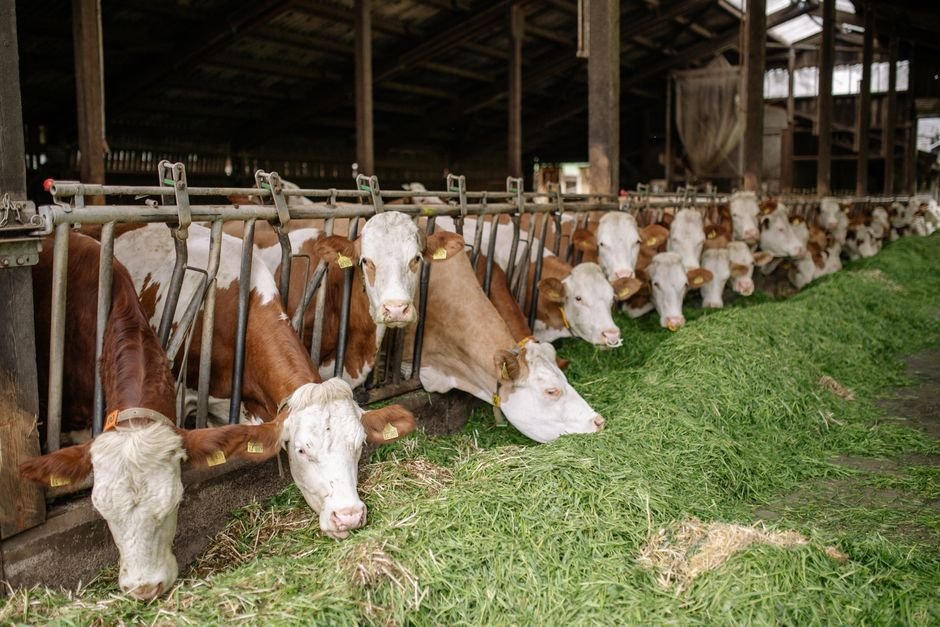
What Is a Ration for Cattle?
A ration for cattle is a carefully balanced daily feed portion designed to meet the animal’s nutritional needs for maintenance, growth, reproduction, or production. It includes specific amounts of forage, concentrates, minerals, and vitamins tailored to the breed, age, weight, and production stage of the animal. Proper rationing ensures optimal health, milk yield, or weight gain.
Beyond simply providing feed, ration formulation involves understanding the nutrient composition of various feedstuffs, how these nutrients interact within the rumen, and the animal’s physiological demands. For instance, dairy cows require rations that maximize energy density and protein quality to sustain high milk output, while beef cattle often prioritize energy density and fiber to support optimal weight gain and carcass quality. The science behind rationing integrates animal nutrition, feed chemistry, and practical farming considerations to achieve sustainable and cost-effective production.
Understanding the Purpose of a Cattle Ration
Cattle rations serve to provide all essential nutrients—energy, protein, fiber, minerals, and vitamins—in quantities appropriate for the animal’s physiological state. For example, a lactating Holstein dairy cow requires a higher energy and protein ration than a dry beef steer. Rations are formulated to support maintenance (basic body functions), growth (young stock), reproduction (breeding animals), or production (milk or meat).
Without a balanced ration, cattle may suffer from poor health, reduced productivity, or metabolic disorders such as acidosis or milk fever. Organizations like the National Research Council (NRC) publish nutrient requirement guidelines widely used in the formulation of cattle rations.
In addition to meeting immediate nutritional needs, rations also affect long-term animal performance and profitability. For example, inadequate protein during early growth stages can stunt skeletal development and reduce lifetime productivity. Similarly, failure to meet energy demands during peak lactation can result in negative energy balance, compromising fertility and immune function. Therefore, rations must be dynamically adjusted to the animal’s changing physiological states and environmental conditions.
Environmental factors such as temperature, humidity, and housing can influence nutrient requirements. During cold weather, maintenance energy needs increase to support thermoregulation, whereas heat stress can reduce feed intake, necessitating more nutrient-dense rations. Understanding these nuances allows producers to optimize feeding strategies for varying seasonal and management conditions.
Key Components of a Cattle Ration
Every ration includes several feed components that together supply the necessary nutrients. The main categories are:
- Forages: Grass, hay, silage. Forages provide fiber essential for rumen function. Common examples include alfalfa hay, bermudagrass hay, corn silage.
- Concentrates: Grains and protein meals like corn, barley, soybean meal, or cottonseed meal, providing energy and protein.
- Minerals: Calcium, phosphorus, magnesium, salt, and trace minerals added as premixes or mineral blocks to meet mineral needs.
- Vitamins: Typically vitamins A, D, and E, which are supplemented to prevent deficiencies.
Forages form the foundation of most cattle diets, particularly because they stimulate rumination and saliva production, which help maintain rumen pH and microbial balance. The quality of forages is critical; for instance, legumes like alfalfa are typically higher in protein and energy compared to warm-season grasses. Corn silage, commonly used in dairy and beef systems, provides a high-energy forage source because of its starch content.
Concentrates are essential to supplement energy and protein, especially in high-producing animals. Grains such as corn and barley provide starch, which is rapidly fermentable in the rumen. Protein supplements like soybean meal and cottonseed meal supply essential amino acids that are often deficient in forages. The choice and proportion of concentrates depend on the animal’s production goals and forage quality.
Minerals and vitamins are often overlooked but play pivotal roles in metabolic pathways, immune function, and reproduction. Trace minerals like selenium and zinc, though required in minute amounts, are vital for antioxidant systems and tissue repair. Vitamin supplementation, particularly vitamins A, D, and E, prevents deficiencies that manifest as poor growth, reproductive failures, or immune suppression.
Formulating a Ration: Balancing Nutrients to Meet Needs
Ration formulation considers the animal’s weight, production stage, and feed availability. For example, a lactating dairy cow averaging 1,300 pounds might receive a daily ration with these approximate components:
- Forage: 50-60% of dry matter intake (e.g., 25-30 lbs of alfalfa hay or corn silage).
- Concentrates: 40-50% of dry matter (around 15-20 lbs of grains plus protein supplements).
- Mineral and vitamin supplements tailored per NRC guidelines.
Balanced rations avoid excesses or deficits of energy, protein, or fiber, which can cause digestive upsets or metabolic diseases such as bloat or ketosis.
For more on this, see our related guide: Optimizing Dairy Cow Feeding Schedule by Lactation Stage for Peak Milk Production.
In practice, ration formulation involves calculating the nutrient content of each feed ingredient based on laboratory analysis or published feed composition tables. For example, alfalfa hay may contain roughly 17% crude protein and 2.5 Mcal/kg of net energy, while corn grain provides about 8-9% protein and 3.2 Mcal/kg of net energy. Combining these feeds in correct proportions ensures that the total ration meets the animal’s daily nutrient requirements without wasting resources or risking health problems.
Advanced formulation also considers rumen degradable protein (RDP) versus undegradable protein (RUP), effective fiber length to maintain rumen motility, and the balance between rapidly fermentable carbohydrates and fiber. For instance, increasing rapidly fermentable starch beyond recommended levels can lead to rumen acidosis, while insufficient fiber can reduce chewing activity and saliva production, raising the risk of bloat.
Moreover, environmental sustainability is increasingly considered during formulation. Balancing rations to minimize nitrogen excretion and methane emissions by optimizing protein levels without overfeeding is a growing focus in both dairy and beef production systems.
Common Types of Rations for Different Cattle Classes
| Cattle Class | Typical Ration Components | Key Nutritional Focus |
|---|---|---|
| Lactating Dairy Cows | High-quality forage (alfalfa hay, corn silage), high-energy grains (corn, barley), protein supplements (soybean meal), minerals, vitamins | Maximize energy and protein for milk production |
| Beef Growing/Finishing | Grass or hay, moderate grain feeding (corn, barley), protein from cottonseed or soybean meal, minerals | Support steady weight gain with balanced energy and protein |
| Dry Cows (Non-lactating Dairy) | Lower energy forage (grass hay), limited concentrates, mineral/vitamin supplements | Maintain body condition, prepare for next lactation |
For lactating dairy cows, the ration must be dense in energy and high in rumen undegradable protein (RUP) to meet the demands of milk synthesis. For example, a Holstein producing 90 pounds of milk daily requires approximately 18% crude protein in the diet, with special attention to amino acid profiles such as lysine and methionine. High-quality forages like alfalfa and corn silage combined with grain energy sources help meet these needs.

Beef growing and finishing cattle require rations that promote efficient muscle deposition and fat cover. During the growing phase, protein requirements are higher, often around 12-14%, to support skeletal and muscle growth. In the finishing phase, energy requirements increase to enhance marbling and meat quality. Producers often incorporate moderate levels of grain and protein supplements alongside pasture or hay to achieve these goals. For example, a Holstein steer weighing 600 pounds may receive a ration containing 60% forage and 40% concentrate to optimize feed efficiency and daily gain of 2 to 3 pounds.
Dry cows, especially dairy breeds, have lower energy requirements but require balanced mineral and vitamin supplementation to maintain health and prepare for parturition and lactation. Feeding excess energy during the dry period can lead to over-conditioned cows, increasing risks of dystocia and metabolic diseases postpartum. Therefore, rations are typically forage-based with minimal concentrates, focusing on fiber quality and mineral balance to prevent disorders like hypocalcemia.
How to Measure and Adjust Cattle Rations
Producers often use dry matter intake (DMI) as the basis for measuring rations. For example, a mature Holstein cow typically consumes 3.5% of her body weight in dry matter daily. Feed weighing scales and feed analysis labs help determine precise nutrient content.
If cattle show signs of poor condition or reduced production, ration adjustments are necessary. For instance, increasing energy-dense grains may help underweight calves gain faster, whereas high-forage diets suit mature dry cows better to prevent obesity.
Monitoring cattle body condition score (BCS) is a critical tool for assessing ration adequacy. The BCS scale, typically from 1 (emaciated) to 5 (obese), allows producers to evaluate whether animals are receiving sufficient, excessive, or inadequate nutrition. For example, a lactating dairy cow should maintain a BCS between 2.75 and 3.25 to optimize fertility and milk production. Deviations from the target BCS signal the need to re-evaluate rations.
Feed intake behavior and manure characteristics also offer clues. Reduced feed intake or loose manure may indicate rumen upset or dietary imbalances. Producers often conduct “forage testing” through laboratory analyses measuring parameters such as neutral detergent fiber (NDF), acid detergent fiber (ADF), crude protein, and total digestible nutrients (TDN). These data enable precise adjustments to ration formulations, such as increasing protein supplementation if forage protein is low.
In large operations, individual animal feeding may be impractical. Instead, group feeding strategies are employed, where animals of similar production stages receive tailored rations. Precision feeding technologies, including automated feeders and real-time monitoring systems, are increasingly used to optimize ration delivery and detect early signs of nutritional inadequacy.
If you’re also looking into this, our article on Understanding Total Mixed Ration (TMR) for Dairy Cows: A Complete Guide covers it in more detail.
Tools and Resources for Ration Formulation
Several software and guidelines assist farmers in ration formulation. Notably, the Cornell Net Carbohydrate and Protein System (CNCPS) and NRC Nutrient Requirements for Dairy Cattle provide detailed models. Feed analysis services like Dairy One or commercial labs in the US offer nutrient profiles for local feedstuffs, enabling more accurate ration balancing.
Farmers also use feed mixing equipment such as total mixed ration (TMR) mixers to ensure homogenous feed delivery, critical for dairy herds to maintain consistent nutrition.
Modern ration formulation software incorporates multiple variables—including feed nutrient composition, animal production goals, environmental conditions, and economic factors—to optimize feed efficiency and cost. Examples include AMTS.Cattle, FeedXL, and CPM Dairy. These tools allow nutritionists to simulate different ration scenarios, assess nutrient supply, and forecast production outcomes.
Additionally, mobile apps and cloud-based platforms enable real-time ration adjustments, facilitating rapid response to feed inventory changes or animal health issues. Integration with farm management software tracks animal performance, enabling data-driven decision-making.
Feed mixing equipment varies from simple stationary mixers to advanced self-propelled TMR mixers equipped with scales and computerized batching systems. These ensure precise ingredient blending, reducing feed sorting and nutrient variability. Consistency in feed mixing is particularly important for high-producing dairy cows, where small deviations can impact milk yield and health.
Common Mistakes When Feeding Cattle Rations
- Ignoring forage quality: Poor-quality forage reduces digestibility and energy availability.
- Over-reliance on grains: Excess grain can cause acidosis, reducing feed intake and harming rumen health.
- Neglecting mineral balance: Deficiencies in calcium, phosphorus, or magnesium can lead to milk fever or grass tetany.
- Poor feed mixing: Uneven distribution of supplements leads to inconsistent nutrient intake.
One common mistake is feeding silage or hay without testing nutrient content, leading to inaccurate ration formulation and nutrient imbalances. For example, drought-stressed forage may be low in protein and high in fiber, requiring increased supplementation.
Another error is introducing high-grain rations too rapidly, which disrupts rumen microbial populations and leads to ruminal acidosis. This condition compromises feed digestion, reduces intake, and can cause laminitis or liver abscesses. Gradual adaptation over 2-3 weeks is essential when transitioning cattle to high-concentrate diets.

Mineral imbalances, especially calcium and magnesium, are frequent causes of metabolic diseases in dairy cattle. For instance, hypocalcemia (milk fever) occurs when calcium demand for milk production exceeds dietary supply and absorption. Over-supplementation of certain minerals at the expense of others can also interfere with absorption, underscoring the importance of balanced mineral premixes.
Poor feed mixing and feed sorting by cattle also reduce nutrient consistency. When animals selectively consume concentrates and leave forage, nutrient intake becomes uneven, potentially causing digestive disturbances and suboptimal production. Use of TMR feeding systems and proper particle size management help minimize these issues.
Summary
A ration for cattle is a scientifically balanced daily feed plan designed to supply all the nutrients an animal requires for its specific production stage. It integrates forages, concentrates, minerals, and vitamins in proportions optimized for maintenance, growth, reproduction, or production goals. Proper ration formulation, monitoring, and adjustment are essential for animal health, productivity, and farm profitability.
Effective ration formulation is a dynamic process influenced by animal genetics, production systems, feed resources, and environmental conditions. Utilizing modern analytical tools and adhering to established nutritional guidelines can help producers maximize feed efficiency, reduce waste, and improve animal welfare. Ultimately, well-formulated rations contribute to sustainable livestock production that meets consumer demands for quality dairy and beef products.
This ties in closely with Silage vs Hay: Which Is Better for Dairy Cows?, worth a look if you want to go deeper.
Frequently Asked Questions
How often should cattle rations be adjusted?
Rations should be reviewed and adjusted seasonally or when there is a change in feed quality, cattle production stage, or health status. Typically, dairy producers evaluate rations monthly to maintain optimal milk production and body condition.
Additionally, any significant changes in forage harvests, such as switching from early-cut to late-cut silage, or alterations in grain prices that affect feedstuff availability, warrant reassessment. For growing beef cattle, ration adjustments commonly occur at key growth milestones or when switching from growing to finishing phases.
What role do minerals play in cattle rations?
Minerals like calcium, phosphorus, magnesium, and trace elements are crucial for skeletal health, metabolic functions, and reproduction. Balanced mineral supplementation prevents disorders such as milk fever and grass tetany, common in dairy and grazing cattle.
Calcium supports bone structure and milk synthesis; phosphorus is vital in energy metabolism and DNA synthesis; magnesium is essential for nerve function and enzyme activation. Trace minerals like selenium act as antioxidants, while copper and zinc are involved in immune responses. Deficiencies or imbalances not only impair health but can reduce feed efficiency and reproductive performance.
Can cattle survive on forage alone without concentrates?
While mature dry cattle can survive on good-quality forage alone, high-producing dairy cows or growing beef cattle require concentrates to meet their elevated energy and protein needs. Forage-only diets often lack sufficient nutrients for optimal performance in these groups.
For example, a dry cow in a pasture-based system may maintain body condition solely on grass or hay, but a lactating Holstein producing 80 pounds of milk daily requires additional starch and protein from concentrates to avoid negative energy balance. Similarly, growing calves need energy-dense feeds beyond forage to support desired daily gains.
What is the difference between a ration and a diet in cattle feeding?
A “ration” refers to the daily portion of feed given to a cow, carefully measured and balanced, while a “diet” is the overall type or composition of feed animals consume. In practical terms, ration formulation defines the diet to meet specific nutritional goals.
For example, a diet may be described as a high-forage or high-concentrate diet, while the ration specifies the exact amounts of each feed ingredient to be fed daily. Thus, the ration operationalizes the diet into measurable quantities for feeding management.
How do you prevent digestive issues when feeding high-grain rations?
To prevent acidosis and bloat, gradually introduce grains over 2-3 weeks, maintain adequate forage fiber to stimulate rumination, and consider adding buffers like sodium bicarbonate. Monitoring cattle behavior and fecal consistency helps detect early problems.
Additional strategies include feeding smaller, more frequent meals to promote stable rumen fermentation, ensuring proper particle size in forages to maintain effective fiber, and avoiding sudden changes in feed ingredients. Incorporating feed additives such as yeast culture or ionophores can also enhance rumen microbial stability and reduce the risk of metabolic disorders.