
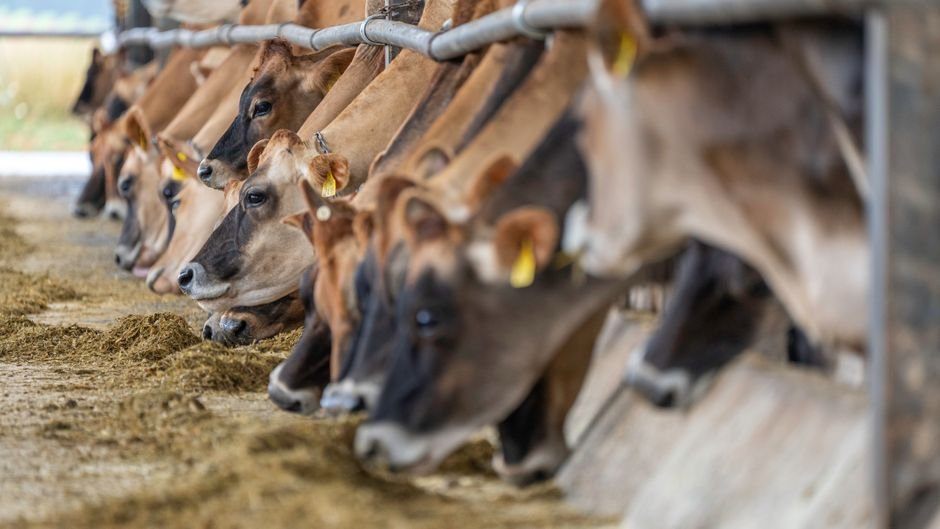
Bovine respiratory disease (BRD) is a contagious, multi-factor illness that damages the lungs and airways of cattle, most often calves and newly shipped animals. It is not caused by one germ alone. BRD usually starts with stress, then involves viruses, bacteria, or both, and can quickly reduce weight gain, feed efficiency, and survival if it is not caught early.
What bovine respiratory disease means in cattle
BRD is often called “shipping fever,” but that nickname only describes part of the problem. The disease can appear after weaning, transport, commingling, weather stress, or changes in diet. Common infectious agents include bovine herpesvirus-1 (IBR), bovine viral diarrhea virus (BVDV), bovine respiratory syncytial virus (BRSV), parainfluenza-3 virus (PI3), and bacteria such as Mannheimia haemolytica, Pasteurella multocida, and Histophilus somni. Once the lungs are inflamed, cattle breathe harder, eat less, and become much more vulnerable to secondary infection.
The disease matters because it is one of the biggest health challenges in beef production. In feedlot settings, BRD is widely recognized as the leading cause of sickness and death, especially in the first few weeks after arrival. Even when an animal survives, treatment costs, reduced average daily gain, and poorer carcass performance can linger long after the fever is gone.
Why BRD develops so easily
BRD is a classic “stress plus germs” disease. Cattle often carry respiratory pathogens without looking sick. Stress weakens their defenses and gives those pathogens a chance to multiply in the upper airway and lungs. That is why the same calf may stay healthy on the ranch, then break with pneumonia after weaning, transport, and arrival at a sale barn or feedlot.
Several practical stressors raise risk:
- Weaning and separation from the dam
- Long-distance hauling or overcrowded transport
- Commingling cattle from different sources
- Dust, mud, poor ventilation, or extreme weather
- Processing stress, dehorning, or castration
- Low immunity from poor colostrum intake or nutritional stress
Veterinarians and producers often use the “shipping fever” label for outbreaks after transport, but the actual disease process is broader. The lungs become inflamed, mucus clearance slows, and bacteria can move deeper into the respiratory tract. Once that happens, a calf can go downhill fast.
Common signs to watch for
Early BRD is easy to miss because cattle often hide illness until they are fairly sick. The first clue is sometimes a calf that is simply “off” — less interested in feed, slower to rise, or lagging behind the group. A fever is often the earliest measurable sign. Normal rectal temperature in cattle is roughly 101.5°F to 103.5°F, so anything above that range deserves attention, especially if it is paired with other changes.
Other common signs include:
For more on this, see our related guide: Proven Tips to Reduce Weaning Stress in Calves During Hot Weather.
- Depressed attitude or isolation from the herd
- Reduced appetite
- Fast or labored breathing
- Coughing
- Nasal discharge, sometimes clear at first and then thicker
- Droopy ears or dull eyes
- Open-mouth breathing in severe cases
Some cattle show only mild signs at first and then worsen quickly. That is why daily pen checks matter. A calf that still stands and walks can still be very sick, and waiting for obvious pneumonia can cost valuable treatment time.
What causes bovine respiratory disease
BRD is usually a disease complex, not a single diagnosis. Viruses often strike first by damaging the protective lining of the airway. That damage makes it easier for bacteria to settle in the lungs. Common viral players include IBR, BVDV, BRSV, and PI3. On the bacterial side, Mannheimia haemolytica is especially important because it can trigger severe lung inflammation and toxin release.

Some herds also see involvement from Mycoplasma bovis, which is harder to control because it can cause chronic lung damage and respond less predictably to treatment. BVDV is especially concerning because it can suppress the immune system and make cattle more vulnerable to other infections. The exact mix varies by region, age, management system, and vaccination history, which is why a vet-led diagnosis is so useful during outbreaks.
How veterinarians diagnose BRD
Diagnosis starts with the animal in front of you, not just a label. A veterinarian will usually look at temperature, breathing rate, lung sounds, attitude, appetite, and history of stress exposure. In many herds, the decision to treat is based on a combination of clinical signs and rectal temperature rather than waiting for lab confirmation.
When an outbreak is severe or recurring, a vet may recommend diagnostic testing such as nasal swabs, tracheal wash samples, lung tissue from a necropsy, or PCR testing for viruses and bacteria. These tests can help identify which pathogens are circulating and whether the current vaccine and treatment program makes sense. A necropsy on a dead calf is often one of the fastest ways to confirm what is happening in the herd.
BRD treatment: what is commonly used
Treatment should begin as soon as a sick animal is identified. Because BRD often involves bacteria, veterinarians commonly prescribe antibiotics labeled for bovine respiratory disease. The exact product depends on the situation, the animal’s age, withdrawal times, and local veterinary guidance. Commonly used classes include macrolides, florfenicol, ceftiofur, and tetracyclines, but the right choice depends on the case and the vet’s protocol.
Supportive care matters too. Sick cattle need easy access to water, shade or shelter, and minimal stress. Some cases benefit from anti-inflammatory therapy to reduce fever and improve comfort, but that decision should be made with a veterinarian because drug selection and timing matter. Severely affected cattle may need repeated treatment, and some animals will not recover enough to stay in the production system.
If you’re also looking into this, our article on Can Cows Eat Watermelon? How to Safely Feed Cull Fruit to Your Herd covers it in more detail.
| Management choice | What it does | Why it matters |
|---|---|---|
| Early treatment | Targets infection before lung damage worsens | Improves odds of recovery and reduces losses |
| Anti-inflammatory support | Lowers fever and discomfort | Can help cattle eat and drink sooner |
| Isolation of sick animals | Separates sick cattle from the group | Reduces spread and makes monitoring easier |
| Follow-up observation | Checks whether the animal responds to therapy | Identifies cases that need a second look |
How to prevent BRD in a herd
Prevention works best when it starts before cattle ever leave the ranch. A strong vaccination program, good colostrum management in calves, low-stress weaning, and proper nutrition all help build resilience. Modified-live virus vaccines are commonly used in beef systems, but the best protocol depends on the herd, the age of the cattle, and whether they are pregnant, recently vaccinated, or high-risk arrivals.
Management changes can make a big difference:
- Wean calves ahead of sale or shipment when possible
- Use preconditioning programs with vaccination and acclimation
- Avoid overcrowding in trucks, pens, and bunks
- Provide clean, dry bedding and good airflow
- Sort cattle by size and source to reduce commingling stress
- Monitor newly arrived cattle closely for the first 2 to 3 weeks
Preconditioning programs such as those promoted by state cattle associations and beef quality assurance efforts are designed to lower BRD risk by improving immunity before shipping. The exact protocol varies, but the principle is consistent: healthier, less-stressed cattle handle the transition better.
What BRD does to performance and profit
BRD is expensive even when cattle survive. Sick calves often gain weight more slowly, eat less efficiently, and may need extra labor and drug costs. In feedlot cattle, even a short illness can create a lasting performance drag. Some animals never fully recover their growth curve, which is why producers pay so much attention to metaphylaxis, vaccination timing, and arrival management in high-risk groups.
There is also the carcass side. BRD can increase the chance of chronic lung lesions found at slaughter, which tells producers that illness occurred even if it was never seen in the yard. Those hidden losses are one reason BRD remains one of the most economically important diseases in beef production.

When to call a veterinarian
Call a veterinarian when multiple animals show fever, when a calf has trouble breathing, when treatment response is poor, or when deaths start to occur. A vet can help determine whether the problem is BRD, another respiratory issue, or something else entirely, such as clostridial disease, heart failure, or a metabolic problem. If your herd has repeated outbreaks, a vet can also review vaccine timing, pen design, nutrition, and sourcing patterns to find the weak points.
Do not wait for severe signs like open-mouth breathing or collapse. At that stage, the chance of recovery drops sharply. Fast identification, accurate records, and a clear treatment plan are the best tools producers have for limiting losses.
This ties in closely with Effective Cattle Housing and Shelter: A Comprehensive Guide for Optimal Herd Health, worth a look if you want to go deeper.
Frequently Asked Questions
Is bovine respiratory disease the same as pneumonia in cattle?
Not exactly. Pneumonia describes inflammation in the lungs, while bovine respiratory disease is the broader syndrome that leads to that lung damage. BRD can include viral infection, bacterial infection, stress, and immune suppression all at once. Many people use the terms interchangeably, but BRD is the more complete diagnosis.
What age cattle are most at risk for BRD?
Weaned calves, newly shipped stockers, and feedlot arrivals are the most common high-risk groups. Young calves are vulnerable because their immune systems are still developing, while older calves and yearlings are often stressed by transport, commingling, and ration changes. Any cattle under stress can develop BRD, but those transition periods are the danger zones.
Can vaccinated cattle still get bovine respiratory disease?
Yes. Vaccines reduce risk and severity, but they do not guarantee complete protection. Timing matters, and immunity takes time to develop. If cattle are stressed, exposed to a heavy pathogen load, or vaccinated too close to shipment, they may still become sick. Vaccination works best as part of a broader prevention plan.
How can I tell BRD from a simple cold or stress?
A mild stress response may cause short-term dullness or a brief temperature rise, but BRD usually brings a combination of fever, reduced appetite, cough, abnormal breathing, and worsening attitude. A rectal temperature above the normal cattle range is an important clue. If signs persist or more than one animal is affected, treat it as a possible BRD case and involve a veterinarian.
What is the best way to prevent BRD after shipping cattle?
Give cattle a low-stress arrival: clean water, feed, space, ventilation, and close observation during the first 14 to 21 days. Pre-shipment vaccination, preconditioning, and minimizing commingling also help. The best prevention plan is the one tailored to your herd, your housing, and your sourcing pattern.
This article is for general information and isn’t a substitute for advice from a qualified veterinarian. If cattle are showing signs of illness, work with your vet for diagnosis and treatment recommendations.