
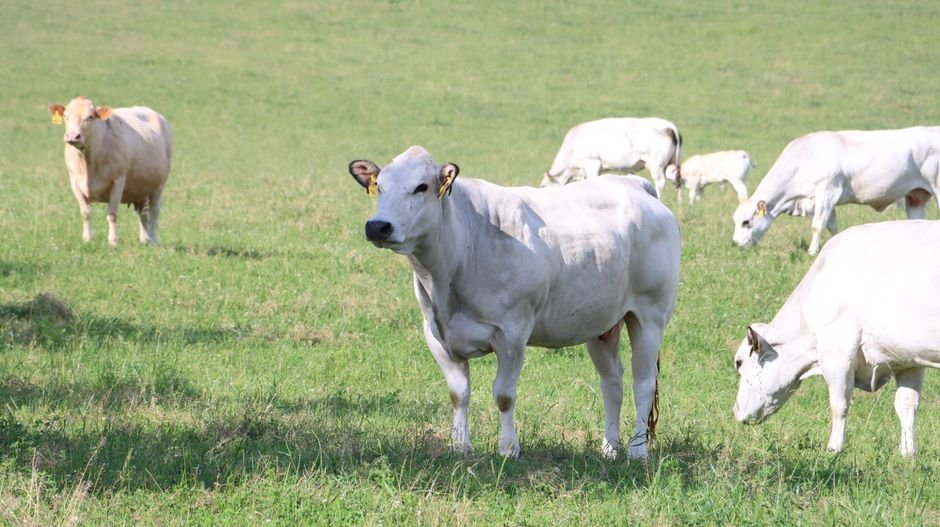
Introduction to Aging and Sexing Cattle
For cattle producers, ranchers, veterinarians, and livestock buyers, knowing the age and sex of cattle is essential. Accurate aging and sexing impact decisions related to breeding, nutrition, health management, market value, and herd record-keeping. While some methods rely on visual inspection, others use anatomical and physical markers that require experience and care.
This article provides detailed, practical techniques for determining the age and sex of cattle, including real-world examples and tips that improve accuracy in the field.
Why Is Accurate Aging and Sexing Important?
Determining the age and sex of cattle helps optimize:
- Breeding programs: Selecting animals with ideal reproductive potential. For example, identifying cows that are at peak fertility age (generally between 3 and 6 years) versus older cows with declining productivity allows producers to maintain a strong gene pool and improve calving rates.
- Nutrition plans: Adjusting feed rations based on growth stage and sex. A growing yearling steer requires different nutrient levels compared to a mature lactating cow; improper nutrition may stunt growth or reduce milk production.
- Health management: Administering vaccinations or treatments appropriate for age and sex. Some vaccines are only recommended for younger animals, and certain reproductive health treatments differ between bulls and cows.
- Market pricing: Younger steers often fetch higher prices, while mature bulls and cows have different valuations. For instance, a 12-month-old steer destined for feedlot finishing typically commands a premium compared to an older cull cow.
Without precise age and sex information, producers risk inefficiencies that can affect profitability and herd health. Misjudging age can lead to overfeeding immature animals or underfeeding mature ones, while incorrect sex identification may cause breeding management errors or mispricing at sale.
Best Practices for Aging Cattle
1. Using Dentition for Age Estimation
The most widely accepted method for aging cattle is by examining their teeth, specifically the eruption and wear of incisors. This method is practical for cattle older than 6 months and is commonly used by livestock professionals around the world. Dentition reflects physiological development and is less influenced by external factors than body size alone, making it a preferred aging technique.
Incisor Development Timeline
| Age | Incisor Stage | Description |
|---|---|---|
| Birth to 6 months | No permanent teeth | Milk teeth present; permanent incisors not yet erupted. |
| 1 to 1.5 years | 1st pair of permanent incisors | Central pairs of permanent incisors erupt, replacing milk teeth. These are larger, whiter, and more rectangular than the milk incisors. |
| 2 to 2.5 years | 2nd pair of permanent incisors | Second pair of permanent incisors appear beside the first, showing a noticeable progression of dental maturity. |
| 3 to 3.5 years | 3rd pair of permanent incisors | Third pair erupts, further expanding the permanent incisors across the jaw. |
| 4 to 4.5 years | All permanent incisors present | Fourth pair erupts completing the permanent set. At this stage, the animal has a full adult set of incisors. |
| 5+ years | Wear patterns | Teeth begin to show wear; more wear indicates older age. The edges become rounded, and teeth may be shortened or missing in very old cattle. |
Note: Dentition can vary somewhat by breed and environment, so it’s important to combine this method with other indicators for best results. For example, Brahman-influenced breeds may exhibit slightly delayed incisor eruption compared to British breeds due to genetic factors. Additionally, cattle grazing on abrasive feeds or in arid, sandy environments may display faster tooth wear.
When inspecting teeth, it’s recommended to use proper restraint and lighting. Gently lifting the upper lip to expose the incisors provides a clear view. Experienced professionals also look for subtle differences in tooth color and shape that indicate age more precisely.
For more on this, see our related guide: How to Choose the Right Land and Acreage for Cattle Farming.
2. Physical Body Characteristics
Body size, muscular development, and secondary sexual characteristics can assist aging, especially when teeth are not accessible. This method is particularly useful in extensive grazing systems where close-up examination is challenging.
- Young calves have smaller frames, softer coats, and are less muscular. You may also notice a shorter, less developed face and a more rounded body shape.
- Yearlings show increased height and muscle, but lack full adult bone development. Their shoulder width and hip structure are still growing, and their necks are relatively slender.
- Adults generally exhibit larger frames, thicker necks, and more pronounced musculature. Mature cows develop a wider pelvis and deeper body cavity to support reproduction and lactation.
- Older cattle tend to exhibit sagging backs, more prominent joints, and sometimes loose skin. You might observe a drooping topline and sunken areas around the eyes and hip bones due to muscle loss.
In addition to these markers, producers often note coat texture and color changes with age. For example, some breeds develop graying hairs or mottled pigmentation as they mature, which can inform age estimation.

While these traits are more subjective than dentition analysis, they are useful as secondary confirmation when combined with more objective methods.
Best Practices for Sexing Cattle
1. Visual Identification of Primary Sexual Characteristics
The most straightforward way to determine the sex of cattle is by inspecting their primary sexual organs. This method is reliable across all age groups and is essential for proper herd management.
- Males (Bulls or Steers): Presence of a scrotum and testicles, and a sheath or penis visible on the ventral side. Bulls have larger, more developed testicles, while steers (castrated males) may have smaller or less prominent scrotums depending on the timing of castration.
- Females (Heifers or Cows): Presence of udders or teats, absence of scrotum, and visible vulva located beneath the tail. In heifers, the udder development may be minimal, but the vulva can be distinctly identified. Mature cows will have more pronounced udders, especially if lactating.
In young calves, the scrotum is visible within a few days after birth, while females have a vulva that is more distinct as they mature. It’s important to note that in newborn calves, the sheath and vulva are small and can be easily overlooked, so handling calves carefully and observing from multiple angles can improve accuracy.
2. Secondary Sexual Characteristics
Secondary sexual traits can help distinguish sex in older animals and are often used when primary sexual organs are not easily visible due to restraint challenges or environmental conditions.
If you’re also looking into this, our article on Profit-Driven vs. Homestead Cattle Raising: Choosing the Right Path covers it in more detail.
- Bulls: Tend to have thicker necks with a pronounced crest, heavier build, and more muscular shoulders. The crest is especially noticeable in breeds like Angus or Hereford, where it forms a discernible hump of muscle along the topline.
- Cows: Less muscular necks and shoulders, and typically a more rounded body conformation. They often have a more angular, less bulky appearance than bulls, especially in the shoulder and neck regions.
Steers (castrated males) may resemble cows in body shape but retain male genitalia anatomy. Steers often have a more docile temperament and less muscle mass than bulls, which can be a helpful behavioral clue as well.
3. Behavioral Observations
Sex-linked behaviors offer clues, especially in mixed herds:
- Bulls tend to be more aggressive and territorial, often displaying behaviors such as sparring, mounting, and vocalizing loudly to establish dominance.
- Heifers and cows often display maternal behaviors and group more closely with other females, showing protective instincts toward calves.
However, behavior should not be the sole method to determine sex. For example, steers can sometimes display aggressive behaviors similar to bulls, especially if castrated later in life.
Additional Considerations and Advanced Techniques
1. Use of Records and Identification Tags
When available, animal records and ear tags provide definitive age and sex information. Maintaining accurate herd records simplifies management and reduces error.
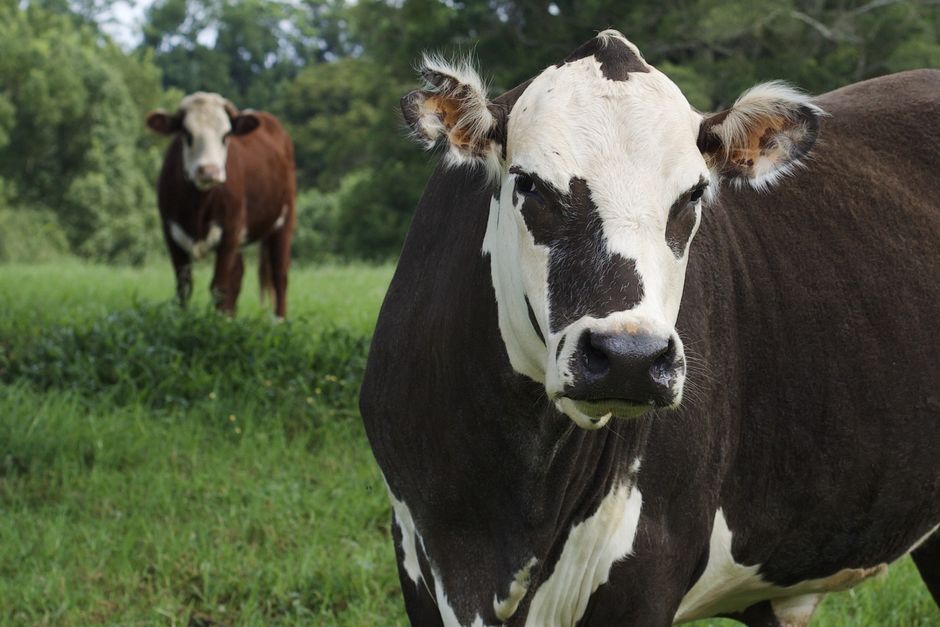
Many producers implement RFID (Radio Frequency Identification) tags, which can be scanned with handheld readers to instantly retrieve age, sex, health history, and breeding status. Such technology greatly enhances traceability and decision-making, especially in large herds or commercial operations.
In countries with national livestock databases, tag numbers often link to central records, facilitating regulatory compliance for disease control and export requirements.
This ties in closely with A Year of Raising Your First Cattle: From Arrival to Year-End Planning, worth a look if you want to go deeper.
2. Ultrasound and DNA Testing
For precise age and sex determination, especially in breeding stock, veterinary ultrasound can detect reproductive organs and fetal sex. Ultrasound is widely used in the cattle industry to:
- Confirm pregnancy and estimate fetal age, helping optimize breeding intervals.
- Identify reproductive disorders such as cystic ovaries or testicular abnormalities.
- Determine fetal sex during mid-gestation (around 60-90 days), which assists producers planning breeding and marketing strategies.
DNA testing confirms sex at a genetic level but is typically reserved for breeding or research purposes due to cost. It is useful when physical inspection is inconclusive, such as ambiguous genitalia or to verify parentage and breed purity. Recent advances have reduced DNA testing costs, making it more accessible for commercial operations.
3. Practical Tips for Field Accuracy
- Combine dentition analysis with visual and behavioral observations for best results. For instance, if teeth indicate a 3-year-old animal but physical traits suggest older, recheck both methods.
- Approach animals calmly to safely observe physical features without stress. Sudden movements can cause animals to retract or hide key identifying characteristics.
- Use proper lighting and work with experienced personnel when possible. Natural daylight is preferable, and tools such as headlamps or flashlights can help during early morning or late evening checks.
- Maintain good hygiene when inspecting animals to prevent the spread of disease, especially when handling multiple groups.
- Document observations with photographs or notes to build a reference database for your specific herd and environment.
Summary Table: Comparing Aging and Sexing Methods
| Method | Age Range Applicability | Accuracy | Required Skill/Equipment | Use Case |
|---|---|---|---|---|
| Dentition (Teeth Examination) | 6 months to 10+ years | High (with experience) | Moderate skill, no equipment | Field aging of live cattle |
| Visual Secondary Characteristics | All ages | Moderate | Basic observation | Quick sexing and rough age estimate |
| Genital Inspection | All ages | Very High | Basic observation | Sexing live animals |
| Records and Tags | All ages | Very High | None (requires good recordkeeping) | Best for herd management |
| Ultrasound/DNA Testing | All ages | Extremely High | Specialized equipment and cost | Breeding stock verification |
Conclusion
Accurately aging and sexing cattle requires a combination of methods tailored to the situation. Dentition provides the most reliable age estimate for animals older than six months, while genital inspection is the gold standard for sex determination. Secondary physical traits and behavior supplement these techniques but should not be used alone. When possible, good recordkeeping and advanced tools like ultrasound or DNA testing provide definitive data, especially for breeding programs.
By mastering these practical approaches, cattle managers can improve herd productivity, optimize feeding and health protocols, and increase profitability. For instance, accurately identifying the reproductive status and age of breeding females can lower calving intervals and improve calf crop quality. Similarly, correct sex identification prevents costly mistakes such as breeding a steer or mismanaging bulls within the herd.
Continued education, field experience, and technological advancements will further enhance the accuracy of aging and sexing cattle, supporting sustainable and profitable livestock production worldwide.