
What kind of land is best for cattle?
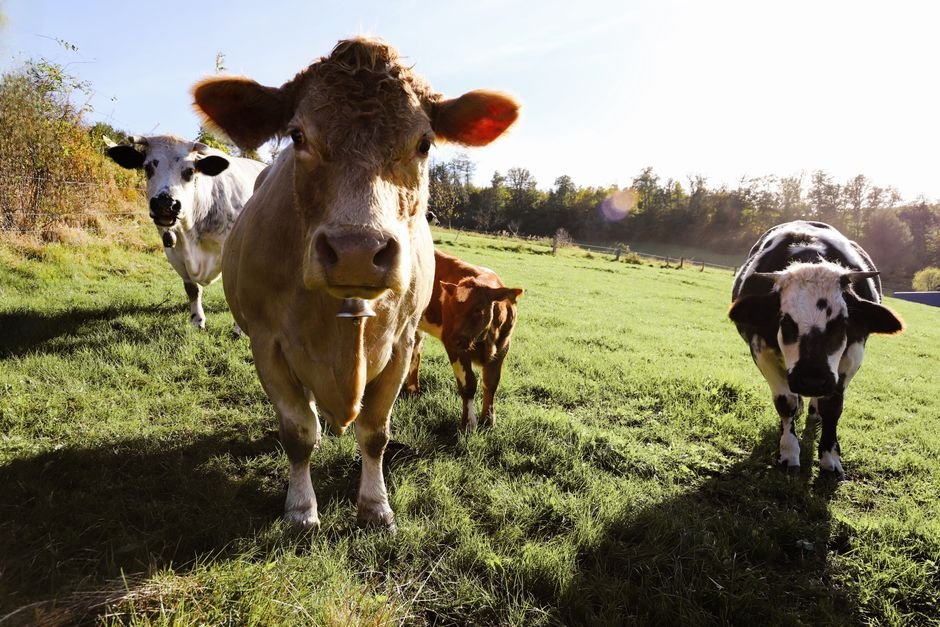
The best land for cattle is well-drained pasture with enough forage growth, reliable water, safe fencing, and a stocking rate the ground can actually support. In practice, that usually means productive grassland or mixed pasture with gentle slopes, firm soil, and room to rotate grazing without turning the field into mud or bare dirt. Flat, fertile land is not automatically best if it floods; hilly land can work very well if it drains cleanly and grows grass reliably.
The short answer: land that grows grass without getting wrecked by cattle
Cattle are easiest to raise on land that can produce forage through much of the grazing season and recover after grazing. The ideal setup is not “the biggest field” or “the cheapest acreage,” but land that balances soil health, drainage, water access, and grazing pressure. A pasture that stays wet for long periods, erodes easily, or lacks enough grass will cost more to maintain and often supports fewer animals than expected.
That is why experienced cattle producers look first at forage potential and drainage, then at fence lines, water points, and herd management. Land that supports rotational grazing, keeps cattle out of mud, and can be rested between grazing cycles is usually better than land that looks lush for a few weeks but cannot hold up through a season of use.
1. Good cattle land starts with productive forage
For cattle, land is only as good as the grass and legumes it can grow. Pastures with a strong mix of cool-season or warm-season grasses, depending on your region, give cattle the fiber and energy they need while reducing the amount of purchased feed. In many regions, productive pasture includes species such as orchardgrass, tall fescue, bermudagrass, bahiagrass, timothy, clover, or alfalfa, depending on climate and soil type.
The key is not just species name but density and regrowth. A pasture with thin cover, weeds, or exposed soil will not keep up with grazing pressure. Healthy forage stands also help protect the soil from compaction and runoff. If a field already produces strong hay or pasture growth with modest fertilizer and good management, that is a strong sign it can support cattle well.
2. Drainage matters more than many new buyers expect
Cattle do poorly on land that stays wet. Poor drainage leads to hoof problems, pugging, mud around gates and waterers, and damaged pasture roots. Wet ground also makes it harder to move cattle, spread manure evenly, or keep fences standing. Even fertile bottomland can become a liability if it floods often or stays saturated after rain.
Well-drained land does not have to be dry all the time. It just needs to shed excess water quickly enough that cattle are not standing in mud for long stretches. Gentle slopes, porous soils, and pasture that dries within a reasonable time after rainfall are usually better than low pockets that collect water. If you are evaluating a property, walk it after rain and look closely at hoof prints, standing water, and the condition of fence corners and access lanes.
3. Soil type affects both grass growth and hoof health
Soil influences how much forage a pasture can produce and how resilient it is under grazing. Loam soils are often excellent for cattle because they usually balance drainage, moisture retention, and fertility. Clay soils can support good pasture growth, but they may get sticky in wet weather and compact easily. Sandy soils drain well, but they can dry out quickly and may need more careful fertility and grazing management.
For more on this, see our related guide: How Many Cows Can You Raise Per Acre in North Carolina? Pasture and Hay Breakdown.
A soil test is one of the most useful tools you can use before buying or improving cattle land. It tells you pH and nutrient levels, which helps you decide whether lime, phosphorus, potassium, or organic amendments are needed. For a grazing farm, knowing the soil’s baseline fertility is more valuable than guessing based on how green the field looks in spring. The USDA Natural Resources Conservation Service and local extension services can help interpret soil and pasture conditions for your area.
4. Gentle slopes are usually better than steep ground
Cattle can graze hilly land, and in some regions rolling pasture is actually ideal because it drains well and stays productive. The problem begins when slopes become too steep for safe movement, machinery, or erosion control. Very steep ground can lose topsoil quickly, especially if cattle trail the same paths repeatedly or if heavy rain washes bare spots downhill.

Gentle to moderate slopes are often the sweet spot. They help with drainage without making the farm difficult to manage. If you need to mow, seed, spread fertilizer, or move hay equipment across the land, a manageable slope saves time and reduces risk. For larger herds, it also helps if the terrain allows cattle to move naturally between water, shade, and grazing areas without crowding or stress.
5. Water access can make or break a grazing site
Cattle need clean, dependable water every day. Land with a creek, pond, spring, or well can work well, but only if the water source is reliable and protected. A pond that dries up in summer or a stream that becomes muddy after storms is not enough on its own. In many grazing setups, a piped water system with troughs is more dependable than open access to natural water.
Good land for cattle has water available without forcing animals to walk long distances across fragile ground. Long walks waste energy, reduce grazing efficiency, and create worn trails that turn muddy fast. As a practical rule, water should be close enough that cattle can access it easily from every grazing paddock. If the farm relies on natural water, check legal access, quality, flow rate, and whether fencing is needed to protect banks and reduce erosion.
6. Fencing and layout matter almost as much as acreage
Acreage alone does not determine whether land is good for cattle. A well-fenced 40-acre pasture with cross-fencing may outperform a much larger tract that cannot be divided for rotation. Rotational grazing works best when land can be split into paddocks so cattle can graze one area, then move while the grass regrows.
If you’re also looking into this, our article on 34. Round Bale Feeder: Which Type Wastes the Least Hay and Saves You Money? covers it in more detail.
| Land feature | Why it helps cattle | What to look for |
|---|---|---|
| Perimeter fence | Keeps cattle contained and reduces losses | Strong woven wire, barbed wire, or electric fence in good repair |
| Cross-fencing | Makes rotational grazing possible | Pasture division into usable paddocks |
| Gates and lanes | Improves movement and reduces stress | Wide, dry access points that do not bottleneck cattle |
| Water placement | Distributes grazing more evenly | Troughs or access points within easy reach of each paddock |
If the farm layout forces cattle to bunch up in one corner, overgraze one area, or walk through wet ground to reach feed or water, the land becomes much harder to manage well. Good design often matters more than raw size.
7. The best cattle land supports the stocking rate you need
Stocking rate is the number of animals a pasture can support over time without damage. This is one of the most important numbers in cattle management, and it depends on rainfall, soil fertility, forage species, season length, and grazing style. A pasture that can support a cow-calf pair in one region may support far fewer animals in another.
There is no universal stocking rate that fits every farm. That is why land should be judged by forage production, not just by acreage. If you buy land assuming it can support more cattle than it really can, you will end up feeding hay longer, buying more supplements, and damaging the pasture faster. Local extension offices, NRCS grazing plans, and regional forage guides are the best way to estimate carrying capacity for your area.
Land types that often work well for cattle
Different regions use different land types successfully, but some patterns show up again and again. The best cattle land is usually one of these:
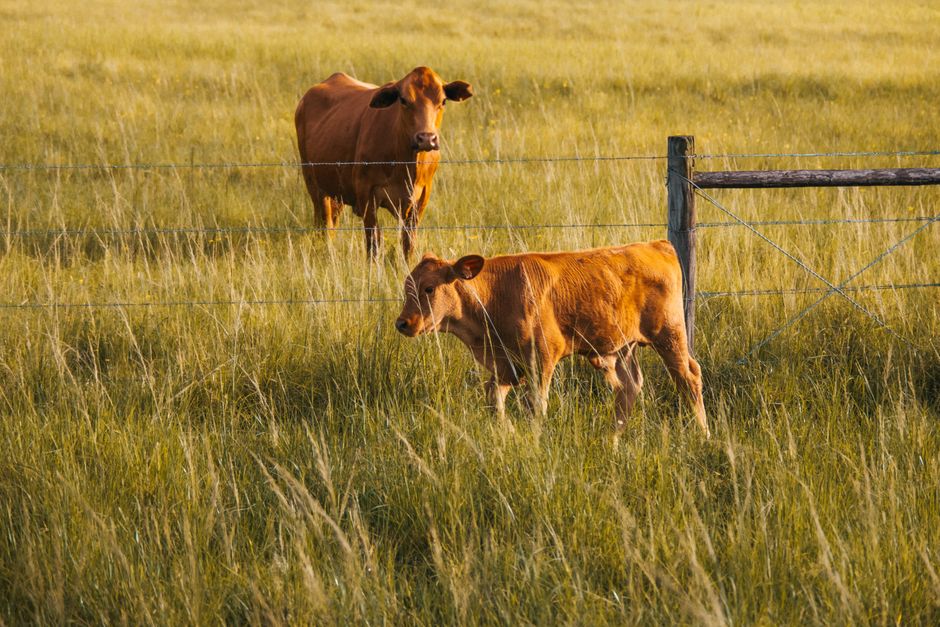
- Established grass pasture with good drainage and strong ground cover.
- Mixed pasture and hay ground that can be rotated between grazing and harvest.
- Rolling or gently sloped land that sheds water but is still easy to manage.
- Improved pasture with fertility, fencing, and water already in place.
- Wooded pasture or silvopasture where shade and forage are balanced carefully.
What usually works less well is land that is swampy, badly eroded, overgrown with brush, or so steep that cattle and equipment cannot move safely. Those acres may still be useful in a larger operation, but they are rarely the best starting point for a straightforward cattle setup.
What to inspect before buying or leasing land for cattle
Before committing to a property, walk it in different weather if possible. A field that looks perfect in a dry week can reveal drainage, erosion, and access problems after rain. Check the pasture stand, soil feel, water availability, fence condition, tree cover, and whether there is enough space for handling cattle safely.
It also helps to ask how the land has been used before. Ground that has been row-cropped, overgrazed, or left idle for years may need reseeding, liming, fencing, and weed control before it can support cattle well. If the farm already has working lanes, water lines, and rotational paddocks, that can save major time and money. In many cases, the “best” land is not the prettiest land — it is the land that is ready to be managed well.
This ties in closely with How Many Cows Per Acre in Missouri? Stocking Rates for Different Pasture Types Explained, worth a look if you want to go deeper.
Frequently Asked Questions
Is flat land always best for cattle?
No. Flat land can be useful, but it is not automatically the best choice. If it holds water or floods, it may be worse for cattle than a gently sloped pasture that drains well. The best land is usually the land that balances drainage, forage growth, and ease of management.
How many acres do you need for cattle?
There is no fixed acreage requirement because stocking rate depends on rainfall, pasture quality, soil fertility, and how long the grazing season lasts. Productive pasture in a humid region may support more cattle than dry range with the same acreage. A local extension agent or grazing specialist can help estimate carrying capacity for your farm.
Can cattle graze wooded land?
Yes, if the woodland is managed as silvopasture or open woodland with enough understory forage. Trees can provide shade and help with heat stress, but the area still needs grass, safe footing, and enough open space to prevent damage to roots and soil. Dense woods without forage are not good cattle land.
What soil is best for cattle pasture?
Loam is often ideal because it balances drainage and moisture retention. That said, clay or sandy soils can still work if they are managed well, improved with fertility amendments, and matched to the right forage species. A soil test is the best way to judge what the land needs.
Should I choose land with a creek or a pond?
Natural water can be helpful, but it should not be your only plan. Creeks and ponds can be seasonal, muddy, or hard on banks if cattle have direct access. Many farms do better with a protected water source, such as a trough fed by a well or piped system, even if a creek or pond is also present.