
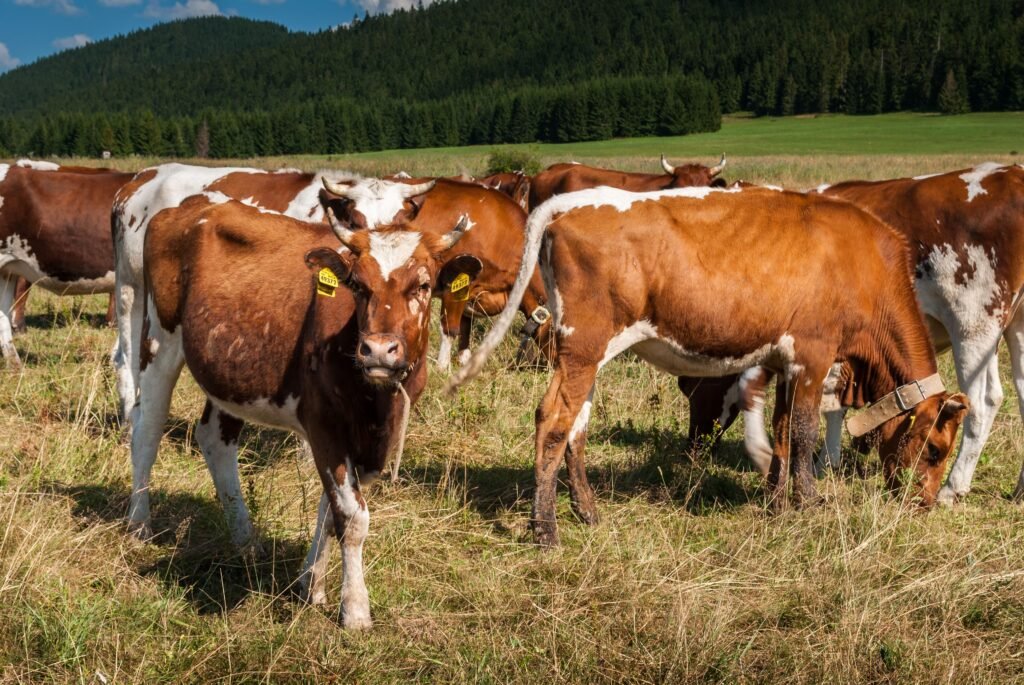
Introduction to Raising Cattle on a Small Farm
Starting a cattle operation on a small farm can be an incredibly rewarding experience, whether you want to produce your own beef, dairy products, or simply enjoy the lifestyle. Beyond the tangible benefits of fresh, home-produced meat and milk, raising cattle offers opportunities for land stewardship, niche marketing, and deepening your connection with agriculture. However, it’s important to understand the key components, costs, and responsibilities involved before investing time and money. This guide lays out practical steps, breed recommendations, and management tips tailored for small-scale farmers, focusing on sustainable and efficient practices to maximize success.
Assessing Your Small Farm’s Capacity
The first step is understanding how many cattle your land can support. Cattle require grazing area, shelter, water, and space for movement. The general stocking rate varies depending on pasture quality, soil type, climate, and management practices. It’s crucial to evaluate your farm holistically, considering both natural resources and infrastructure.
Land Requirements
- Stocking Density: On average, one cow-calf pair requires about 1.5 to 2 acres of good-quality pasture per year in temperate climates like the Midwest US. However, this can vary significantly; for example, in the arid Southwest, the stocking rate might be closer to 8-10 acres per pair due to sparse forage.
- Grazing Management: Rotational grazing can increase carrying capacity by 20-30% by allowing pastures to recover and improve forage quality. Implementing a multi-paddock system with 4 to 8 paddocks enables cattle to graze intensively for short periods, promoting healthier root systems and reducing soil erosion.
- Size Consideration: A 10-acre farm could sustainably support about 5 to 7 cows if managed well. It’s important to factor in setbacks for infrastructure such as lanes, water points, shelters, and riparian buffers to protect streams or sensitive habitats.
For example, a study from Oklahoma State University recommends 1.75 acres per cow-calf pair in mixed grass pastures under rotational grazing. Additionally, soil testing to determine nutrient status, pH, and organic matter can provide insights on pasture productivity and necessary soil amendments, enabling more precise stocking rates.
Besides acreage, consider water availability and quality. Cattle need access to clean water daily, with mature cows drinking 10-20 gallons each. Reliable water sources—streams, ponds, wells, or troughs—must be adequate, especially during hot summers.
Choosing the Right Cattle Breed
Choosing a breed depends on your farm’s goals—whether beef production, dairy, or dual-purpose—as well as climate, available feed, and personal preferences. Selecting the right breed can improve efficiency, animal health, and product quality.
| Breed | Purpose | Size | Temperament | Notable Traits |
|---|---|---|---|---|
| Angus | Beef | Medium to Large (1,000-1,300 lbs) | Docile | Good marbling, hardy in various climates; widely recognized for quality beef with superior tenderness and flavor. Popular for crossbreeding to improve meat quality. |
| Jersey | Dairy | Small to Medium (800-1,000 lbs) | Gentle | High butterfat milk, efficient grazers; Jerseys produce milk with 4.9% butterfat on average, making their milk ideal for cheese and butter production. They require less feed compared to larger dairy breeds. |
| Dexter | Dual (Beef & Dairy) | Small (600-1,000 lbs) | Calm | Good for small farms, low maintenance; Dexters are one of the smallest cattle breeds, making them manageable and cost-effective. They are hardy in cold climates and known for efficient feed conversion. |
| Hereford | Beef | Medium to Large (1,200 lbs) | Docile | Resistant to heat and cold; Herefords are known for their adaptability to varied environments from humid to arid climates. They have strong maternal traits and are easy calvers. |
For beginners, smaller breeds like Dexter or Jersey are often recommended due to their manageable size and lower feed requirements. Additionally, heritage breeds such as Red Poll or South Devon may appeal to farmers focused on niche markets and genetic diversity. Research local breed associations and talk to nearby farmers to understand what breeds perform best in your region.
Initial Costs and Budgeting
Cattle farming requires upfront investment, and planning your budget carefully can prevent surprises. Below is a detailed breakdown of typical expenses for raising five cows on a small farm, along with tips for cost-saving and potential hidden expenses.
| Expense | Estimated Cost | Notes |
|---|---|---|
| Purchase of Cattle | $1,200 – $1,800 per head | Depends on breed, age, and market; prices fluctuate seasonally and with market demand. Purchasing bred heifers or cow-calf pairs may be more expensive but reduces waiting time for production. |
| Fencing (per acre) | $1,500 – $2,000 | Electric fencing recommended for rotational grazing; includes posts, wire, energizer, and grounding. Durable fencing can last 10+ years with regular maintenance. |
| Shelter Construction | $3,000 – $5,000 | Basic three-sided shelter or barn; costs vary with materials chosen (wood vs. metal), labor, and size. Consider adding windbreaks or shade structures for heat stress mitigation. |
| Feed & Supplements (annual) | $300 – $500 per cow | Hay, mineral blocks, grain (if needed); prices vary with local availability and weather. Budget extra for drought years or emergencies. |
| Veterinary & Health | $100 – $200 per cow annually | Vaccinations, deworming, health checks; unexpected illnesses or calving complications can increase costs. Investing in a good vet relationship is key. |
| Water Systems | $500 – $1,000 | Automatic waterers or troughs; consider durability and ease of cleaning. Solar-powered systems can reduce energy costs in remote locations. |
Additional potential costs include transportation of cattle, insurance, equipment such as feeders and handling gear, and marketing expenses if selling products directly. Farmers who raise their own replacement heifers can reduce long-term costs but need to account for extended timelines and additional care for breeding stock.
Expect to budget roughly $10,000 to $15,000 for a small herd and necessary infrastructure, excluding land cost. Many small-scale farmers offset initial costs by starting with fewer animals or purchasing older cows and expanding gradually.
Preparing Your Farm
Fencing and Pasture Setup
Good fencing is critical to keep cattle safe and contained. Electric fences are cost-effective and easy to install for small farms, offering flexibility to adjust paddock sizes as needed. When planning fence lines, avoid placing them through wet areas or steep slopes to reduce maintenance issues.
Plan for rotational grazing paddocks to improve pasture productivity and animal health. For example, dividing 10 acres into 4 paddocks allows one paddock to rest while cattle graze on others. Implement a pasture plan that accounts for forage growth rates, seasonal variations, and rest periods of at least 30 days to promote regrowth.
Incorporate fencing details such as gates positioned for easy access, buffer zones near water sources to prevent contamination, and wildlife-friendly designs if local regulations or conservation efforts apply.
Shelter and Handling Facilities
Cattle need protection from extreme weather including heat, wind, rain, and snow. A simple three-sided shed sized for at least 15 square feet per animal is sufficient; ensure proper ventilation to prevent respiratory issues. Position shelters on well-drained ground to avoid mud and reduce parasite risks.
Handling facilities such as a squeeze chute and alleyway are also useful for vaccinations and routine checks. Small farms can invest in portable handling equipment if budget is tight; these can be rented or shared through cooperative arrangements with other farmers. Properly designed handling systems reduce stress on animals and handlers, improving safety and efficiency.
Consider adding shaded loafing areas and ample bedding material, such as straw or wood shavings, especially in winter months for comfort and disease prevention.

Feeding and Nutrition
The bulk of a cow’s diet should come from pasture, but it’s important to supplement as needed, especially during winter or drought. Well-balanced nutrition supports reproduction, growth, and milk production.
- Pasture Quality: Aim for a mix of grasses like fescue, ryegrass, and clover, which provide a balance of fiber and protein. Incorporating legumes such as alfalfa or white clover can increase nitrogen fixation, reducing fertilizer needs. Soil testing and regular pasture assessments help maintain forage quality and identify nutrient deficiencies.
- Supplemental Feeding: Hay or silage during winter months ensures consistent nutrition when pasture growth slows. Grain supplements can support lactating cows or growing calves but should be fed judiciously to avoid digestive upset. An example feeding rate might be 1-2% of body weight in forage, with grain supplements of up to 0.5% for high-producing animals.
- Minerals: Provide free-choice mineral blocks tailored to cattle nutritional needs, such as those with added selenium in deficient areas. Regularly check mineral consumption and adjust based on animal condition and forage analysis.
- Water: Always ensure clean, fresh water is readily available. Cattle can consume over 50 gallons per day in hot weather.
Monitoring body condition scores (BCS) is an effective way to assess nutritional adequacy, aiming for a BCS of 5-6 on a 9-point scale in breeding females. Adjust feeding programs accordingly during pregnancy and lactation stages.
Cattle Health Management
Preventive care is essential to avoid costly veterinary bills and maintain herd productivity. Key health tasks include:
- Vaccinations: Core vaccines include Bovine Respiratory Disease complex, Clostridial diseases (such as Blackleg and Tetanus), and Leptospirosis in some regions. Timely vaccination schedules tailored to local disease risks are critical.
- Deworming: Strategic deworming based on fecal egg counts, typically 2-3 times annually, helps control internal parasites while reducing drug resistance. Pasture rotation also minimizes parasite burdens.
- Regular Observation: Daily monitoring for signs of illness such as lethargy, loss of appetite, abnormal gait, or respiratory issues allows early intervention. Isolate sick animals promptly to prevent contagion.
- Hoof Care: Regular hoof trimming may be needed in wet climates to prevent foot rot and lameness.
- Parasite Control: External parasite management using dust bags, sprays, or pour-on treatments protects cattle welfare and growth rates.
Building a relationship with a local large-animal veterinarian is recommended for routine care, herd health planning, and emergencies. Many vets offer herd health visits and can assist with record-keeping software and diagnostic testing.
Record-Keeping and Legal Considerations
Maintaining detailed records can help track herd health, breeding, and financial performance while supporting decision-making and regulatory compliance.
- Birth and breeding dates: Track calving intervals, breeding success rates, and identify cows with reproductive issues.
- Vaccination and treatment history: Maintain schedules and note any adverse reactions.
- Feed and pasture expenses: Monitor input costs to evaluate profitability and identify opportunities for efficiency.
- Performance Metrics: Record weights, growth rates, and milk production if applicable.
Additionally, check local zoning laws and livestock regulations. Some areas have limits on cattle numbers, require specific permits, or have mandated setbacks from neighboring properties and water bodies. State and federal programs may offer cost-share opportunities for fencing, shelter, or conservation practices—explore options through your local extension office or agricultural departments.
Breeding and Calving Basics
For a sustainable herd, understanding breeding cycles is key. Most beef cattle are bred once per year, with a gestation period of approximately 283 days.
- Breeding Methods: Natural service with a bull is common for small farms due to simplicity. However, artificial insemination (AI) allows access to superior genetics and disease control but requires training and timing precision. Selecting bulls with good calving ease scores reduces birthing problems.
- Calving Season: Timing depends on climate and forage availability; spring calving is common in many regions to coincide with peak pasture growth. Alternatively, fall calving may suit areas with mild winters or specialty markets. Manage calving so cows have adequate nutrition pre- and post-calving.
- Calf Care: Newborn calves need to receive colostrum within the first 6 hours for immunity. Monitor for navel infections, ensure proper tagging or identification, and provide shelter to protect from adverse weather. Early-weaning strategies can be employed to optimize cow condition and pasture use.
Record-keeping of breeding dates, sire information, and calf birth weights supports genetic selection and herd improvement over time. Consider culling cows with reproductive or health issues to maintain herd productivity.
Making the Most of a Small-Scale Operation
Small farms can thrive by focusing on niche markets such as grass-fed beef, organic dairy, or heritage breeds. These markets often command premium prices and loyal customer bases. For example, grass-fed beef can sell at 20-30% higher prices than conventional beef due to perceived health benefits and environmental sustainability.
Direct sales through farmers’ markets, Community Supported Agriculture (CSA) programs, farm stands, or online platforms increase profitability by cutting out middlemen. Value-added products like artisanal cheeses, yogurt, or specialty cuts can diversify income streams.
Joining local farming cooperatives or cattle associations can provide valuable resources, bulk purchasing discounts, shared marketing efforts, and networking opportunities. Cooperative grazing agreements, shared equipment, or joint processing ventures can help small farmers reduce costs and increase scale efficiency.
Education is ongoing—attending workshops, extension programs, and field days keeps farmers updated on best practices, new technologies, and regulatory changes. Many states have small farm programs offering technical assistance and grants.
Summary: Key Steps to Start Raising Cattle
| Step | Action | Estimated Timeline |
|---|---|---|
| 1 | Assess land and pasture quality | 1-2 months |
| 2 | Choose cattle breed suited to goals and farm size | 1 month |
| 3 | Prepare fencing, shelter, and water systems | 2-3 months |
| 4 | Purchase cattle and transport to farm | 1-2 months |
| 5 | Establish feeding, health, and breeding routines | Ongoing |
Raising cattle on a small farm requires planning, investment, and consistent management, but the rewards of producing your own high-quality beef or dairy are well worth the effort. By focusing on sustainable practices, selecting appropriate breeds, and maintaining diligent health and nutrition programs, small-scale farmers can build productive, profitable, and enjoyable cattle operations.