
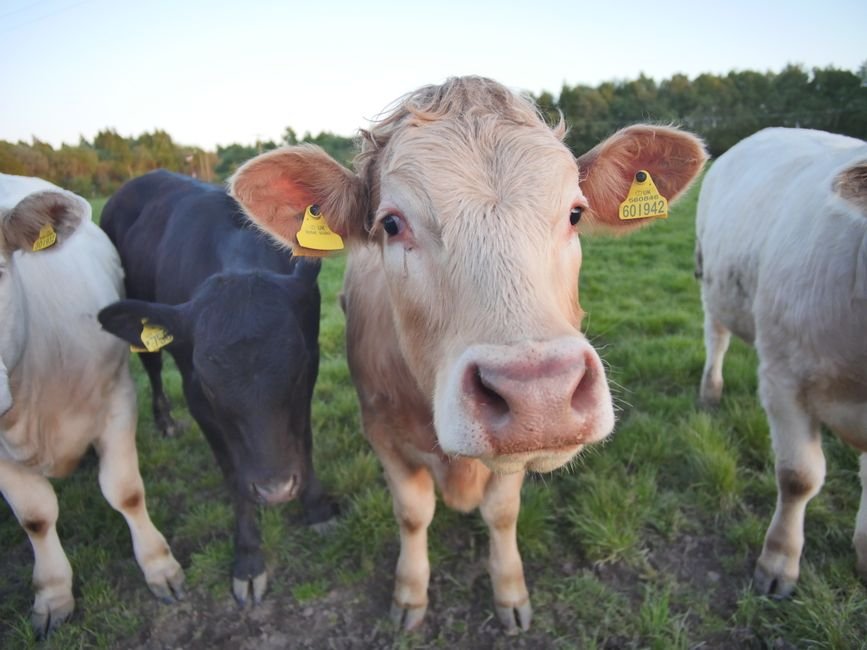
Introduction to Daily Cattle Needs
Cattle require consistent, daily care to maintain health, productivity, and welfare. Their needs encompass nutrition, hydration, shelter, health monitoring, and environmental management. Understanding these requirements is critical for farmers and ranchers aiming to optimize cattle growth, milk production, breeding success, and overall herd vitality. Additionally, modern cattle management integrates both traditional practices and technological advancements such as automated feeding systems, sensor-based health monitoring, and precision agriculture tools to improve efficiency and animal welfare.
Daily Nutritional Requirements
Nutrition forms the cornerstone of cattle care. The daily feed intake depends on factors such as age, weight, production stage (e.g., growth, lactation), and environmental conditions. Generally, a mature beef cow consumes between 2% to 3% of her body weight in dry matter per day. However, requirements vary significantly; for example, first-calf heifers often need more protein and energy relative to their body weight to support growth and lactation simultaneously.
Forage and Roughage
The primary component in a cow’s diet is forage—grass, hay, silage, or other fibrous plant materials. Forage promotes rumen health and digestion. The fiber content is essential for stimulating rumination and saliva production, which buffers rumen pH and prevents acidosis.
- Dry matter intake: A 1,200-pound (545 kg) cow typically consumes about 24 to 36 pounds (11 to 16 kg) of dry matter daily.
- Quality considerations: High-quality forage contains 10-18% crude protein and sufficient energy (total digestible nutrients, or TDN) to meet maintenance and production needs. For instance, alfalfa hay averages around 15-18% crude protein, while mature grasses may be as low as 6-8%.
- Silage benefits: Corn or grass silage provides highly digestible fiber and energy, improving feed efficiency during high-production phases like lactation. Proper fermentation also preserves nutrients and reduces spoilage.
- Seasonal variations: During winter or drought, forage quality declines, necessitating supplementation or forage conservation methods like haylage.
Concentrates and Supplements
Depending on production goals, concentrates such as grains (corn, barley, oats) and protein supplements (soybean meal, cottonseed meal) may be added to provide extra energy and nutrients. The balance between fiber and starch in the diet is critical; excessive starch can cause ruminal acidosis, while insufficient energy limits production.
- Dairy cows, especially in mid-lactation, may require up to 50% of their dry matter as concentrates to sustain high milk yield. For example, a Holstein producing 80 pounds (36 kg) of milk daily may consume 20-25 pounds (9-11 kg) of grain-based concentrate.
- Beef cattle finishing on grain diets can consume up to 60% concentrates. Feedlots typically provide energy-dense rations with about 70% grain to accelerate weight gain and marbling.
- Feed additives such as ionophores (e.g., monensin) improve feed efficiency and reduce methane emissions.
- Protein supplements ensure adequate amino acids, especially lysine and methionine, which are essential for milk protein synthesis and muscle growth.
Minerals and Vitamins
Cattle must receive adequate minerals daily—particularly salt (sodium chloride), calcium, phosphorus, magnesium, and trace minerals like selenium, copper, and zinc. These are often provided via free-choice mineral blocks or loose mineral mixes tailored to regional soil deficiencies.
- Example: A mature cow typically consumes 30 to 50 grams of salt daily, which helps maintain electrolyte balance and stimulates feed intake.
- During peak lactation or rapid growth, calcium requirements increase significantly to support bone development and milk production.
- Trace minerals such as selenium play a pivotal role in antioxidant defense systems; deficiencies can cause white muscle disease, especially in calves.
- Vitamin A and E levels are especially important for reproduction and immune function; deficiency may result in poor conception rates and increased susceptibility to mastitis.
- Providing minerals in forms that enhance bioavailability, such as chelated minerals, can improve absorption and reduce toxicity risk.
Water: The Single Most Important Daily Need
Water accounts for about 70% to 80% of a cow’s body weight and is essential for all physiological processes, including digestion, thermoregulation, and lactation. Dehydration as little as 10% of body weight can lead to severe production losses and health deterioration.

Daily Water Intake Guidelines
Water consumption varies with temperature, diet, lactation status, and activity level.
- Dry cows: 10 to 15 gallons (38 to 57 liters) per day on average, depending on body weight and forage moisture content.
- Lactating dairy cows: Up to 30 gallons (114 liters) or more daily. In high-producing Holsteins, daily water intake can reach 50 gallons (190 liters), especially during hot weather.
- Beef cattle in hot weather: Can consume 25% more water on unusually warm days. For example, intake may rise from 15 gallons (57 liters) to nearly 19 gallons (72 liters).
- Water intake also increases when animals consume dry or high-fiber feed, or when salt intake is elevated.
Water Quality Factors
Water must be free from harmful bacteria, excessive mineral content, and contaminants. Poor water quality can reduce feed intake and lead to health issues.
- Bacterial contamination: Pathogens like E. coli or Salmonella cause gastrointestinal illness, leading to diarrhea and dehydration.
- Mineral imbalances: High sulfate concentrations (>2500 ppm) can cause polioencephalomalacia (PEM) in cattle.
- pH and salinity: Water with extreme pH (<6 or >8.5) or high salinity reduces palatability and intake.
- Regular water testing and source protection help maintain quality. Water troughs should be cleaned frequently to prevent algae and sediment buildup.
Daily Shelter and Environmental Needs
Protection from extreme weather conditions is essential. While cattle are hardy animals, exposure to prolonged heat, cold, wind, or rain without shelter can cause stress, reduce feed intake, and increase disease susceptibility. Environmental stress not only affects animal welfare but also has measurable impacts on productivity metrics such as average daily gain (ADG) and milk yield.
Temperature and Shelter
- Cold Weather: Cattle require windbreaks or barns to reduce wind chill. Thermal stress begins below -5°F (-20°C) for most breeds, but hair coat, body condition, and acclimation influence tolerance. Providing dry bedding and shelter reduces energy expenditure for thermoregulation by up to 20%.
- Hot Weather: Shade structures, trees, or misting systems help prevent heat stress when temperatures exceed 75°F (24°C). Heat stress reduces feed intake, fertility, and milk production. Cooling strategies such as fans combined with sprinklers can lower body temperature by several degrees, improving comfort and productivity.
- Proper ventilation in enclosed shelters prevents respiratory diseases caused by ammonia buildup and poor air quality.
Bedding and Cleanliness
Daily maintenance of bedding areas reduces mud, manure buildup, and parasite exposure. Dry and clean bedding promotes hoof health and reduces mastitis risk in dairy cows.

- Materials such as straw, wood shavings, or sand are commonly used for bedding; sand is preferred in dairy barns as it reduces bacterial growth.
- Wet and compacted bedding creates an ideal environment for pathogenic bacteria like Staphylococcus aureus and Escherichia coli, which can cause mastitis.
- Regular removal of manure and spot cleaning twice daily are recommended to maintain hygiene.
- In free-stall housing, properly designed stalls that prevent manure contamination of resting areas improve cow comfort and reduce lameness incidence.
Daily Health Monitoring and Management
Routine observation is vital to detect early signs of illness or injury. This includes checking for behavior changes, abnormal gait, appetite reduction, respiratory issues, or signs of digestive upset such as bloat or diarrhea. Early detection enables prompt treatment, reducing morbidity and mortality rates.
Common Daily Checks
- General alertness and responsiveness, including posture and interaction with herd mates.
- Respiratory rate and presence of coughing or nasal discharge; normal respiratory rate ranges from 10 to 30 breaths per minute.
- Body temperature if fever is suspected (normal range: 100.4°F to 102.8°F). Fever may indicate infections such as pneumonia or mastitis.
- Physical injuries or lameness; hoof lesions are a common cause of reduced mobility and productivity.
- Udder health in dairy cows—swelling, heat, or abnormal milk (clots, discoloration) potentially indicating mastitis.
- Monitoring manure consistency helps detect digestive disorders, parasites, or nutritional imbalances.
Parasite and Pest Control
Many herds require regular treatment or preventive measures against internal parasites (worms) and external pests (flies, lice, ticks). Daily management includes monitoring fly numbers and planning scheduled treatments. Integrated pest management (IPM) strategies combine chemical, biological, and environmental controls to reduce resistance and environmental impact.
- Strategic deworming based on fecal egg counts optimizes efficacy and reduces drug resistance.
- Fly control includes use of insecticides, fly traps, and removal of breeding sites such as wet manure.
- Ticks, particularly in southern climates, transmit diseases such as anaplasmosis; daily inspection and spot treatments are crucial.
- Use of parasiticides must follow withdrawal times for meat and milk to ensure food safety.
Exercise and Social Interaction
Cattle are social animals and require space to move, graze, and interact. Restricting movement can cause stress and increase the likelihood of disease transmission. Behavioral studies show that cattle exhibit social hierarchies and form strong bonds; isolation or overcrowding can lead to abnormal behaviors and reduced welfare.
Daily Grazing or Movement
- Beef cattle generally require 1.5 to 2 acres per animal unit for adequate daily grazing, depending on pasture quality and stocking density.
- Rotational grazing systems help maintain pasture health and allow cattle natural behaviors such as foraging, lying, and grooming. This also improves nutrient cycling and reduces parasite load.
- Providing exercise areas in confinement systems helps maintain muscle tone, reduces lameness, and improves cardiovascular health.
- Social grouping should consider age and temperament to minimize aggression and injury.
Summary Table: Daily Needs of Different Types of Cattle
| Need | Beef Cow | Dairy Cow | Calf |
|---|---|---|---|
| Dry Matter Intake | 24–36 lbs (11–16 kg) | 40–60 lbs (18–27 kg) | 5–10 lbs (2.3–4.5 kg) |
| Water Intake | 10–15 gallons (38–57 L) | 20–30 gallons (76–114 L) | 5–10 gallons (19–38 L) |
| Minerals | Free choice salt and mineral mix | Mineral mix with added vitamins A, D, E | Mineral supplements as per growth stage |
| Shelter | Windbreaks, shade | Barns, shade, ventilation | Warm, dry housing |
| Health Checks | Daily monitoring for illness, injury | Daily udder and health inspection | Monitoring growth and disease signs |
Conclusion
Providing cattle with their essential daily needs—adequate nutrition, clean water, shelter, health care, and social environment—is vital for their welfare and productivity. Precise attention to these factors enhances growth rates, reproductive success, milk production, and longevity. Whether managing beef or dairy herds, daily care routines tailored to the specific needs of each animal category will yield the best outcomes. Furthermore, adopting technology-driven management tools such as automated feeders, water sensors, and wearable health monitors can assist in meeting these needs more efficiently and proactively, ensuring sustainable and profitable cattle production systems.