
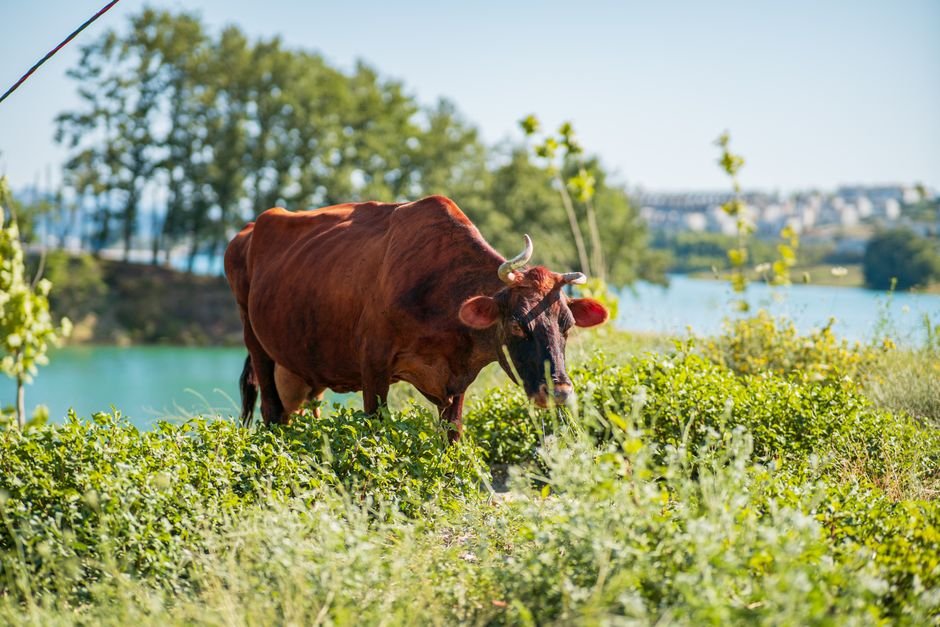
Introduction to Moving Cattle by Hand
Moving cattle by hand is a fundamental skill for any livestock manager, farmer, or rancher. Whether it’s shifting animals between pastures, loading them onto trailers, or guiding them through chutes, safe cattle movement reduces stress on the animals and minimizes injury risks for handlers. Unlike mechanized methods, hand-moving cattle relies heavily on understanding bovine behavior, effective use of space, and proper equipment.
In many parts of the world, especially on smaller farms or in rugged terrain, mechanized equipment such as ATV-driven herding devices or motorized chutes may not be feasible or cost-effective. Hand-moving cattle remains the most accessible and flexible method to manage livestock. Moreover, research shows that cattle handled with care and understanding of their natural instincts tend to produce better-quality meat and have improved overall health. This makes mastering hand-movement techniques not just a matter of safety but also of economic benefit.
Additionally, as consumer demand grows for ethically raised livestock, techniques that minimize animal stress during handling have become increasingly important. Hand-moving cattle, when done properly, aligns with welfare-friendly practices and can be a crucial component of certification schemes focused on humane livestock treatment.
Understanding Cattle Behavior for Safe Handling
Cattle are herd animals with strong flight zones and natural instincts that influence their movement. Recognizing these behaviors is key to moving them safely:
- Flight Zone: The personal space around a cow. When this zone is entered, the animal will move away. Knowing how to position yourself relative to the flight zone helps control movement.
- Point of Balance: Typically located at the animal’s shoulder, the point of balance dictates the direction the cow will move when pressure is applied.
- Herd Mentality: Cattle prefer moving as a group. Disturbing one animal can ripple through the herd, causing agitation.
- Vision: Cattle have wide peripheral vision but limited depth perception. Sudden movements or shadows can startle them.
Beyond these fundamental behaviors, it is important to understand that individual cattle personalities can vary significantly. Some may be naturally more curious and calm, while others tend toward nervousness or aggression, especially bulls or unhandled animals. For example, cattle accustomed to regular human contact often have a smaller flight zone and are easier to move. Conversely, animals that have had negative experiences with handlers or predators may have enlarged flight zones and be more reactive.
Another behavioral nuance involves cattle’s sensitivity to pressure and release. Handlers who apply pressure (by moving into the flight zone) and then immediately release it when the animal responds reinforce calm movement. This principle of pressure and release is central to the widely recognized low-stress cattle handling philosophy developed by experts like Dr. Temple Grandin.
Environmental factors, such as weather and noise levels, also influence behavior. Wind direction can carry unfamiliar scents toward cattle, making them uneasy, while loud machinery or barking dogs nearby can increase stress. Understanding these subtleties allows handlers to anticipate and mitigate potential issues during movement.
Real-World Example
On a typical beef farm in Kansas, handlers reporting low stress levels in cattle during movement credited their success to carefully approaching animals from the side, at the shoulder, and maintaining calm, steady movements to respect the flight zone.
To provide more context, this farm implemented specific training for staff emphasizing consistent body language and pacing. They conducted regular drills to familiarize cattle with handling routines, reducing surprise and hesitation. Additionally, the farm utilized wide, solid-fencing alleyways that limited visual distractions and prevented animals from balking or attempting to escape. Over a six-month period, the farm observed a reduction in bruising and injuries during handling, which improved carcass quality and increased profitability.
Furthermore, the farm’s handlers used simple tools such as flags and driving sticks to extend their reach and guide cattle calmly without physical contact, demonstrating how low-tech interventions can yield significant welfare improvements.
Step-by-Step Guide to Moving Cattle by Hand
1. Planning the Route and Environment
Before moving cattle, plan the route carefully:
- Ensure pathways are clear of obstacles, sharp turns, or uneven footing that may cause injury.
- Use solid-sided alleys or panels to prevent animals from seeing distractions outside the path.
- Consider lighting—cattle prefer moving from darker to lighter areas.
Planning the route also involves anticipating bottlenecks or pinch points where cattle might bunch up or become stuck. For example, narrow gates that are too small for the herd size can cause congestion, increasing stress and risk of injury. A good rule of thumb is to design alleyways and gates wide enough to allow animals to pass through calmly, ideally accommodating two to three animals abreast when moving large groups.
In addition, the ground surface should be inspected for slippery or muddy patches. Cattle are more prone to slipping, especially on wet concrete or steep inclines, so using textured flooring or non-slip mats in critical areas like chutes can prevent accidents. Seasonal considerations are equally important; in colder climates, ice formation around handling facilities can pose hazards, requiring additional maintenance or alternative routes.
When moving cattle across open pastures, natural barriers such as fences or ditches can be used to funnel animals toward the destination. Temporary fencing or portable panels can be employed to create makeshift lanes, allowing handlers to direct movement with greater control.
2. Preparing the Cattle
Allow cattle to acclimate to the area and equipment. Avoid moving cattle when they’re hungry, thirsty, or hot, as these conditions increase stress. For example, cattle moved in the early morning or late afternoon during summer typically exhibit calmer behavior.
Preparation also includes ensuring that cattle have adequate access to feed and water before movement but are not so full or uncomfortable that movement is resisted. Animals that are stressed due to extreme hunger or dehydration often react unpredictably and may become aggressive or reluctant to move.
Handlers can also spend time familiarizing cattle with the facilities, particularly if new equipment or pathways are introduced. For instance, leaving gates open and allowing cattle to explore chutes or alleyways during non-handling times reduces fear during actual movement.
Another preparation step involves monitoring for signs of illness or injury before moving animals. Lame or sick cattle should be handled separately to prevent them from being trampled or further injured during group movement. If possible, sick animals should be moved last or isolated to minimize stress on the healthy herd.
Additionally, the psychological state of the cattle matters. Animals that have recently experienced trauma such as transport, weaning, or predator attacks may need extra time to settle before moving. In such cases, low-stress handling techniques and slower pacing are recommended.
3. Using Appropriate Equipment
Equipment for hand-moving cattle includes:
- Driving sticks or flags: Used to extend the handler’s reach and guide cattle without physical contact.
- Solid panels and gates: To direct cattle and prevent escape.
- Protective gear: Boots, gloves, and helmets for handlers’ safety.
Beyond these basics, some farms benefit from additional equipment tailored to their specific needs. For instance, portable cattle sorting tubs can help separate animals by size or health status before movement, reducing difficulties in handling mixed groups. Similarly, non-slip flooring or rubber mats within chutes can prevent slips and bruising.
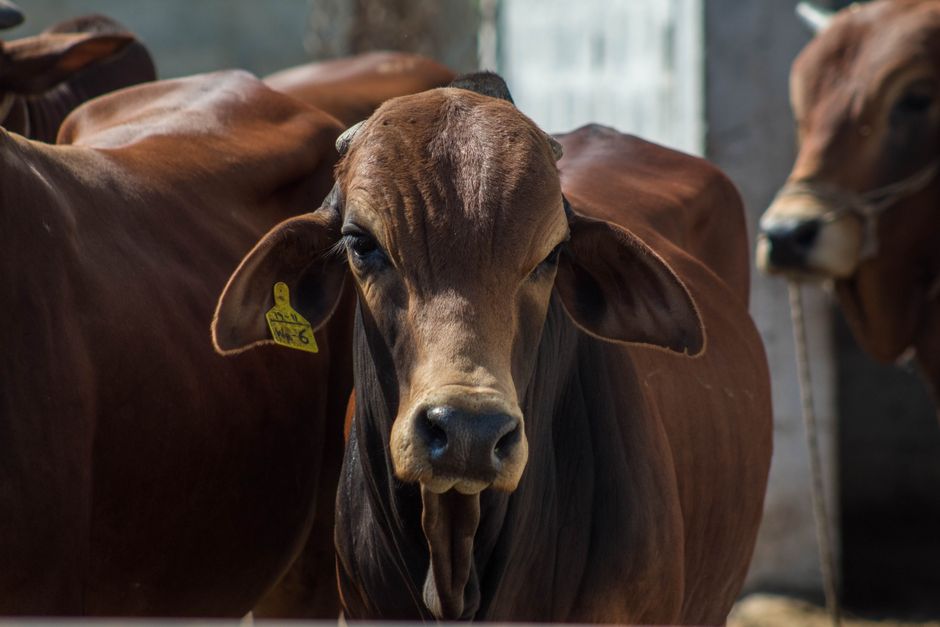
Flags are particularly useful because they provide a visual stimulus without physical contact. Handlers should select brightly colored flags that contrast with the environment, such as red or blue, ensuring cattle notice but are not frightened by them. Driving sticks should be lightweight but sturdy, often aluminum or fiberglass, and at least five feet long to maintain a safe distance from the animals.
Protective clothing is critical since cattle can unintentionally cause injury through kicking, stepping, or sudden movements. Steel-toed boots protect feet from crushing, gloves prevent rope burns or cuts, and helmets are advisable when working in tight spaces or with unpredictable animals.
Investing in equipment maintenance is equally important. Gates should be checked regularly for rust, loose fastenings, or sharp edges that could injure cattle or handlers. Panels should be stable and secure, avoiding any gaps animals might exploit to escape.
4. Approaching the Cattle Correctly
Approach calmly and confidently. Avoid sudden movements or loud noises. Walk slowly into the flight zone, starting at the point of balance (shoulder) to encourage forward movement.
Handlers should avoid direct eye contact, which cattle may interpret as a threat. Instead, maintain a soft and neutral gaze while using peripheral vision to monitor the animals’ responses. Moving deliberately but without haste reassures cattle and reduces the likelihood of panic.
When entering the flight zone, it’s essential to adjust position based on the animal’s response. If a cow steps back, the handler should retreat slightly to release pressure, then reapply it gently. This push-pull dynamic encourages the animal to move forward without fear.
Multiple handlers moving large herds should communicate clearly and coordinate their movements to avoid crowding or cornering animals. Using verbal cues or hand signals can help synchronize efforts and maintain control.
In cold weather, cattle can be more wary due to restricted mobility and altered sensory perception. Approaching with extra care and reduced noise helps prevent startling the animals in these conditions.
5. Moving the Animals
Keep your movement consistent, and use the flight zone to encourage cattle to move forward. Maintain a quiet environment and use visual signals like waving a flag rather than shouting. Walk beside the animal’s shoulder, adjusting your position as needed to keep the herd moving as a unit.
It is beneficial to maintain a steady pace that balances between being too slow—which can cause cattle to lose momentum—and too fast, which may increase stress or cause animals to scatter. Observing herd dynamics is crucial; if the lead animal hesitates, the entire group is likely to stop. Therefore, gently encouraging lead animals forward often initiates smoother movement for the whole herd.
When moving cattle through narrow chutes or gates, handlers should avoid crowding from behind, which can cause piling and potential injury. Instead, spacing handlers evenly along the route allows the herd to flow naturally without pressure points.
During movement, watch for signs of distress such as vocalizations, tail flicking, or head tossing. These behaviors indicate agitation and require handlers to slow down or pause to prevent escalation.
Finally, always maintain an escape route for yourself. Cattle can behave unpredictably, so positioning yourself near an exit or behind a barrier ensures personal safety while maintaining control over the herd.
Common Mistakes and How to Avoid Them
| Mistake | Consequence | How to Avoid |
|---|---|---|
| Sudden loud noises or movements | Cattle become startled, increasing risk of injury or escape | Use calm, steady movements and avoid shouting |
| Entering the flight zone incorrectly | Cattle freeze or move unpredictably | Approach cattle at the shoulder, respecting the flight zone |
| Moving cattle individually in large groups | Causes separation distress and increases agitation | Move cattle as a group whenever possible |
| Using physical force, such as hitting or poking | Stress and possible injuries to cattle; handler safety risks | Use flags or driving sticks to guide cattle without contact |
Additional common pitfalls include overcrowding in alleyways, which can lead to trampling or bruising, and rushing animals too quickly through loading facilities. Both situations increase stress and the likelihood of handling-related injuries.
Another frequent error is inconsistent handling by multiple staff members. When different handlers use varying approaches—some calm, others more aggressive—cattle become confused and less likely to respond predictably. Regular staff training and defined handling protocols help maintain consistency and reduce stress.
Finally, failing to monitor cattle behavior throughout the process can result in missing early signs of distress or injury. Handlers should continually observe body language and be prepared to stop or slow movement to address issues promptly.
Techniques for Specific Situations
Moving Small Groups vs. Large Herds
Small groups (5-10 head) can be gently guided using direct visual signals and more precise positioning. Large herds require wider alleyways and possibly multiple handlers to maintain smooth flow.
With small groups, handlers can pay closer attention to individual animal behavior, allowing intervention if one becomes reluctant or aggressive. In contrast, large herds rely more on collective movement dynamics, where the lead animals influence the rest. Communication among multiple handlers is critical to avoid overcrowding or gaps that cause animals to scatter.
For large herds, strategic placement of handlers at the front, middle, and rear can help maintain steady pressure and reduce stragglers. Breaks may be necessary mid-route to let cattle rest and regroup, particularly when moving over long distances.
Additionally, the use of temporary fencing or portable panels can assist in splitting large herds into manageable groups, simplifying movement and reducing stress.

Loading Cattle into Trailers
Use a chute with solid sides to reduce distractions. Position yourself at the point of balance and move steadily forward. Allow cattle to enter voluntarily; avoid forcing them, which can cause balking or injuries.
Proper trailer loading is one of the most challenging aspects of cattle movement. Cattle naturally resist entering unfamiliar spaces, making patience and low-stress handling essential. It helps to ensure the trailer floor is non-slip and free from debris, and that the ramp angle is gentle (ideally less than 20 degrees) to encourage voluntary entry.
Lighting plays a critical role; cattle prefer moving toward light, so positioning the trailer entrance facing a well-lit area can facilitate loading. Conversely, shadows or bright reflections on the ramp or trailer floor can cause balking.
Handlers should avoid overcrowding at the trailer entrance to prevent pile-ups. Allowing animals to enter one or two at a time reduces stress and injury risk. If cattle refuse to move, stepping back and giving them time to adjust before gently reapplying pressure often helps.
Before loading, inspecting cattle for any injuries or health concerns is prudent. Transporting compromised animals may exacerbate their condition and complicate handling during loading and unloading.
Handling Nervous or Aggressive Cattle
Give these animals extra space and move them separately if possible. Consider using calming techniques such as low-stress handling, avoiding eye contact, and minimizing loud noises.
In some cases, specialized equipment like sorting cages or squeeze chutes may be necessary to safely handle aggressive cattle. These devices restrict movement and protect handlers while allowing close inspection or medical treatment.
Handlers should also assess the source of nervousness or aggression, which may stem from pain, confinement, or previous mistreatment. Addressing these root causes—such as treating injuries promptly or improving living conditions—can reduce the frequency of difficult behavior during movement.
Experienced handlers often use a “buddy system,” moving nervous cattle alongside calmer individuals to encourage following behavior. This method leverages herd mentality to reduce anxiety.
Training handlers in recognizing early warning signs, like head shaking or pawing, allows for proactive management before aggression escalates.
Practical Equipment Recommendations
| Equipment | Purpose | Example Product or Specification |
|---|---|---|
| Driving Stick | Extends reach to guide cattle from a safe distance | Aluminum stick, 5 feet long, with a flag attached |
| Solid-Sided Panels | Prevents visual distractions and directs cattle | Steel panels, 8 ft length, 5 ft height |
| Protective Clothing | Ensures handler safety during close contact | Steel-toed boots, heavy gloves, and helmets |
Additional equipment that can enhance hand-moving cattle includes:
- Portable Sorting Tub: A circular pen used for separating cattle by size or condition, reducing stress during sorting.
- Rubber Mats or Non-Slip Flooring: Installed in high-traffic areas to prevent slipping and reduce injuries.
- Calf Handling Gates: Smaller, adjustable gates designed for managing younger or smaller cattle safely.
- Quiet, Durable Halters: For leading individual cattle when necessary, designed to avoid chafing and discomfort.
When selecting equipment, durability and ease of maintenance are critical. For example, steel panels coated with rust-resistant paint extend lifespan in outdoor conditions, and modular designs facilitate easy reconfiguration of alleys and pens as herd size or management needs change.
Case Study: Low-Stress Cattle Movement on a Nebraska Ranch
A Nebraska ranch reported a 30% reduction in cattle stress indicators—measured by heart rate and behavior scoring—after implementing low-stress hand-moving techniques. They trained staff to use flight zone principles, invested in solid-sided chutes, and adjusted movement times to cooler parts of the day. This approach also reduced handling injuries from 5% to under 1% annually.
Specifically, the ranch introduced a comprehensive staff training program focused on non-aversive handling techniques, emphasizing the use of consistent body language and controlled pressure within flight zones. They also redesigned their handling facilities to include wider alleyways and improved lighting, facilitating smoother cattle flow.
Moreover, the ranch monitored cattle responses using heart rate monitors during handling sessions, collecting data to tailor their approach further. Over the course of a year, they noted improved weight gain and decreased bruising rates, directly impacting profitability.
In partnership with veterinary consultants, the ranch developed protocols to identify and isolate stressed or injured animals promptly, ensuring they received appropriate care. This holistic approach to cattle handling and welfare positioned the ranch as a model for sustainable and humane livestock management in the region.
Summary
Moving cattle by hand requires careful planning, a solid understanding of bovine behavior, and the use of appropriate equipment. Approaching cattle at the shoulder within their flight zone, moving them as a group, and maintaining calm, steady movements significantly reduces stress and injury risks. By avoiding common mistakes and adapting techniques to specific situations, handlers can safely and efficiently move cattle in a variety of farm settings.
Successful hand movement also depends on ongoing staff training, facility design, and attention to animal welfare principles. Embracing low-stress handling methods not only benefits cattle health and production but also improves handler safety and operational efficiency.
Ultimately, mastering the art and science of moving cattle by hand is an investment that pays dividends in animal well-being, product quality, and sustainable farming practices.