

Introduction to Cow Shelter Needs
Providing adequate shelter for cows is a critical aspect of cattle management that impacts animal health, welfare, and productivity. The amount of shelter a cow needs depends on various factors including climate, breed, production purpose (dairy or beef), and herd size. This article explores how much shelter cows require, what types of shelter are most effective, and how to design or choose the right shelter to ensure your cattle remain comfortable year-round.
Why Shelter Matters for Cows
Cows are remarkably resilient animals, but they still need protection from extreme weather conditions such as heavy rain, snow, intense heat, strong winds, and biting cold. Shelter helps reduce stress, prevent illness, and improve feed efficiency and milk production. According to studies from the University of Nebraska, cows exposed to harsh winter conditions without shelter can experience up to a 20% increase in feed energy requirements just to maintain body heat.
Environmental Stressors for Cattle
- Cold and Wind Chill: Prolonged exposure to wind and low temperatures increases the risk of hypothermia and frostbite.
- Heat and Sun Exposure: Cows can suffer heat stress, which reduces feed intake and milk yield.
- Wet Conditions: Muddy or wet environments lead to foot problems like foot rot and lameness.
- Predators and Insects: Shelter can help minimize insect pests and protect cows from predators.
How Much Shelter Space Does a Cow Need?
The amount of shelter space per cow varies depending on the shelter type and the purpose it serves, such as resting area, feeding, or protection from the elements.
Recommended Space per Cow: General Guidelines
| Shelter Type | Space per Cow (sq ft) | Notes |
|---|---|---|
| Open-sided barn or shed | 40 – 50 | Allows cows to move freely and lie down comfortably |
| Individual stalls | 35 – 40 | Used mainly in dairy housing, sized to cow length and width |
| Dry lot shelter (shade structures) | 25 – 30 | Primarily for heat protection and resting outdoors |
| Windbreaks or natural shelter | N/A | Effectiveness depends on length and height, usually 30-40 feet long per 10 cows |
For example, a mature Holstein dairy cow typically measures about 6 feet in length and 2.5 feet in width. Allocating 40-50 square feet per cow in a barn setting ensures adequate room for lying down, standing, and turning around without overcrowding.
Space Considerations Based on Cow Size and Breed
Beef cattle breeds such as Angus or Hereford may require slightly more space due to their bulk and behavior, especially in feedlot settings. For larger breeds or bulls, increase shelter space by approximately 10-15% to accommodate their size comfortably.
Types of Shelter Suitable for Cows
Traditional Barns
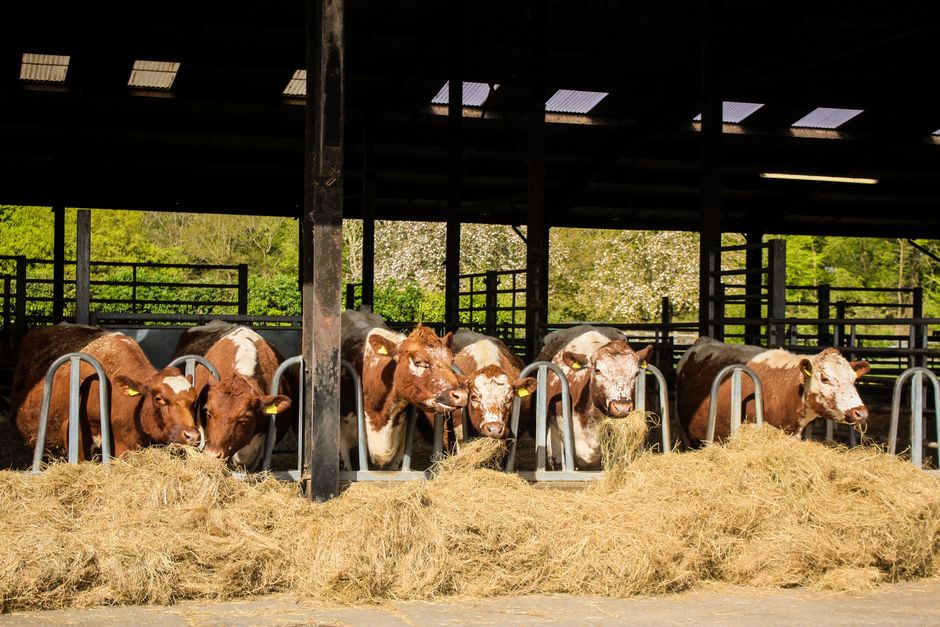
Barns offer the most protection by providing full coverage from weather with solid walls, roofing, and sometimes climate control. They are ideal in colder climates where temperatures regularly drop below freezing. A typical free-stall barn for dairy cows will include individual stalls, an alley for feeding, and ventilation systems to maintain air quality.
Open-sided Sheds
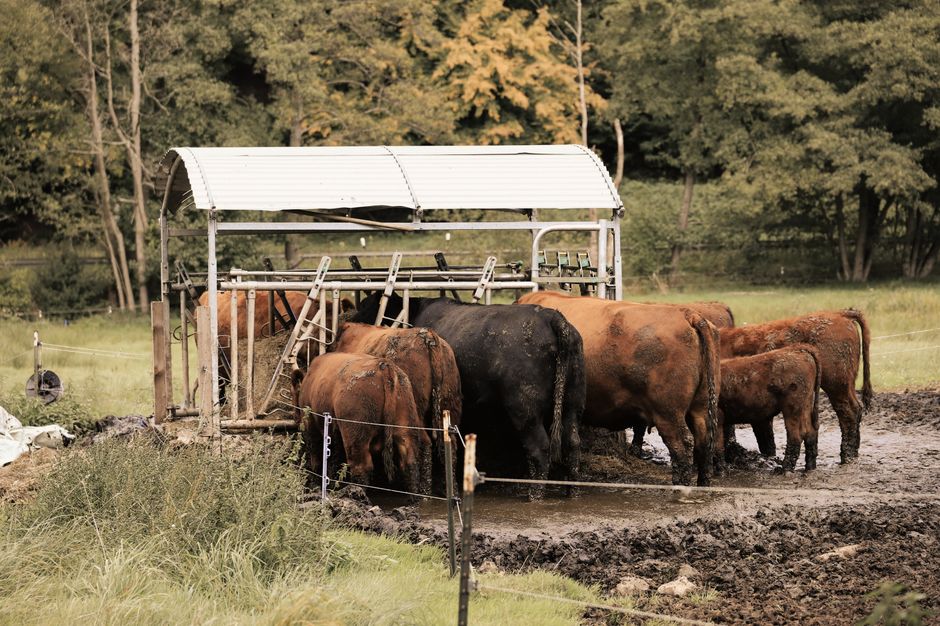
These structures have a roof and at least one or two sides open to allow airflow while shielding cows from rain and sun. Open-sided sheds are commonly used in moderate climates and can be more cost-effective. For example, in the Southeastern United States, farmers often use sheds with a 10-foot roof height and open sides to promote natural ventilation during hot summers.
Windbreaks and Natural Shelter
Windbreaks made from trees, shrubs, or constructed fences provide critical protection against cold winds during the winter months. Research by the USDA suggests that properly designed windbreaks can reduce wind speed by up to 75%, improving cattle comfort significantly. Ideally, a windbreak should be at least 6 feet tall and extend 30-40 feet upwind of the cattle area.
Shade Structures for Heat Protection
In hot climates, shade is often more important than full shelter. Shade structures can be as simple as shade cloths stretched over frames or more permanent metal or wood roofs. Cows exposed to direct sunlight on hot days can experience heat stress, which reduces milk yields by as much as 10-15%. Providing at least 25-30 square feet of shade per cow is recommended to allow them to lie down comfortably out of the sun.
Design Considerations for Cow Shelter
Ventilation
Good airflow is essential to prevent moisture buildup, reduce respiratory diseases, and maintain cow comfort. Barns should have ridge vents, side openings, or mechanical ventilation systems, especially in humid or hot regions.
Flooring and Bedding
Non-slip, well-drained floors reduce injuries and improve cleanliness. Common flooring options include compacted dirt, concrete with rubber mats, or deep-bedded straw. Bedding materials should be replaced regularly to maintain hygiene and cow comfort.
Access to Feed and Water
Shelters should allow easy access to feed bunks and water troughs. Dairy cows require 30–40 inches of linear bunk space per cow for feeding, and at least one waterer per 10 cows is recommended to prevent competition.
Case Studies: Shelter Needs in Different Climates
Case Study 1: Dairy Farm in Wisconsin (Cold Climate)
A dairy farm with 100 Holstein cows uses a free-stall barn with 45 square feet per cow. The barn features fully enclosed walls and a mechanical ventilation system to manage cold winters and summer heat. Cows are provided with deep-bedded sand stalls to improve comfort and reduce lameness. During severe winter storms, cows remain indoors, and feed intake is carefully monitored.
Case Study 2: Beef Operation in Texas (Hot Climate)
A beef cattle ranch keeps 200 Angus cows primarily on pasture with access to open-sided sheds offering shade and wind protection. Each shed provides 30 square feet per cow under a metal roof with natural ventilation. The ranch also utilizes tree windbreaks to shelter cattle during winter cold snaps. Water troughs are placed in multiple locations to encourage movement and reduce crowding.
Case Study 3: Small-scale Organic Farm in Vermont
This farm maintains 20 mixed-breed cows in a combination of a three-sided pole barn and natural wooded areas. Shelter space averages 50 square feet per cow in the barn, supplemented by large windbreaks. The focus is on allowing cows to express natural behaviors while having protection from prevailing winds and heavy precipitation.
Summary: Key Shelter Space Recommendations
| Shelter Type | Space per Cow (sq ft) | Climate Considerations |
|---|---|---|
| Free-stall Barn | 40-50 | Cold to moderate climates, year-round use |
| Open-sided Shed | 40-50 | Moderate climates, prefers natural ventilation |
| Shade Structure | 25-30 | Hot climates, summer-only protection |
| Windbreak | Not applicable (length coverage) | Cold/windy climates, supplemental protection |
Conclusion
Determining how much shelter a cow needs is not a one-size-fits-all answer but depends heavily on climate, breed, and management goals. Providing sufficient space within the shelter — typically between 40 and 50 square feet per cow for full shelters — ensures cows have room to rest comfortably and avoid stress. In warmer climates, focus on providing ample shade and ventilation. Incorporating natural windbreaks or well-designed barns can improve cattle well-being and productivity across seasons.
Thoughtful shelter design improves animal welfare, reduces health risks, and ultimately supports more efficient and sustainable cattle operations.