
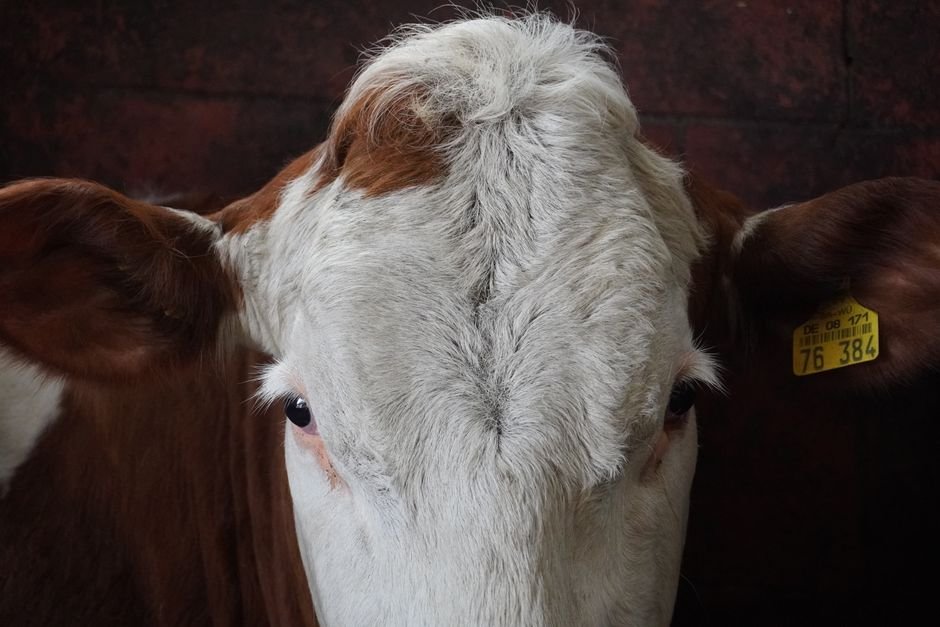
Introduction to Cattle Ear Tags
Cattle ear tags serve as essential tools for identifying individual animals within a herd. These tags contain specific codes and numbers that help farmers and ranchers track breeding, health, and ownership information. Understanding how to read and interpret these tags ensures accurate record-keeping and effective livestock management.
Ear tagging is a cornerstone of modern livestock management, enabling precise tracking from birth to sale or slaughter. Besides aiding in record-keeping, ear tags play a crucial role in regulatory compliance, as many countries mandate livestock identification to control disease outbreaks and maintain food safety standards. For example, during outbreaks of diseases such as bovine tuberculosis or foot-and-mouth disease, ear tags help trace animal movements and limit the spread of infection.
Purpose and Types of Cattle Ear Tags
Before diving into how to read ear tags, it’s important to recognize the different types and their functions.
What Are Ear Tags Used For?
- Identification: Providing unique IDs for each animal.
- Traceability: Tracking animal movement and health history, especially for disease control.
- Breeding Records: Managing lineage and genetic information.
- Ownership: Proving herd ownership and preventing theft.
Additionally, ear tags assist in monitoring production parameters such as milk yield, weight gain, and feed efficiency. Some advanced systems link ear tag data to automated weighing scales and milking parlors, allowing real-time health and productivity monitoring. This enables timely interventions to improve animal welfare and farm profitability.
Common Types of Ear Tags
- Visual Tags: Plastic or vinyl tags with printed or embossed numbers and letters.
- RFID Tags: Electronic tags that store data and can be scanned remotely.
- Metal Tags: Durable, often used in harsh conditions.
Beyond these, there are also specialized tags, such as tamper-evident tags designed to show signs if removed or replaced, which helps prevent fraud or theft. Some farmers even use double-tagging methods, placing a visual tag on one ear and an RFID tag on the other, enhancing reliability.
Material selection depends on environmental factors; for example, metal tags may be preferred in hot, dusty environments for their durability, while plastic tags are favored for ease of application and visibility. Innovations such as biodegradable tags are emerging to reduce environmental impact.
Understanding the Structure of a Cattle Ear Tag
Each ear tag typically contains a combination of letters, numbers, and sometimes symbols. These components convey different types of information depending on the country, industry standards, or individual farm systems.
Typical Ear Tag Elements
- Country Code: A two-letter ISO code or numeric code indicating the animal’s country of origin.
- Herd or Farm Code: An identifier unique to the ranch or farm.
- Individual Animal Number: A unique ID assigned to each animal, often numeric.
- Year or Birth Date Code: Sometimes included to indicate the birth year or registration year.
- Additional Symbols or Colors: Colors or shapes can indicate sex, breed, or health status.
In many cases, these components are arranged hierarchically to facilitate quick interpretation. For example, the top line of a tag may display the country and farm code, while the bottom line holds the unique animal number. This layout helps workers rapidly identify key information during herd inspections or veterinary visits.
Some tagging systems incorporate barcodes or QR codes printed alongside the alphanumeric data. These codes can be scanned with mobile devices to instantly access detailed animal records, reducing human error and speeding up data collection on farms with large herds.
Step-by-Step Guide: How to Read a Cattle Ear Tag
Step 1: Identify the Tag Type and Layout
Examine the tag closely. Visual tags generally have one or two lines of text or numbers, while RFID tags may have a printed visual component along with embedded electronic data. Note if the tag is plastic, metal, or another material, as this can hint at its origin and type.
Understanding the layout can also provide clues about the issuing authority or program. For instance, government-issued tags often follow national standards with specific formatting, whereas farm or cooperative tags may have customized layouts reflecting internal management needs. Observing these differences helps in accurately interpreting the tag data.
Step 2: Decode the Country and Herd Codes
Many ear tags start with a country code or farm identifier. For example:
- “US” or “840” for the United States.
- “CA” for Canada.
- “NZ” for New Zealand.
Following this, a herd or ranch code will typically be a 3-5 digit number or alphanumeric sequence. For instance, a tag reading US 1234 56789 might mean “United States, herd 1234, animal number 56789.” The herd code is registered with local authorities or industry bodies to ensure uniqueness. Some countries maintain centralized databases linking herd codes to farm locations and ownership details, aiding traceability.
In some systems, the herd code may also incorporate regional indicators such as state or provincial abbreviations. For example, Canadian tags may include a province abbreviation like “AB” for Alberta, appended to the herd number to specify the animal’s location more precisely.
Step 3: Locate the Animal’s Unique Number
The largest or most prominent number on the tag is often the individual animal ID. This number is unique within the herd and critical for record-keeping. It can be 4 to 8 digits based on herd size. For example, a tag might show 045678 indicating the 45,678th animal registered on that farm.
Large commercial operations may assign numbers sequentially as animals are born or introduced to the herd, while smaller farms might reuse numbers over years with additional date codes to avoid duplication. In some cases, the ID includes check digits or calculated codes to minimize transcription errors, similar to those used in barcodes.
Some farms also integrate animal sex or breed codes within the unique number sequence, for example, by reserving certain number ranges for bulls or specific breeds, allowing instant recognition without consulting records.
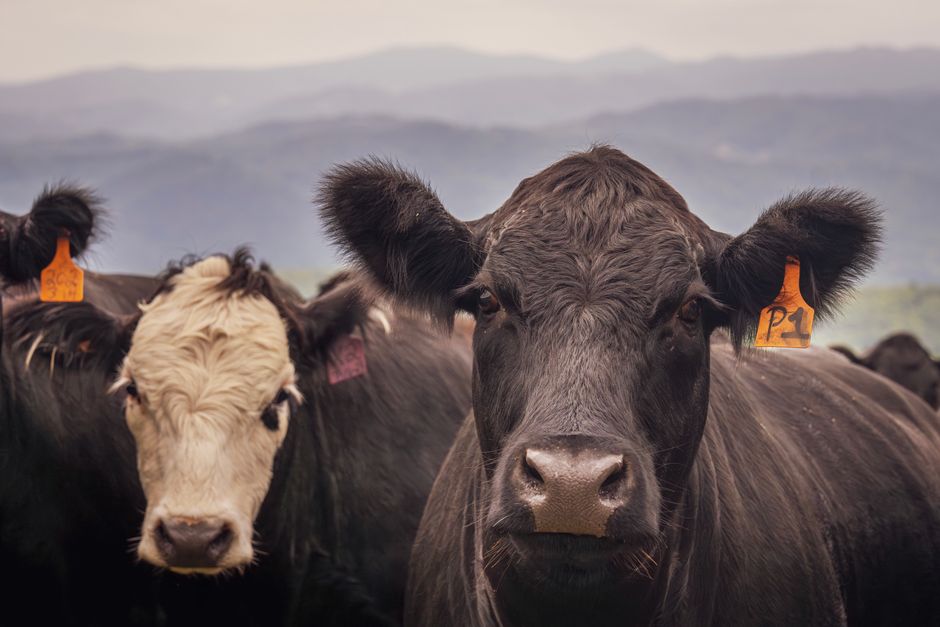
Step 4: Interpret Year or Batch Codes
Some tags include additional numbers or letters that refer to the birth year or the specific batch of animals. For example, a prefix like “21” might indicate animals born in 2021. This is particularly helpful in breeding programs.
This information supports age-related management decisions such as culling, vaccination schedules, and performance tracking. For instance, if you know an animal’s birth year, you can predict its growth stage and adapt feeding or healthcare accordingly.
In some tagging schemes, batch codes may represent the season or month of birth, not just the year, enabling even more precise herd management. For example, “2103” could signify animals born in March 2021.
Step 5: Understand Color Coding and Shapes
Colors often signify categories such as gender, breed, or vaccination status:
- Yellow tags: Commonly used for female cattle.
- Blue tags: Often indicate bulls or male cattle.
- Red tags: May denote cattle requiring special attention or medical treatment.
Shapes like round, square, or triangular tags may also be used to categorize animals further within the herd.
Beyond these standard meanings, some farms customize colors to indicate production groups, ownership changes, or participation in research trials. For example, green tags might mark cattle enrolled in a breeding trial, while orange tags could identify recently vaccinated animals. Shapes may also serve practical purposes; triangular tags are easier to spot in dense pastures as their edges catch light differently.
For illustration, some European dairy farms use a two-tag system with specific colors: one tag for permanent ID and another smaller, color-coded tag indicating lactation stage or health alerts. This visual communication aids staff in managing large herds efficiently.
Examples of Ear Tag Formats Around the World
Different countries and organizations have established standards for ear tagging, creating somewhat different formats. Below is a comparison of common formats used in the US, Australia, and the European Union.
| Region | Tag Format | Components | Example |
|---|---|---|---|
| United States | Numeric or alphanumeric, 8-12 digits | Country code, farm ID, animal number | 840 12345 6789 |
| Australia | Alphanumeric, 10-13 characters | State code, property ID, individual number | NSW1234567A |
| European Union | ISO country code + herd code + animal number | Country code, herd number, animal ID | FR 123 456789012 |
In the United States, the National Uniform Ear Tagging System (NUETS) sets guidelines to ensure consistency across states. US tags often include the numeric country code “840” at the beginning, followed by the premises identification number and a unique animal number. This system is linked to the USDA’s Animal Disease Traceability program.
Australian tags incorporate state abbreviations such as NSW (New South Wales) or VIC (Victoria), combined with property identification numbers issued by state authorities. The final alphanumeric sequence ensures the individual animal can be tracked back to the property of origin.
In the European Union, the format is harmonized under the EU Livestock Identification Regulation, requiring the use of ISO 3166-1 alpha-2 country codes (e.g., FR for France, DE for Germany). The herd number is assigned by national authorities, and animal numbers follow strict length and format rules to facilitate EU-wide traceability.
Other countries have their own systems, such as the National Livestock Identification System (NLIS) in New Zealand, which uses RFID technology extensively, or South Africa’s Animal Identification and Traceability System (AITS), which combines visual and electronic tags to meet export requirements.
Tips for Reading Ear Tags Accurately in the Field
- Good Lighting: Ensure adequate sunlight or use a flashlight when reading tags, especially on darker cattle.
- Use Magnification: For very small or embossed tags, a magnifying glass can be helpful.
- Record Immediately: Use a notebook or handheld device to log numbers as you read them to prevent mistakes.
- Cross-Reference with Records: Double-check tag numbers against your herd management software or paper records.
In addition to these tips, consider using voice-to-text applications or specialized ear tag scanning apps to reduce manual entry errors. Some mobile apps integrate with farm management software, allowing automatic uploading of tag data.
When working with large herds, organize animals into manageable groups to reduce stress and improve reading accuracy. Employ calm handling techniques and, if necessary, restraining chutes to ensure worker and animal safety while reading tags.
Regular staff training in ear tag reading and data recording can significantly reduce errors. Encouraging consistency in how tags are read and logged—such as always reading country and herd codes first, followed by individual numbers—improves data reliability.

Common Challenges and Solutions
Faded or Damaged Tags
Tags can become weathered, scratched, or torn, making numbers hard to read. In such cases:
- Use a damp cloth to clean dirt or mud off the tag.
- Compare the tag with your records to infer missing digits.
- Consider replacing the damaged tag promptly to maintain accurate identification.
Environmental factors such as intense sunlight, heavy rain, and rough vegetation accelerate tag deterioration. Using UV-resistant inks and durable plastics can extend tag lifespan. In regions with extreme conditions, metal or reinforced tags may be more suitable.
Implementing a regular tag inspection schedule, such as quarterly checks during routine herd handling, helps identify damaged tags early. Advanced farms may use electronic readers to detect malfunctioning RFID tags, enabling proactive replacements.
Duplicate Numbers
Occasionally, duplicate numbers may appear if tags from different farms or states are mixed. Avoid this by including farm or country codes on tags, or by using RFID technology to add another layer of unique identification.
Duplicates can cause confusion in disease tracing and management decisions. To minimize this risk, many countries issue unique premises identification numbers (PINs) to farms, which must be included on all tags issued by that farm. This ensures that even if animal numbers repeat between farms, the full tag number remains unique nationally.
RFID tags further reduce duplication risk because each microchip has a factory-encoded unique electronic identification number, which cannot be duplicated or altered. Integrating RFID data with visual tag information creates a robust system for error prevention.
The Role of RFID in Modern Ear Tagging
Radio Frequency Identification (RFID) tags contain microchips that transmit identification data to handheld or fixed readers. These tags can store more information than visually printed tags and reduce human error in reading.
- Benefits: Faster data collection, reduced misreading, integration with herd management software.
- Example: The National Animal Identification System (NAIS) in the US promotes RFID for traceability in disease outbreaks.
RFID tags often include a printed number matching the electronic code, so understanding visual tags remains important even when using RFID.
RFID technology also facilitates automated data capture at key points such as feedlots, slaughterhouses, and veterinary clinics. Fixed readers installed at gates allow for contactless scanning as cattle move through facilities, vastly improving efficiency compared to manual reading.
Some RFID tags can store additional data such as vaccination history or weight records, enabling on-the-spot retrieval of animal health information. This supports better decision-making and animal welfare.
Despite these advantages, RFID adoption varies globally due to costs, infrastructure requirements, and regulatory frameworks. However, prices are steadily declining, and many governments offer subsidies or incentives to encourage widespread use.
Best Practices for Ear Tag Management
- Apply Tags Early: Tag calves within the first few days after birth for accurate tracking.
- Maintain Records: Keep detailed logs with tag numbers, birth dates, lineage, and health data.
- Check Tags Regularly: Inspect tags during routine handling to ensure they remain legible and securely attached.
- Use Durable Tags: Select tags made of materials suited to your climate and environment to reduce loss or damage.
Additional best practices include:
- Proper Tag Application: Use quality applicators and correctly position tags in the ear’s middle third to minimize discomfort and prevent tearing.
- Record Tag Details Promptly: Enter tag information into a centralized database immediately after tagging to reduce data loss.
- Backup Records: Maintain both electronic and physical records to safeguard against data loss from technical failures.
- Staff Training: Train personnel on correct tagging procedures, reading techniques, and data entry protocols.
- Dispose of Old Tags Safely: When replacing tags, properly dispose of old or damaged tags to prevent environmental contamination or animal injury.
Regularly review and update your tagging system to incorporate new technologies and comply with changing regulations. Participating in industry groups or extension programs can provide valuable updates and support.
Summary
Reading cattle ear tags accurately involves understanding the tag’s components—country codes, herd identifiers, animal numbers, and color coding. With practice, farmers and ranchers can quickly interpret tags to maintain strong herd records, assist in disease control, and optimize breeding programs. While RFID technology enhances identification accuracy, visual tags remain fundamental to everyday cattle management.
Successful ear tag management requires combining proper tag selection, timely application, meticulous record-keeping, and regular inspections. By embracing both traditional visual tags and emerging RFID technologies, livestock producers can improve traceability, animal health monitoring, and operational efficiency, ultimately contributing to more sustainable and profitable farming systems.