
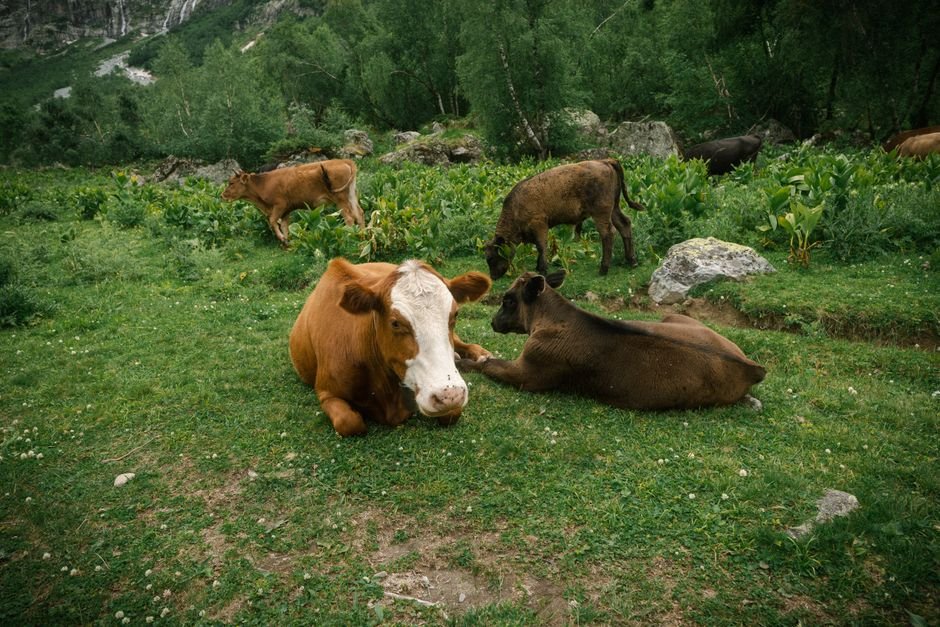
Understanding the Terminology: What Are Cows and Cattle?
At first glance, the terms “cow” and “cattle” are often used interchangeably in everyday language. However, they have distinct meanings, especially in agricultural, veterinary, and zoological contexts. Understanding these differences is crucial for farmers, animal scientists, and anyone interested in livestock management. Misusing these terms can lead to confusion in communication, whether in farm operations, research, or trade.
Definition of Cattle
Cattle is a broad term that refers to all domesticated bovine animals belonging to the species Bos taurus (primarily European breeds) and Bos indicus (Zebu or humped cattle common in tropical regions). This group includes males, females, young animals, and castrated males.
In other words, cattle is the umbrella term for the entire species and its domesticated members raised for various purposes such as meat, milk, leather, and labor. The global diversity of cattle breeds is remarkable, with over 1,000 recognized breeds worldwide, adapted to a wide range of climates and agricultural needs. For example, Bos indicus breeds like Brahman are prized for their heat tolerance and resistance to parasites, making them dominant in tropical regions, while Bos taurus breeds such as Angus or Holstein thrive in temperate zones.
Additionally, cattle have played a significant role culturally and economically throughout history. They have been symbols of wealth, mediums of exchange, and sources of food and materials for millennia. Understanding that cattle encompasses all these animals collectively helps in grasping the scope of their importance globally.
Definition of Cow
A cow specifically refers to a mature female bovine that has had at least one calf. The term is gender- and reproductive-status-specific. For example:
- A heifer is a young female bovine that has not yet calved.
- A bull is an intact (uncastrated) male bovine.
- A steer is a castrated male bovine.
- A calf is a young bovine, male or female, usually under one year old.
Hence, while all cows are cattle, not all cattle are cows. The distinction is essential for many practical aspects of animal husbandry. For instance, cows are the primary producers of milk and are therefore central to dairy farming, whereas bulls are primarily used for breeding, and steers are generally raised for beef production. This delineation helps farmers manage herds more effectively, particularly in selective breeding and productivity monitoring.
It is also worth noting that the reproductive status of cows influences their classification. A female bovine that has not yet calved is a heifer, but once she successfully delivers a calf, she graduates to being called a cow. This transition is significant because it usually marks a change in management practices, nutritional requirements, and expected productivity.
Common Usage: When Do People Say Cow vs Cattle?
In casual conversation, people often use “cow” to refer to any bovine animal. This stems from the prominence of dairy cows and the familiarity of the term. For example, “Look at the cows in the field” might be used even if the herd includes bulls and calves. This generalized use can be attributed to the cultural visibility of cows as milk producers and their relatively docile nature compared to bulls.
However, in professional contexts such as farm management, veterinary medicine, or agricultural reporting, precision matters. Using the term cattle avoids gender-specific confusion and is more inclusive of the entire herd. This precise terminology allows for better herd health monitoring, breeding program design, and economic assessment.
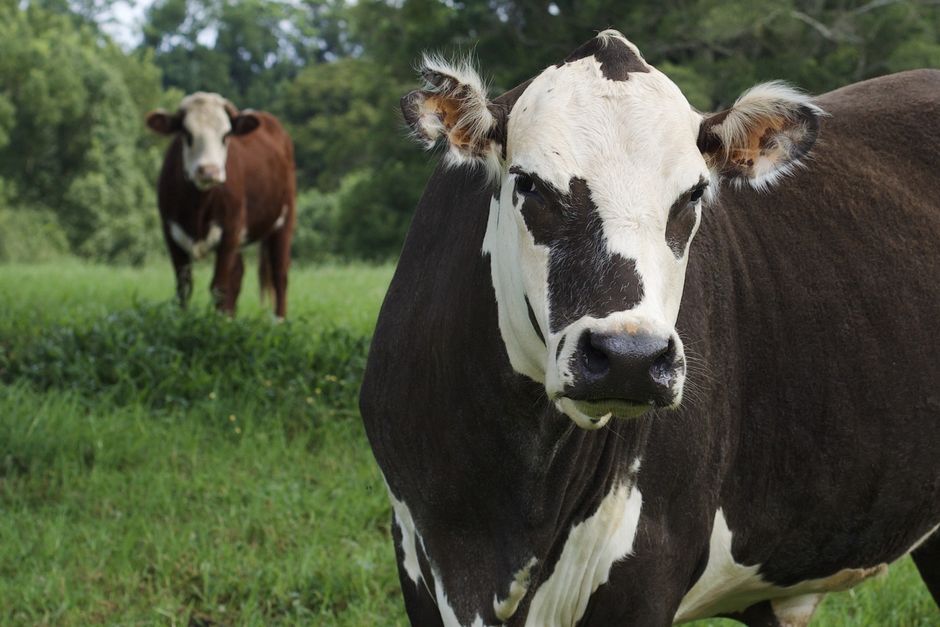
In academic literature and policy documents, the term cattle is preferred because it encompasses the entire group without ambiguity. For example, epidemiological studies tracking disease outbreaks or nutritional analyses of herds invariably use cattle to ensure clarity about the population being studied.
Examples of Usage in Farming
- Dairy Industry: Farmers primarily raise cows for milk production. The term “cows” here usually means female dairy cattle actively or formerly producing milk. Dairy cows are often monitored individually for milk yield, reproductive health, and feed efficiency. Breeds such as Holstein-Friesians dominate this sector due to their high milk output, sometimes exceeding 30 liters per day per cow under optimal conditions.
- Beef Industry: Cattle is the preferred term since herds include bulls, steers, and cows raised for meat. Beef production relies heavily on bulls for breeding and steers for their meat quality. Different breeds are preferred for beef; for example, Angus are renowned for marbling and tenderness, while Herefords are prized for hardiness and efficient grazing.
- Livestock Markets: Listings often specify cattle by sex and age, for example “100 head of cattle, including 50 cows, 20 heifers, and 30 steers.” This level of detail allows buyers to assess the potential productivity and value of the lot, as cattle differ significantly in market value depending on their category and purpose.
The Biological and Behavioral Differences Within Cattle
Though “cow” refers only to a mature female, the biological and behavioral distinctions between cows and other cattle types are significant and impact herd management. These differences influence feeding strategies, housing requirements, breeding protocols, and overall welfare considerations.
Physical Differences
- Cows: Typically weigh between 1,000 to 1,600 pounds (450 to 725 kg) depending on breed. They have well-developed udders for milk production, containing four teats and complex mammary gland structures. Udder health is critical, as mastitis (udder infection) is a common disease affecting milk quality and quantity. The body condition of cows is closely monitored to maintain optimal productivity and reproductive performance.
- Bulls: More muscular and heavier, often weighing 1,500 to 2,400 pounds (680 to 1,100 kg). They have thicker necks and prominent shoulder humps, especially in Bos indicus breeds. Bulls possess larger testes and more aggressive secondary sexual characteristics, such as a broader head and pronounced dewlap. Their higher muscle mass and hormonal profiles contribute to their use primarily in breeding, but also make them more challenging to manage safely.
- Steers: Castrated males with less aggressive behavior and usually raised for meat. Their weight is similar to cows but muscle distribution varies. Castration generally reduces testosterone levels, which can affect growth rates and fat deposition patterns, often leading to more tender meat. Steers tend to have a calmer temperament, making them easier to handle and transport.
- Heifers and Calves: Smaller and less developed, with heifers preparing to transition into cows once they calve. Heifers require special nutrition to support growth and reproductive development. Calves are highly vulnerable to disease in their early months, necessitating colostrum intake shortly after birth to gain passive immunity. Management practices for calves, such as housing and feeding, differ considerably from adults.
Behavioral Traits
- Cows tend to have a maternal instinct, often forming strong bonds with their calves and other herd members. They display protective behaviors and can recognize individual calves by scent and appearance. Social hierarchy within the herd often revolves around older cows, which can influence access to resources such as food and water.
- Bulls can display territorial and aggressive behavior, especially during the breeding season. Their dominance behaviors include vocalizations, posturing, and physical confrontations. Managing bulls requires careful handling protocols to prevent injuries to humans and other animals. Bulls are often isolated or introduced to herds selectively during controlled breeding periods.
- Steers are generally more docile and easier to handle, which is why they are popular in beef production systems. Their placid nature facilitates operations such as transportation, medical treatment, and feeding. However, steers can still exhibit social behaviors typical of cattle, such as establishing pecking orders.
Global Numbers: How Many Cattle and Cows Are There?
According to the Food and Agriculture Organization (FAO) of the United Nations, as of 2022, the global cattle population was approximately 1.5 billion head. This includes all breeds and types of cattle. This vast population underpins some of the world’s largest agricultural economies and supports billions of livelihoods.
To put that in perspective:
- The United States has about 94 million cattle, with roughly 9 million dairy cows. The U.S. beef industry is one of the largest globally, with beef cattle largely concentrated in states like Texas, Nebraska, and Kansas, while dairy cows are primarily found in California, Wisconsin, and New York. Advanced technologies such as automated milking systems and genetic selection contribute to high productivity in U.S. herds.
- India, home to many Bos indicus breeds, has over 300 million cattle but a relatively smaller proportion of milking cows because many are kept for draft and cultural reasons. In fact, cattle in India often hold religious significance, influencing their management and use. The country’s dairy sector, however, is the largest globally in terms of milk production, with breeds like Gir and Sahiwal playing a key role.
- Brazil’s cattle population exceeds 230 million, mostly raised for beef production. The country is the world’s largest exporter of beef, with extensive ranching operations primarily in the Amazon and Cerrado regions. Brazilian cattle farming often relies on pasture-based systems, although feedlot finishing is increasingly common for improving meat quality.
Other notable countries with large cattle populations include China, Argentina, Australia, and Russia, each with unique breed compositions and production systems tailored to local environments and market demands.
Comparing Cow and Cattle: Side-by-Side Attributes
| Attribute | Cow | Cattle |
|---|---|---|
| Definition | Mature female bovine that has calved | All domesticated bovines including males, females, calves |
| Gender | Female only | Both male and female |
| Age | Adult (2+ years old typically) | All ages from calf to adult |
| Use in Farming | Primarily milk production, breeding | Meat, milk, leather, draft, breeding |
| Examples | Dairy cows like Holstein, Jersey, Guernsey | Includes all breeds like Angus, Brahman, Hereford, etc. |
| Behavioral Traits | Maternal instincts, herd bonding | Varies by sex and breed |
Why Does the Distinction Matter?
Understanding the difference between cows and cattle is not just semantic — it affects practical decisions in farming, veterinary care, and animal welfare. The benefits of using precise terminology are multifaceted and impact economic outcomes, animal productivity, and ethical considerations.
Farm Management
Knowing that a cow is a female that has given birth helps farmers plan breeding cycles, milk production schedules, and herd replacement strategies. For example, a dairy farm with 200 cows will monitor milk output and health closely, while the total cattle population including bulls and calves might be larger. Accurate records of cows versus other cattle enable farmers to assess reproductive efficiency, culling rates, and genetic progress. For beef operations, distinguishing cattle types ensures appropriate feeding regimes and marketing plans are applied.

Moreover, feeding strategies differ significantly between cows and other cattle. Lactating cows have increased nutritional requirements to support milk production, needing diets rich in energy, protein, and minerals. Bulls, on the other hand, may require diets that support muscle development and reproductive health. Mismanagement of these needs can lead to decreased productivity or health issues.
Animal Health and Welfare
Veterinarians tailor treatments depending on whether the animal is a cow, bull, or calf, as their nutritional needs, reproductive status, and risks for diseases differ. For example, reproductive diseases like metritis primarily affect cows post-calving, while bulls may be more prone to injuries related to their aggressive behaviors. Vaccination schedules and parasite control measures are often adjusted based on age and sex categories.
Understanding these distinctions also helps in welfare assessments. For example, calves require different housing conditions to prevent stress and disease, whereas cows need comfortable bedding and space to lie down, especially during milking periods. Stress reduction is critical, as stressed animals have poorer immune responses and production outcomes.
Legal and Commercial Implications
Livestock auctions and sales specify cattle types to ensure buyers know what they are purchasing. Breed registries and livestock identification systems also make these distinctions clear. For instance, the National Cattle Identification System in some countries requires tagging that identifies the sex, age, and breed of each animal. This traceability is vital for disease control, food safety, and consumer confidence.
Contracts for sale, insurance policies, and export regulations often hinge on the precise classification of cattle. Pricing differs between cows, heifers, steers, and bulls, reflecting their different market values. In some regions, subsidies or support programs target specific cattle categories, making correct identification economically important.
Summary
In summary, cattle is a broad term that includes all domesticated bovine animals regardless of sex or age, while cow is a specific term referring only to mature females that have calved. This distinction plays a critical role in farming practices, animal care, and commercial livestock activities. Appreciating the nuance between these terms enables better communication across agricultural sectors, enhances herd management efficiency, and supports animal welfare.
Whether you are a farmer, student, or enthusiast, knowing this difference empowers clearer communication and better understanding of one of the world’s most important domesticated animal groups. As global food demands increase, precise knowledge about cattle and cows will continue to be vital for sustainable and ethical livestock production.