
Introduction to Cattle Keeping for Beginners
Starting with cattle can be a rewarding venture, whether for dairy, beef, or even hobby purposes. However, success depends on understanding the fundamental basics — selecting the right breed, providing proper nutrition, ensuring adequate housing, and managing health. This guide offers practical, detailed advice to get beginners confidently started with cattle care. Beyond mere guidance, it emphasizes the importance of planning and continual learning throughout the cattle-keeping journey, as well as the patience needed to see your herd thrive over time.
Choosing the Right Cattle Breed
Selecting the appropriate breed depends largely on your goals (dairy vs. beef), climate, and available resources. Here’s a concise breakdown of popular beginner-friendly breeds:
| Breed | Primary Use | Average Weight | Temperament | Climate Suitability | Notable Traits |
|---|---|---|---|---|---|
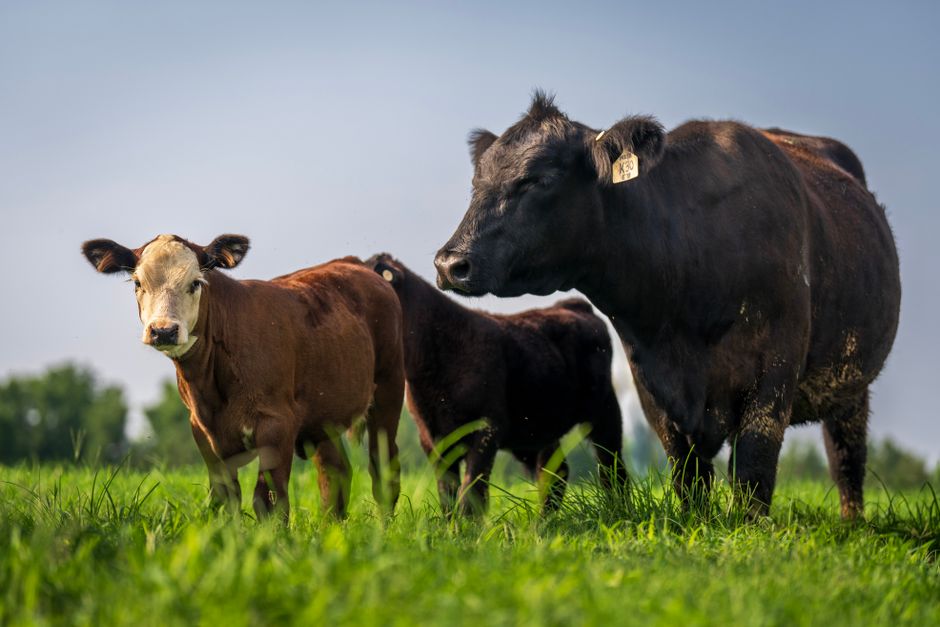
| Angus | Beef | 1,000–1,300 lbs (450–590 kg) | Calm, easy to manage | Temperate | Excellent marbling, hardy |
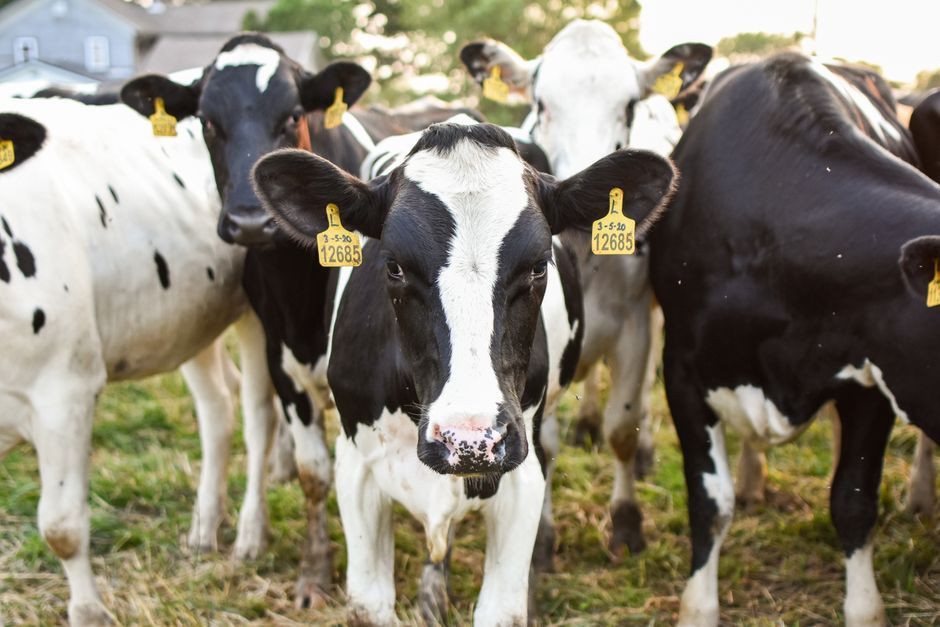
| Holstein | Dairy | 1,300–1,500 lbs (590–680 kg) | Docile, alert | Temperate | High milk yield (22-27 liters/day) |
| Hereford | Beef | 1,200–1,800 lbs (540–820 kg) | Gentle, adaptable | Various, including colder climates | Good foragers, disease resistant |
| Jersey | Dairy | 800–1,200 lbs (360–540 kg) | Friendly, small size | Warm and temperate | High butterfat milk (4.5%) |
Example: If you want a dairy herd producing large volumes of milk, Holsteins are the standard choice. If your focus is on quality beef with ease of handling, Angus is often preferred.
Other breeds worth considering depending on your specific conditions include:
- Simmental: A dual-purpose breed used for both milk and meat, known for rapid growth rates and adaptability to various climates.
- Charolais: Primarily a beef breed, recognized for large frame size and lean, tender meat.
- Guernsey: A dairy breed producing rich, golden-colored milk high in beta-carotene.
When choosing a breed, also consider access to purebred stock, local market demand, and support networks like breed associations. For example, some breeds have more extensive extension materials or breeder groups, which can be invaluable for beginners.
Planning Your Cattle Housing and Facilities
Proper housing is crucial for cattle health and productivity. The goal is to provide shelter that protects from extreme weather, allows good ventilation, and facilitates easy cleaning. Each farm’s climate, herd size, and budget will dictate the best housing setup.
Shelter Types
- Open-sided sheds: Provide shade and rain protection while allowing airflow, ideal for warmer climates. They can be designed with adjustable side curtains to protect against wind or cold when needed. For example, a shed measuring 12 by 30 feet can comfortably house 5 to 7 adult cattle.
- Barns: Fully enclosed structures that provide warmth and dry conditions in colder regions. Proper insulation and ventilation systems are essential to prevent respiratory illnesses caused by damp, stagnant air. Additionally, consider rubber mats or deep bedding to reduce hoof problems.
- Feedlot pens: Hard-surfaced areas designed for feeding and managing a larger number of cattle, often used in commercial operations. Pens should have adequate drainage to prevent mud accumulation, and sloped floors with gutters help maintain hygiene.
Space Requirements
Space per animal varies depending on size and purpose:
- Beef cattle: Minimum of 40 square feet per animal in a feeding area; 1.5 to 2 acres of pasture per animal for grazing. Overstocking often leads to soil degradation and poor animal health.
- Dairy cattle: At least 60 square feet per animal in barns/stalls; dry lots should allow 100+ square feet per animal. Beyond space, dairy cows require comfortable resting areas such as free-stalls or deep-bedded packs, which improve milk production and hoof health.
When designing fencing and lanes, factor in space for moving cattle comfortably during handling or veterinary procedures, as cramped areas increase stress and injury risks.
Fencing and Water Supply
- Fencing: Use strong, electrified wire or woven wire fencing to contain cattle. Height should be 4.5 to 5 feet. For young or smaller breeds, lower fencing may suffice, but taller fences reduce the risk of escapes or predator entry. Regularly inspect and maintain fences to prevent breaches.
- Water: Provide continuous access to fresh, clean water. An adult cow drinks 30 to 50 gallons (110-190 liters) daily. Automatic waterers connected to reliable sources can reduce labor and ensure consistent hydration. In freezing climates, heated water tanks prevent water sources from freezing over.
Additionally, strategically locate watering points to prevent overuse or damage to pasture areas, ideally with concrete pads or gravel around troughs to avoid muddy conditions.
Feeding Basics for Healthy Cattle
Nutrition directly impacts cattle growth, milk production, and reproductive performance. A balanced diet includes forage, grains, minerals, and water. Feeding strategies should adjust based on life stage, production goals, and seasonal forage availability.
Forage
Cattle are ruminants and primarily thrive on forages such as grasses and legumes. Pasture types vary by region but common options include:
- Cool-season grasses: Timothy, Fescue, Ryegrass
- Warm-season grasses: Bermuda, Bahia
- Legumes: Alfalfa, Clover
Daily forage intake typically is 2% to 3% of the animal’s body weight (dry matter basis). For example, a 1,200-pound (540 kg) cow eats approximately 24 to 36 pounds (11-16 kg) of dry forage daily. Quality of forage matters as much as quantity — lush, leafy forage provides higher nutrient density, while mature, stemmy grasses are less digestible.
Pasture management practices such as rotational grazing can optimize forage use and improve pasture health. Rotating cattle through paddocks allows regrowth, prevents overgrazing, and reduces parasite loads.
Concentrates and Grains
While forage forms the bulk of the diet, concentrates like corn, barley, or soybean meal supplement energy and protein, especially for growing or lactating cattle. The inclusion rate depends on production stage:
- Beef cattle finishing rations can include 50% grain for rapid weight gain. A typical finishing diet may consist of 60% grain, 30% silage, and 10% supplement.
- Dairy cows may require up to 60% concentrate to support high milk yields, particularly during peak lactation. Balancing rumen health is critical, so feed high-quality fiber sources alongside grains to prevent acidosis.
Feed additives such as yeast cultures or buffers may be used to improve digestion and overall performance. Additionally, consider seasonal adjustments — for example, increasing grain during winter or dry seasons when forage quality declines.
Minerals and Vitamins
Cattle need a balanced supply of minerals such as calcium, phosphorus, salt, and trace minerals (copper, zinc). Free-choice mineral blocks or loose minerals should be available at all times. Mineral deficiencies can lead to poor growth, reproductive issues, and increased susceptibility to disease.
In some regions, soil and forage tests can guide customized mineral supplementation. For example, selenium deficiency is common in certain areas and requires targeted supplementation to prevent white muscle disease and reproductive failures.
Basic Health Management and Vaccination
Maintaining cattle health involves routine vaccination, parasite control, and monitoring for common diseases. A comprehensive herd health plan reduces losses and improves productivity.
Essential Vaccinations
Vaccination schedules vary by region, but typically include:
- Clostridial vaccines: Protect against tetanus, blackleg, malignant edema, and other fatal bacterial diseases. Initial vaccination is often followed by a booster 3-4 weeks later, with annual revaccination.
- Bovine respiratory disease (BRD) vaccines: Protect against complex respiratory infections that are a major cause of morbidity and mortality, especially in young or stressed cattle.
- Bovine viral diarrhea (BVD) and infectious bovine rhinotracheitis (IBR): Vaccines for viral diseases common in cattle, which can cause abortions, weak calves, and respiratory illness.
Additional vaccines may be recommended based on local disease risks, such as leptospirosis, clostridial disease boosters, or pinkeye.
Parasite Control
- Internal parasites (worms): Deworm at least twice a year using appropriate anthelmintics, timed for seasons when parasite burdens peak (often spring and fall). Rotate drug classes to reduce resistance.
- External parasites (ticks, flies): Use insecticidal ear tags, sprays, or pour-ons as needed, especially during warm months. Integrated pest management including pasture rotation and biological controls can also help.
Regular fecal egg counts can monitor internal parasite loads and guide treatment decisions.
Routine Health Checks
Daily observation is key. Signs of illness include:
- Loss of appetite or sudden weight loss
- Droopy ears or head, lethargy
- Excessive salivation or nasal discharge, coughing
- Abnormal gait, lameness, or swelling
- Changes in rumination (chewing cud) behavior
Early detection allows prompt treatment and reduces spread within the herd. Maintain a first aid kit with basic supplies like wound treatment, electrolyte solutions, and medications approved by your veterinarian.

Working closely with a local veterinarian to establish a herd health plan improves outcomes and prevents outbreaks. Regular herd visits, necropsies on sudden deaths, and diagnostic testing can identify emerging problems early.
Breeding Basics for Beginners
Understanding cattle reproduction helps to maintain and grow your herd effectively. Reproductive efficiency is a key determinant of profitability in both beef and dairy operations.
Breeding Methods
- Natural service: Using a bull to breed cows; bulls can service 25-30 cows per breeding season under typical conditions, though this capacity decreases with age and bull health. Bulls should be fertile and free of diseases, and their semen quality can be evaluated by a veterinarian.
- Artificial insemination (AI): Allows access to superior genetics without keeping a bull. AI requires heat detection skills and careful timing — insemination is best done 12-18 hours after the onset of standing heat. Many AI providers offer online tools and local training to assist beginners.
Basic Reproductive Cycle
Cows have a 21-day estrous cycle, with heat (estrus) lasting 12-18 hours. Recognizing heat signs such as restlessness, mounting behavior, and clear vaginal mucus is essential for timing breeding. After successful insemination or breeding during heat, gestation lasts approximately 283 days (nine months and 10 days), culminating in calving.
Postpartum, cows require a voluntary waiting period of 45-60 days before breeding again to allow uterine recovery and resumption of estrous cycles. Proper nutrition and health management during this period support fertility.
Calving Preparation
- Provide a clean, dry calving pen with adequate bedding such as straw or shavings to reduce infection risk.
- Monitor cows closely as calving approaches. Common pre-calving signs include udder enlargement, relaxation of pelvic ligaments, and behavioral changes such as isolation or restlessness.
- Be prepared to assist if necessary, but avoid unnecessary interference. Know the stages of labor and signs of dystocia (difficult birth) such as prolonged labor or abnormal calf positioning.
- Have emergency contacts and birthing tools ready, including obstetrical gloves, lubricant, and ropes. In some cases, veterinary intervention may be required for safe delivery.
After calving, ensure the calf receives colostrum within the first 6 hours for immunity. Monitor both cow and calf for health and bonding.
Financial Considerations and Record Keeping
Good management requires tracking expenses, revenues, and animal performance. Budgeting and record keeping are essential for sustainability and growth.
- Initial investment: Costs for purchasing cattle vary widely. For example, feeder Angus steers can range from $1,200 to $1,800 each depending on weight and market conditions. Quality breeding stock and bulls typically command higher prices.
- Feed costs: Estimated at $2–$3 per head per day on typical forage and grain rations, but can fluctuate seasonally. Grain prices and forage availability strongly influence overall costs.
- Veterinary and medicine: Budget $30–$50 per head annually for routine vaccinations, deworming, and unexpected treatments.
- Facilities and equipment: Initial setup for fencing, water systems, shelters, and handling equipment can be significant but amortized over years of use.
Maintain detailed records of:
- Individual animal ID, birth dates, and lineage to track genetics and performance.
- Vaccinations and health treatments with dates and products used.
- Breeding dates, AI details, heat detection notes, and calving records.
- Production data such as weight gains, milk yield, and feed conversion efficiency.
- Financial transactions including sales, purchases, and variable costs.
Many farmers use software or mobile apps designed for livestock management, which simplify data entry and analysis. Regularly reviewing records helps identify trends, detect issues early, and make informed decisions.
Summary: Key Takeaways for Beginner Cattle Keepers
- Choose a breed suited to your climate and goals, considering temperament and market demands.
- Provide adequate shelter, clean water, and well-managed pasture or high-quality forage.
- Feed a balanced diet based on body weight, production stage, and available resources.
- Implement a vaccination and parasite control program tailored to local disease risks.
- Understand breeding cycles, practice accurate heat detection, and prepare properly for calving.
- Keep detailed records and manage finances carefully to ensure profitability and sustainability.
Starting with a small number of cattle, such as 5-10 head, allows you to learn and build experience without becoming overwhelmed. Connecting with local extension services, experienced farmers, or cattle associations can provide valuable ongoing support, including mentorship, training workshops, and cooperative marketing opportunities. Participating in cattle shows or breed clubs can also enhance knowledge and build networks.
Finally, embracing continual learning — by reading industry publications, attending seminars, and staying updated on best practices — will help you adapt to challenges and improve the success of your cattle enterprise over time.