
Introduction to Beginner Basics in Cow Care
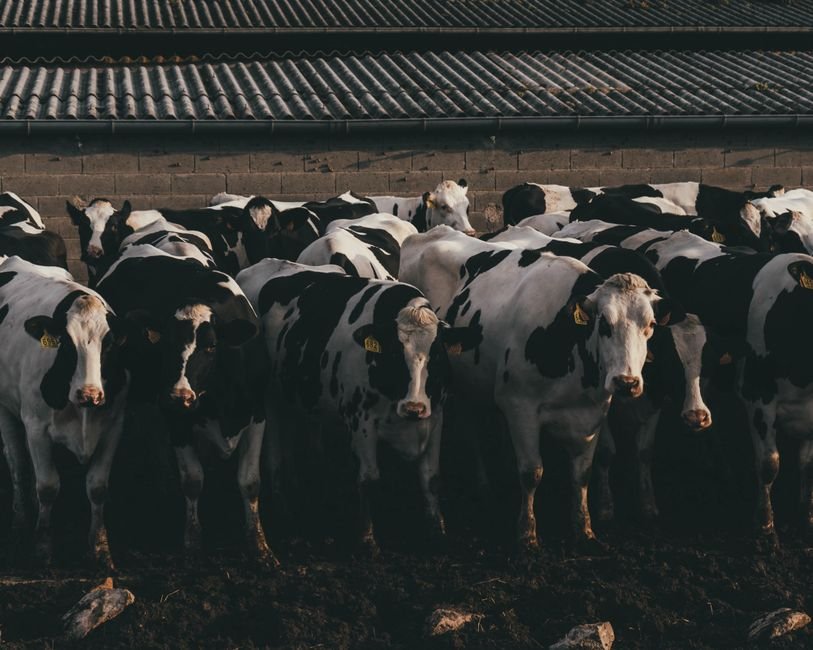
Starting your journey with cows can be rewarding but requires a solid understanding of fundamental practices. Whether you have a small backyard herd or plan to manage a larger commercial operation, focusing on proper care and management from the beginning ensures healthy, productive cattle. This article breaks down the best beginner basics for cow care, touching on housing, feeding, health, and daily routines. Additionally, understanding the behavioral traits and social structures of cattle can greatly improve handling and welfare. Cows are herd animals that thrive in groups, so social interactions and minimizing stress during handling and transportation are crucial factors to consider.
Choosing the Right Breed for Beginners
Not all cows are created equal, especially for beginners. Selecting the right breed is crucial because some breeds are easier to handle, require less specialized care, and are more adaptable to different climates.
- Holstein: Ideal for milk production, Holsteins are the most common dairy breed worldwide and have high milk yields averaging 23,000 pounds (10,400 kg) per lactation. However, their large size requires adequate space and higher feed inputs, which might be challenging for small-scale beginners. They also tend to be more sensitive to heat stress, so proper cooling systems or shade must be factored in hot climates.
- Angus: Popular for beef, Angus cattle are hardy and known for their calm temperament, making them beginner-friendly. Their ability to efficiently convert grass into quality beef and their resistance to many common diseases help reduce management complexities for new farmers. Additionally, Angus cattle have a natural resistance to harsh weather, making them suitable for a wide range of environments.
- Jersey: Smaller in size, Jerseys produce rich milk with high butterfat content, averaging around 17,000 pounds (7,700 kg) per lactation. They are often favored in small-scale or homestead dairies due to lower feed requirements and their adaptability to limited space. Their temperament is generally docile, but they can be more sensitive to cold temperatures.
- Hereford: Known for efficient grazing and easy handling, Herefords are a good choice for first-time beef cattle raisers. Their robust constitution and ability to perform well on moderate-quality forage make them economical to raise. They also have a distinctive red body with a white face, which some farmers find easy to identify and manage in mixed herds.
Beginner farmers should consider local climate, feed availability, and purpose (dairy vs. beef) before choosing a breed. Consulting local agricultural extension services can provide breed recommendations tailored to your area. For instance, in arid regions, breeds like Brahman or their crosses may be recommended due to heat tolerance, while in colder climates, breeds with thicker coats such as Highland cattle could be better suited. Visiting nearby farms and observing breeds in local conditions can offer practical insights beyond theoretical knowledge.
Housing and Shelter: Creating a Safe Environment
Proper shelter protects cows from extreme weather and reduces stress, which directly affects productivity and health. The design and maintenance of shelters also influence biosecurity by limiting exposure to pests and pathogens.
Key Shelter Requirements
- Space: Each mature cow typically needs 40 to 50 square feet of sheltered space. For calves, 15 to 25 square feet suffices. Overstocking can lead to increased competition, aggression, and elevated stress hormone levels, which negatively impact growth and milk production. In addition, ensuring sufficient outdoor space for exercise and grazing complements indoor shelter needs.
- Ventilation: Good airflow prevents respiratory diseases. Avoid drafts but ensure fresh air circulation. Natural ventilation using ridge vents, side curtains, or adjustable windows is often preferred over mechanical systems in small farms due to lower costs and reduced maintenance. However, in humid environments, mechanical fans may be necessary to control moisture and temperature.
- Bedding: Use straw, sawdust, or sand to keep cows comfortable and dry. The choice depends on availability, cost, and environmental considerations. For example, sand bedding provides excellent drainage and reduces bacterial load but is heavier and may require specialized cleaning equipment. Maintaining dry bedding is critical for preventing mastitis and lameness.
- Drainage: Floors should slope slightly to allow water runoff, minimizing mud and manure buildup. Proper drainage reduces hoof problems such as foot rot and improves overall hygiene. Concrete floors with textured surfaces can offer durability and traction but may require rubber mats in resting areas to prevent joint injuries.
Examples of Shelter Types
- Open-sided barns: Common in temperate climates, they provide shade and wind protection while allowing airflow. These barns often include a roofed feeding area and open exercise yards. They are cost-effective and easy to build but may require windbreaks or curtains in colder regions.
- Freestall barns: Designed for dairy cows with individual resting areas, promoting cleanliness and comfort. Freestall barns facilitate efficient manure management with sloped alleys and scraping systems. They support large herds and reduce injury risk by minimizing competition for resting spots. Such barns often incorporate automated feeding and milking technologies which can improve herd management but increase initial investment.
- Simple sheds or lean-tos: Suitable for beef cattle in mild climates where minimal protection is needed. These structures are easy to construct and cost-effective, providing basic shelter from rain and sun. However, they offer limited temperature control and may require supplementary shade or windbreaks, especially in open pastures.
Feeding Basics: Nutrition for Growth and Production
Nutrition is the cornerstone of healthy cattle. A balanced diet affects growth, milk production, reproduction, and overall well-being. Understanding the nutrient requirements throughout different life stages helps optimize feed efficiency and minimize waste.
Essential Nutrients
- Forage: Grass, hay, or silage should make up 60-80% of a cow’s diet. Forages provide fiber critical for rumen function. Quality of forage is vital; for example, legumes like alfalfa have higher protein content than grasses and can enhance growth and milk yield. Seasonal variations affect availability and nutritional value, so supplementing with stored forages during winter or dry periods is common practice.
- Concentrates: Grains like corn, barley, and soybean meal supply energy and protein but should be fed cautiously to avoid digestive upset. Overfeeding concentrates can cause ruminal acidosis, leading to poor health and reduced productivity. Beginners should introduce concentrates slowly and monitor cows for changes in appetite or behavior. Precision feeding with balanced rations formulated by a nutritionist can improve feed conversion ratios.
- Water: Cows consume 30-50 gallons (113-190 liters) of water daily, depending on size and lactation status. Water quality can impact feed intake and health: clean, fresh water free of contaminants like nitrates or excessive minerals is essential. During hot weather or early lactation, water intake can increase significantly, so providing multiple access points reduces competition.
- Minerals and Vitamins: Supplementation with salt blocks and mineral mixes prevents deficiencies common in many grazing systems. For instance, selenium and vitamin E deficiencies can cause reproductive problems and immune suppression. Customized mineral mixes based on forage testing elevate herd performance. Trace minerals like copper and zinc also play roles in hoof health and growth.
Feeding Frequency and Monitoring
Most cattle do well with two feedings per day, but calves require more frequent, smaller meals to support rapid growth and digestive development. Automatic feeders or individually timed feedings can help regulate intake in calves and avoid digestive issues. For lactating cows, consistent feeding times improve rumen function and milk yield.
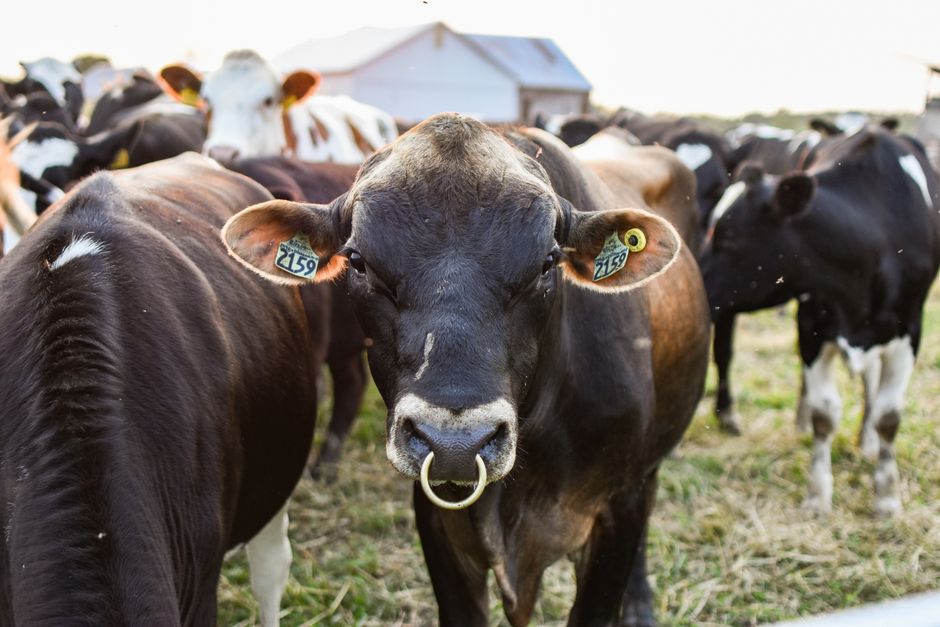
Track body condition scores regularly—ideal scores range from 2.5 to 3.5 on a 5-point scale—adjusting feed as needed. For example, cows below 2.5 may be underfed or suffer from health issues, while those above 3.5 may be at risk for metabolic disorders during calving. Regular weighing and girth measurements complement body condition scoring to provide a comprehensive nutritional assessment. Additionally, monitoring manure consistency and behavior can give early signs of dietary imbalances.
Health Management: Preventing Common Diseases
Early disease prevention and regular health checks are essential for first-time cattle owners. Effective herd health programs reduce veterinary costs and improve longevity and production.
Vaccinations and Parasite Control
- Vaccinations: Core vaccines include those for infectious bovine rhinotracheitis (IBR), bovine viral diarrhea (BVD), and clostridial diseases. Consult a veterinarian to develop a vaccination schedule tailored to your region’s disease prevalence and herd risk. For example, leptospirosis vaccines may be necessary in areas with high wildlife contact. Proper timing around calving and weaning periods maximizes immunity.
- Parasite control: Internal parasites like worms and external parasites like ticks can impact growth and lactation. Use dewormers and insecticides as recommended, typically every 3-6 months, but adjust frequency based on fecal egg counts and pasture conditions. Incorporating pasture rotation and mixed-species grazing (e.g., sheep with cattle) can reduce parasite loads naturally. Additionally, monitoring for resistance to common dewormers is important to maintain effectiveness.
Regular Health Practices
- Monitor for signs of illness such as lethargy, coughing, or reduced appetite. Early detection enables fast intervention and reduces spread within the herd. Using tools like digital thermometers and handheld ultrasound can aid diagnosis in larger operations.
- Maintain clean water and feeding equipment to prevent bacterial contamination. Biofilms can harbor pathogens, so regular washing with detergents and disinfectants is recommended. Feeding troughs should be designed to minimize feed spillage and contamination.
- Quarantine new or sick animals to avoid spreading diseases. A minimum of 2-3 weeks in isolation with monitoring helps prevent introducing infections. During this period, vaccinations and deworming can be administered to integrate animals safely into the herd.
Daily Management and Record Keeping
Consistent daily routines and detailed records enhance management efficiency and help identify problems early. They also provide valuable data for improving herd genetics, nutrition, and health protocols.
Daily Tasks
- Check water and feed supplies twice daily. Automated waterers equipped with level sensors can alert you when refills are needed. Feed bunks should be cleared of old or moldy feed to avoid illness.
- Observe cattle behavior for signs of distress or illness. Behavioral changes such as isolation, excessive vocalization, or limping may indicate health issues. Familiarity with individual animals’ normal behavior helps detect subtle problems.
- Clean and refresh bedding areas regularly to maintain hygiene. Removing soiled bedding reduces ammonia buildup, which can irritate respiratory tracts and lead to infections.
Record-Keeping Essentials
Keep logs of:
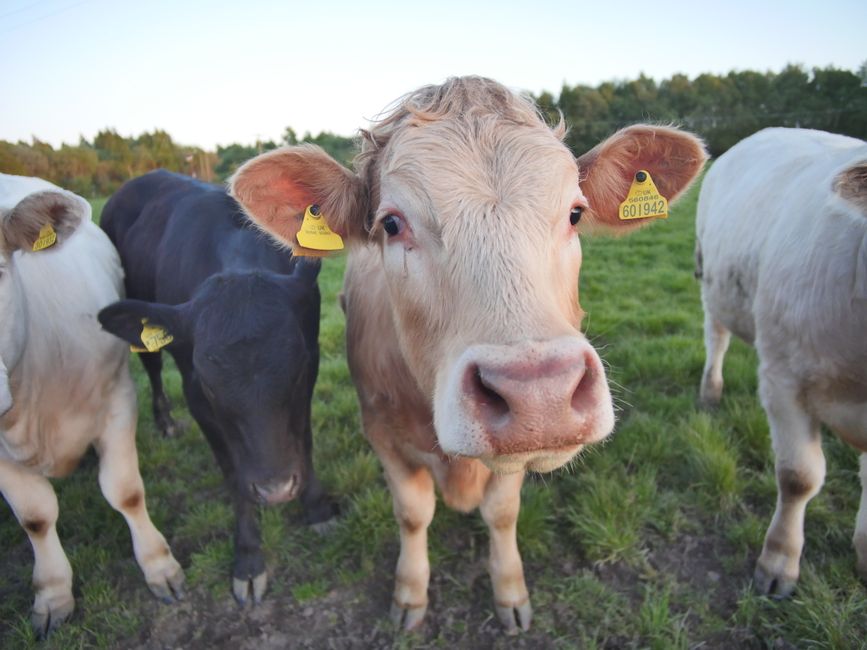
- Birth dates and lineage of calves. This assists in tracking genetics and planning breeding programs to improve traits like milk yield, growth rate, and disease resistance.
- Vaccination and deworming dates. Maintaining accurate records ensures timely administration of preventatives and compliance with animal health regulations.
- Milk production records, if applicable. Tracking daily yields helps identify high-performing cows and detect early signs of mastitis or other issues.
- Weight measurements to track growth. Weight trends inform feeding adjustments and identify health concerns such as parasitism or metabolic disease.
Implementing digital record-keeping systems or mobile apps can streamline data management and facilitate sharing information with veterinarians or advisors.
Cost Overview: What Beginners Can Expect to Invest
Understanding the financial commitment helps prepare for successful cattle raising. Costs can vary significantly based on region, scale, and management practices.
| Expense Category | Estimated Cost Range (USD) | Details |
|---|---|---|
| Cow Purchase | $800 – $2,500 | Depends on breed, age, and purpose (dairy/beef). Heifers generally cost less than mature cows, but investing in well-bred stock can pay off in productivity. Bulls or artificial insemination services add additional costs for breeding. |
| Shelter Construction | $1,000 – $5,000 | Varies by size and materials. Utilizing local, recycled, or prefabricated materials can reduce costs. Additionally, investing in infrastructure like fencing and water systems should be considered in initial budgeting. |
| Feed (annual) | $300 – $700 per head | Includes hay, grain, mineral supplements. Costs fluctuate seasonally; growing some feed on-farm can reduce expenses. Grazing management and rotational pastures can optimize forage utilization. |
| Veterinary Care | $150 – $400 per year | Vaccinations, deworming, illness treatment. Emergency health events or chronic conditions can increase costs. Preventative health care minimizes these risks. |
| Equipment | $200 – $1,000 | Feeders, waterers, grooming tools. Durable equipment reduces replacement frequency. Investing in quality handling facilities enhances safety and efficiency. |
Additional expenses to consider include insurance, utilities, labor (if applicable), and transportation. Budgeting a contingency fund for unexpected costs is prudent for new farmers.
Final Tips for Beginners
- Start Small: Begin with a few cows to learn management before expanding. This approach allows you to gain hands-on experience and adjust practices without overwhelming resources.
- Seek Mentorship: Experienced farmers and extension agents are valuable resources. They can provide guidance on local conditions, troubleshooting, and best practices. Joining cattle associations or online forums can also offer community support.
- Attend Workshops: Local agricultural workshops and fairs often offer beginner-friendly training. Topics may include breeding, nutrition, disease management, and handling techniques. Continuous learning keeps you updated on innovations and regulatory changes.
- Invest in Quality Feed: Better feed leads to healthier, more productive cows. While it may seem costlier initially, high-quality nutrition reduces illness, improves reproduction, and increases yields, providing a favorable return on investment.
- Prioritize Animal Welfare: Humane handling and stress reduction improve productivity and public perception. Use low-stress handling methods, maintain clean facilities, and provide adequate social interactions within the herd.
- Plan for Seasonal Changes: Weather extremes impact feed availability, water needs, and shelter requirements. Develop strategies like forage storage, windbreaks, and water heating systems to maintain consistent cow comfort year-round.
With commitment and proper knowledge, raising cows can become a sustainable and enjoyable venture. Focus on these beginner basics to set a strong foundation and watch your herd thrive. Remember, success in cattle farming is not just about hard work but also about continuous learning, observation, and adapting to the unique needs of your animals and environment.