

Introduction to Cattle Farm Land and Acreage Planning
Starting or expanding a cattle farm requires detailed attention to the land and acreage available. The success of your cattle operation largely depends on how well your land supports grazing, water supply, shelter, and infrastructure. This checklist helps you evaluate and prepare your farm’s acreage to maximize productivity, animal health, and sustainability.
Beyond the basics, understanding local environmental conditions, land topography, and long-term land use planning are essential. Integrating sustainable practices such as soil conservation, biodiversity preservation, and water management can safeguard your farm’s productivity for future generations. Well-planned acreage not only supports optimal cattle growth but also plays a vital role in reducing operational costs and environmental impact.
1. Determine Suitable Acreage for Your Herd Size
One of the first steps is calculating the land needed based on herd size and grazing capacity. The general rule of thumb varies by region, breed, and pasture quality but typically ranges between 1.5 to 3 acres per cow-calf pair.
- Example: In regions with high-quality pasture (e.g., Kentucky Bluegrass pasture), you might need only 1.5 acres per cow-calf pair.
- Conversely, in dry or less fertile areas (e.g., parts of Texas), 3 or more acres per pair can be necessary.
For a herd of 50 cows, expect to manage between 75 and 150 acres, depending on pasture productivity and management practices.
It’s important to consider that acreage needs may fluctuate seasonally. For example, during drought years, forage availability can decrease significantly, requiring supplemental feed or reduced stocking rates. Likewise, during periods of abundant rainfall, forage growth may support heavier stocking densities if rotational grazing is diligently applied.
Factors Influencing Acreage Requirements
- Soil fertility: Nutrient-rich soil supports denser forage growth. For instance, soils rich in phosphorus and potassium can increase pasture productivity by up to 30%, reducing acreage needs.
- Climate: Rainfall and temperature affect forage availability year-round. In humid climates averaging over 30 inches of annual rainfall, pasture growth can support greater stocking rates compared to arid climates receiving less than 20 inches.
- Pasture species: Cool-season grasses like fescues vs. warm-season grasses like Bermuda. Warm-season species often have a growth peak in summer but go dormant in cooler months, necessitating mixed pasture systems for year-round forage availability.
- Stocking rate adjustments: Overstocking leads to pasture degradation, soil erosion, and reduced animal performance. Understocking may underutilize land resources, affecting profitability.
Utilizing forage yield data specific to your region can further refine acreage estimates. For example, average pasture yields in the Midwest range between 4 to 6 tons of dry matter per acre annually, while in the Southwestern US, yields may be less than 2 tons per acre.
2. Soil Testing and Preparation
Healthy soil is the foundation for productive pasture. Conduct soil testing every 2-3 years to assess:
- pH level (ideal range: 6.0-7.0 for most grasses)
- Nutrient levels (nitrogen, phosphorus, potassium)
- Organic matter content
Based on test results, apply lime to adjust pH or fertilizers to replenish nutrients. For example, a soil test recommending 50 lbs/acre of nitrogen in spring would support optimal forage growth.
Additionally, micronutrients such as sulfur, zinc, and copper can significantly impact pasture health and should be evaluated, particularly in soils that have shown deficiencies or poor grass vigor. Testing for soil compaction and drainage capability can also inform preparation efforts, helping avoid areas prone to waterlogging or restricted root growth.
Soil Preparation Tips
- Remove weeds and invasive species before planting new pastures. Persistent species like Johnson grass or Canada thistle may require multiple control strategies, including herbicide application and mechanical removal.
- Consider rotational tillage to avoid soil compaction. Deep ripping or subsoiling may be necessary on heavier clay soils to improve root penetration and water infiltration.
- Incorporate organic matter such as manure or cover crops to improve soil structure. Cover crops like clover or vetch can fix nitrogen, improve soil moisture retention, and enhance microbial activity.
- Plan soil amendments timing carefully to coincide with planting or forage growth periods to maximize nutrient uptake efficiency.
Attention to soil biology, including earthworm populations and microbial diversity, can indicate overall soil health, influencing pasture productivity and resilience.
3. Grazing Management and Pasture Planning
Efficient grazing systems can significantly increase your land’s carrying capacity and improve forage utilization.
Rotational Grazing Setup
- Divide acreage into multiple paddocks (ideally 4 to 8) to allow grazing and regrowth phases. More paddocks can provide better control but require increased fencing and water infrastructure.
- Rotate cattle every 3-7 days depending on forage growth rates. Rapid rotation prevents overgrazing and encourages root development.
- Rest paddocks for 21 to 30 days between grazing to maintain pasture health. Rest duration may vary with season and species composition.
- Utilize temporary fencing or portable electric fences to allow flexible pasture allocation, especially during variable forage growth conditions.
Implementing controlled grazing periods can result in forage utilization rates of 50-60%, compared to continuous grazing systems with utilization rates often below 30%, leading to wasted forage and degraded pastures.
Pasture Species Selection
Choose species that match your soil type and climate:
| Pasture Type | Climate | Recommended Species | Key Benefits |
|---|---|---|---|
| Cool-Season | Temperate, moist | Kentucky Bluegrass, Orchardgrass, Timothy | High-quality forage, good spring and fall growth; suitable for regions with 25-40 inches of rainfall annually |
| Warm-Season | Hot, dry | Bermuda Grass, Bahiagrass, Bahia | Drought tolerant, summer growth peak; ideal for southern states with long hot summers |
| Mixed Pasture | Variable | Mix of cool- and warm-season grasses | Extended grazing season, forage diversity; helps bridge forage gaps in transitional climates |
Incorporating legumes such as clover or alfalfa into pastures can enhance nitrogen fixation, improve forage quality, and increase animal intake. For instance, a 20-30% legume mixture can reduce the need for synthetic nitrogen fertilizers and enhance livestock gains by up to 10%.
Evaluating pasture species for resistance to local pests and diseases can also boost pasture longevity and reduce management inputs.
4. Water Supply and Access
Reliable water sources are critical. Cattle consume approximately 10 to 20 gallons of water daily, depending on temperature and lactation status.
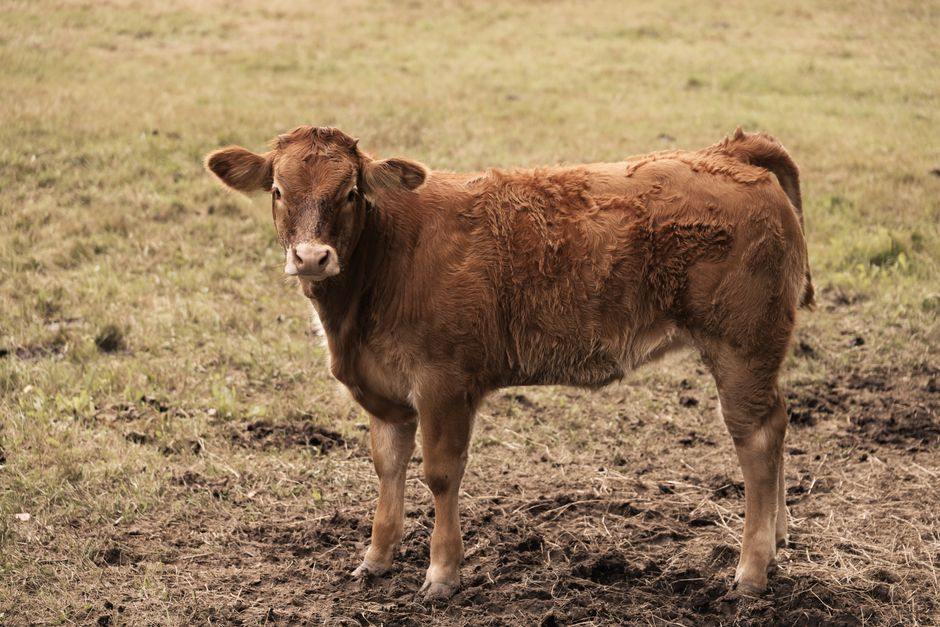
For example, lactating cows can consume upwards of 30 gallons per day during hot weather, underscoring the need for sufficient water availability during critical production periods.
Water Source Options
- Natural: Streams, ponds, springs. Natural sources should be managed to prevent contamination and erosion, including fencing off streams to protect riparian zones.
- Man-made: Wells, troughs, tanks, rain catchment systems. Rainwater harvesting systems can supplement water supply in drought-prone areas.
Water points should be distributed so no more than 1,000 feet of walking distance is required, minimizing stress and energy expenditure.
When planning water locations, consider topography to avoid muddy, eroded areas around troughs, which can reduce access and increase maintenance costs. Installing gravel pads or concrete aprons can improve durability and animal access.
Water Storage and Delivery Systems
- Install frost-free hydrants or heated troughs for winter. In northern climates, this prevents freezing and ensures uninterrupted water access.
- Use automatic waterers with 200+ gallon capacity for herds over 50 head. Ensuring continuous water availability supports consistent feed intake and weight gain.
- Ensure water tanks are cleaned regularly to prevent algae build-up. Algae can reduce water quality and deter cattle from drinking.
- Consider backup water systems such as generators for pumps or gravity-fed systems to improve reliability during power outages.
Water quality testing for mineral content and contaminants like nitrates or bacteria should be conducted annually to maintain herd health.
5. Fencing: Types and Layout
Effective fencing is essential for herd control and predator protection. The choice depends on budget, terrain, and cattle behavior.
Common Fencing Types
| Fencing Type | Cost per Foot (approx.) | Durability | Best Use |
|---|---|---|---|
| Barbed Wire | $0.50 – $1.00 | Moderate (5-10 years) | Exterior fencing, cost-effective for large acreage |
| High-Tensile Electric | $0.85 – $1.50 | High (15+ years) | Rotational paddocks, flexible fencing |
| Wood Post with Wire Mesh | $3.00 – $5.00 | High (10+ years) | Corrals, handling areas, predator control |
Additionally, newer fencing technologies such as solar-powered electric fences offer energy-efficient options that can simplify installation in remote areas. Chain-link fencing is rarely used for pasture due to cost but may be necessary in high-security areas such as quarantine pens.
Fence Layout Recommendations
- Create perimeter fences with durable materials to keep predators out. For example, in areas with frequent coyote or wolf activity, wire mesh combined with barbed wire can effectively deter predators.
- Internal paddocks can use electric fencing for easy modification. This flexibility allows for adapting grazing plans seasonally or as herd composition changes.
- Provide at least two exit points per paddock for easy cattle movement. Multiple gates reduce stress during handling and facilitate rotational grazing routines.
- Incorporate buffer zones along roads or water sources to prevent damage and maintain safety.
Regular fence inspection and maintenance, at least quarterly, help detect and repair breaches early, preventing escapes and injuries.
6. Shelter and Shade Considerations
Cattle need access to shade and shelter to protect against heat stress, wind, and rain, which can impact health and weight gain.
- Shade structures: Planting trees or installing artificial shade (e.g., shade cloth or metal shelters). Trees such as cottonwoods or oaks provide natural shade and can also serve as windbreaks.
- Shelters: Windbreaks like dense tree lines or constructed barns/sheds. In colder climates, solid-sided shelters reduce energy loss and protect calves.
- Provide at least 50 square feet of shade or shelter per animal. Larger animals or lactating cows may require more space to avoid crowding.
Implementing shade not only improves animal comfort but can increase average daily gains by 10-15% during hot months, as heat stress reduces feed intake and efficiency.
Consider the orientation of shelters to maximize natural ventilation while providing protection; for example, positioning windbreaks perpendicular to prevailing winds.
In addition, shelter design should facilitate drainage and cleanliness to reduce mud, which can harbor pathogens and increase hoof problems.
7. Access Roads and Handling Facilities
Good access roads allow equipment and vehicles to reach all parts of the farm year-round. Handling facilities ensure safe cattle movement during veterinary care, sorting, and transport.
- Gravel or compacted dirt roads with proper drainage prevent mud and erosion. Installing culverts and ditches can help manage runoff and prevent road washouts.
- Handling facilities should include a chute, headgate, and sorting pens. The design should minimize sharp turns and dead ends to reduce stress and injury risk.
- Design handling systems to move cattle calmly and efficiently. Use solid panels and curved alleys to encourage forward movement, leveraging cattle instinct to follow the leader.
Advanced handling facilities may incorporate electronic identification readers and scales for monitoring individual animal health and performance, facilitating precision livestock management.
Ample lighting and non-slip flooring are important safety features, especially for night operations or wet conditions.
Summary Checklist for Cattle Farm Land and Acreage
| Checklist Item | Details/Notes | Example/Standard |
|---|---|---|
| Acreage per Cow | Calculate based on pasture quality and climate | 1.5-3 acres per cow-calf pair |
| Soil Testing | Test pH and nutrients every 2-3 years; include micronutrients and organic matter | pH 6.0-7.0, fertilization as needed |
| Pasture Management | Implement rotational grazing with paddocks; consider forage species composition and legume integration | 4-8 paddocks; 3-7 days grazing per paddock |
| Water Supply | Reliable sources with troughs; <1,000 ft walk; water quality testing | 10-20 gallons per cow daily, higher for lactating cows |
| Fencing | Durable perimeter plus flexible internal fencing; regular maintenance | Barbed wire + high-tensile electric fencing |
| Shelter/ Shade | Provide 50+ sq ft per animal; design to reduce heat stress and protect from weather | Natural or artificial shade |
| Access and Handling | Maintain all-weather roads and safe handling facilities with chute, headgate, sorting pens | Chutes, pens designed for calm movement |