

Understanding the Importance of Proper Housing and Shelter for Cows
Providing appropriate housing and shelter for cows is fundamental to their health, productivity, and overall welfare. Cows exposed to harsh weather conditions such as extreme cold, heat, rain, or wind experience stress that can lower milk production, increase susceptibility to disease, and affect reproductive performance. Properly designed shelter not only protects cows from environmental stress but also facilitates effective management, feeding, and cleaning routines.
Moreover, cow housing directly impacts animal behavior and comfort, which are crucial indicators of welfare. Cows that have access to comfortable resting areas exhibit longer lying times, which correlates with improved rumination and digestion. Stress from inadequate housing can lead to behavioral issues such as aggression or restlessness, further compromising health. Additionally, well-designed shelters play a critical role in biosecurity by minimizing contact with pathogens and reducing disease transmission within the herd.
Economic benefits are also tied to proper shelter. Healthier, less stressed cows tend to have higher fertility rates, produce milk with better quality and quantity, and require fewer veterinary interventions. For beef cattle, shelter can improve weight gain efficiency and carcass quality by reducing energy loss spent on thermoregulation. In all cases, investment in quality housing can lead to long-term cost savings and enhanced farm sustainability.
Key Factors to Consider When Choosing Cow Housing and Shelter
When selecting a housing system for cows, several factors must be weighed carefully, including climate, herd size, budget constraints, and management practices. Below is a detailed exploration of these considerations.
1. Climate and Weather Conditions
The local climate significantly influences the type of shelter you need. For example:
- Cold climates: Require insulated barns or shelters with windbreaks to prevent hypothermia and frostbite. Adequate ventilation is still necessary to control moisture and ammonia buildup. Insulation materials such as polyurethane foam or fiberglass can reduce heat loss by up to 50%, maintaining a stable indoor temperature. Additionally, installing radiant heating systems or heated water bowls can further reduce cold stress, particularly in calf housing.
- Hot climates: Demand shade structures combined with good airflow to reduce heat stress. Shade can decrease radiant heat by up to 60%, improving cow comfort and milk yield. Evaporative cooling systems, such as misters or fans, can further lower the effective temperature by 10-15°F, significantly improving cow welfare during peak heat hours. It’s also important to position shelters to maximize prevailing breeze intake and minimize solar radiation exposure during the hottest parts of the day.
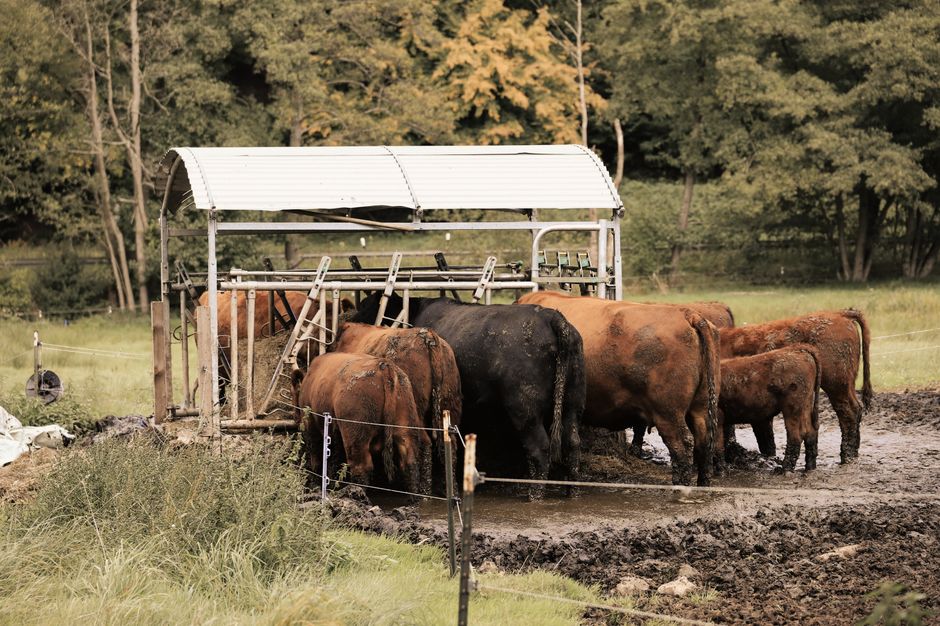
- Humid or wet climates: Need well-drained flooring and roofing to keep cows dry and reduce the risk of hoof diseases. Incorporating sloped floors and installing gutters to divert rainwater away from housing areas reduces mud and standing water, which are breeding grounds for pathogens. Using moisture-resistant materials such as treated wood or metal roofing helps prevent structural damage and mold growth, protecting both cows and investment.
In regions with highly variable climates, flexible designs combining features like adjustable side curtains, removable panels, or modular roofing can adapt to seasonal changes, ensuring year-round comfort and reducing operational costs.
2. Herd Size and Growth Plans
The number of cows dictates the scale and design of the housing. A small herd of 10-20 cows requires a different setup from a commercial operation of 200+ heads. Consider future herd expansion to avoid costly reconstruction. For example, freestall barns are scalable and popular in large dairy farms, while smaller operations may benefit from simple loafing sheds or open shelters.
In addition to current herd size, consider the demographic structure—such as the proportion of heifers, dry cows, and lactating cows—as their housing needs differ. For instance, dry cows require separate areas with softer bedding to promote rest, while heifers may need group housing that encourages socialization and growth. Planning for distinct zones within the shelter can improve overall herd health and development.
Operational factors like labor availability also influence housing choices. Larger herds often benefit from automated feeding and manure removal systems integrated within freestall barns, enhancing efficiency and reducing labor costs. Conversely, smallholders may prefer simpler designs that allow hands-on management and easy observation of individual animals.
3. Budget and Cost Efficiency
Investment in housing varies widely, from simple pole barns costing as little as $20 per square foot to elaborate climate-controlled barns that can exceed $100 per square foot. Balancing initial cost with long-term benefits like improved health, labor efficiency, and productivity is essential.
Cost-benefit analyses show that investing in better bedding and ventilation can increase milk yield by 5-10%, often recouping construction costs within a few years. Additionally, high-quality flooring that reduces lameness can save thousands annually in veterinary expenses and lost production. When budgeting, allocate funds not only for construction but also for ongoing maintenance, bedding materials, and utilities.
Innovative financing options, such as grants for sustainable agriculture or cooperative purchasing agreements, may be available to offset upfront expenses. Some farmers choose to phase construction, starting with core shelter elements and upgrading facilities over time as resources permit.
4. Ease of Management and Maintenance
Housing should facilitate daily tasks such as feeding, cleaning, and health monitoring. Designs that allow natural lighting reduce electricity costs and improve cow well-being. Flooring should be non-slip and easy to clean, reducing labor and injury risk.
Automation can greatly improve management ease, with systems such as automatic waterers, manure scrapers, and feeding robots increasingly common in modern dairy operations. These not only save labor but also provide consistent care that benefits the animals. However, these technologies require infrastructure support and technical knowledge, which should be factored into management capabilities.
Maintenance considerations include selecting durable materials resistant to corrosion and wear, as well as designing layouts that prevent hard-to-reach areas where dirt and waste accumulate. Regular maintenance schedules, including daily cleaning and periodic inspections of ventilation and structural integrity, help prolong shelter lifespan and maintain a healthy environment.
Incorporating features such as hinged roof panels or removable partitions can facilitate deep cleaning and repairs without disrupting the entire herd. Additionally, having dedicated quarantine areas accessible from the main housing can aid in managing sick animals without exposing others to illness.
Common Types of Cow Housing and Their Pros and Cons
Below is a comparison of various housing options with their characteristics, advantages, and disadvantages.
| Housing Type | Description | Pros | Cons | Best Use |
|---|---|---|---|---|
| Open Lot with Shade and Windbreaks | Outdoor space with natural or artificial shade structures and barriers against wind | Low cost, good ventilation, natural behavior | Less protection from extreme weather, mud problems in rain | Warm, dry climates; small herds |
| Freestall Barn | Indoor barn with individual resting stalls, usually with concrete floors and bedding | Good cow comfort, protection from weather, efficient manure management | High initial cost, requires good ventilation system | Commercial dairy farms, moderate to large herds |
| Tie-Stall Barn | Cows are tethered in individual stalls for feeding and resting | Individual monitoring, lower space requirement | Restricts natural movement, higher labor for cleaning | Small herds, farmers requiring close individual management |
| Loafing Shed | Simple shelter with roof and open sides, often used with outdoor grazing | Low cost, easy access, allows natural behavior | Limited protection from cold or wet weather | Moderate climates, beef cattle, and dry cows |
| Deep Bedding Shelter | Indoor or semi-indoor shelter with thick bedding materials like straw or sawdust | Good comfort, natural insulation | Requires constant bedding replacement, higher labor | Cold climates, beef finishing operations |
Each of these housing types can be customized or hybridized to better meet specific operational goals. For example, combining loafing sheds with freestall barns in rotational grazing systems allows cows to benefit from natural forage while having weather protection. Additionally, recent trends include integrating solar panels on roofing structures to offset energy use, contributing to farm sustainability.
Design Considerations for Optimal Cow Shelter
Ventilation
Proper ventilation removes excess heat, moisture, and gases like ammonia while supplying fresh air. For example, the National Research Council recommends a minimum of 4 to 10 air changes per hour in dairy barns. Natural ventilation using ridge vents and side curtains is cost-effective but may require mechanical ventilation in extreme climates.
Mechanical ventilation systems such as tunnel or cross-ventilation fans can enhance airflow during periods of low natural wind, improving temperature control and air quality. Monitoring devices that measure ammonia levels, humidity, and temperature can be installed to adjust ventilation dynamically, ensuring optimal conditions.
Effective ventilation also helps in controlling airborne disease agents and reducing respiratory ailments. Studies have shown that well-ventilated barns can reduce incidences of pneumonia and mastitis by up to 30%, directly benefiting herd health and productivity.
Flooring and Bedding
Floor surfaces should prevent slipping and allow drainage. Common options include grooved concrete, rubber mats, or compacted soil with bedding. Bedding depth and material impact cow comfort — studies show cows lying on deep sand or sawdust beddings spend up to 20% more time resting, which correlates with increased milk yield.
Sand bedding, while excellent for drainage and reducing bacterial load, can be abrasive and cause excessive hoof wear if not managed properly. Sawdust and straw require regular replacement to maintain cleanliness but provide excellent cushioning. Some farms use recycled materials like shredded paper or processed wood chips as sustainable bedding alternatives.
Innovations such as heated flooring in calf pens or deep-bedded compost packs in beef shelters are gaining traction for their combination of comfort and hygiene. Proper bedding management reduces the risk of mastitis, lameness, and other health issues by keeping cows clean and dry.
Space Allowance
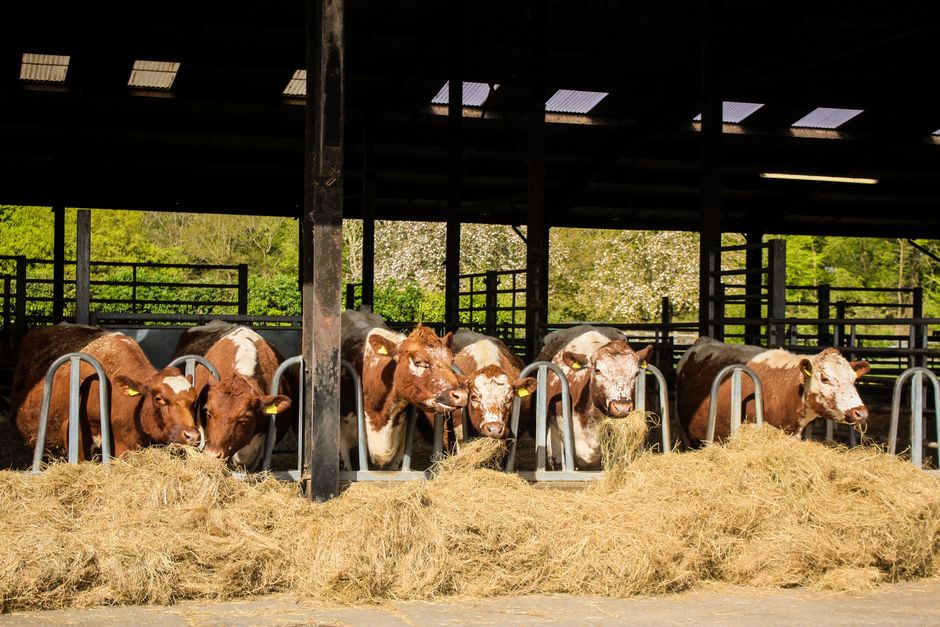
Space per animal varies by type and stage. For lactating dairy cows, the recommended freestall size is approximately 5 feet wide by 7 feet long per stall. Overcrowding leads to stress and injuries. Feeding and watering spaces must also be adequate, with 24 inches per cow at the feed bunk and multiple water sources to prevent competition.
In group housing systems, adequate space per cow also includes room for social interactions and movement. Research indicates that providing at least 80 square feet per cow in loafing areas reduces aggressive behavior and improves resting times. In tie-stall barns, while space is limited, designing stalls to allow natural lying and standing postures is critical to animal health.
Watering stations should be spaced to avoid crowding, ideally with one station per 10 to 15 cows, and placed in easily accessible locations to encourage regular intake. Likewise, feeding alleys should be wide enough to accommodate multiple cows simultaneously, reducing feeding competition and ensuring uniform nutrient consumption.
Examples of Successful Housing Implementations
Example 1: Horizon Dairy, Wisconsin
Horizon Dairy, a 500-cow dairy farm, invested in a freestall barn with advanced ventilation and rubber-matted stalls. They reported a 15% increase in milk production within the first year and a notable reduction in lameness cases due to improved flooring and bedding. The farm integrated automated manure scrapers, reducing labor by 40% and improving barn hygiene. Solar panels installed on the barn roof cover approximately 30% of the farm’s electricity usage, showcasing a commitment to sustainability.
Moreover, Horizon Dairy adopted environmental monitoring systems that adjust ventilation and cooling based on real-time data, maintaining ideal temperatures and air quality. They also separated their dry cows and heifers into dedicated pens with customized bedding, improving reproductive performance and calf growth rates.
Example 2: Green Pastures Ranch, Texas
Green Pastures built a series of loafing sheds with wide open sides and durable shade cloth to protect their beef cows from intense Texas sun. Combined with rotational grazing, the system reduced heat stress and improved weight gains by 10% compared to prior years. The use of natural shade trees supplemented artificial structures, promoting natural behaviors and enhancing biodiversity on the farm.
The ranch also implemented water troughs with automatic refilling connected to rainwater harvesting systems, ensuring clean, fresh water during dry periods. This integrated approach to shelter, grazing, and water management improved feed conversion efficiency and carcass quality, leading to higher market prices.
Step-by-Step Guide to Planning Your Cow Shelter
- Assess Your Climate: Collect local weather data and note seasonal extremes. Utilize online resources or local agricultural extension services to gather historical temperature, humidity, wind patterns, and precipitation data.
- Evaluate Herd Needs: Determine herd size, cow type (dairy or beef), and growth plans. Consider animal age groups, production stages, and any special needs such as sick pens or maternity areas.
- Set a Budget: Decide on maximum spending considering both construction and long-term maintenance. Factor in costs for utilities, labor, bedding, and potential future expansions.
- Choose Housing Type: Match housing options to climate and herd requirements. Review pros and cons of each system and prioritize features that enhance comfort, efficiency, and biosecurity.
- Design Layout: Include feeding, watering, resting, and manure areas with appropriate space allowances. Plan for efficient workflows, minimizing animal movement between areas and ensuring easy access for equipment.
- Consult Experts: Engage with veterinarians, engineers, or extension agents to optimize design. Seek advice on local regulations, environmental impacts, and best practices.
- Implement and Monitor: Build the shelter and track cow health and productivity metrics over time. Use this data to adjust management practices and plan future improvements.
Conclusion
Selecting the right housing and shelter for your cows is a complex decision involving climate, herd characteristics, budget, and management goals. Whether opting for a modest loafing shed or a high-tech freestall barn, prioritizing cow comfort and health will yield tangible benefits in productivity and animal welfare. Careful planning, informed by practical examples and scientific recommendations, can help ensure your investment supports a thriving herd for years to come.
Ultimately, the goal of cow housing is to create an environment where animals can express natural behaviors, maintain health, and perform optimally. By addressing key design elements such as ventilation, space, bedding, and management ease, farmers can enhance both animal well-being and economic returns, contributing to sustainable and responsible livestock production.