
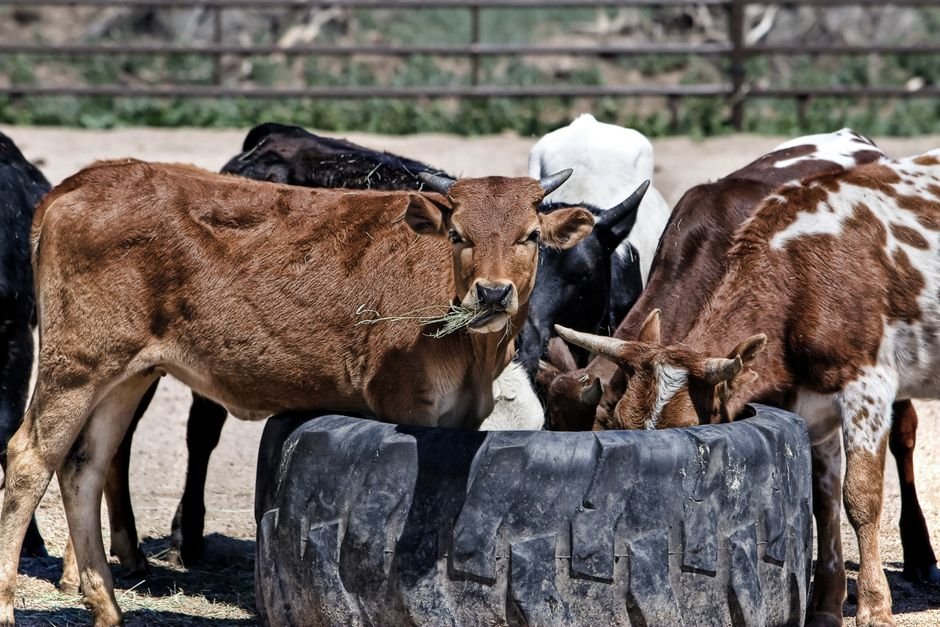
Introduction: Why Consider Watermelon for Cows?
Watermelon is a common summertime fruit, often abundant and sometimes left over or culled due to cosmetic defects or overripeness. Farmers and cattle owners frequently wonder if they can feed these surplus watermelons to their cows as a cost-effective supplement. But is watermelon suitable and safe for bovine consumption? This article breaks down the nutritional profile of watermelon, potential risks, feeding guidelines, and practical tips for integrating watermelon and other cull fruit into your cattle’s diet without jeopardizing their health.
With rising feed costs and increasing interest in sustainable farming practices, repurposing surplus or cull produce like watermelon offers an intriguing prospect for livestock nutrition management. Furthermore, as climate change intensifies summer heat stress for cattle, novel hydration strategies become critical. Watermelon’s naturally high moisture content, combined with its palatability, positions it as a potential dietary adjunct during hot weather. However, understanding the full implications of introducing fruit into ruminant diets is essential to avoid unintended consequences.
In this comprehensive guide, we explore watermelon’s nutritional value, how it compares to other cull fruits, practical feeding strategies, and real-world farming experiences that highlight both benefits and pitfalls.
Can Cows Eat Watermelon? The Basics
The short answer is yes: cows can eat watermelon. Watermelon is not toxic to cattle and is generally safe when fed in moderation. The fruit consists mostly of water (about 92%) and contains natural sugars, fiber, vitamins, and minerals that can offer some hydration and energy benefits. However, watermelon should never replace a cow’s primary forage diet; instead, it should be viewed as an occasional supplement or treat.
It is important to note that while watermelon is safe, its nutritional profile differs substantially from the fibrous forage that cattle have evolved to digest. As ruminants, cows depend on microbial fermentation of fiber in the rumen to obtain energy, and diets low in fiber can disrupt this system. Additionally, sudden or excessive introduction of sugar-rich fruit can alter rumen pH and microflora, potentially leading to acidosis. Therefore, understanding the appropriate role of watermelon in the diet is critical.
Nutritional Content of Watermelon
To understand how watermelon fits into cattle nutrition, consider the following average nutritional values per 100 grams of watermelon flesh:
| Nutrient | Amount | Notes |
|---|---|---|
| Water | 92 g | Excellent hydration source |
| Calories | 30 kcal | Low energy density |
| Carbohydrates (Sugars) | 7.6 g | Natural sugars provide quick energy |
| Fiber | 0.4 g | Minimal contribution to digestion |
| Vitamins | Vitamin C (8.1 mg) | Antioxidant properties |
| Minerals | Potassium (112 mg) | Supports electrolyte balance |
Beyond these basics, watermelon contains trace amounts of other nutrients that may contribute to animal health. For example, watermelon includes small quantities of B vitamins such as thiamin and niacin, which play roles in energy metabolism. It also contains lycopene, a carotenoid pigment with antioxidant effects, which may have subtle benefits for oxidative stress reduction in cattle, although research in ruminants is limited.
Importantly, the low fiber content means watermelon contributes little to the rumen mat or effective fiber needed to stimulate cud chewing and saliva production, which help buffer rumen pH. Thus, while watermelon can boost hydration and provide a quick source of energy, it cannot fulfill the complex nutritional requirements of cattle alone.
Benefits of Feeding Watermelon to Cows
- Hydration Boost: Watermelon’s high water content (over 90%) can help keep cattle hydrated during hot weather, complementing their regular water intake. In regions prone to drought or where water access may be limited, watermelon can serve as a supplemental moisture source, potentially aiding in thermoregulation. Studies have shown that providing moisture-rich feedstuffs can reduce heat stress symptoms and improve overall animal comfort.
- Energy Supplement: Natural sugars in watermelon provide a quick energy source, which can be useful for cows with higher energy demands, such as lactating or growing animals. For example, a lactating dairy cow producing 70 pounds of milk daily requires substantial glucose precursors; while watermelon cannot replace grain supplements, small quantities can offer a palatable energy boost.
- Waste Reduction: Feeding cull or unsellable watermelons to cattle reduces food waste and can lower feed costs. This practice aligns with sustainable agriculture principles, diverting produce that would otherwise decompose or be discarded. Some farms report saving hundreds to thousands of dollars annually by incorporating cull fruits into feeding regimes, especially in large operations with access to local produce surpluses.
- Palatability: Cows generally enjoy the sweet taste and juicy texture, making watermelon an effective treat or supplement. Anecdotal evidence from farmers suggests that watermelons can help encourage feed intake in animals recovering from illness or stress, or during periods of reduced appetite such as heat waves.
Risks and Considerations When Feeding Watermelon to Cattle
Despite apparent benefits, certain risks and challenges require attention.
For more on this, see our related guide: Essential Highland Cow Care: A Comprehensive Guide to Raising Healthy Herds.
1. Excess Sugar Intake
Watermelon’s sugar concentration, though natural, can disrupt rumen fermentation if fed excessively. Overfeeding sugary fruits can lead to acidosis or digestive upset, especially if cattle are not accustomed to such feeds. Rumen acidosis is a metabolic disorder characterized by low rumen pH, which can decrease feed intake, cause diarrhea, and in severe cases, laminitis or liver abscesses. A sudden influx of rapidly fermentable sugars can feed acidogenic bacteria disproportionately, upsetting the microbial balance.
To mitigate this risk, it is important to limit watermelon to small amounts and allow rumen microflora to adapt. Additionally, pairing watermelon feeding with high-fiber forages supports rumination and saliva production, which buffer rumen acidity.
2. Low Fiber and Protein
Because watermelon lacks fiber and protein, overreliance on it can reduce overall diet quality, potentially impairing rumen function and animal performance. Protein deficiency can lead to reduced microbial protein synthesis in the rumen, limiting nutrient availability for growth, milk production, and reproduction. Fiber is also critical for maintaining rumen motility and preventing bloat. Therefore, watermelon should complement—not displace—quality forage or concentrate feeds designed to meet ruminant nutritional needs.
3. Risk of Choking and Waste Handling
Large chunks of watermelon rind can be tough and bulky, posing a choking hazard if not broken down. Rind fragments may also be difficult to chew and digest, potentially passing through the digestive tract and contributing little nutritionally. To reduce this risk, it is advisable to cut or crush the watermelon into smaller, manageable pieces before feeding. Automatically tossing whole watermelons into feedlots is not recommended.
Additionally, uneaten pieces left on pasture can spoil rapidly, attracting pests such as flies, rodents, or wildlife that might transmit diseases or cause nuisance. The decomposing fruit can create slippery or muddy areas, posing risks to both livestock and humans. Proper management includes timely removal of leftovers and feeding only amounts likely to be consumed.
4. Potential Pesticide Residues
Ensure that cull watermelons have not been treated with harmful pesticides or chemicals, as residues could adversely affect cattle health. While many pesticides have established withdrawal periods and residue limits, feeding untreated or organically grown surplus fruit is preferable. Washing the fruit thoroughly can reduce surface residues but may not eliminate systemic chemicals. It is advisable to consult with local agricultural extension services or veterinarians if the origin or treatment of watermelons is uncertain.
5. Introduce Gradually
Sudden diet changes can shock the rumen microflora. Introduce watermelon slowly, mixing small amounts with regular feed, to allow adaptation. Gradual introduction over a period of one to two weeks helps rumen bacteria adjust to the new substrate, minimizing digestive disturbances. Observing animal behavior and fecal consistency during this period provides valuable feedback on tolerance.
How to Feed Watermelon and Cull Fruit Safely to Cows
Following best practices when feeding cull fruit, including watermelon, will maximize benefits while minimizing risks:
1. Inspect and Prepare the Fruit
- Discard any fruit that is moldy, rotten, or has signs of fungal contamination. Molds such as Aspergillus or Fusarium can produce mycotoxins harmful to ruminants.
- Wash watermelons to remove dirt and pesticide residues. Using potable water and scrubbing the rind can reduce microbial load.
- Cut or crush large fruits into manageable pieces to reduce choking hazards and increase palatability. Mechanical shredders or choppers can facilitate processing, especially for large volumes.
- Consider removing seeds if feasible, although cattle generally tolerate watermelon seeds without issue, as they often pass through the digestive tract intact.
2. Limit Quantity
Feed watermelons at no more than 5-10% of the cow’s total dry matter intake per day. For an average 1,200-pound cow consuming about 20 pounds of dry matter daily, this equates to roughly 1-2 pounds of watermelon flesh. Exceeding this may increase the risk of digestive upset or nutritional imbalance. For herds with mixed ages or physiological statuses, adjust quantities accordingly—growing calves and lactating cows may tolerate slightly higher levels than dry or mature cows.
If you’re also looking into this, our article on Silage vs Hay: Which Is Better for Dairy Cows? covers it in more detail.
When feeding larger groups, calculate total watermelon quantity to avoid overfeeding some animals while others miss out. Providing watermelon in multiple feeding stations can help distribute access evenly.
3. Supplement, Don’t Replace
Continue providing high-quality forage such as hay or pasture and ensure ample clean water is available at all times. Watermelon should never replace staple feed but act as an occasional supplement. Forage provides the necessary fiber and protein for rumen health, and watermelon’s high moisture content complements rather than substitutes water supply. Ensure water troughs are clean and accessible, as reliance solely on watermelon for hydration is insufficient.
4. Monitor Cattle Closely
Observe cows after feeding watermelon for any signs of digestive upset, such as diarrhea, bloating, or decreased appetite. If problems occur, reduce or cease feeding. Regularly inspect manure consistency and cow behavior to detect subclinical issues early. Keep records of feeding amounts and animal responses to refine management over time.
5. Seasonal Considerations
Watermelon feeding is most practical during summer and early fall when the fruit is abundant. In colder months, storage and spoilage concerns make it less feasible. If frozen storage is considered, note that freezing and thawing can alter texture, potentially reducing palatability. Additionally, cold weather decreases cattle water requirements, diminishing the benefit of high-moisture feedstuffs.
Planning feeding strategies around seasonal availability ensures optimal use of cull fruits without waste or health risks.
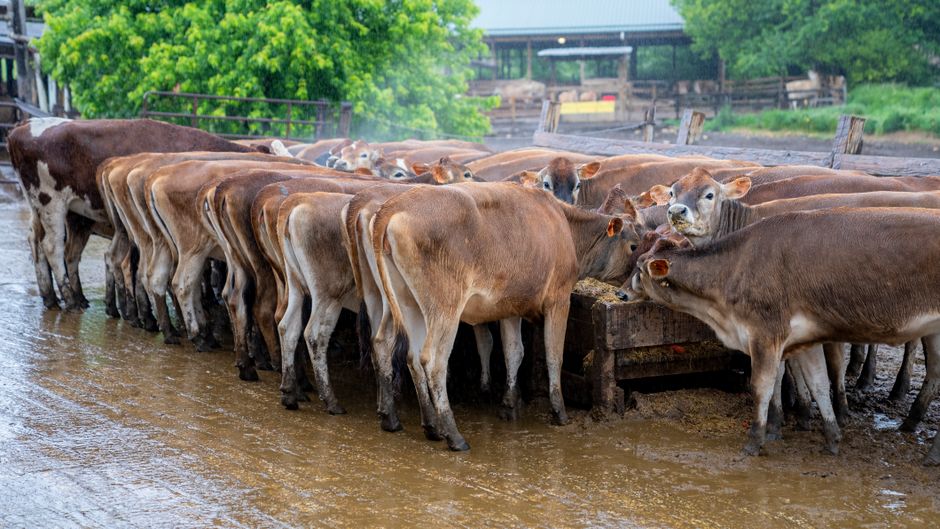
Comparing Watermelon With Other Cull Fruits for Cattle Feeding
Watermelon is just one of many cull fruits that can be fed to cattle, including apples, pumpkins, and grapes. Below is a comparative table summarizing key attributes relevant for cattle feeding:
| Fruit | Typical Water Content | Primary Nutrients | Feeding Notes | Risks |
|---|---|---|---|---|
| Watermelon | 92% | Sugars, Vitamin C, Potassium | Good hydration, low fiber | High sugar, choking hazard from rind |
| Apple | 84% | Sugars, Fiber, Vitamin C | More fiber than watermelon, well-liked by cattle; seeds contain small amounts of cyanogenic compounds but generally not harmful in quantity | Potential cyanide risk from seeds if fed in large quantities; moldy apples can produce tremorgenic mycotoxins |
| Pumpkin | 90% | Fiber, Carbohydrates, Beta-carotene | Good fiber source, can replace part of forage; high in vitamins A and E | Overfeeding can cause loose stools or diarrhea; caution with seeds due to fat content |
| Grape | 81% | Sugars, Antioxidants | High sugar, fed in moderation; rich in polyphenols | Risk of acidosis if overfed; seeds contain small amounts of tannins which may reduce palatability |
Each fruit offers distinct nutritional and practical characteristics. For instance, pumpkins provide more fiber and beta-carotene, supporting rumen function and immune health. Apples offer moderate fiber but pose risks from seeds and molds if not handled carefully. Grapes, while rich in antioxidants, have even higher sugar levels than watermelon and require stringent moderation.
Integrating a variety of cull fruits can diversify nutrient intake and reduce monotony, but always consider individual animal tolerance, seasonal availability, and risk profiles.
This ties in closely with Essential Cattle Handling, Feeding, and Health Equipment for Every Herd, worth a look if you want to go deeper.
Practical Examples from Farmers
Several cattle producers have successfully integrated watermelon into their feeding routines. For example, a dairy farmer in Georgia reported feeding leftover watermelons during summer to lactating cows, noting improved hydration and increased milk output on hot days. However, the farmer cut the fruit into small pieces and limited feeding to less than 5% of dry matter to avoid ruminal upset. This approach helped mitigate heat stress effects, with cows showing more consistent feed intake and stable milk fat percentages.
Similarly, a small beef cattle operation in Texas used cull watermelons as treats during handling days, helping calm cows and providing a natural energy snack. The farmer found that cows responded positively during stressful activities such as vaccination or weighing, reducing aggression and improving handling safety. By timing watermelon feeding shortly before handling, the animals were less reactive, demonstrating a practical application beyond basic nutrition.
Another example comes from a mixed livestock farm in California, which experimented with feeding both watermelons and pumpkins to their cow-calf pairs. They observed that calves were particularly attracted to the softer fruit flesh, improving early feed curiosity. The farmer combined fruit feeding with mineral supplementation, ensuring balanced nutrition throughout the summer months.
These examples underscore the importance of preparation, moderation, and observation. They also highlight how watermelon feeding can be tailored to specific farm needs, whether for hydration, energy, or behavioral management.
Conclusion: Best Practices for Feeding Watermelon to Cows
Watermelon can be a safe and beneficial supplement for cows if fed thoughtfully. Its high water content and natural sugars make it a refreshing treat during warm weather, aiding hydration and delivering quick energy. However, due to its low fiber and protein content and potential digestive risks, watermelon should remain a minor part of the diet, never supplanting quality forage.
Always inspect and prepare watermelons properly, introduce them gradually, and observe your cattle for any adverse reactions. When used responsibly, feeding cull watermelons can reduce waste, save money, and support your herd’s well-being.
Incorporating watermelon into cattle diets requires balancing nutritional advantages with digestive health considerations. Proper management ensures that the benefits—improved hydration, energy supplementation, and waste reduction—are realized without compromising rumen function or animal comfort. As with any feed component, ongoing monitoring and adaptability to herd responses are key to sustainable success.
Related articles
- Essential Highland Cow Care: A Comprehensive Guide to Raising Healthy Herds
- Silage vs Hay: Which Is Better for Dairy Cows?
- Essential Cattle Handling, Feeding, and Health Equipment for Every Herd