
Understanding Housing and Shelter Needs for Small Cattle Farms
For anyone starting or managing a small cattle farm—typically under 20 head of cattle—adequate housing and shelter is a key component of animal welfare and farm productivity. Cattle require protection from extreme weather, access to shade, and dry resting areas to maintain health and growth rates. Poor shelter can lead to stress, increased susceptibility to disease, and lower weight gains, which ultimately affect profitability.
However, the cost of providing suitable shelter can vary widely depending on the type, size, and materials used. Additionally, regional climate, topography, and local building codes play crucial roles in determining the kind of shelter that is both effective and cost-efficient. For example, farms in colder northern regions often invest more in insulated barns, while farms in the South might prioritize airflow and shade.
This article breaks down the typical costs associated with housing and shelter on a small cattle farm, offering real-world examples and budget ranges that can help you plan effectively. It also includes considerations on design, material sourcing, and maintenance that can help optimize your investment over the long term.
Types of Housing and Shelter for Small Cattle Farms
There are several common types of shelters used in small cattle operations, each with distinct advantages and cost profiles:
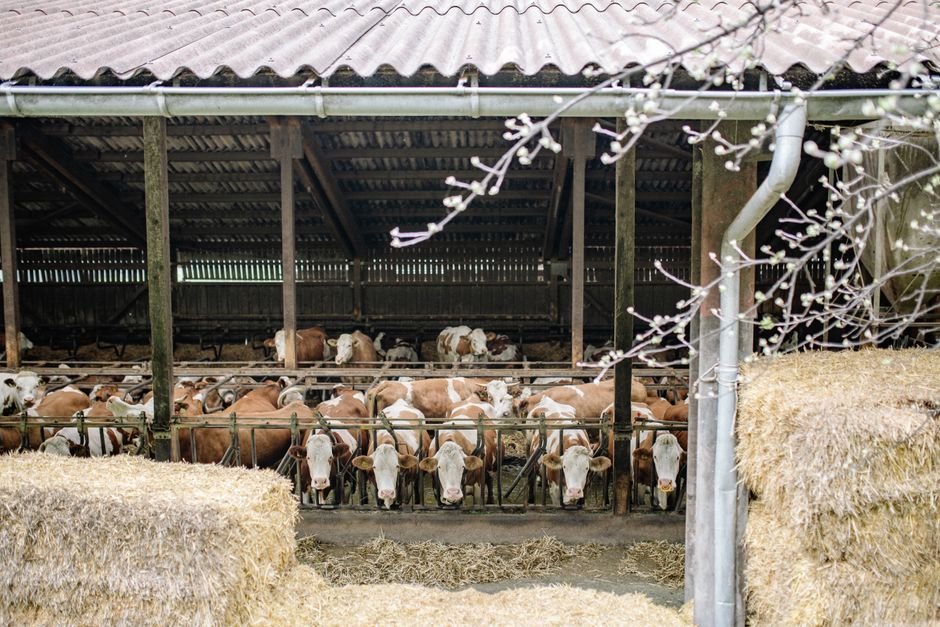
- Open Sided Barns or Sheds: Simple roofed structures with open sides, offering shade and rain protection while allowing airflow. These are especially popular in warmer climates where ventilation is critical to prevent heat stress. They can also serve as multipurpose areas for feeding and medical treatment. Some designs incorporate adjustable side curtains or removable panels to offer protection during cold or stormy weather.
- Pole Barns or Post Frame Buildings: More substantial structures with walls, often used for storing feed and providing enclosed shelter. Pole barns provide excellent protection against wind, rain, and snow, and they can be easily expanded. They are frequently insulated or outfitted with concrete floors to improve durability and cleanliness. While more expensive upfront, they offer long service life and flexibility to incorporate feeding and calving areas.
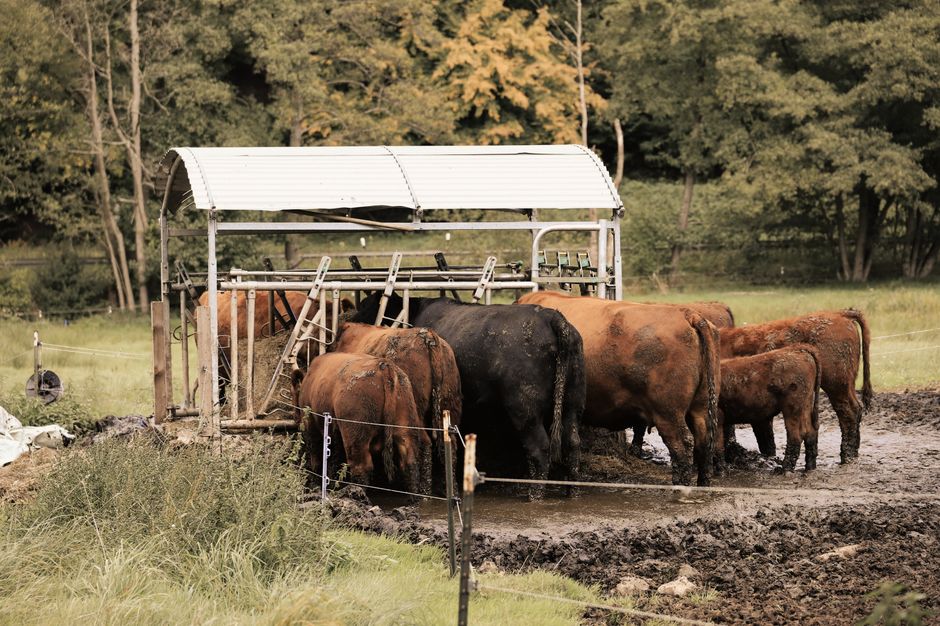
- Run-in Sheds: Small sheds that cattle can enter and exit freely, typically three-sided to protect from wind and rain. These are cost-effective for small herds and can be strategically placed in pastures to encourage rotational grazing. Their open design reduces ventilation concerns and makes cleaning easier. Some farmers add rubber mats or straw bedding inside to enhance comfort.
- Portable or Temporary Shelters: Fabric-covered hoop barns or livestock tents used seasonally or as flexible housing. These are gaining popularity for their low initial cost and ease of relocation, especially in rotational grazing systems. However, they require careful anchoring and periodic replacement of fabric covers. Some models include roll-up sides and adjustable frames to adapt to seasonal weather variations.
In addition to these, some farms utilize natural shelter options such as wooded areas, hillsides, or man-made windbreaks like stacked hay bales or earth berms. While inexpensive, natural shelters may not provide consistent protection and can contribute to parasite buildup if not managed properly.
Key Factors Influencing Housing Costs
Several variables impact the total cost of cattle housing, including:
- Size and Capacity: Larger barns suitable for more animals require more materials and labor. The square footage per animal is critical; typically, recommendations suggest 40 to 50 square feet per cow in a shelter to allow adequate space for lying down and movement. Overcrowding can increase stress and disease transmission.
- Materials: Metal, wood, or fabric structures differ considerably in price and durability. For example, galvanized steel roofing resists corrosion but costs more upfront than asphalt shingles. Pressure-treated lumber increases longevity but adds to material costs. Innovations like recycled plastic lumber offer durability with less maintenance but higher initial expense.
- Foundation Type: Simple dirt floors cost less than concrete slabs but may require more ongoing maintenance and can become muddy, leading to hoof diseases. Concrete floors improve drainage and cleanliness but increase costs and require consideration of slip resistance. Some farmers install rubber mats or sand bedding over concrete to improve animal comfort.
- Labor Costs: DIY construction lowers expenses but requires time and skill; hiring contractors increases upfront costs. Labor rates vary widely by region and time of year. Some farmers offset labor costs by involving community volunteers or agricultural students seeking experience.
- Additional Features: Fencing, gates, waterers, and feed bunks add to housing expenses. Automated watering systems reduce labor but increase upfront investment. Incorporating solar-powered lighting or motion-activated fans can improve animal comfort but should be factored into budgets.
- Climate Considerations: Insulation, ventilation, and drainage systems tailored to local weather patterns can add to costs but prevent costly losses from heat stress or frostbite. For instance, farms in areas with heavy snowfall may require reinforced roof trusses and steeper roof pitches.
Cost Breakdown by Shelter Type
| Shelter Type | Typical Size (ft²) | Material Cost | Labor Cost | Total Estimated Cost | Longevity (years) |
|---|---|---|---|---|---|
| Open Sided Shed (metal roof, wood frame) | 20 × 30 (600) | $2,000 – $3,000 | $1,000 – $2,000 | $3,000 – $5,000 | 15–20 |
| Pole Barn (wood frame, metal siding) | 30 × 40 (1,200) | $8,000 – $12,000 | $5,000 – $8,000 | $13,000 – $20,000 | 25–30 |
| Run-in Shed (three-sided, wood or metal) | 12 × 24 (288) | $1,200 – $1,800 | $500 – $1,000 | $1,700 – $2,800 | 10–15 |
| Portable Hoop Barn (fabric cover, metal frame) | 20 × 40 (800) | $3,000 – $4,500 | $0 – $500 (DIY) | $3,000 – $5,000 | 7–10 |
Detailed Examples and Real-World Costs
Example 1: Building a Run-in Shed for 5 Cows
A small cattle farmer in Missouri recently constructed a 12 ft by 24 ft run-in shed using pressure-treated wood and corrugated metal roofing. The materials cost approximately $1,400, and hiring a local carpenter added $1,000 in labor. The total investment was around $2,400. This shed provides shelter during cold winters and hot summers, improving the herd’s comfort without a large footprint.
Beyond the initial cost, this farmer installed a slightly sloped roof to enhance rain runoff and prevent water pooling, which can damage the structure and create muddy conditions. They also raised the floor area by 6 inches using gravel to improve drainage and reduce mud inside the shelter. The farmer reports a noticeable decrease in respiratory illnesses during wet seasons, attributing it to improved shelter quality.
Example 2: Pole Barn for Multi-Purpose Use
A Wisconsin farm with 15 beef cows built a 30 ft by 40 ft pole barn with metal siding and roofing. They invested $10,000 in materials sourced locally and spent $7,000 on professional labor. This barn includes enclosed sections for feed storage and a dry area for calves. The total cost of $17,000 was a significant expense but is expected to last 25 years with minimal repairs.
This pole barn was designed with a 12-foot ceiling height to accommodate feed storage bales, which helps reduce feed spoilage by keeping it off the ground and dry. The barn also includes an insulated calf nursery area with heat lamps to improve survival rates during harsh winters. The farm incorporated skylights and large sliding doors to maximize natural lighting, reducing electricity costs. This investment has allowed the farm to expand herd size and manage calves more efficiently.
Example 3: Using a Portable Hoop Barn
In Texas, a small cattle operation uses a portable hoop barn measuring 20 ft by 40 ft. They purchased a pre-fabricated kit for about $3,500 and installed it themselves over a weekend. While the lifespan is shorter than permanent structures, the flexibility and low initial cost make it ideal for rotational grazing systems.
This farm benefits from relocating the hoop barn to fresh pastures, preventing mud buildup and parasite accumulation in high-traffic areas. The fabric cover is UV-resistant and waterproof, with side panels that roll up for ventilation during hot summers. The farmer budgets about $300 every 3 years to replace the fabric cover, which extends the useful life of the structure. The portability also allows the barn to be used seasonally, reducing wear and tear during mild weather.
Additional Costs to Consider
When budgeting for cattle housing, don’t overlook these related expenses:
- Site Preparation: Leveling ground, drainage improvements, and foundation work can cost $500 to $3,000 depending on conditions. For example, farms on sloped terrain or heavy clay soils may require excavation or gravel installation to prevent water pooling and mud buildup. Proper site grading improves longevity of the shelter and animal comfort.
- Fencing: Good fencing to secure the shelter area can range from $2 to $5 per linear foot. High-tensile wire fencing provides durability and effective containment but requires tensioning tools and experience to install. Electric fencing offers flexibility and lower cost but needs regular maintenance and power supply. Combining permanent and temporary fencing can optimize costs.
- Ventilation and Lighting: Installing fans or skylights may add $500 or more. Proper ventilation reduces respiratory illnesses and heat stress. In enclosed barns, automated ventilation systems with programmable thermostats can optimize airflow but increase upfront and energy costs. Natural lighting via translucent panels reduces electricity bills and improves animal well-being.
- Water Supply: Adding automatic waterers or troughs near shelter areas can cost $200 to $1,000. Automatic waterers reduce labor and ensure consistent hydration, but require reliable water pressure and regular cleaning to prevent algae growth. Some farms install heated waterers to prevent freezing in winter, increasing costs but improving animal health.
- Maintenance: Annual upkeep such as painting, roof repairs, and cleaning can add $300 to $600 per year. Wood structures may require staining or sealing every few years to prevent rot. Metal roofs might need occasional bolt tightening or rust treatment. Ignoring maintenance can shorten the lifespan of shelters and increase long-term costs.
- Insurance and Permits: Depending on location, building permits and insurance for livestock structures may add several hundred to a few thousand dollars. Compliance with local zoning and environmental regulations may require additional investments in waste management or runoff containment.
DIY vs. Hiring Professionals
Choosing whether to build your cattle shelter yourself can dramatically affect costs. Many small farmers save 30% or more by sourcing materials and constructing buildings on their own. Online resources, community workshops, and cooperative extension services often provide building plans and step-by-step guides to support DIY projects.
However, this requires time, skills, and tools. Errors during construction can increase long-term maintenance costs or compromise animal safety. For example, improper roof pitch can lead to leaks or snow accumulation, while inadequate anchoring can cause structural failure during storms. Farmers should realistically assess their carpentry skills and available labor before committing to DIY.
Hiring contractors ensures professional quality and often includes warranties but increases upfront expenses. Contractors bring experience in adhering to building codes, efficient material use, and safety standards. For example, a DIY run-in shed might cost $1,500 in materials only, while the same project with hired labor could reach $3,000. Some contractors also offer design consultation to optimize functionality and durability.
In some cases, hybrid approaches work well—farmers may build the frame themselves but hire professionals for roofing or foundation work. This balances cost savings with technical expertise.
Cost per Animal: A Useful Metric
To better understand the investment, break down the total shelter cost per head of cattle. For example, a $5,000 barn housing 10 cows equates to $500 per animal. This figure helps compare investments and justify expenses based on herd size and production goals. It can also guide decisions on whether to invest in more durable, higher-cost shelters or opt for cheaper, temporary options.
Cost per animal varies not only with shelter price but also with expected lifespan and maintenance costs. A $20,000 pole barn lasting 30 years may have a lower annual per-animal cost than a $5,000 hoop barn needing replacement every 8 years. Considering depreciation and ongoing expenses helps in long-term financial planning.
Some farmers also evaluate shelter costs relative to production metrics such as weight gain per animal or milk yield, linking shelter investment directly to profitability. For instance, improved shelter can increase average daily gain by up to 0.1 pounds per day, which adds significant value over a finishing period.
Budgeting Tips for Small Cattle Farmers
- Start with a modest shelter like a run-in shed and expand as herd size grows. This minimizes initial capital outlay and allows learning from experience before larger investments.
- Consider multi-use buildings that combine feed storage and shelter to maximize utility. Designing barns with designated feed aisles and storage lofts reduces labor and protects feed quality.
- Source local or reclaimed materials to reduce costs. Salvaged lumber, recycled metal panels, or used concrete blocks can provide durable building components at a fraction of new material prices.
- Plan for seasonal needs; some cattle can manage with minimal shelter in mild climates, but expect to invest more in colder or wetter regions. Portable shelters can be an economical way to provide winter protection without permanent construction.
- Obtain multiple quotes from contractors and suppliers to get competitive pricing. Building materials fluctuate seasonally; purchasing during off-peak times or in bulk may yield discounts.
- Factor in future maintenance and repair costs during budgeting to avoid surprises that could compromise animal health.
- Keep detailed records of construction and maintenance expenses to inform future decisions and assist with potential insurance claims.
Summary Table: Projected Costs by Shelter Type and Herd Size
| Herd Size | Run-in Shed Cost | Open Sided Shed Cost | Pole Barn Cost | Portable Hoop Barn Cost |
|---|---|---|---|---|
| 5 Cattle | $1,700 – $2,800 | $2,500 – $4,000 | $7,000 – $10,000 | $3,000 – $4,500 |
| 10 Cattle | $2,500 – $4,000 | $3,000 – $5,000 | $13,000 – $20,000 | $3,500 – $5,000 |
| 15 Cattle | $3,500 – $5,000 | $4,000 – $6,000 | $15,000 – $25,000 | $4,000 – $6,000 |
Conclusion
Housing and shelter represent a significant but essential investment for small cattle farms. Costs vary widely depending on the structure type, materials, labor, and herd size. Simple solutions like run-in sheds offer affordable protection and flexibility, especially for small herds or rotational grazing systems, while pole barns provide durability and multifunctional use suited to larger operations or harsher climates.
Effective shelter improves animal welfare by reducing stress and disease, directly impacting productivity and profitability. Thoughtful planning that accounts for climate, budget constraints, and farm goals will help maximize the value of your investment. Combining well-designed structures with proper site preparation, maintenance, and pasture management ensures your small cattle farm thrives for years to come.