
Introduction to Handling Basics in Cattle Management
Handling basics refer to the fundamental methods used to manage and interact with cattle safely and effectively. These include low-stress handling techniques, proper use of equipment, and understanding cattle behavior. Mastering these basics is critical not only for the safety of the handler but also for the welfare and productivity of the herd. While seemingly simple, these principles have profound impacts on both everyday operations and long-term herd performance.
Incorporating handling basics starts with recognizing cattle as sentient animals with unique behavioral patterns shaped by evolution as prey species. Their natural instincts, such as flight and herd mentality, guide how they perceive and respond to human interaction. By aligning handling approaches with these instincts, handlers can reduce fear and resistance, leading to safer and more efficient management. Additionally, handling basics extend beyond physical techniques to include proper training of personnel and ongoing evaluation of handling protocols, ensuring continuous improvement in livestock management.
Improved Animal Welfare through Handling Basics
One of the most direct benefits of handling basics is a measurable improvement in animal welfare. Cattle are flight animals, meaning they react instinctively to stress and perceived threats. Poor handling can cause fear, injury, and chronic stress, which diminishes overall health. Conversely, low-stress handling techniques—such as moving animals calmly, using proper positioning, and minimizing loud noises—reduce fear responses significantly.
Studies indicate that cattle handled calmly show less agitation and fewer injuries. For example, a 2018 study published in the Journal of Animal Science found that cattle subjected to low-stress handling had 30% fewer bruises and lacerations compared to those handled traditionally. This translates not only to better welfare but also to higher meat quality.
Furthermore, improved welfare through handling basics can positively influence immune function. Stress elevates cortisol levels, which suppresses the immune response, making cattle more susceptible to diseases such as bovine respiratory disease (BRD) and mastitis. Research from Colorado State University demonstrated that cattle managed with low-stress techniques had a 25% lower incidence of respiratory illness during feedlot induction periods, reducing the need for antibiotic treatments and improving overall herd health.
In addition to physical health, mental well-being is increasingly recognized as a critical component of animal welfare. Calm handling minimizes fear and anxiety, which can reduce stereotypic behaviors and improve feeding behavior, both indicators of positive welfare states. For instance, a University of British Columbia study found that cattle handled with patience and gentleness spent more time grazing and ruminating, behaviors associated with contentment and health.
How Handling Basics Reduce Stress
- Understanding flight zones: Respecting cattle’s personal space reduces panic and resistance. The size of the flight zone varies with individual temperament and previous experiences; handlers who learn to read these cues can modulate their approach accordingly, reducing stress triggers.
- Using pressure-release techniques: Applying and releasing pressure calmly guides cattle without force. This method leverages the natural cause-and-effect learning process in cattle, allowing them to move voluntarily and confidently, which minimizes resistance and injury.
- Minimizing noise and sudden movements: Keeping the environment quiet lowers stress hormones such as cortisol. Even small noises, like slamming gates or shouting, can disrupt cattle behavior, so handlers are encouraged to use soft voices and deliberate, slow movements to maintain a calm atmosphere.
- Familiarization and habituation: Regular, gentle handling and exposure to common management procedures help cattle become accustomed to human presence and reduce fear responses over time. This is especially important for younger animals, which benefit from early positive experiences.
- Utilizing lighting and shadows: Cattle are sensitive to contrasts in light and dark. Handlers can position themselves and equipment to avoid creating shadows that may startle animals, facilitating smoother movement and less stress.
Enhanced Safety for Handlers and Cattle
Handling basics are essential to reducing injury risks. Cattle can weigh over 1,200 pounds and have unpredictable reactions if frightened or mishandled. Handlers who understand cattle behavior and use proper techniques are less likely to be injured.
For instance, a report from the National Institute for Occupational Safety and Health (NIOSH) highlights that improved cattle handling training can reduce handler injuries by up to 50%. This includes using well-designed handling facilities like curved chutes and non-slip flooring, which work hand-in-hand with handling basics to guide cattle smoothly and safely.
Beyond physical injuries such as kicks, trampling, or being caught between animals and structures, handler fatigue and stress can also lead to accidents. Proper training in handling basics reduces mental and physical fatigue by promoting efficient movement and reducing confrontations. This leads to increased alertness and safer work environments. A study conducted by the University of Wisconsin found that handlers trained in low-stress methods reported a 35% reduction in workplace stress and improved confidence during cattle management tasks.
For more on this, see our related guide: Mastering Cattle Behavior: A Guide to Health, Welfare, and Management.
Additionally, cattle safety benefits from handling basics due to reduced panic incidents, which often cause stampedes or pile-ups in confined spaces. Well-designed facilities combined with skilled handlers lower the risk of such events, which can cause severe injuries or fatalities in both cattle and humans.
In regions with extreme weather conditions, proper handling becomes even more critical. For example, in hot climates, stressed cattle are more prone to heat exhaustion, which can be mitigated by calm handling and minimizing time spent in crowded or sun-exposed holding areas.

Key Safety Practices in Handling Basics
- Maintain clear escape routes and avoid tight, enclosed spaces. Handlers should always have a planned exit path to avoid being trapped by reacting cattle.
- Use cattle’s natural behaviors to your advantage, such as moving them in groups rather than alone. Cattle feel safer in herds, so herding and moving groups together reduces anxiety and aggressive behavior.
- Wear appropriate protective gear and use handling equipment suited for specific tasks. This includes sturdy boots, gloves, and helmets where necessary, as well as the use of sorting sticks or flags rather than aggressive prodding tools.
- Regularly inspect and maintain facilities to prevent hazards such as sharp edges, broken rails, or slippery flooring that could injure cattle or handlers.
- Implement routine safety training and emergency drills to prepare handlers for unexpected behaviors or accidents.
Boosted Productivity and Economic Returns
Applying handling basics has direct economic benefits. Stress negatively affects cattle’s immune systems, growth rates, and reproductive performance. Reducing stress through proper handling leads to healthier animals that perform better across key metrics.
For example, research from the University of Nebraska shows that cattle handled with low-stress methods had an average weight gain increase of 15% over 90 days compared to traditionally handled cattle. Additionally, stress reduction has been linked to improved conception rates in breeding herds, which can enhance herd profitability year over year.
Beyond weight gain and reproduction, meat quality improvements associated with low-stress handling can yield higher market prices. Stress-induced conditions such as dark, firm, and dry (DFD) meat reduce consumer appeal and shelf life. Data from the Meat Science Association indicates that low-stress handled cattle produce carcasses with significantly lower incidence of DFD meat, translating to better returns for producers.
Moreover, handling basics contribute to better feedlot performance. Cattle under less stress have improved rumen function, leading to more efficient feed conversion rates (FCR). For instance, trials at Texas A&M University demonstrated a 10% improvement in FCR in cattle managed with consistent, low-stress handling compared to conventional methods.
From an economic perspective, reduced veterinary costs and mortality rates due to improved handling and welfare can compound profitability. A study by the USDA Economic Research Service estimated that implementing best handling practices could reduce veterinary expenses by up to 20%, along with decreasing mortality rates by 5%, which aligns with increased herd longevity and sustainability.
If you’re also looking into this, our article on Essential Water Management for Healthy, Productive Cattle covers it in more detail.
How Handling Basics Improve Productivity
- Reduced weight loss: Calm cattle expend less energy fleeing or resisting handlers, preserving energy for growth and production.
- Improved feed conversion: Less stressed animals digest feed more efficiently, contributing to better feed utilization and reduced feed costs.
- Lower veterinary costs: Fewer injuries and illnesses reduce medical expenses, and healthier cattle often require fewer treatments.
- Enhanced reproductive success: Stress reduction leads to more regular estrous cycles, higher conception rates, and improved calving outcomes.
- Decreased mortality and morbidity: Stress management lowers susceptibility to diseases, reducing losses and improving herd replacement rates.
Building Trust and Ease of Future Handling
Another often overlooked benefit is how handling basics build a relationship of trust between cattle and handlers. Regular, calm interactions help cattle become accustomed to human presence, easing routine processes like vaccinations, pregnancy checks, and transport.
Cattle that are accustomed to gentle handling show less resistance and fear. This reduces the time and labor needed for management tasks. For instance, on farms implementing routine low-stress handling, cattle move through chutes 20-30% faster, streamlining operations and lowering labor costs.
Building trust also facilitates more accurate health assessments. When cattle are calm and cooperative, handlers can more easily observe subtle signs of illness or injury early, which enables timely interventions and reduces the severity of health issues. A survey conducted by the Beef Improvement Federation found that producers who practiced consistent low-stress handling reported a 15% increase in early disease detection rates.
Moreover, trust formed through handling basics supports better outcomes during stressful events such as transportation and marketing. Cattle familiar with calm human interaction experience less transport stress, leading to reduced shrink (weight loss) and improved post-transport recovery. The Beef Quality Assurance program emphasizes handling practices as a key factor in minimizing transport-related stress and its economic impacts.
Environmental and Facility Benefits
Proper handling basics also extend to the design and maintenance of cattle facilities. Facilities designed with handling principles in mind—such as curved alleys, solid sides to prevent distractions, and proper lighting—maximize the benefits of good handling skills.
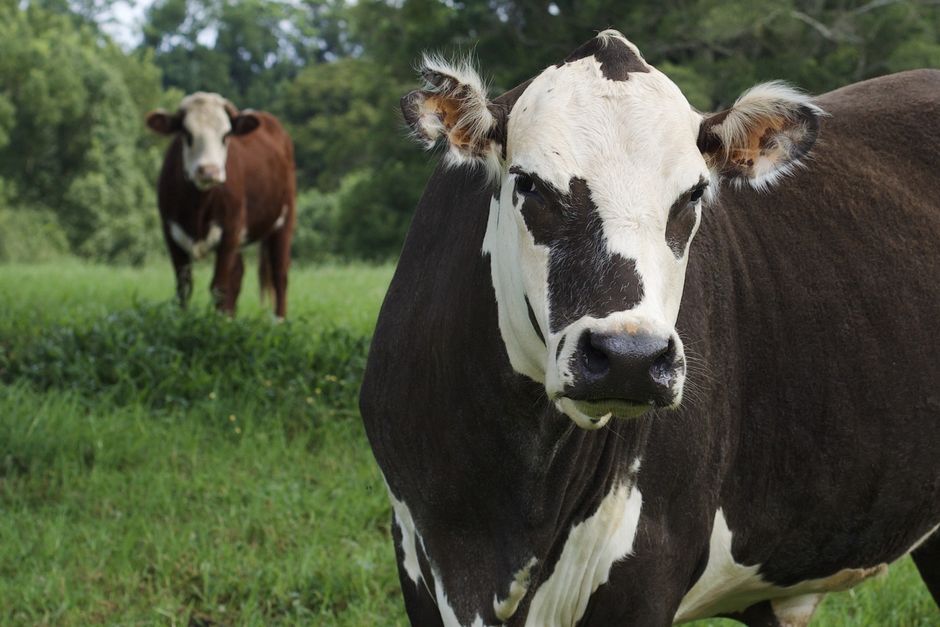
When handlers use their knowledge of cattle behavior alongside well-designed infrastructure, cattle flow smoothly and safely, reducing bottlenecks and injuries. This efficiency improves the overall operation’s sustainability by lowering waste, reducing repair costs due to damage, and improving workforce morale.
Curved chutes work because cattle perceive them as a continuation of their natural herd movement, which reduces balking and increases flow rates. Solid sides prevent external distractions such as sudden movements or noises outside the facility, which can spook cattle. Proper lighting that mimics natural daylight and avoids harsh contrasts supports calm movement by reducing shadows and glare that may startle animals.
Energy-efficient lighting and durable, easy-to-clean materials in facilities contribute to long-term cost savings and environmental sustainability. For example, installing LED lighting with motion sensors reduces electricity consumption, while galvanized steel panels require less frequent repairs or replacements compared to wood. These improvements align with modern environmental stewardship goals increasingly important to consumers and regulatory agencies.
This ties in closely with Mastering Cattle Behavior and Handling for Safer, More Efficient Farming, worth a look if you want to go deeper.
Furthermore, well-designed handling systems support biosecurity measures by minimizing animal stress and decreasing the potential for injury-related breaches in the skin barrier, thus reducing the risk of disease transmission. This is crucial in areas prone to outbreaks of infectious diseases, where stress reduction can be a key component of herd health strategy.
Summary Table: Comparing Outcomes With and Without Handling Basics
| Aspect | With Handling Basics | Without Handling Basics |
|---|---|---|
| Animal Stress Levels | Low, calm behavior, fewer injuries | High, frequent panic, more bruising |
| Handler Safety | Reduced injury risk, safer environment | Higher risk of accidents and injuries |
| Productivity | Improved weight gain and reproduction | Lower growth rates, reduced fertility |
| Operational Efficiency | Faster processing, less labor time | Delays, increased labor and frustration |
| Facility Usage | Maximized with well-designed setups | Underutilized, potential damage |
Real-World Example: Low-Stress Handling on a Midwestern Cattle Ranch
On a 1,000-head cattle ranch in Nebraska, the owner implemented handling basics training for all staff. Within six months, the farm reported a 40% reduction in cattle injuries during handling and a 25% decrease in handler-related incidents. Weight gains improved by an average of 12% during the finishing phase, and employee satisfaction increased due to safer work conditions. This real-world example underscores the tangible returns of prioritizing handling fundamentals.
In addition to the initial improvements, the ranch saw secondary benefits over the following year. Calving rates increased by nearly 10%, attributed to the reduced stress environment and better overall herd health. The ranch also experienced a 15% reduction in veterinary costs related to handling injuries and disease outbreaks. These gains allowed reinvestment into facility upgrades, such as expanded curved chute systems and shaded holding pens, further enhancing handling efficiency and animal comfort.
Employee turnover declined as well, with workers citing a more positive and less physically demanding work environment. The ranch owner implemented a continuous improvement program, including monthly refresher courses and feedback sessions, which helped maintain momentum and adapt techniques as needed. This example highlights how investment in handling basics can produce a virtuous cycle of welfare, safety, productivity, and employee engagement.
Conclusion: Handling Basics as a Foundation for Success
Handling basics in cattle management underpin every aspect of successful livestock operations. From improving animal welfare and handler safety to boosting productivity and operational efficiency, these core principles deliver measurable benefits. Investing time and resources into mastering and applying handling basics is not merely a best practice—it is a strategic advantage for any cattle producer.
As the industry faces increasing demands for sustainability, animal welfare, and worker safety, handling basics offer a practical, proven pathway to meet these challenges. Whether managing a small family herd or a large commercial operation, adopting and continuously refining handling fundamentals will yield dividends in herd health, product quality, economic returns, and workplace satisfaction. Ultimately, handling basics form the critical foundation upon which resilient, humane, and profitable cattle enterprises are built.