
Introduction to Farm Setup for Cattle
Setting up a farm for cattle requires thoughtful planning and investment in infrastructure, land management, and animal welfare. Whether you plan to raise beef or dairy cattle, an efficient farm setup optimizes productivity, reduces operational costs, and promotes animal health. This article provides a detailed, actionable roadmap for establishing a successful cattle farm, including site selection, facilities, fencing, feeding, and water supply.
Step 1: Choosing the Right Land and Location
The foundation of any successful cattle farm begins with selecting appropriate land. Consider the following factors:
- Size and Terrain: A minimum of 1.5 to 2 acres per mature cow is recommended for grazing-based systems. For example, a 50-head herd would require at least 75 to 100 acres. Flat to gently rolling terrain reduces fencing and construction complexity.
- Soil Quality and Pasture Growth: Fertile soils support rich pasture growth. Conduct soil tests to assess pH, nutrient levels, and drainage. Acidic or poorly drained soils will require amendments or specialized pasture crops.
- Accessibility: Proximity to markets, feed suppliers, and veterinary services minimizes transport costs and improves farm management efficiency.
- Water Source: Reliable, high-quality water access is critical. Ideally, a farm should have natural water bodies or wells supplying at least 30 gallons per cow per day.
Step 2: Planning the Farm Layout
Efficient layout minimizes stress on animals and labor. The layout generally includes separate zones for housing, grazing, feed storage, and waste management.
- Housing Area: Locate housing on elevated, well-drained land to avoid flooding. It should be close to feed storage but away from manure piles to reduce fly infestation.
- Grazing Pastures: Divide pasture into multiple paddocks using fencing to facilitate rotational grazing, which improves pasture recovery and controls parasites.
- Feed and Equipment Storage: Secure, weatherproof storage sheds are necessary to protect feed and equipment from moisture and pests.
- Manure Management Zone: Allocate an area downwind and downhill from the housing and grazing zones to safely collect and compost manure.
Example Layout for a 50-Head Cattle Farm
| Farm Zone | Size (Acres) | Purpose | Notes |
|---|---|---|---|
| Housing and Handling Facilities | 1.5 | Shelters, milking parlors, sorting pens | Near road access for delivery and vets |
| Grazing Pastures | 80 | Rotational grazing paddocks | Divided into 8 paddocks of 10 acres each |
| Feed Storage and Equipment Shed | 0.5 | Protection for feed and machinery | Close to housing for easy access |
| Manure Composting Area | 1 | Manure management and fertilizer preparation | Downwind for odor control |
Step 3: Building Cattle Housing and Handling Facilities
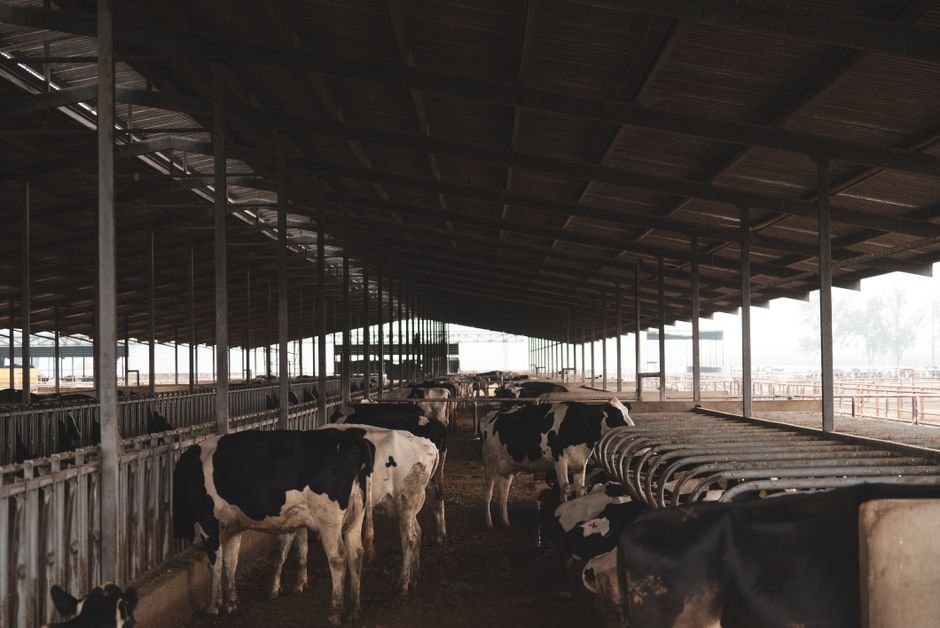
Proper cattle housing protects animals from extreme weather, reduces stress, and facilitates health management. Essential facilities include:
For more on this, see our related guide: How to Choose the Right Land and Acreage for Cattle Farming.
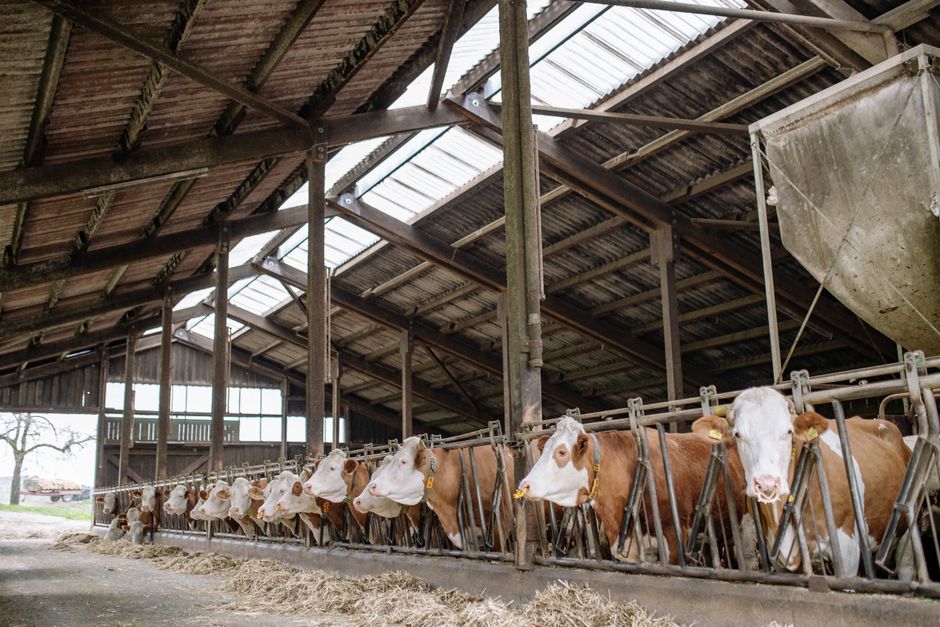
- Shelters: Simple three-sided sheds with a roof are effective for beef cattle. Dairy cows require fully enclosed barns with good ventilation and lighting. The recommended space allocation is about 25 to 30 square feet per animal for beef cattle and 60 to 80 square feet per dairy cow.
- Feed Troughs: Should be constructed at an appropriate height (about 3 feet for adult cattle) and provide 18-24 inches of feeding space per animal to prevent competition.
- Water Troughs: Access to clean water is critical. Provide at least 2 linear feet of trough space per 10 cows to ensure multiple animals can drink simultaneously.
- Handling Pens and Chutes: These are essential for safely managing cattle during vaccinations, branding, or transport. Design with solid sides to reduce visual distractions and include non-slip flooring.
Step 4: Installing Fencing for Cattle Farm
Quality fencing is vital for controlling cattle movement, protecting pastures, and preventing escapes. Common fencing options include:
- High-Tensile Wire Fencing: Cost-effective and durable; ideal for large pasture boundaries. Use 5 strands spaced evenly, with the bottom wire at least 18 inches above ground.
- Electric Fencing: Flexible and easy to install; excellent for rotational grazing systems. Use a combination of polywire and energizers delivering 3,000 to 5,000 volts.
- Post and Rail Fencing: Provides a sturdy, visible barrier but is more expensive. Recommended for holding areas and around housing facilities.
Proper fence post spacing typically ranges from 8 to 12 feet depending on material and wire type. Corner posts should be reinforced to withstand tension.
Step 5: Establishing Pasture and Grazing Management
Pasture quality directly influences cattle growth rates and health. Key considerations include:
- Pasture Species: Mix cool-season grasses like ryegrass and fescue with legumes such as clover to enhance protein content. For example, a 70:30 ratio of grass to legume improves forage quality.
- Seeding Rate and Fertilization: Apply 20-30 pounds of nitrogen per acre annually, adjusted based on soil tests. Seed at 15-20 pounds per acre for grasses and 5-7 pounds for legumes.
- Rotational Grazing: Rotate cattle every 2 to 3 weeks. This promotes pasture recovery and reduces parasite load. Grazing periods depend on forage growth, typically 20-30 days rest before re-grazing.
- Supplemental Feeding: During dry seasons or winter, provide hay or silage to maintain nutrition. Plan for at least 2% of body weight in dry matter per day. For example, a 1,200-pound cow requires roughly 24 pounds of dry matter daily.
Step 6: Water Supply and Management
Water is essential for cattle health and productivity. Design your water system with the following in mind:
If you’re also looking into this, our article on Essential Cattle Handling, Feeding, and Health Equipment for Every Herd covers it in more detail.
- Daily Water Needs: Adult cattle drink between 10 to 20 gallons per day, increasing with lactation, heat, or activity.
- Water Source Options: Wells, boreholes, ponds, or municipal water. Wells with submersible pumps are common for reliable year-round supply.
- Water Distribution: Install pipelines with troughs spaced to prevent crowding. Automatic waterers are efficient but require electricity and maintenance.
- Water Quality: Test for contaminants, pH between 6.5 and 8.5 is ideal, and ensure low nitrates and microbial safety.
Step 7: Feeding and Nutrition Setup
Balanced nutrition supports growth, reproduction, and disease resistance. Farm setup should include:
- Feed Storage: Silos for grains, covered sheds for hay and straw, and sealed containers for mineral supplements.
- Feed Preparation Areas: Space for mixing rations if using Total Mixed Rations (TMR). Consider feed mixers and conveyors to improve efficiency.
- Mineral and Salt Blocks: Place blocks in multiple locations to reduce competition, replenishing regularly.
Labor, Management, and Record Keeping
An effective farm setup includes housing for workers or access to labor and systems for managing cattle records:
- Staff Facilities: Basic amenities for workers improve morale and productivity.
- Record Keeping: Use digital software or logbooks to track vaccinations, breeding dates, health treatments, and production metrics.
- Safety Measures: Include first aid kits, emergency contact protocols, and proper signage around handling areas.
Cost and Investment Considerations
Initial setup costs vary widely depending on scale and location, but here is an estimated budget breakdown for a 50-head cattle farm:
This ties in closely with Mastering Cattle Behavior and Handling for Safer, More Efficient Farming, worth a look if you want to go deeper.
| Item | Estimated Cost (USD) | Notes |
|---|---|---|
| Land Acquisition (per acre) | 2,000 – 4,000 | Depends on region and soil quality |
| Fencing Installation | 10,000 – 15,000 | High-tensile wire for 80+ acres |
| Housing and Shelter Construction | 15,000 – 25,000 | Including feed troughs and handling pens |
| Water System Setup | 5,000 – 10,000 | Wells, pumps, troughs |
| Feed Storage & Equipment Shed | 8,000 – 12,000 | Weatherproof buildings |
| Pasture Development and Fertilizer | 3,000 – 6,000 | Seeding, soil amendments |
Note that operational costs for feed, veterinary care, labor, and maintenance will continue annually.
Conclusion
Setting up a farm for cattle involves a multi-faceted approach balancing animal welfare, land use, infrastructure, and economics. By carefully selecting land, creating an efficient layout, investing in durable fencing and suitable housing, and managing grazing and nutrition, farmers can build a productive and sustainable cattle operation. Detailed planning upfront pays dividends in reduced stress, better animal health, and improved profitability.