
Which Tools Are Essential for Trimming Cattle Hooves?
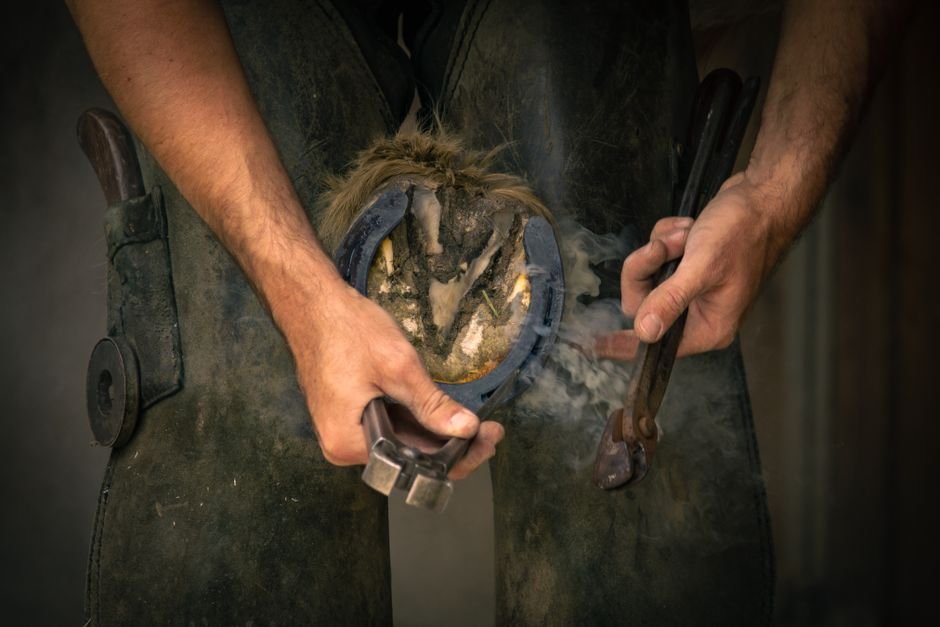
Trimming cattle hooves typically requires a set of specialized tools including hoof knives, hoof nippers, power grinders, and hoof testers. Hoof knives allow precise removal of overgrown sole and walls, nippers cut thick hoof edges, and grinders smooth and level the hoof surface. Proper use of these tools ensures healthy hooves and prevents lameness in cattle. Additionally, having a complete toolkit that may also include hoof rasps, files, and safety equipment streamlines the trimming process and improves outcomes.
For example, a professional hoof trimmer might use a hoof knife to carefully pare away diseased or damaged sole tissue, before employing hoof nippers to remove thickened hoof walls that have grown excessively. Following the primary trimming, power grinders help achieve an even hoof surface, which is vital for proper weight distribution and gait. Without these tools, trimming would be inefficient, more labor-intensive, and could potentially cause harm to the animal.
Understanding Why Hoof Trimming Tools Are Critical
Cattle hooves continuously grow and can develop uneven wear or infections if not maintained. Regular trimming promotes weight distribution and reduces the risk of conditions like digital dermatitis, sole ulcers, white line disease, and laminitis. These hoof ailments not only cause pain but also lead to decreased mobility, reduced feed intake, and ultimately lower milk production or weight gain.
Scientific studies have shown that lameness in dairy cattle alone can result in production losses up to $200 per cow annually due to decreased milk yield and reproductive performance. Implementing routine hoof care using the correct tools can significantly reduce these losses by maintaining proper hoof shape and preventing the buildup of abnormal horn growth or lesions. Properly trimmed hooves also reduce the incidence of secondary infections by eliminating cracks and damaged areas where bacteria can thrive.
Using unsuitable or dull tools can harm the animal by causing jagged cuts or excessive removal of hoof horn, leading to bleeding, pain, or increased susceptibility to infection. Moreover, inefficient tools increase the time required for trimming, resulting in greater stress for both the animal and handler. Therefore, investing in high-quality, purpose-built hoof trimming tools not only improves animal welfare but also enhances farm productivity and economic returns.
Hoof Knives: The Primary Precision Tool
Hoof knives are the cornerstone of hoof trimming. These knives typically have a curved, sharp blade about 3 to 4 inches long, designed to pare away excess sole and shape the hoof wall. Brands like Dakota and Flex-Hoof produce popular models favored by professional trimmers. The curved blade allows for controlled cuts, minimizing risk of injury to the sensitive corium beneath the hoof horn. Some hoof knives come with replaceable blades for hygiene and maintenance.
There are different styles of hoof knives, including straight, curved, and double-edged blades, each suited for varying trimming techniques. For instance, a curved blade is excellent for removing sole overgrowth in a sweeping motion, while a straight blade allows for precise trimming along the hoof wall. The handle ergonomics also vary, with some models featuring wooden handles for comfort and others using synthetic, textured materials for enhanced grip, especially when working in wet or muddy conditions.
Maintaining a sharp hoof knife is essential to reduce the force needed during trimming, thereby lowering the risk of slips that can injure the animal or the trimmer. Professional trimmers often hone their blades regularly and sterilize them between animals to prevent disease transmission. Additionally, some trimmers may use multiple knives during a session to ensure sharpness and hygiene.
Hoof Nippers: Cutting Through Thick Hoof Walls
Hoof nippers resemble large pliers and are used to cut thick or overgrown hoof walls that cannot be trimmed with knives alone. These tools often feature steel jaws designed to provide leverage and clean cuts. Models such as the NMC (National Mfg. Co.) nippers or the Reddick hoof nippers are common in the livestock industry. The handles typically measure 15-20 inches for optimal leverage, allowing the operator to cut with minimal effort.
Hoof nippers must be robust and well-maintained; dull or poorly constructed nippers can crush rather than cleanly cut the hoof, which damages the tissue and causes discomfort. Many professional trimmers choose high-carbon steel or alloy-steel models for durability and edge retention. Some nippers incorporate replaceable blades or hardened cutting edges to extend tool life.
Beyond simple trimming, hoof nippers are indispensable when dealing with severe overgrowth or deformities such as those caused by laminitis or traumatic injuries. In such cases, nippers enable controlled removal of thickened horn layers to restore hoof balance and shape. Trimmers often pair nippers with hoof knives to complete the job efficiently.
Additionally, proper maintenance, including lubrication of pivot points and regular sharpening, ensures smooth operation and safety. Using the right size nipper for the animal’s hoof size—from calves to adult cattle—helps prevent overexertion and fatigue during trimming.
For more on this, see our related guide: Proven Tips to Reduce Weaning Stress in Calves During Hot Weather.
Power Grinders and Sanders for Finishing
After trimming with knives and nippers, power hoof grinders (like those from brands such as Dremel or Vettec) are used to smooth and level the hoof surface. These electric or pneumatic tools help remove rough edges and balance the hoof, which is critical for proper weight bearing. Grinders reduce the time and physical effort compared to manual rasping. However, they require careful handling to avoid overheating the hoof or removing too much material.
Power grinders come with various attachments, including grinding stones and sanding drums, allowing trimmers to customize their approach based on hoof condition. Pneumatic grinders connected to air compressors are popular in larger operations for their power and longevity, while cordless electric grinders offer portability and ease of use in remote settings.
Overheating is a significant concern with power grinders, as excessive heat can damage the sensitive inner tissues of the hoof. Experienced trimmers use intermittent grinding, allowing the hoof to cool between passes, and frequently check for hoof temperature. Some grinders include built-in safety features such as thermal cutoffs to prevent overheating.
Data from hoof care specialists suggest that power grinding can reduce total trimming time by up to 40% compared to manual methods, improving efficiency during herd-wide hoof care sessions. Moreover, the ability to achieve a more consistent hoof surface improves animal gait and reduces lameness incidence.

Hoof Rasps and Files: Manual Finishing Tools
Manual hoof rasps and files are used for fine shaping and smoothing after the primary trimming steps. A rasp is a long, flat, coarse file that smooths the hoof wall and evens out irregularities. It’s especially useful for small corrections or finishing touches. Brands like Diamond Hoof and Epona produce durable rasps favored by farmers and trimmers.
Rasps come in various grades of coarseness, with coarse rasps removing more material quickly and fine rasps used for polishing the hoof surface. In addition to smoothing, rasps help blend the trimmed hoof wall to prevent sharp edges that could snag or cause discomfort. Some trimmers prefer to use rasps in combination with hoof knives to finely contour the hoof shape, especially on the heels and toe areas.
Hoof files, which tend to be smaller and more precise than rasps, allow for detail work such as cleaning the white line or trimming areas around the heel bulbs. These tools are indispensable when working on difficult-to-reach spots or for treating minor cracks and chips.
Manual tools also provide more tactile feedback than power grinders, allowing the trimmer to feel subtle changes in hoof density or detect compromised areas. This sensory input helps avoid over-trimming and supports more careful hoof maintenance.
Hoof Testers: Diagnosing Before Trimming
Hoof testers look like large pliers with flat, rounded ends and are used to apply pressure on the hoof to detect sensitive or painful areas before trimming. This helps identify abscesses, bruises, or laminitis early. Tools such as the Jorgensen Hoof Tester are widely used by veterinarians and hoof trimmers alike. Using hoof testers assists in targeting treatment and avoiding unnecessary trimming that might worsen injuries.
Hoof testers operate by applying uniform pressure to specific regions of the hoof sole or wall. If the animal reacts with pain, it indicates a potential lesion beneath the hoof surface. This diagnostic step is essential because some injuries or infections are not visually obvious but can cause significant lameness. Early detection via hoof testers allows for timely intervention, including applying medication, drainage, or corrective trimming.
Veterinary research supports the use of hoof testers as part of a comprehensive lameness detection protocol. In some cases, testers are used alongside thermography or radiography to assess hoof health comprehensively. For instance, when diagnosing sole ulcers, applying hoof testers helps localize the lesion accurately, guiding effective trimming and treatment.
If you’re also looking into this, our article on Can Cows Eat Watermelon? How to Safely Feed Cull Fruit to Your Herd covers it in more detail.
Proper technique when using hoof testers involves gently squeezing various parts of the hoof in a systematic way, observing the animal’s response to avoid causing unnecessary pain. Regular use of hoof testers can also establish baseline sensitivity levels, aiding in monitoring recovery after treatment.
Additional Equipment: Restraint and Safety Tools
Effective hoof trimming requires safely restraining cattle to minimize stress and risk of injury. Common equipment includes hoof trimming chutes or crushes, which hold the animal steady. Brands like Tubular Steel or Ketchum offer durable cattle chutes designed specifically for hoof care. Protective gear such as gloves and steel-toed boots is also recommended for trimmers.
Hoof trimming chutes often feature adjustable sides and head gates, allowing the animal’s movement to be restricted without causing discomfort. Some models include built-in hydraulic or manual lifting platforms to raise the cow’s feet to a comfortable working height, reducing physical strain on the trimmer. For larger herds, mobile trimming chutes facilitate on-site hoof care, saving time and reducing cattle transport stress.
In addition to chutes, tools like halters and tail jacks help calm and position the animal during trimming. Proper restraint not only protects the trimmer from kicks or sudden movements but also prevents the animal from injuring itself. Designing a safe trimming environment includes non-slip flooring, adequate lighting, and clean working areas to minimize hazards.
Personal protective equipment (PPE) is crucial during hoof trimming. Gloves protect hands from cuts and infections, while steel-toed boots shield feet from accidental impacts by hooves or dropped tools. Eye protection is advisable when using power grinders to prevent debris injuries. Training on safe handling of tools and cattle behavior further enhances safety and efficiency.
Comparing Popular Hoof Trimming Tool Sets
| Tool | Function | Popular Brands | Typical Cost Range |
|---|---|---|---|
| Hoof Knife | Remove overgrown sole and wall | Dakota, Flex-Hoof | $15–$40 per knife |
| Hoof Nippers | Cut thick hoof edges | NMC, Reddick | $60–$120 |
| Power Grinder | Smooth and level hoof | Dremel, Vettec | $150–$400 |
| Hoof Rasp | Manual smoothing and shaping | Diamond Hoof, Epona | $20–$50 |
| Hoof Testers | Detect hoof pain or injury | Jorgensen | $30–$70 |
When selecting a hoof trimming tool set, consider the size of your herd, budget, and trimming frequency. For small-scale or occasional trimming, a basic set including a hoof knife, nippers, and rasp may suffice. Larger operations may benefit from investing in power grinders and specialized chutes to improve efficiency. It’s often worthwhile to buy from reputable brands with warranties and replaceable parts to ensure long-term value.
Techniques and Safety Tips When Using Hoof Trimming Tools
Using the right tool correctly is crucial for animal welfare. Trimmers should pare hoof walls and soles carefully to avoid cutting into the corium, which causes pain and bleeding. Keeping blades sharp reduces the force required and risk of slips. Power grinders should be used intermittently to prevent heat buildup. Always clean tools between uses to avoid spreading infections. Proper animal restraint reduces sudden movements during trimming, protecting both the trimmer and cattle.

Before beginning trimming, it’s advisable to clean the hooves thoroughly to remove mud and manure, allowing better visibility and reducing contamination risk. Trimmers should adopt a systematic approach, starting with inspection, followed by trimming the outer hoof wall, then the sole, and finishing with rasping or grinding.
Good lighting and ergonomic positioning help maintain accuracy and reduce fatigue. When trimming, avoid removing too much sole or wall horn at once; gradual trimming minimizes the chance of injury. If bleeding occurs, apply styptic powder or antiseptics promptly.
Maintaining hygiene by disinfecting tools with solutions such as diluted bleach or veterinary antiseptics helps prevent transmission of infectious diseases like foot rot or digital dermatitis. After trimming, monitor the animal for signs of discomfort or lameness and provide appropriate treatment if necessary.
How Often Should Cattle Hooves Be Trimmed?
Routine trimming frequency depends on breed, environment, and management practices. Dairy cattle like Holsteins often require trimming every 6 months due to stall conditions and concrete flooring. Beef breeds on pasture may need less frequent trimming, roughly once per year or as needed. Monitoring for lameness and uneven hoof wear is essential to determine individual trimming schedules.
This ties in closely with Effective Cattle Housing and Shelter: A Comprehensive Guide for Optimal Herd Health, worth a look if you want to go deeper.
Environmental factors strongly influence hoof growth and wear. For example, cattle housed on abrasive concrete floors experience faster hoof wear but also increased risk of cracks and sole ulcers, necessitating more frequent trimming. Conversely, animals on soft pasture may have slower hoof growth and less need for trimming but should still be checked regularly for injuries or infections.
Production stage also affects trimming needs. Lactating dairy cows are more prone to lameness due to metabolic stress and housing conditions, so closer hoof monitoring is recommended during early lactation. Pregnant or dry cows may require less frequent trimming. Additionally, genetics play a role, as some breeds have naturally harder or softer hooves, influencing trimming intervals.
Continuous monitoring through regular lameness scoring and hoof inspection is critical. Many farms implement trimming schedules based on observed hoof health rather than rigid timeframes, adjusting intervals to animal needs. In herds with high lameness incidence, increased trimming frequency—every 3 to 4 months—may be beneficial.
Conclusion
Trimming cattle hooves demands specific tools tailored to different stages of the process — from precision cutting with hoof knives to grinding and diagnostics with power tools and testers. Choosing the right equipment and applying proper techniques helps maintain healthy hooves, prevent lameness, and support animal productivity. Investing in quality tools like NMC nippers, Dakota knives, and Jorgensen testers, combined with safe handling, makes hoof trimming a manageable and effective task for any cattle operation.
Ultimately, integrating regular hoof care into herd health protocols minimizes costly lameness problems, improves animal welfare, and enhances farm profitability. Whether performed by trained farm staff or professional hoof trimmers, using the appropriate tools and techniques is fundamental to good hoof health management.
Frequently Asked Questions
What is the most important tool for trimming cattle hooves?
The hoof knife is the most essential tool for trimming cattle hooves, as it allows precise removal of excess hoof material and helps shape the hoof without causing injury. Its versatility and control make it fundamental for maintaining proper hoof health.
Can I use regular garden clippers instead of hoof nippers?
Regular garden clippers are not strong or sharp enough for cattle hooves. Hoof nippers are specifically designed with durable steel jaws and leverage to cut through thick hoof walls safely. Using unsuitable tools risks damaging the hoof and causing injury to the animal.
How do power grinders improve the hoof trimming process?
Power grinders speed up smoothing and leveling the hoof surface, reducing physical effort and trimming time compared to manual rasps, though they require careful use to avoid overheating. Their precision and efficiency make them valuable, especially in larger herds.
Is it necessary to use hoof testers before trimming?
While not mandatory, hoof testers help identify sensitive areas or infections, allowing targeted treatment and preventing unnecessary trimming that could cause pain. They are particularly useful in diagnosing lameness when visible signs are subtle.
How do I keep hoof trimming tools sanitary?
Cleaning tools after each use with disinfectants like diluted bleach solutions or veterinary antiseptics helps prevent disease transmission between animals during hoof care. Regular maintenance, including drying and sharpening, prolongs tool life and effectiveness.