
Introduction to Homestead Planning Equipment
Successful homesteading demands careful planning and the right equipment. Whether you’re starting a small backyard operation or preparing for a larger rural setup, knowing what tools and machinery you need ensures efficiency, sustainability, and smooth day-to-day management. This guide dives into the essential equipment categories that every homesteader should consider to build a well-rounded and productive homestead.
Understanding the nature of your land, climate, and desired outputs will guide your selection of equipment. For instance, a homestead in a temperate climate with heavy clay soil will require different soil preparation tools compared to a dry, sandy region. Similarly, the type and number of livestock you plan to raise impact fencing and watering system choices. This article not only outlines important equipment but also provides insights on matching tools to specific homestead scenarios.
Land Preparation and Soil Management Tools
Before planting crops or raising livestock, preparing your land properly is critical. The quality of your soil and how well you manage it influences your homestead’s productivity.
Basic Soil Preparation Tools
- Garden Spade and Shovel: Essential for digging, turning soil, and moving compost or manure. A sturdy shovel with a pointed tip is preferable for breaking new ground.
- Garden Hoe: Useful for weeding and cultivating the soil surface to prepare seedbeds.
- Rototiller or Cultivator: For larger plots, a gas or electric tiller speeds up soil turning and mixing amendments into the ground. For example, a mid-range tiller like the Husqvarna Tiller with a 208cc engine covers about 1/8 acre efficiently.
- Soil Testing Kit: Measuring pH, nitrogen, phosphorus, and potassium levels helps you tailor fertilization. Kits costing $15–$30 provide reliable DIY results.
Additional tools such as garden forks and rakes aid in breaking clods and smoothing seedbeds. A broadfork, for example, is excellent for aerating soil without disturbing its natural layers, which promotes beneficial microorganisms and reduces erosion. Mulching materials—like straw or wood chips—are also crucial after preparation to maintain moisture and reduce weed growth.
Advanced Soil Management Equipment
For homesteads exceeding one acre, consider equipment that improves soil health and reduces labor:
- Subsoiler: Helps break hardpan layers to improve drainage and root growth. Models like the Land Pride Subsoiler attach to compact tractors.
- Compost Turner: Mechanical turners can speed up composting, especially when managing livestock manure for fertilization.
In addition to these, precision soil amendments can be applied using broadcast spreaders or drop spreaders to evenly distribute lime, fertilizers, or soil conditioners. Using a GPS-enabled spreader can minimize overlap and waste on larger properties. Furthermore, cover cropping equipment such as seed drills designed for small grains or legumes can enhance soil fertility naturally by fixing nitrogen and adding organic matter.
Data from the USDA shows that farms utilizing subsoiling and proper soil aeration techniques can increase crop yields by up to 15% due to improved root development and water infiltration. Investing in soil moisture sensors or tensiometers also allows homesteaders to monitor irrigation needs precisely, preventing overwatering and conserving resources.
Water Management Systems
Water is the lifeblood of any homestead, whether for irrigation, livestock, or household use. Proper water management equipment is non-negotiable.
Irrigation Tools
- Drip Irrigation Kits: These conserve water by delivering moisture directly to plant roots. Starter kits for a 100-foot garden bed range from $60–$150.
- Soaker Hoses and Sprinklers: Useful for medium to large vegetable gardens. Sprinklers with adjustable spray radius help cover irregular garden shapes.
- Water Tanks and Storage: For rainwater harvesting, large plastic or metal tanks (from 250 to 1,000 gallons) store water for dry periods. Coupling tanks with simple filters ensures water quality for livestock.
Advanced water management might also include automated irrigation controllers with soil moisture sensors and weather data integration. These systems optimize watering schedules, reducing water waste by up to 30%. For example, smart irrigation controllers like Rachio or RainMachine can connect to smartphone apps, providing remote control and real-time adjustments based on weather forecasts.
Additionally, installing drip irrigation with pressure-compensating emitters ensures uniform water delivery even on sloped terrain. This is especially beneficial in hilly homesteads where water pressure varies across the garden. Rainwater catchment systems can be expanded with first-flush diverters and sediment filters to improve water quality, which is crucial if you intend to use the water for vegetable gardens or livestock drinking.
Livestock Watering Equipment
- Automatic Waterers: Electric or solar-powered automatic water bowls or troughs keep animals hydrated with minimal effort. For example, the Drinkwell Platinum Pet Fountain is popular for small livestock.
- Frost-Free Hydrants: For colder climates, these prevent freezing and provide year-round water access.
In larger livestock operations, water systems may include well pumps with pressure tanks and multiple watering stations distributed throughout pastures. Solar-powered pumps are particularly advantageous in remote areas without grid access, providing a renewable energy source to pump water. Insulated and heated troughs can also prevent ice formation in winter, ensuring animals have continuous access without manual intervention. For dairy herds, water quality monitoring tools to test pH and contaminants help maintain herd health and milk quality.
Livestock Handling and Care Equipment
Raising cows, chickens, goats, or other animals requires specific equipment to ensure their wellbeing and ease your management tasks.
For more on this, see our related guide: What It Takes to Start a Small Cattle Farm: Essential Costs and Considerations.
Fencing and Enclosures
- Electric Fencing: Effective for pasture management and predator control. A solar-powered energizer can cover up to 10 miles of fencing, providing flexibility and cost savings on electricity.
- High-Tensile Wire: Durable and long-lasting, this wire resists sagging and damage, ideal for multi-acre pastures.
- Gates and Panels: Modular metal panels make creating movable pens simple, useful for rotational grazing.
In addition to these, barbed wire remains a cost-effective choice for many homesteaders, although it requires careful placement to avoid injury to smaller animals. Welded wire fencing is often preferred for poultry and sheep because of its smaller mesh size and rigidity. Electric netting offers a portable and flexible option for temporary or rotational grazing setups. For predator deterrence, combining fences with wildlife-proof designs—such as buried wire or overhead netting—reduces losses to coyotes, foxes, or hawks.
Installing properly tensioned fences with insulated posts and gates prevents short-circuiting of electric lines, ensuring consistent voltage. According to the University of Wyoming Cooperative Extension, solar-powered electric fencing can reduce installation and operation costs by up to 50% compared to grid-powered systems, especially in remote areas.
Animal Housing
- Coops, Barns, and Shelters: Structures built to protect animals from weather and predators. For example, a 12×12-foot barn can comfortably house a small cow or goat herd with adequate ventilation and feed storage.
- Bedding Materials: Straw or wood shavings are standard for animal comfort and hygiene.
Proper ventilation in animal housing is vital to prevent respiratory diseases and maintain air quality. Installing adjustable vents, windows with screens, or exhaust fans helps regulate temperature and humidity. For poultry, nesting boxes and roosting bars are essential components that improve egg production and animal comfort. Insulation and windbreaks for barns can reduce heating costs significantly in colder climates.
Automated lighting systems mimic natural day length, which can positively influence breeding cycles and milk production in dairy animals. Additionally, well-designed manure management systems, such as slatted floors or manure pits, improve hygiene and reduce labor. Composting manure on-site not only improves sanitation but also provides nutrient-rich fertilizer for crops.
Feeding and Milking Equipment
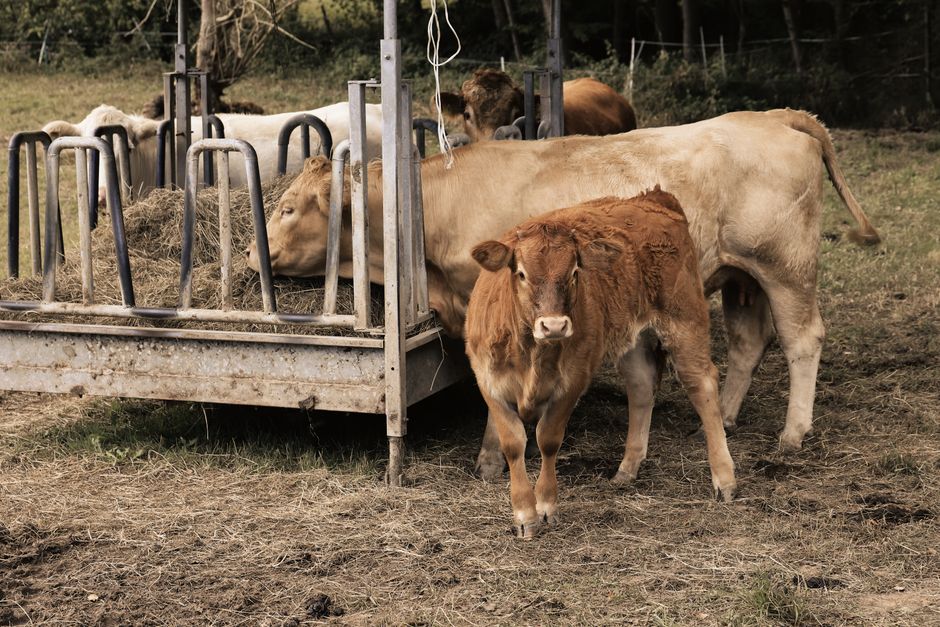
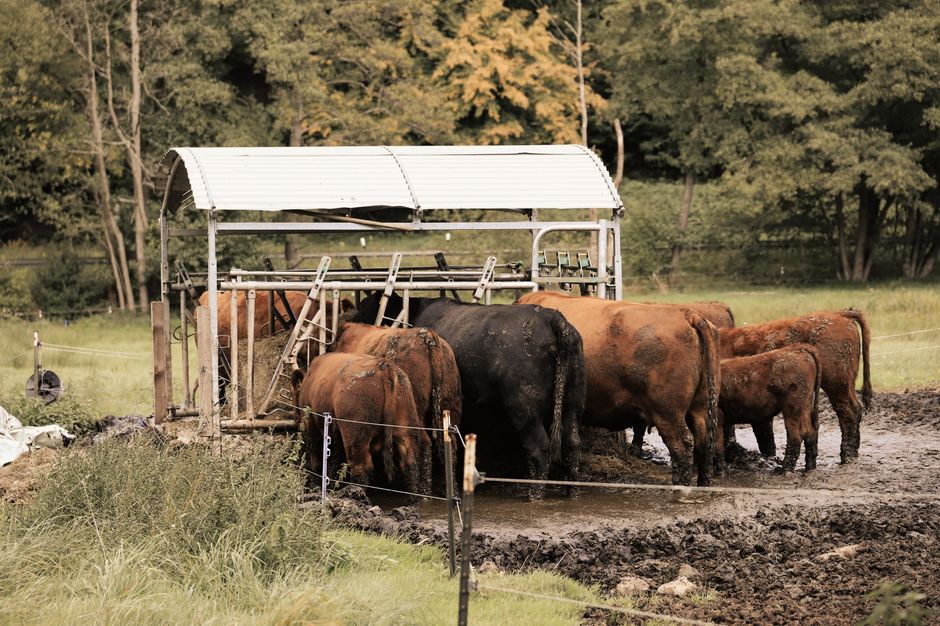
- Feeders and Hay Racks: Designed to reduce waste, feeders come in sizes from small chicken troughs to large cow hay rings.
- Milking Machines: For dairy cows, a portable milking machine ($400–$800 range) can save hours of manual labor and improve hygiene.
- Water Troughs: Sized according to herd size. A typical dairy cow drinks 30–50 gallons daily, so troughs should accommodate this demand.
Automatic feeders equipped with programmable timers can dispense feed at regular intervals, reducing labor and stress on animals caused by irregular feeding. For poultry, gravity-fed feeders minimize spillage, and properly designed feeders also reduce rodent access. Hay feeders with smooth surfaces and elevated designs reduce hay trampling and spoilage by up to 40%, improving feed efficiency.
Milking equipment ranges from simple hand pumps to fully automated parlors that include teat cleaning, milking clusters, and bulk milk cooling tanks. While automated parlors represent a significant investment, even small-scale homesteaders benefit from portable electric machines that maintain sterile conditions and reduce contamination risks.
In terms of watering, troughs made from durable polyethylene or galvanized steel withstand harsh weather and animal wear. Installing float valves ensures constant water levels, and positioning troughs on gravel pads improves drainage, reducing mud and parasite exposure.
Gardening and Crop Production Tools
Cultivating your own food is a central part of homesteading, requiring specific tools to maximize your garden’s output.
Hand Tools
- Pruning Shears and Loppers: Essential for fruit trees and berry bushes to encourage healthy growth.
- Wheelbarrow or Garden Cart: For transporting soil, plants, and tools, a sturdy wheelbarrow with a 6-cubic-foot tub is ideal.
- Seeders and Transplanters: Hand seeders improve planting accuracy, while transplanters speed up moving starts into your garden beds.
Additional tools such as dibbers help create uniform planting holes for bulbs and seedlings, while garden forks can loosen compacted soil without damaging plant roots. Precision sowing tools reduce seed waste, especially important for expensive heirloom varieties. Using raised beds with edging tools can improve soil temperature and drainage, resulting in earlier harvests and higher yields.
Power Equipment
- Walk-Behind Tractor or Garden Tractor: Machines like the John Deere 1025R can operate attachments for mowing, tilling, and hauling, increasing productivity for 1-5 acre homesteads.
- String Trimmers and Lawn Mowers: Useful for maintaining pasture edges, pathways, and small hay fields.
Other useful power equipment includes small broadcast seeders for cover crops, post hole diggers powered by gas engines for fence installation, and portable water pumps for irrigation. For homesteaders managing orchards or vineyards, specialized sprayers—either backpack or ATV-mounted—help apply organic fungicides and insecticides with precision.
Electric or battery-powered tools are becoming increasingly popular for their lower noise and emissions, ideal for smaller gardens or urban homesteads. Lithium-ion battery-powered string trimmers and blowers offer comparable runtime to gas models with less maintenance.
If you’re also looking into this, our article on Essential Cattle Handling, Feeding, and Health Equipment for Every Herd covers it in more detail.
Storage and Workshop Essentials
Efficient storage and workspace help keep your homestead organized and protected.
Tool Storage
- Garden Shed or Tool Barn: A 10×12-foot structure with shelves and hooks can store tools, seed packets, and chemicals securely.
- Lockable Cabinets: Useful for storing fertilizers, pesticides, and veterinary supplies safely away from children and animals.
Organizing tools by type and function using pegboards, labeled bins, and magnetic strips improves workflow and reduces time searching for equipment. Shelving units with built-in trays protect delicate items such as seed starters and hand tools. Weatherproofing your storage with good ventilation and moisture barriers prevents rust and mold, prolonging the life of your gear.
Workshop Equipment
- Workbench: For repairing fencing, sharpening tools, and assembling projects.
- Power Tools: Cordless drills, grinders, and saws increase repair and building efficiency.
Additional workshop essentials include a bench vise for holding materials securely, a sharpening stone or electric sharpener for maintaining blades, and a welding setup for fabricating fencing or equipment repairs. For larger builds, a table saw or miter saw allows precise cutting of lumber for fences, shelters, or raised garden beds.
Having an organized workshop space with adequate lighting and a dust collection system improves safety and reduces fatigue during long projects. Portable tool organizers and battery charging stations also streamline daily work routines.
Comparing Essential Equipment Costs and Uses
| Equipment Category | Example Item | Approximate Cost | Primary Use |
|---|---|---|---|
| Soil Preparation | Husqvarna Gas Rototiller | $600–$900 | Tilling and soil cultivation for gardens up to ¼ acre |
| Water Management | Rainwater Storage Tank (500 gallons) | $300–$700 | Harvesting and storing water for irrigation and livestock |
| Fencing | Solar-Powered Electric Fence Energizer | $150–$350 | Pasture containment and predator deterrent |
| Livestock Care | Portable Milking Machine | $400–$800 | Efficient milking of dairy cows |
| Gardening | John Deere 1025R Tractor | $15,000–$20,000 | Multi-purpose garden and small field work |
| Storage | Garden Shed (10×12 feet) | $1,500–$3,000 | Organized storage of tools and supplies |
When budgeting, factor in ongoing maintenance costs for equipment such as fuel, replacement parts, and wear items like mower blades or tractor tires. Additionally, learning to perform basic repairs yourself can save hundreds annually and increase equipment lifespan. Many homesteaders find value in buying used equipment through auction sites, community sales, or local farm stores, but it’s important to inspect machines thoroughly to avoid costly repairs.
Final Recommendations for Equipment Prioritization
For new homesteaders with limited budgets, prioritizing equipment based on your specific goals and acreage is essential. Start with basic hand tools and fencing, then gradually invest in irrigation and mechanized equipment as your operation grows. For example, a 1-acre homestead might initially focus on:
- Basic soil tools (shovel, hoe, soil test kit)
- Simple fencing and gates for livestock
- Rainwater collection barrels for irrigation
- Manual watering and feeding equipment
As you expand, adding mechanized tillers, automatic waterers, and a small tractor will improve efficiency and sustainability.
Additionally, consider integrating sustainable practices such as permaculture design, which can reduce reliance on heavy equipment by promoting natural soil fertility and water retention. Participating in local homesteading groups or extension services can provide access to shared equipment and expert advice, reducing upfront costs.
Summary
Homestead planning requires a diverse set of equipment tailored to your land size, climate, and production goals. From soil preparation and water management to livestock care and storage solutions, every piece plays a role in building a resilient and productive homestead. Thoughtful investment in the right tools will save time, reduce labor, and improve yields — foundational pillars for long-term success.
Successful homesteading is not just about acquiring equipment but using it wisely in harmony with natural cycles and sustainable practices. By carefully matching your tools to your homestead’s unique needs, you create a system that supports your lifestyle goals, protects the environment, and provides a reliable source of food and income for years to come.