
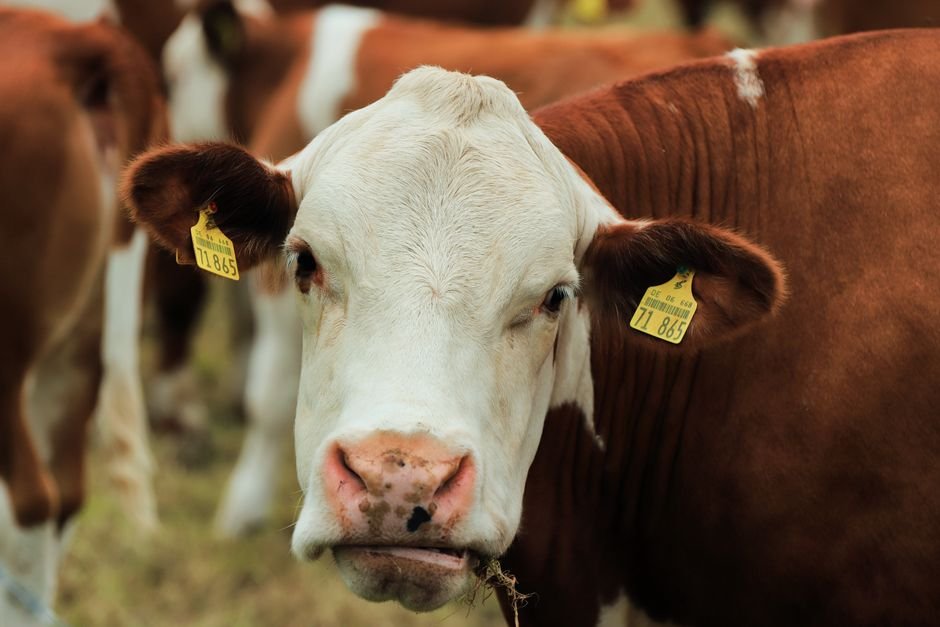
Introduction: The Value and Cost of Cow Behavior Management
On a small cattle farm, understanding and managing cow behavior is critical for animal welfare, productivity, and farm profitability. However, many farmers overlook the fact that “cow behavior” itself carries direct and indirect costs. This article breaks down how much those costs can add up, from daily handling techniques to investments in technology and training. Beyond just economics, recognizing and responding appropriately to cow behavior enhances overall farm sustainability by reducing stress-induced diseases, improving reproductive performance, and fostering a safer working environment.
Why Cow Behavior Matters on Small Cattle Farms
Cows are herd animals with complex social structures, stress responses, and communication methods. Misreading or neglecting their behavior can lead to reduced milk yields, poor weight gain, injuries, and even fatalities. Proper management of cow behavior translates into healthier herds and smoother farm operations, which in turn affect the farm’s bottom line.
Scientific studies have shown that cows experiencing high levels of stress produce significantly less milk due to hormonal imbalances affecting lactation. Moreover, behavioral problems such as aggression or excessive fearfulness can disrupt herd dynamics, leading to uneven access to feed and water resources, which diminishes overall herd productivity. Proper recognition of signs such as ear flicking, tail swishing, or changes in gait can alert farmers to an animal’s health status before clinical symptoms appear, allowing preventative action.
Behavior-Related Challenges Common on Small Farms
- Stress-Induced Health Issues: Stress can suppress immune function causing costly vet bills. For example, cortisol released during chronic stress impairs white blood cell activity, increasing susceptibility to diseases like mastitis and respiratory infections.
- Handling Difficulties: Aggressive or overly skittish cows increase the risk of injury for handlers and animals. Small farms often lack specialized handling facilities, making it harder to safely move or restrain difficult cows, leading to accidents and delays in routine tasks.
- Feeding and Grazing Conflicts: Dominant cows monopolizing feed can reduce average herd productivity. This social hierarchy can cause lower-ranking cows to have inadequate nutrition, leading to uneven weight gains and reproductive challenges.
- Calving Complications: Behavioral signs missed by inexperienced farmers escalate emergency vet costs. For instance, recognizing restlessness, isolation behavior, or changes in vocalization patterns can allow timely intervention, reducing calf mortality and maternal distress.
- Environmental Stressors: Weather extremes, poor ventilation, or overcrowding exacerbate behavioral problems. On small farms with limited infrastructure, environmental stress can magnify behavioral issues, increasing the need for management adjustments.
Direct Costs of Managing Cow Behavior
1. Training and Education
Farmers and workers need training to interpret cow behavior accurately and apply low-stress handling techniques. Courses and workshops can cost anywhere from $150 to $600 per participant. For example, the Low Stress Stockmanship course by the Stockmanship Institute charges approximately $400 per attendee. For a small farm with 2-3 workers, this is an upfront investment of about $800–$1,200.
Besides formal courses, many farmers invest in ongoing education through webinars, extension service materials, or certifications such as the Beef Quality Assurance (BQA) program, which includes behavioral best practices. These certifications cost around $100–$200 but provide valuable knowledge that reduces stress and improves product quality. Additionally, some farms subscribe to online platforms that offer video tutorials on recognizing subtle behavioral changes, an investment ranging from $50 to $200 annually.
Importantly, trained workers often improve retention rates, indirectly saving costs on hiring and training new staff. For example, a 2018 study showed that farms investing in employee education had 15% lower turnover, resulting in labor cost savings.
2. Time Investment
Behavioral observation requires dedicated time. On average, a small farm must allocate 30–60 minutes daily for careful monitoring. Assuming a farmer’s labor cost at $15/hour (or opportunity cost if owner-operated), this translates to $7.50–$15 per day, or roughly $225–$450 per month. While this isn’t a direct cash outlay, the time spent is a measurable cost.
Moreover, the quality of this time matters. A focused 30 minutes each morning observing eating patterns, social interactions, and physical signs such as lameness can preempt costly health problems. Some farms use behavioral logs or mobile apps to record observations, which can add 5–10 minutes daily but improve early detection of issues.
In addition to daily observations, periodic audits—such as monthly herd behavior assessments or quarterly reviews of handling protocols—require additional time but often lead to long-term time savings by reducing emergencies and improving workflow.
For more on this, see our related guide: How to Choose the Right Land and Acreage for Cattle Farming.
3. Equipment and Facility Upgrades
Cow behavior can be influenced by handling facilities. Upgrading to curved chutes, solid-sided fences, or adding shade and windbreaks to reduce stress can cost several thousand dollars.
- Curved cattle chute: $2,000–$3,500
- Solid panel fencing for safe movement: $1,000–$2,500
- Portable shades and windbreaks: $500–$1,200
These investments may be done incrementally but are essential to improve cow flow and reduce agitation. Additionally, some farms invest in quieter gate latches and rubberized flooring in high-traffic areas to minimize noise-induced fear reactions.

Research shows that well-designed facilities reduce handling time by up to 25%, enhancing labor efficiency. For example, on a small farm, a curved chute system can reduce cattle stress hormones by 30%, which correlates with better milk letdown and reduced injury rates.
For farms with limited capital, low-cost modifications such as painting fences in solid colors to minimize visual distractions or installing fans for ventilation can improve cow comfort and behavior. According to an agricultural extension study, adding shade structures in hot climates reduced restlessness and improved feeding time by 20%.
Indirect Costs Linked to Cow Behavior
Ignoring or misunderstanding cow behavior can cause hidden losses. These include:
- Reduced Productivity: Cows under chronic stress produce 10–15% less milk. For a 20-cow dairy producing an average of 6 gallons/day each, this can mean losing over 18 gallons daily. At $18 per gallon wholesale, that’s around $324 in lost revenue daily.
- Injury and Vet Bills: Handling problems increase injuries. Veterinary costs for treating injuries or stress-related illnesses on a small farm can reach $1,000–$3,000 annually.
- Labor Inefficiencies: More time required to manage difficult cows means higher labor expenses or missed tasks elsewhere.
- Reproductive Failures: Stress and poor behavior management can lower conception rates. This results in longer calving intervals, increased culling rates, and decreased herd replacement efficiency.
- Product Quality Issues: Stress can increase the incidence of bruising or carcass damage in beef cattle, lowering meat quality grades and reducing market prices.
Expanding this, consider that milk quality may also deteriorate under stress, with higher somatic cell counts leading to lower-grade milk that fetches reduced prices. Stress-induced drops in fertility can extend calving intervals, reducing lifetime productivity per cow. For instance, a 5-day increase in calving interval can reduce net farm income by $50–$100 per cow annually.
Beyond treatment, injuries often lead to production losses during recovery. A limping cow might reduce feed intake and milk yield for several weeks. Emergency calls to large animal vets can cost $200–$500 per visit, and surgeries or prolonged treatments can escalate costs further.
For example, a farmer spending an extra 2 hours weekly calming or managing aggressive cows may incur an additional $1,500 annually in labor costs, or experience revenue losses from neglected maintenance or marketing duties.
If you’re also looking into this, our article on Mastering Cattle Behavior and Handling for Safer, More Efficient Farming covers it in more detail.
Cost Comparison Table: Typical Cow Behavior-Related Expenses on a Small Cattle Farm
| Category | Example Expense | Estimated Cost (Small Farm) | Notes |
|---|---|---|---|
| Training & Education | Stockmanship courses for 2 workers | $800–$1,200 | One-time or bi-annual |
| Labor | Daily behavioral observation (30-60 min) | $225–$450/month | Ongoing, opportunity cost |
| Facility upgrades | Curved chutes and fencing | $3,000–$6,000 | Capital investment, lasts years |
| Lost productivity | Milk loss from stressed cows | $3,500–$5,000/month | Variable, based on herd size & management |
| Vet and injury costs | Stress-related illness treatment | $1,000–$3,000/year | Variable, depends on herd health |
| Technology | Behavior sensors and automated feeders | $500–$1,000 per unit | Optional, but helps reduce vet & labor costs |
How Small Farms Can Reduce Costs by Improving Cow Behavior
While the costs above may seem substantial, many are investments that reduce ongoing losses. Small farms can use the following strategies to improve behavior management affordably:
Low-Stress Handling Techniques
Using simple principles like slow movements, understanding cow flight zones, and working with the herd’s natural instincts can reduce stress without costly equipment. This approach requires only initial training time and consistent practice.
For example, moving cattle in small groups, avoiding yelling or sudden movements, and using flags or paddles instead of electric prods can create a calmer environment. Studies indicate that animals handled with low-stress methods show 25–30% lower heart rates, indicating less fear. This improves milk letdown and reduces injury risk. Additionally, creating consistent routines such as feeding and milking times helps cows anticipate events, further reducing anxiety.
Selective Breeding for Temperament
Choosing calmer animals reduces future handling difficulties. This strategy requires patience but costs little besides record-keeping and sire selection fees.
Temperament traits can be heritable, and recording behavioral scores during handling or milking can guide selection decisions. Using sires with known docile offspring or incorporating temperament into culling criteria improves herd manageability over time. This reduces labor time, injuries, and stress-induced production losses. Some breed associations provide estimated breeding values (EBVs) for temperament, allowing informed sire choices at moderate cost.

Incremental Facility Improvements
Farmers can prioritize inexpensive upgrades such as movable panels or repairing rough gates to improve flow before investing in expensive chutes.
For instance, repairing broken gate latches or smoothing rough flooring can prevent balking and injuries. Installing inexpensive shade cloths or natural windbreaks such as tree rows can improve comfort. Gradual improvements spread costs over time, making upgrades financially manageable while steadily improving animal welfare.
This ties in closely with The Essential Guide to Understanding Cattle Registration Certificates, worth a look if you want to go deeper.
Use of Technology
Modern monitoring tools like behavior sensors and automated feeders can cost $500–$1,000 per unit but enable better tracking of stress and social dynamics, potentially avoiding expensive vet visits and productivity losses.
Wearable sensors measuring activity, rumination, and lying time help detect illness or lameness early. For example, a rumination drop of 20% may signal illness days before clinical signs. Automated feeders adjust portions based on individual needs, reducing competition and stress.
Some farms use video analytics to monitor herd interactions remotely, alerting farmers to aggression or estrus behavior. Though initial costs are notable, these technologies often pay off by reducing labor hours, minimizing disease outbreaks, and improving reproductive performance.
Case Study: A 30-Head Dairy Farm in Wisconsin
John, owner of a small dairy farm with 30 Holstein cows, was facing frequent injuries and low milk yield. After investing $1,200 in low-stress stockmanship training for himself and his assistant, plus $3,500 upgrading handling facilities with curved chutes, John saw:
- A 12% increase in milk production within 6 months, adding roughly $4,000/month in revenue.
- A 40% reduction in injuries, lowering vet costs by $1,200 annually.
- Improved labor efficiency, freeing up about 5 hours/week for other tasks.
- Improved cow temperament and reduced aggressive behavior, leading to fewer animal conflicts at feeding times, improving feed conversion ratios.
- Enhanced calf survival rates due to better monitoring and timely intervention during calving, lowering replacement costs.
John’s combined investments of about $4,700 paid for themselves in less than a year, demonstrating the tangible benefits of addressing cow behavior costs proactively. Furthermore, John reported improved worker satisfaction and reduced stress, contributing to a more positive farm culture.
Conclusion: Budgeting for Cow Behavior on Small Farms
Understanding cow behavior is not just an abstract concept for small cattle farms—it represents real costs and opportunities. Initial outlays for training and facility upgrades can be offset by improved productivity and reduced veterinary expenses. Time spent observing and adapting to herd behavior is a daily operational cost but essential for long-term success.
Farmers who recognize these financial dynamics and invest wisely in behavior management tools and knowledge position themselves for stronger herd health, better product quality, and improved profitability. Moreover, a well-managed herd creates a safer and more enjoyable workplace, contributing to farm sustainability and resilience in an increasingly competitive agricultural marketplace.