
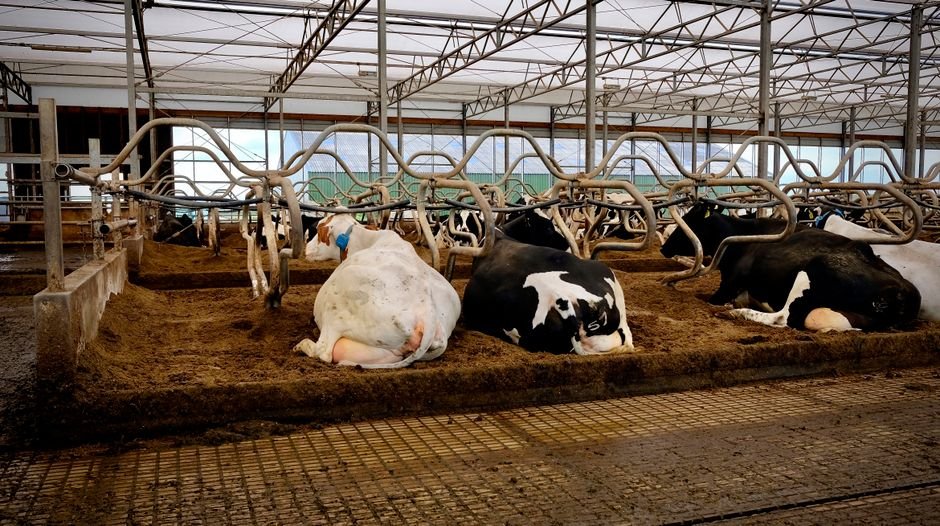
Introduction to Cow Housing and Shelter
Proper housing and shelter for cows are crucial components of modern livestock management. Beyond merely providing a roof, well-designed housing significantly impacts animal health, welfare, and productivity. Across various climates and farming systems—from smallholder farms in India to large-scale dairy operations in the United States—adequate shelter plays a measurable role in optimizing the lives of cattle.
In regions with extreme climatic conditions, the design and materials of cow shelters vary significantly to meet local challenges. For instance, in arid zones of Australia, shelters often incorporate reflective materials and natural ventilation to combat heat, while in mountainous regions of Switzerland, insulated barns with advanced heating systems are used to maintain stable temperatures. Additionally, cultural practices and farm economics influence shelter choices, leading to a diverse range of housing solutions globally.
Moreover, the integration of technology in cow housing, such as automated climate control, real-time monitoring of environmental parameters, and robotic cleaning systems, is becoming increasingly common in high-input farming systems. These technological advancements further enhance the ability to maintain optimal conditions for cows, demonstrating the evolving nature of shelter design that responds dynamically to animal needs and environmental stresses.
Improvement of Animal Health
Protection from Weather Extremes
Cows are susceptible to heat stress, cold stress, and moisture-related illnesses. According to a 2021 study published in the Journal of Dairy Science, dairy cows exposed to temperatures above 25°C (77°F) without shelter showed a 15-20% reduction in milk yield due to heat stress. Proper housing that offers shade and ventilation reduces heat load and helps maintain normal physiological functions.
Heat stress not only decreases milk production but can also impair feed intake and increase the likelihood of metabolic disorders such as ketosis. For example, a comprehensive survey in California revealed that heat-stressed cows consumed 10-15% less dry matter, leading to nutritional deficiencies. To mitigate this, shelters often include features such as evaporative cooling pads, misting systems, and high-velocity fans. These technologies can reduce cow body temperatures by up to 3°C, translating directly into improved feed efficiency and production.
Similarly, in colder climates, shelter protects cows from hypothermia and frostbite. For example, in northern Europe, cows housed in insulated barns experienced 30% fewer respiratory infections during winter compared to those kept in open pastures.
Cold stress increases maintenance energy requirements by up to 20-30%, as cows expend more energy to maintain body temperature. Properly insulated housing reduces feed energy wastage, allowing more nutrients to be directed towards production. In Scandinavian countries, double-wall insulated barns equipped with underfloor heating and windbreaks have improved cow comfort and reduced seasonal mortality rates by nearly 5%.
Additionally, moisture control is critical because wet and muddy environments promote hoof diseases like digital dermatitis and foot rot. Research from Canada shows that cows standing in wet conditions for prolonged periods have a 50% higher incidence of lameness. Well-drained flooring combined with shelter roofs prevents excessive moisture accumulation, directly protecting hoof health.
Reduction of Disease Incidence
Well-maintained shelters reduce exposure to mud, standing water, and manure, which are breeding grounds for pathogens. A 2019 trial in New Zealand found that cows housed on clean, dry bedding had 40% fewer cases of mastitis, a costly udder infection, compared to those kept outdoors without proper shelter.
Mastitis not only reduces milk quality and yield but also results in substantial antibiotic use, raising concerns about antimicrobial resistance. By maintaining a hygienic environment through regular bedding replacement, manure removal, and the use of materials such as sand or sawdust, farms can minimize infection risks. Some farms have adopted teat-dipping protocols combined with improved housing to further reduce mastitis prevalence by up to 60%.
Moreover, shelter design that encourages proper airflow lowers humidity and ammonia levels, minimizing respiratory diseases. The same New Zealand study showed a 25% decrease in respiratory illness rates in cows housed in barns with adequate ventilation systems.
Ammonia concentrations above 10 ppm in barns have been linked to increased susceptibility to respiratory infections. Advanced ventilation systems, including ridge vents and adjustable sidewall curtains, facilitate air exchange tailored to weather conditions, reducing ammonia below harmful thresholds. A study from Denmark found that implementing such ventilation reduced chronic respiratory conditions by 35% and improved overall herd immunity.
In addition to structural elements, biosecurity measures integrated within shelter design—such as footbaths at barn entrances, designated isolation areas for sick animals, and controlled visitor access—play a critical role in preventing disease outbreaks and maintaining herd health.
Enhanced Productivity and Reproductive Performance
Increased Milk Yield
Comfortable cows produce more milk. The International Journal of Biometeorology reported that dairy cows provided with well-ventilated, shaded housing produced up to 10% more milk during summer months compared to those without shelter. This increase is attributed to reduced heat stress and better resting behavior.
Extended lying times facilitated by comfortable bedding and shelter encourage rumination, which directly supports milk synthesis. Research indicates that cows lying down for at least 12 hours per day produce 5-10% more milk than those lying less. Additionally, shelters that optimize temperature and air quality reduce energy expenditure on thermoregulation, allowing more nutrients to be partitioned towards lactation.
For example, in a large-scale dairy farm in New York, implementing a free-stall barn with improved ventilation and cooling fans led to a sustained milk production increase of 1.5 liters per cow per day during peak summer months. The economic impact of this improvement translated into an additional $200,000 in annual revenue for the operation.
Furthermore, improved milk quality, including higher fat and protein content, has been reported in cows housed in optimal conditions. This has downstream benefits for dairy processors and consumers, enhancing product value.
Improved Fertility Rates
Stress negatively impacts reproductive cycles in cows. A study from the University of Wisconsin found that cows housed in stress-minimizing environments, including proper shelter, showed a 12% improvement in conception rates. The controlled environment reduces cortisol levels, which otherwise disrupt hormone balances critical for reproduction.
Heat stress, in particular, has been shown to reduce estrus expression and ovulation rates. For instance, Holstein cows exposed to temperatures above 30°C exhibit up to a 20% drop in pregnancy rates. Shelters equipped with cooling systems that maintain ambient temperatures below this threshold help mitigate this decline.
Moreover, comfortable resting areas and reduced overcrowding decrease physical stress and social competition, which can otherwise delay return to estrus postpartum. A longitudinal study in France demonstrated that cows housed with adequate space and bedding returned to estrus 8 days earlier on average than those in confined, overcrowded conditions. This shorter calving interval improves lifetime productivity and farm profitability.
In addition, modern shelters increasingly incorporate automated estrus detection systems, such as activity monitors and rumination sensors, which can be more effective in well-managed, low-stress environments. This integration enhances reproductive management precision, contributing to better herd fertility outcomes.
Welfare and Behavioral Benefits
Promotion of Natural Behaviors
Good housing provides enough space and bedding for cows to lie down comfortably—an essential behavior for their welfare. The Welfare Quality® assessment protocol recommends at least 1.5 square meters per adult cow for lying space indoors. Cows deprived of adequate shelter often stand for longer periods, leading to hoof problems and lameness.
In addition to lying, proper shelters facilitate other natural behaviors such as grooming, social interaction, and feeding. Providing areas with soft bedding and space to turn around allows cows to express comfort behaviors, which are indicators of positive welfare states. Behavioral studies show that cows with access to comfortable lying areas spend up to 14 hours per day resting, whereas those in poor housing lie down only 8-10 hours.
Furthermore, shelters that include outdoor access or paddocks encourage exploratory behavior and exercise, which contribute to musculoskeletal health and reduce stereotypies (repetitive, abnormal behaviors). Farms implementing “cow gardens” or rotational grazing systems linked with adequate shelter report improved cow movement and reduced incidences of stiffness and joint issues.
Reduction of Stress and Improved Social Interactions
Stress in cattle can be measured by elevated heart rates and behavioral indicators like restlessness. Sheltered environments with comfortable resting areas reduce aggressive behaviors caused by overcrowding or environmental stress. For example, a Dutch research project showed that cows housed in barns with individual cubicles and ample bedding had 30% less agonistic behavior.
Social hierarchy stability is enhanced when cows have sufficient space and predictable resting places. This reduces competition-related injuries and stress-induced immunosuppression. Studies using cortisol metabolites in feces as stress biomarkers indicate that cows in well-designed shelters have 20-25% lower stress hormone levels.
Moreover, environmental enrichment within shelters, such as brushes for grooming and varied flooring textures, has been linked to improved mental well-being and reduced boredom. For instance, cattle provided with mechanical brushes exhibited less restlessness and increased time spent in comfort behaviors, indicating lower stress.
Economic Advantages of Cow Housing
While initial investments in shelter infrastructure can be significant, the long-term economic benefits often outweigh costs.
- Reduced Veterinary Costs: Fewer illness cases translate to lower treatment expenses. For instance, a mid-sized dairy farm in Wisconsin reported savings of $15,000 annually on veterinary bills after upgrading to well-ventilated free-stall barns.
- Higher Production Revenues: Enhanced milk yields and better reproductive rates increase income. A comparative analysis showed dairy farms with modern housing yielded 1,000 liters more milk per cow annually.
- Longevity of Animals: Proper shelter reduces stress and injuries, extending productive lifespans by up to 2 years, which lowers replacement costs.
In addition, improved cow comfort reduces labor costs associated with managing sick or injured animals. Automated cleaning systems and manure handling within modern shelters also reduce manual labor requirements, resulting in operational efficiencies.
Insurance premiums are often lower for farms with high-standard housing because of reduced risks from weather damage and disease outbreaks. For example, farms with storm-resistant barns in hurricane-prone areas of the southern United States have seen a 15% reduction in insurance costs.
Furthermore, consumer demand for ethically sourced dairy and beef products is rising globally. Farms that invest in welfare-friendly housing are better positioned to access premium markets and certifications, such as organic or animal welfare approved labels, which can command higher prices.
Types of Housing and Shelter for Cows
Free-Stall Barns
These barns provide individual resting spaces with mattresses or deep litter, combined with feeding alleys and good ventilation. They are popular in North America and Europe. A study from the Midwest USA showed that free-stall barns reduce lameness incidence by 25% compared to tie-stall systems.
Free-stall designs are continually evolving, with innovations such as flexible neck rails, improved stall dimensions, and comfort mats being incorporated. These changes directly contribute to lowering hock injuries and increasing lying times. For example, a Canadian trial found that free-stalls with extra-wide stalls increased lying times by 1.5 hours per day, improving overall health indicators.
Some free-stall barns integrate robotic milking systems, enabling cows to be milked on their own schedule, which reduces stress and enhances milk yield. Additionally, these barns often feature manure scraping systems or flush lanes, improving hygiene and air quality.
Open Sheds and Shade Structures
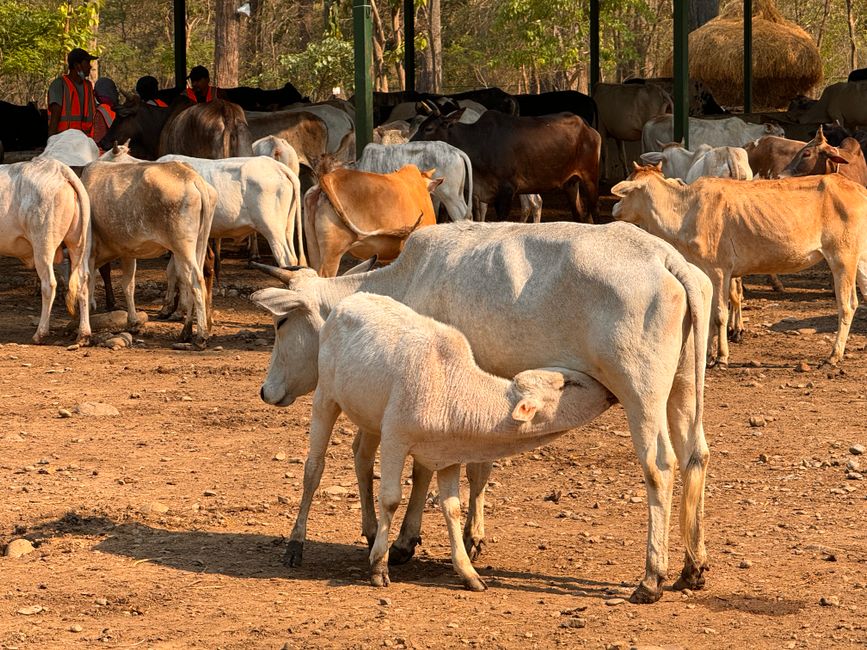
In tropical regions, open-sided sheds with roofs provide shade and airflow without restricting movement. For example, in Brazil’s dairy farms, shade structures reduced heat stress-related mortality by 40% during peak summer months.
Shade structures can be constructed from materials such as corrugated metal, shade cloth, or thatch, each offering different levels of solar radiation reduction and ventilation. Studies in India demonstrated that shade cloth reducing sunlight penetration by 70% effectively lowered rectal temperatures in cows by 1.5°C on hot days.
Open sheds are often combined with water cooling systems, such as sprinklers and misters, enhancing their effectiveness. The strategic orientation of sheds to capture prevailing breezes and minimize exposure to dust and pests is another design consideration in tropical settings.
Traditional Enclosures and Hutches
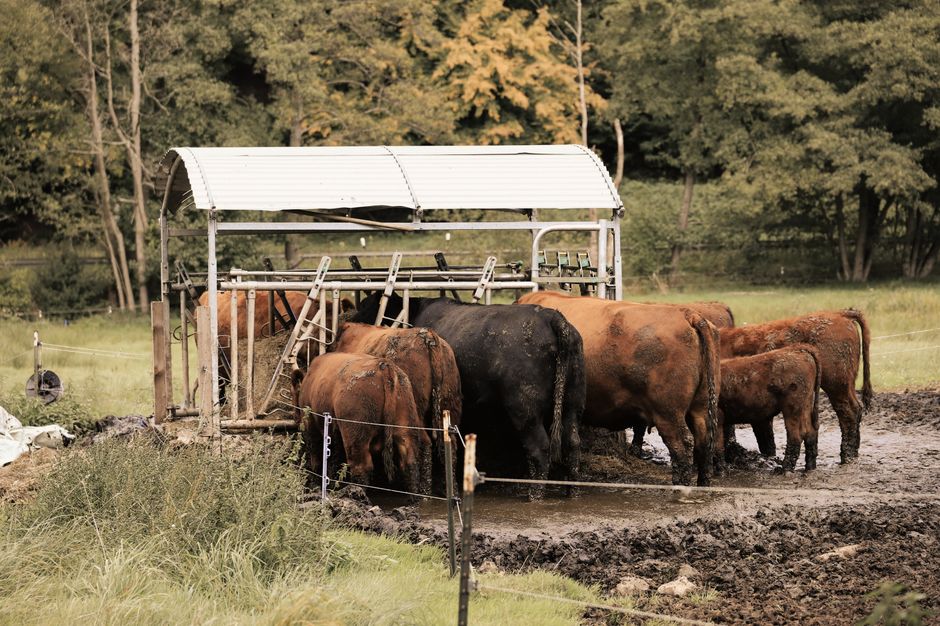
Calves and smaller cattle are often housed in hutches or small enclosures to prevent disease transmission and ensure individualized care. Research from the UK shows that calves housed in well-ventilated hutches had 15% faster weight gain compared to group housing in poorly ventilated barns.
Hutches are usually made from plastic or wood and positioned to maximize sun exposure and drainage. Individual housing minimizes cross-infection risks for young calves, which have underdeveloped immune systems. Moreover, hutches facilitate precise feeding and monitoring, allowing early detection of illness.
Recent studies have explored group hutches or modular pens that balance social interaction with disease prevention. These designs have been associated with better behavioral development and reduced weaning stress.
Key Considerations in Designing Cow Shelter
| Factor | Importance | Recommended Practice |
|---|---|---|
| Space per Cow | Prevents overcrowding and injuries | At least 3.5 m² per adult cow in barns |
| Ventilation | Reduces humidity, ammonia, and pathogens | Cross-ventilation or fans ensuring 4-6 air changes/hour |
| Bedding | Promotes comfort and hygiene | Use deep straw or sand bedding, change regularly |
| Drainage and Cleanliness | Minimizes bacterial load and hoof problems | Sloped floors and frequent manure removal |
| Lighting | Supports normal behavior and productivity | Provide natural and artificial light for 16 hours/day |
Additional factors include noise reduction, as excessive noise can increase stress and disrupt resting patterns. Acoustic design elements, such as insulated walls and strategic barn placement away from traffic or machinery, enhance the shelter environment.
Another key consideration is biosecurity zoning within the shelter design to separate healthy animals from those under treatment, minimizing disease spread. Easy access to feeding and watering points with minimal competition is also vital, which can be achieved by installing multiple feeding stations and automatic waterers.
Conclusion
The benefits of proper housing and shelter for cows are substantial and multifaceted. From safeguarding animal health and enhancing productivity to improving welfare and economic returns, investing in quality shelter infrastructure is a proven strategy for sustainable cattle farming. Across diverse farming systems worldwide, data consistently underscore the positive impacts of well-designed cow housing.
Ultimately, housing is not a luxury but a necessity to meet the biological and behavioral needs of cattle, ensuring both animal well-being and farm profitability.
Future trends in cow housing emphasize sustainability and environmental stewardship, including the use of renewable building materials, energy-efficient designs, and manure management systems that reduce greenhouse gas emissions. As global demand for animal protein grows, combining welfare-centric housing with ecological responsibility will be critical for the long-term viability of the livestock sector.