
What Is Cattle Anatomy and Why Does It Matter?
Cattle anatomy refers to the detailed structural composition of a cow’s body, encompassing its bones, muscles, organs, and external features. This understanding is crucial not only for farmers but also for veterinarians, livestock managers, animal scientists, and enthusiasts. Knowing how the body parts function and interrelate enables better health monitoring, disease prevention, and improved animal welfare. For instance, knowledge about the rumen’s role in digestion allows for diet optimization to promote efficient fermentation and nutrient absorption, thereby increasing feed conversion rates. Similarly, awareness of hoof anatomy helps prevent lameness—a major cause of decreased productivity and welfare issues in cattle. In dairy farming, understanding the udder anatomy is essential for maximizing milk yield while preventing mastitis, a common and costly disease. Overall, cattle anatomy serves as the foundation for informed animal husbandry, disease diagnosis, and breeding strategies that contribute to sustainable livestock production.
Major External Anatomical Features of Cattle
Recognizing the external parts of cattle is fundamental for routine care, health assessment, and breed identification. Each feature has specific functions and indicators of well-being or distress:
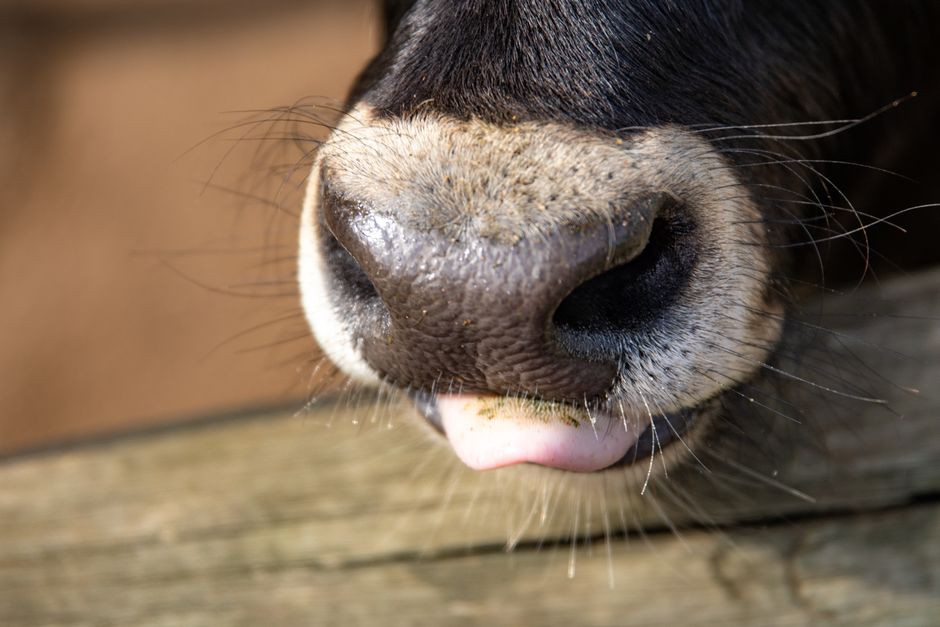
- Head: The head houses critical sensory organs—eyes, ears, nostrils—and the muzzle, which is highly sensitive. The muzzle’s tactile receptors assist cattle in grazing selectivity, allowing them to pick nutritious plants while avoiding harmful ones. Additionally, the mouth houses specialized teeth adapted for grinding fibrous material; cattle lack upper front teeth but have a tough dental pad to assist in grazing.
- Neck: Beyond connecting the head to the body, the neck contains powerful muscles such as the brachiocephalicus and sternocephalicus that facilitate head movement for grazing, drinking, and social interactions like grooming. The neck also houses important blood vessels and the esophagus.
- Withers: This bony prominence at the top of the shoulders serves as a key reference point for measuring the height of cattle. The withers’ height is often used to assess growth rates and breed standards. Additionally, the prominence of the withers can indicate body condition and muscle development.
- Back and Loin: The back supports the spine and serves as an anchor for major muscle groups involved in locomotion and posture. The loin, situated posteriorly, is a vital area evaluated in beef cattle for meat quality, as this section contains valuable cuts such as the tenderloin and sirloin.
- Ribs and Barrel: The ribs curve around the thoracic cavity, offering protection to vital organs like the heart and lungs. The barrel—referring to the midsection—reflects overall body capacity and feed intake ability. A well-developed barrel is desirable in both beef and dairy cattle for efficient digestion and metabolic function.
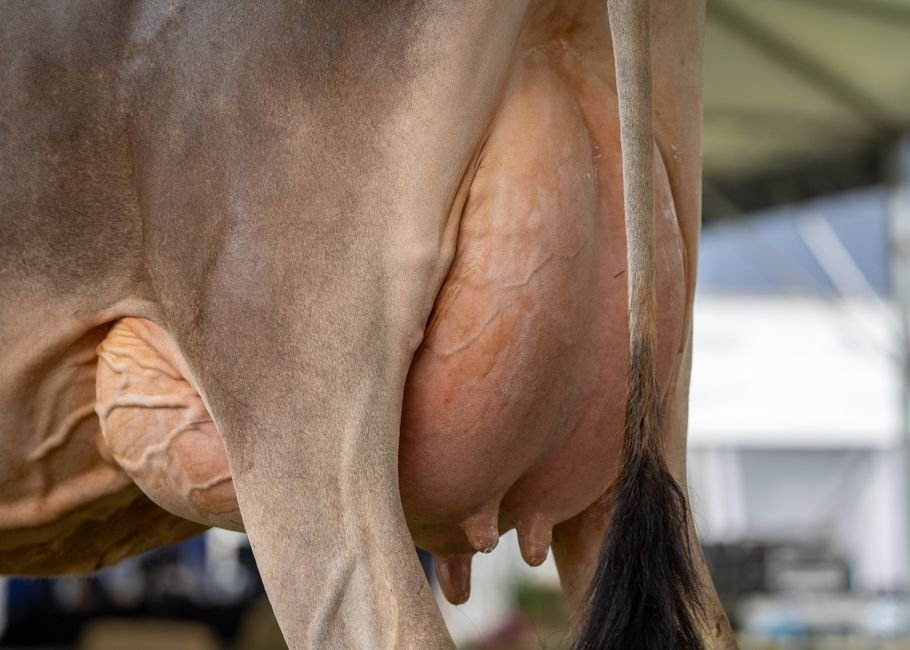
- Udder or Scrotum: Female cattle possess udders composed of four quarters, each with a teat. The udder’s size, shape, and teat placement can vary by breed and influence milking efficiency and udder health. In males, the scrotum houses the testes and plays a critical role in thermoregulation to maintain optimal sperm production.
- Tail: The tail is multifunctional, primarily used for swatting flies and other insects, which can cause irritation and transmit diseases. It also aids in balance when the animal moves over uneven terrain. Tail docking, sometimes practiced in certain regions, is controversial and discouraged due to welfare concerns.
- Legs and Hooves: The legs support the entire body weight and enable movement, with joints such as the fetlock, pastern, and hock providing flexibility. Hooves are made of keratin and require regular care to prevent overgrowth, cracks, and infections like foot rot. Proper hoof health is essential for mobility and overall productivity, as lameness can lead to reduced feed intake and reproductive issues.
Skeleton and Muscular System: Framework and Movement
The bovine skeleton, composed of approximately 207 bones depending on breed and individual variation, provides the essential framework that supports the body, protects internal organs, and facilitates movement. Key skeletal components include:
- Skull: Beyond protecting the brain, the skull supports specialized structures such as the sinuses and the horns (if present). Horns, depending on breed and sex, can serve defensive and social purposes. The dental structure within the skull is adapted for grinding fibrous material efficiently.
- Scapula (Shoulder Blade): This flat bone articulates with the humerus and clavicle (vestigial in cattle) to allow shoulder movement. The scapula also serves as an attachment point for large muscles such as the trapezius and deltoid, essential for forelimb movement and strength during grazing and locomotion.
- Pelvis: A robust bony structure that supports the hindquarters and forms the birth canal in females. Its conformation significantly affects calving ease and fertility. The pelvis also anchors powerful muscles like the gluteals, which are critical for locomotion.
- Femur and Tibia: These long bones in the hind limbs are crucial for weight bearing and movement. The femur connects to the pelvis at the hip joint, while the tibia forms the main bone of the lower leg. Their strength and alignment are important in preventing lameness and joint disorders.
The muscular system in cattle is highly specialized. Muscles such as the longissimus dorsi along the spine contribute significantly to meat yield in beef breeds. The Belgian Blue breed, for example, carries a mutation in the myostatin gene, which normally inhibits muscle growth. This mutation leads to “double muscling,” with significantly increased muscle fiber numbers and size, resulting in enhanced meat production but also challenges such as calving difficulties. Conversely, dairy breeds like Holsteins prioritize lean musculature to accommodate large digestive organs and lactation demands, emphasizing energy metabolism over brute strength.
Muscle fiber types also vary, with oxidative fibers predominant in endurance muscles for sustained activity like standing and grazing, while glycolytic fibers contribute to bursts of movement or escape from danger. Understanding these differences helps optimize nutrition and exercise to maintain healthy musculature across different cattle types.
Digestive System: Specialized for Fiber Digestion
Cattle are ruminants, meaning their digestive system is uniquely adapted to break down cellulose-rich plant material through a process of microbial fermentation. The four-compartment stomach is a marvel of evolutionary adaptation:
For more on this, see our related guide: Proven Tips to Reduce Weaning Stress in Calves During Hot Weather.
- Rumen: The largest compartment, holding up to 50 gallons in adult cattle, acts as a fermentation vat. It hosts a diverse population of bacteria, protozoa, and fungi that break down cellulose and hemicellulose into volatile fatty acids such as acetate, propionate, and butyrate. These fatty acids provide up to 70% of the animal’s energy requirements. Rumen function is sensitive to diet changes; sudden introduction of high-grain feeds can cause acidosis, a dangerous drop in rumen pH.
- Reticulum: Located adjacent to the rumen, the reticulum has a honeycomb lining that traps foreign objects like nails or wire that cattle might ingest accidentally. This prevents potential internal injuries, although hardware disease can occur if sharp objects puncture the reticulum wall. Farmers often provide magnets to cattle to trap metal objects safely.
- Omasum: Known as the “manyplies” due to its numerous folds, the omasum absorbs water, electrolytes, and some nutrients from the digesta. It acts as a filter, regulating the flow of partially digested feed to the abomasum and ensures efficient nutrient absorption.
- Abomasum: The “true stomach,” functioning similarly to monogastric animals’ stomachs, secretes hydrochloric acid and digestive enzymes like pepsin. This compartment breaks down proteins and kills microbes from the rumen, making their nutrient content available for absorption later in the intestines.
Beyond the stomach, the small and large intestines absorb nutrients and water, with the cecum aiding in fermenting any residual fiber. The complex digestive system allows cattle to utilize low-quality forages, making them essential for converting grasslands into nutritious protein for human consumption. Understanding digestive anatomy also informs feeding strategies, such as providing adequate effective fiber to maintain rumen motility and prevent disorders like bloat.
Respiratory and Circulatory Systems: Supporting Life and Activity
Cattle’s respiratory system begins at the nostrils and nasal cavity, which warm and filter incoming air. The trachea carries air to the lungs, where gas exchange occurs. The average resting respiration rate is 26–50 breaths per minute but can increase substantially during heat stress or physical exertion. Efficient respiration is critical for maintaining oxygen supply to muscles and organs, especially in hot climates where heat dissipation through panting is limited compared to species like dogs.
The circulatory system features a four-chambered heart weighing approximately 3.5 pounds in mature cows. The heart’s right side receives deoxygenated blood from the body and sends it to the lungs, while the left side pumps oxygen-rich blood throughout the tissues. A healthy cardiovascular system supports high metabolic demands during lactation, growth, and physical activity. For example, during peak lactation, blood flow to the udder increases dramatically to supply necessary nutrients for milk synthesis. Cardiovascular health is also critical in managing conditions such as brisket disease, a high-altitude pulmonary hypertension affecting cattle raised in mountainous regions.
Reproductive Anatomy: Differences Between Bulls and Cows
Cattle reproductive anatomy varies distinctly between sexes, reflecting their roles in reproduction and herd sustainability:
| Feature | Cow (Female) | Bull (Male) |
|---|---|---|
| Primary Organs | Ovaries producing eggs and hormones; uterus for gestation; cervix as a protective barrier; vagina and vulva for copulation and birth. | Testes producing sperm and testosterone; epididymis for sperm maturation; penis for insemination; accessory glands (seminal vesicles, prostate, bulbourethral glands) producing seminal fluids. |
| Reproductive Function | Gestation period averages 283 days; post-calving, the mammary glands (udder) produce milk to nourish calves. Estrous cycles regulate fertility, typically occurring every 21 days if not pregnant. | Produces and delivers viable sperm during mating. Bulls’ libido and semen quality are critical for successful herd breeding programs. Testicular size correlates with fertility. |
| External Characteristics | Udder with four teats; size and attachment quality affect milking efficiency and mastitis susceptibility. | Scrotum with two testicles; scrotal circumference is used as an indicator for breeding soundness. |
In addition to the basic anatomy, reproductive health monitoring includes palpation of the uterus and ovaries via rectal examination, ultrasound imaging, and hormonal assays. Bulls undergo breeding soundness evaluations that assess physical conformation, semen quality, and mating ability. Understanding these anatomical and physiological details allows for improved reproductive management, genetic selection, and herd productivity.
The Nervous System and Senses: How Cattle Perceive Their Environment
Cattle have a highly developed nervous system that integrates sensory inputs and coordinates behavior:
If you’re also looking into this, our article on Can Cows Eat Watermelon? How to Safely Feed Cull Fruit to Your Herd covers it in more detail.
- Vision: Cattle possess panoramic vision, with nearly 330 degrees of sight due to the lateral placement of their eyes. This wide field helps detect predators but results in limited binocular vision and depth perception, which can make cattle cautious on uneven terrain or when approaching obstacles. They are more sensitive to movement than to color, although they can distinguish some colors like blue and green.
- Hearing: Cattle hear frequencies from approximately 23 Hz up to 35 kHz, exceeding the human upper limit of 20 kHz. This acute hearing allows them to detect distant or subtle sounds, such as the approach of predators or calls from conspecifics, and contributes to their social behaviors and stress responses.
- Olfaction (Smell): The olfactory system is highly developed, aiding in feed selection, social recognition, mother-calf bonding, and detecting pheromones during estrus. Cattle can also detect spoiled feed or environmental hazards by smell.
- Touch and Taste: The muzzle has a high density of tactile receptors, enabling sensitive exploration of the environment. Taste receptors help cattle discern palatable from unpalatable plants, influencing grazing behavior.
- Nervous System Function: The central and peripheral nervous systems coordinate voluntary movements like walking and grazing, as well as involuntary reflexes such as kicking or withdrawing from pain. This coordination is essential for survival, social interaction, and responding to environmental challenges.
Breed Differences That Affect Anatomy
Cattle breeds have been selectively developed over centuries to emphasize traits aligned with specific production goals, resulting in notable anatomical differences:
- Beef breeds (e.g., Angus, Hereford, Charolais): Characterized by heavy muscling, broad chests, and thicker bones to maximize meat yield. These breeds typically display a more compact body shape with a strong skeletal framework to support muscle mass. The conformation of their hindquarters and shoulders is crucial for evaluating carcass quality. Some beef breeds also have genetic predispositions toward certain traits, such as the marbling of meat in Angus cattle.
- Dairy breeds (e.g., Holstein, Jersey, Guernsey): These have leaner frames with larger digestive organs and notably larger udders designed to support high milk production. Dairy cows tend to have more angular bodies with less muscling compared to beef breeds, and their skeletal structures are adapted to support the weight of the udder. Bone density may be lower to allocate more energy toward lactogenesis. Jersey cows are smaller but produce milk with higher butterfat content, which relates to differences in metabolic activity and mammary gland anatomy.
- Dual-purpose breeds (e.g., Shorthorn, Simmental): These have intermediate features balancing muscling and udder capacity to produce both meat and milk efficiently. Their anatomical traits allow them to adapt to a wide range of environments and management systems.
Such anatomical distinctions influence nutrition management (e.g., energy requirements), housing design (space allowances), and veterinary care (predispositions to metabolic or musculoskeletal disorders). For example, dairy breeds require more dietary calcium and phosphorus to support milk synthesis, while beef breeds may need more protein to encourage muscle growth.
How to Use Anatomical Knowledge on the Farm
Practical application of cattle anatomical knowledge enhances farm operations and animal welfare:

- Blood Sampling and Medication: Knowing the location of the jugular vein, which runs along the neck beneath the skin, allows farmers and veterinarians to collect blood samples or administer intravenous medications safely and efficiently. Proper technique minimizes stress and injury to the animal.
- Hoof Care: Understanding hoof anatomy, including the wall, sole, frog, and heel, guides routine trimming to maintain correct hoof shape and balance. This prevents common problems such as overgrown hooves, sole ulcers, and laminitis, which can cause lameness and reduced productivity.
- Milking Hygiene: Awareness of udder anatomy, including teat canal structure and milk cisterns, informs practices that reduce mastitis risk, such as pre- and post-milking teat disinfection and correct milking machine settings. Early detection of swelling, heat, or hardness in any quarter can prompt timely treatment.
- Health Monitoring: Recognizing abnormal swelling, posture changes, or gait irregularities in different body regions helps detect conditions such as joint infections, abscesses, or neurological disorders. For example, swelling near the reticulum may indicate hardware disease, while limping on a specific leg could signal a hoof abscess.
- Handling and Restraint: Knowing muscle groups and skeletal points helps handlers apply pressure safely during restraint or movement. For example, applying pressure near the poll or behind the ears can encourage a cow to move, minimizing stress and injury.
Overall, anatomical knowledge supports proactive management that enhances cattle health, productivity, and welfare, reducing economic losses and improving farm sustainability.
Summary Table of Key Cattle Anatomical Terms
| Term | Location | Function |
|---|---|---|
| Rumen | Stomach, largest compartment | Ferments fibrous feed |
| Withers | Top of shoulders | Height measurement point |
| Udder | Lower abdomen (female) | Milk production |
| Hooves | Feet | Support and movement |
| Scrotum | Between hind legs (male) | Protects testes |
| Omasum | Stomach, third compartment | Absorbs water and nutrients |
Frequently Asked Questions
What is the main function of the rumen in cattle?
The rumen’s primary function is to act as a fermentation chamber where a complex community of microbes breaks down fibrous plant materials such as cellulose and hemicellulose into volatile fatty acids (VFAs), which the cow then uses as a main energy source. This microbial fermentation also produces gases like methane and carbon dioxide, which cattle expel through belching. Maintaining rumen health through balanced feeding is essential to optimize fermentation efficiency and prevent digestive disorders such as bloat and acidosis.
This ties in closely with Expert Guide: How to Care for Highland Cattle for Health and Productivity, worth a look if you want to go deeper.
How does cattle anatomy differ between beef and dairy breeds?
Beef breeds have well-developed musculature with thicker bones and broader frames to support greater muscle mass for meat production. Their skeletal structure is robust to withstand heavy weight and physical activity. In contrast, dairy breeds tend to have leaner bodies with larger digestive systems and udders adapted for high-volume milk production. Their skeletal bones are often finer, and the udder anatomy supports optimal milk extraction and health. These morphological differences influence feeding, housing, and healthcare strategies to meet the animals’ specific production needs.
Why is understanding the udder important for cattle management?
Knowing the udder’s anatomy helps farmers implement effective milking routines that minimize mastitis risk by ensuring proper teat sanitation and correct milking machine function. Recognizing signs of inflammation or abnormal milk secretion can prompt early veterinary intervention, reducing production losses and animal suffering. Additionally, udder conformation influences ease of milking and overall milk yield, which are critical for dairy farm profitability.
How can knowledge of cattle leg anatomy prevent lameness?
Understanding the structure of joints, tendons, ligaments, and hooves enables timely identification of injuries or infections such as sole ulcers, laminitis, and arthritis. Correct hoof trimming based on anatomical landmarks helps maintain proper weight distribution and joint alignment, preventing excessive strain and lameness. Early detection and management of leg problems reduce economic losses from decreased feed intake, fertility, and milk yield, as well as improve cattle welfare.
What sensory capabilities do cattle have that impact their behavior?
Cattle’s panoramic vision allows them to detect threats from almost all directions, influencing their flight zone and ease of handling. Their sensitive hearing enables recognition of vocal cues from herd members and alerts to predators. A keen sense of smell aids in forage selection, social bonding, and detecting estrus pheromones. Collectively, these sensory abilities shape cattle’s social behavior, stress responses, and environmental adaptations, informing handling practices that reduce fear and agitation.