
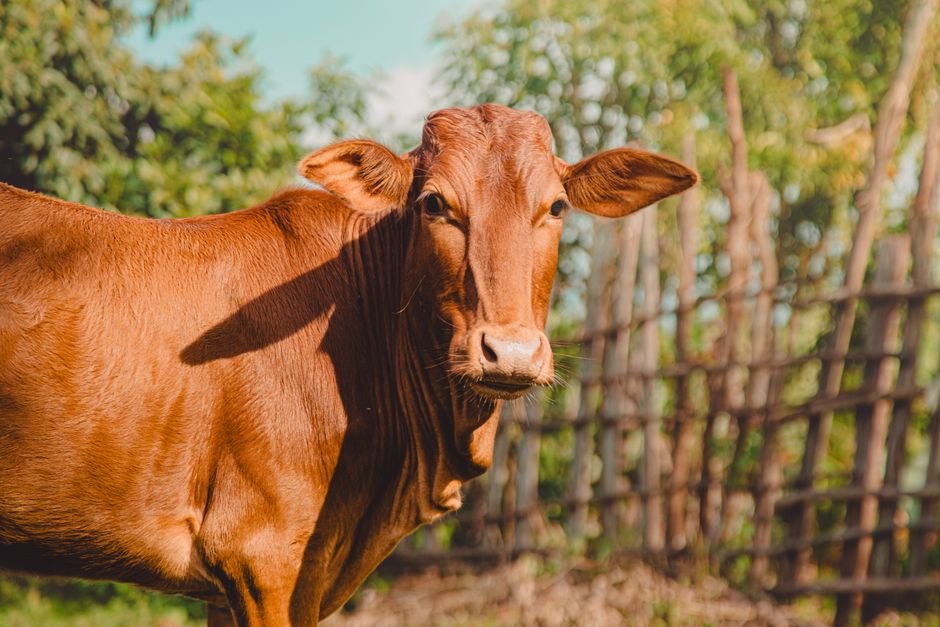
What Are Zebu Cattle?
Zebu cattle, scientifically known as Bos indicus, are a distinct type of domestic cattle characterized by a prominent hump over their shoulders, drooping ears, and a large dewlap. They are adapted to hot, arid climates and are primarily raised in South Asia, Africa, and parts of South America. Unlike taurine cattle (Bos taurus), zebus possess heat tolerance, parasite resistance, and drought endurance, making them vital in tropical and subtropical livestock systems.
One of the defining aspects of zebu cattle is their evolutionary adaptation to some of the harshest environmental conditions on Earth, including extreme heat, limited water availability, and disease pressures from parasites. These adaptations not only make zebus resilient survivors but also enable them to convert low-quality forage into valuable products such as meat, milk, and draft power. Their unique physiology has made them a cornerstone of rural economies in many developing countries, where conventional European cattle breeds fail to thrive.
Zebus also have cultural and religious significance in many societies, particularly in India where they are often revered and protected. This adds an additional layer of importance beyond their agricultural value, influencing conservation efforts and breeding programs.
Origins and Distribution of Zebu Cattle
Zebu cattle originated in the Indian subcontinent thousands of years ago and represent one of the oldest domesticated cattle lineages. Their ancestors adapted naturally to the region’s harsh climates, leading to traits that favor survival in heat and sparse grazing conditions. Evidence from archaeological sites and genetic studies suggests that zebus were domesticated approximately 8,000 to 10,000 years ago, making them contemporaries of some of the earliest human agricultural endeavors.
Today, zebus are widespread in India, Pakistan, Bangladesh, and extend into parts of Africa, particularly East Africa, and South America through importation and crossbreeding programs. In Africa, zebus are integral to pastoralist communities such as the Maasai in Kenya and Tanzania, who rely on them for livelihood and cultural identity. The introduction of zebus into the Americas began during the colonial period but expanded significantly during the 20th century, especially in Brazil, where the Nelore breed has become dominant. Brazil now raises more than 170 million head of cattle, with zebus and their crosses accounting for a substantial majority of that population.
In Southeast Asia, countries like Myanmar, Thailand, and Indonesia have also integrated zebus into their traditional farming systems, adapting the animals to local ecological and cultural conditions. This wide distribution highlights the versatility and importance of zebus in global livestock agriculture.
Distinctive Physical Characteristics of Zebu
Zebu cattle display several recognizable traits that set them apart from other cattle breeds:
- Hump: The large, fatty hump over their shoulders stores energy and helps with thermoregulation. This fat reserve can be mobilized during periods of scarcity, similar to the humps of camels. The hump’s vascular structure also aids in dissipating heat, making the animal more comfortable in high temperatures.
- Dewlap: A loose flap of skin under the neck increases surface area for heat dissipation. In some breeds, the dewlap can be quite pronounced and is believed to play a role in cooling the blood as it circulates close to the skin surface.
- Drooping ears: Their ears are pendulous, which is thought to aid in cooling. The larger surface area and increased blood flow to the ears help in releasing excess body heat, a critical adaptation in hot climates.
- Heat tolerance: Their skin has fewer sweat glands but darker pigmentation and a thick coat helps protect against sunburn and insects. Melanin in their skin serves as a natural sunscreen, while the dense hair coat acts as a physical barrier against biting flies and other pests.
- Resistance to parasites: Zebus generally show greater resilience to tick infestations and endemic diseases common in tropical environments. Their grooming behavior, thicker skin, and immune adaptations reduce the impact of parasites that often debilitate other cattle breeds.
Additional physiological traits include a lower basal metabolic rate compared to taurine cattle, which reduces internal heat generation. Their smaller sweat glands are compensated by behavioral adaptations such as seeking shade and increased respiration rates. Moreover, the anatomy of their lungs and heart supports efficient oxygen exchange under heat stress, allowing them to maintain productivity where other breeds might falter.
Popular Breeds of Zebu Cattle
Several well-known breeds fall under the zebu classification, each adapted to particular regional conditions and uses:
| Breed | Primary Region | Purpose | Notable Traits |
|---|---|---|---|
| Gir | India (Gujarat) | Dairy | High milk yield, heat tolerant, docile temperament |
| Nellore | India (Andhra Pradesh), Brazil | Beef | High adaptability, fast growth, disease resistance |
| Brahman | United States (developed from Indian zebus) | Beef, draft | Excellent heat and insect resistance, muscular build |
| Sahiwal | India, Pakistan | Dairy | High milk production, tick resistant, robust |
| Red Sindhi | Pakistan, India | Dairy | High heat tolerance, good milk yields, hardy |
To elaborate further, the Gir breed is renowned not only for its milk yield but also for the high butterfat content, making its milk particularly suitable for traditional dairy products like ghee and yogurt. The Gir has also contributed genetics to many crossbreeding programs aimed at improving tropical dairy cattle.
The Nellore breed is notable for its rapid weight gain and ability to thrive on low-quality forage, making it a dominant beef breed in Brazil, where it represents roughly 80% of the national herd. Its tolerance to tick-borne diseases and adaptability to the cerrado biome’s seasonal droughts have made it a model for sustainable tropical beef production.
Brahman cattle, developed in the United States from Indian zebu breeds such as Kankrej, Guzerat, and Gir, have been widely incorporated into commercial beef herds. They are prized for their muscular conformation and resistance to heat stress and parasites, which has allowed the beef industry in the southern U.S. to flourish despite the region’s climate challenges.
Sahiwal
For more on this, see our related guide: Proven Tips to Reduce Weaning Stress in Calves During Hot Weather.
Red Sindhi
Why Zebu Cattle Matter in Tropical Agriculture
Zebus play a crucial role in livestock production under tropical and subtropical conditions, where other cattle breeds often struggle. Their innate heat tolerance allows them to graze and perform efficiently in environments with high temperatures and sunlight exposure that would stress European taurine breeds. Additionally, their resistance to parasites like ticks reduces the need for chemical treatments, which lowers production costs and environmental impact.
In regions such as India and parts of Africa, zebus also serve multi-purpose roles beyond meat or milk, including draft power for plowing fields and transport. Their adaptability to low-quality forage and drought conditions makes them indispensable for smallholder farmers and pastoral communities who often face variable climate challenges.

These cattle also contribute to food security in vulnerable regions. For example, in East Africa, zebu cattle represent a significant asset for pastoralist livelihoods, providing a buffer against economic shocks and environmental variability. Studies have shown that zebu herds are less prone to catastrophic losses during drought years compared to taurine cattle, ensuring a steady supply of milk and meat.
Moreover, zebus contribute to sustainable agricultural systems by facilitating nutrient cycling and soil fertility through their grazing patterns and manure production. Their ability to utilize marginal lands unsuitable for crop production reduces pressure on arable land, an important consideration as global populations grow and agricultural land becomes scarcer.
Zebus also support biodiversity by maintaining traditional grazing ecosystems that promote a range of flora and fauna. Their selective grazing helps control invasive plant species and promotes the growth of native grasses, contributing to ecosystem health in many tropical rangelands.
Zebu Cattle in Crossbreeding Programs
Modern livestock breeding increasingly leverages zebu genetics to improve heat and disease tolerance in other cattle breeds. Crossbreeding between zebus and European taurine cattle (Bos taurus) is common in the Americas, Australia, and parts of Africa to produce hybrids that combine the productivity of taurine breeds with the hardiness of zebus.
For example, the Brahman breed in the United States arose from crosses of Indian zebu cattle with European breeds and is widely used in beef production. Similarly, Brazil’s Nelore breed is a zebu that has been selectively bred to optimize both beef quality and environmental resilience, becoming the backbone of Brazil’s large-scale beef industry.
Crossbreeding offers a way to address the limitations of both types: taurine cattle often excel in growth rates and milk yield but struggle under heat stress and parasite pressure, while zebus provide resilience but may lack the higher production traits desired in commercial systems. A popular hybrid is the Santa Gertrudis breed, developed in Texas, which combines 5/8 taurine and 3/8 zebu genetics, yielding animals that perform well in hot climates with improved growth and carcass traits.
In Australia, the introduction of Brahman genetics into beef herds has allowed for expansion into northern tropical regions where European breeds could not previously be raised profitably. Similarly, in Africa, crossbreeding programs aim to improve local taurine breeds by infusing zebu traits to enhance survival under climate change pressures.
Genomic research is increasingly applied to crossbreeding strategies, enabling breeders to select animals with optimal genetic combinations for heat tolerance, disease resistance, and production traits. This precision breeding holds promise for developing cattle populations tailored to specific environments and production goals.
If you’re also looking into this, our article on Can Cows Eat Watermelon? How to Safely Feed Cull Fruit to Your Herd covers it in more detail.
Care and Management of Zebu Cattle
Managing zebu cattle involves strategies tailored to their unique physiology and environmental adaptations. Unlike taurine breeds, zebus require less intensive cooling methods due to their natural heat tolerance but still benefit from shade and access to clean water. Their tick and parasite resistance reduces but does not eliminate the need for regular health monitoring and vaccinations.
Feeding zebus typically involves grazing on native tropical forage, supplemented with mineral blocks to address potential nutrient deficiencies common in tropical soils. Because of their resilience, zebus can maintain body condition on lower-quality feed compared to European breeds, which helps farmers reduce feeding costs during dry seasons.
Effective herd management also includes rotational grazing practices to prevent overgrazing and allow pasture regeneration, which is critical in fragile tropical ecosystems. Access to water points, especially during dry spells, must be carefully planned to avoid stress and maintain productivity.
Reproductive management in zebus often takes into account their reproductive seasonality and relatively longer calving intervals compared to taurine breeds. Assisted reproductive technologies, such as artificial insemination and embryo transfer, have been successfully adapted to some zebu breeds, enhancing genetic improvement programs. However, these technologies require infrastructure and training that may be limited in smallholder settings.
Health management emphasizes parasite control through integrated approaches, including environmental management, biological control agents, and strategic use of acaricides. Vaccination programs target endemic diseases like rinderpest (now eradicated), peste des petits ruminants (PPR), and foot-and-mouth disease to protect herd health.
Welfare considerations recognize the importance of providing adequate shade, clean water, and minimizing heat and stress exposure, especially during periods of extreme weather. Traditional knowledge combined with modern husbandry practices often yields the best results in managing zebu cattle effectively.
Challenges and Considerations When Raising Zebus
While zebus excel in hot climates, they generally produce less milk and beef compared to specialized taurine breeds under optimal temperate conditions. Farmers aiming for maximum production in cooler, well-managed environments might prefer taurine or crossbred cattle.
Additionally, some zebu breeds have slower growth rates and smaller mature sizes, which can impact profitability in commercial systems focused on rapid turnover. Breeders must balance these factors against the benefits of disease resistance and environmental adaptability when selecting cattle for their operations.

Another challenge is the variability in milk composition and yield among different zebu breeds, which may not meet industrial dairy processing requirements in some cases. For example, fat and protein percentages in zebu milk tend to be higher but overall volume lower compared to Holstein-Friesian cattle, affecting cheese yield and processing efficiency.
Genetic diversity within zebu populations is also a concern, as some traditional breeds face erosion due to crossbreeding and changing agricultural practices. Conservation of purebred lines is essential to maintaining valuable genetic resources that could be critical in future breeding efforts, especially under changing climate scenarios.
Moreover, market preferences can limit the value of zebu beef in some regions, where consumers favor leaner meat from taurine breeds. Overcoming these market barriers may require targeted breeding to improve carcass quality and marketing efforts that highlight the sustainability and resilience aspects of zebu beef.
Infrastructure limitations, such as access to veterinary services, controlled breeding programs, and feed supplementation, can also restrict the productivity of zebu herds, particularly in remote or resource-poor areas.
This ties in closely with The Ultimate Cattle Farm Checklist for Starting a Small Herd, worth a look if you want to go deeper.
Frequently Asked Questions
Are zebu cattle good for dairy production?
Yes, certain zebu breeds like Gir, Sahiwal, and Red Sindhi are highly valued for dairy in tropical regions. They produce moderate to high milk yields with good fat content and are more heat and parasite tolerant than European dairy breeds. For instance, Gir cows can produce 2,000 to 3,000 liters of milk per lactation under optimal conditions, with butterfat content ranging between 4% and 5%, which is higher than many taurine breeds.
These breeds are particularly suitable to smallholder dairy systems where feed resources are limited and management is less intensive. Their adaptability allows for consistent milk production during dry seasons when other breeds might suffer significant yield declines.
How do zebu cattle differ from European cattle?
Zebus (Bos indicus) are adapted to hot, dry climates with distinctive physical traits such as a shoulder hump, drooping ears, and loose skin. European cattle (Bos taurus) tend to have higher productivity in cooler climates but lack the heat tolerance and parasite resistance of zebus. Additionally, taurine cattle often have faster growth rates and higher milk yields under optimal management and temperate conditions.
Behaviorally, zebus often exhibit more docile temperaments, which can be advantageous for handling in extensive systems. However, their reproductive cycles may differ, with zebus sometimes having longer calving intervals compared to taurine breeds.
Can zebu cattle handle cold weather?
Zebus are not well suited for cold climates due to their thin coats and physiology adapted for heat dissipation. In colder areas, crossbreeding with taurine cattle is common to improve cold tolerance while retaining some heat resilience. Purebred zebus may suffer from frostbite, respiratory diseases, and decreased productivity in cold, damp environments.
Management practices to mitigate cold stress in zebus include providing shelter, extra feed to maintain body condition, and selecting crossbreed genotypes better suited for variable climates.
What diseases are zebu cattle resistant to?
Zebus show increased resistance to tropical parasites such as ticks and tick-borne diseases like babesiosis and anaplasmosis. They also tend to be less susceptible to heat stress-related illnesses common in tropical livestock. Their immune systems have evolved to cope with endemic pathogens such as trypanosomiasis in Africa, although resistance varies among breeds and individuals.
However, resistance does not mean immunity, so zebus still require preventive health care and disease management to maintain productivity.
Why are zebus important in global beef production?
Zebus contribute significantly to beef production in tropical countries because their hardiness reduces mortality and veterinary costs. Breeds like the Nelore dominate Brazil’s beef industry, supporting large-scale, sustainable meat production under challenging environmental conditions. For example, Brazil is the world’s largest exporter of beef, with Nelore cattle playing a pivotal role in this achievement due to their adaptability and feed efficiency.
Their ability to thrive on marginal lands with seasonal droughts allows the expansion of beef production without competing directly with crop agriculture. This makes zebus essential to meeting rising global demand for animal protein in emerging economies while managing environmental constraints.