
Introduction to Farm Setup Disadvantages
Setting up a farm is often romanticized as a fulfilling venture—connecting with nature, producing food, and building a sustainable business. However, the reality is far more complex. While farms can provide livelihoods and contribute to food security, the process of establishing one involves significant challenges that can jeopardize success. This article explores the disadvantages of farm setup in detail, focusing on financial, operational, environmental, and logistical factors that prospective farmers must consider.
High Initial Capital Investment
One of the most immediate and daunting disadvantages of farm setup is the substantial upfront capital required. Unlike many small businesses, farms require investment in land, infrastructure, equipment, and livestock—all of which can quickly run into hundreds of thousands of dollars, depending on scale and location.
For example, purchasing one acre of farmland in the United States averages around $4,100 as of 2023, but this can be much higher in prime agricultural areas. Additionally, setting up essential infrastructure such as irrigation systems, fencing, barns, and machinery like tractors can cost between $50,000 and $200,000 or more.
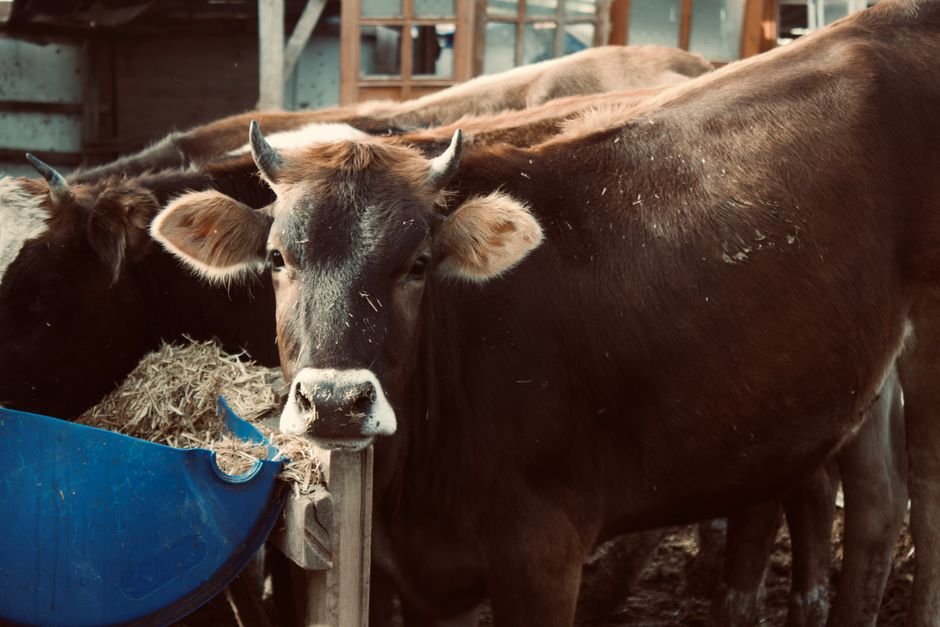
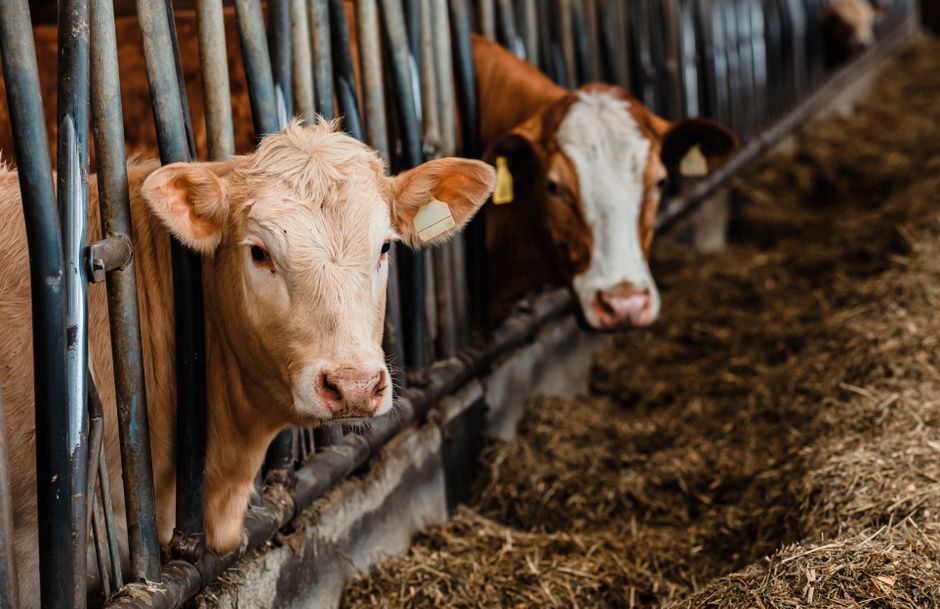
Livestock farms, particularly cattle farms, include the cost of animals (heifers, bulls, or milking cows), veterinary care, feeding equipment, and shelters. A single dairy cow can cost between $1,200 and $2,500, meaning a modest herd of 50 cows may cost upward of $100,000 before operations even begin.
Operational Complexity and Labor Intensity
Farm setup involves intricate planning and continuous management. Unlike setting up a retail business or office, farms operate in unpredictable environments dependent on weather, soil conditions, and biological cycles. This adds layers of complexity to every decision.
Farms also demand intensive labor. Tasks such as soil preparation, planting, animal care, pest management, and harvest require skilled hands and consistent attention. Labor costs are therefore a major disadvantage, with many farms spending 30-50% of operational budgets on wages alone.
Moreover, labor shortages in rural areas exacerbate this problem. According to the USDA, 40% of American farms report difficulty finding qualified labor, which can lead to increased costs for training or the need to invest in labor-saving technology—another capital expense.
For more on this, see our related guide: Mastering Cattle Behavior and Handling for Safer, More Efficient Farming.
Environmental and Regulatory Challenges
Farm setup is not just a financial or operational issue; it also carries significant environmental responsibilities and regulatory burdens. Modern farms must comply with environmental regulations designed to protect soil, water, and ecosystems.
For example, improper waste management in livestock farms can lead to nutrient runoff, causing water pollution and algal blooms. Regulatory agencies often require costly waste storage facilities and runoff control measures to mitigate these effects.
Furthermore, environmental impact assessments and permits may delay farm establishment. Regulations vary by region, but in the European Union, for instance, farmers must comply with the Nitrates Directive aimed at reducing water pollution from agriculture.
Table: Examples of Environmental Regulations Affecting Farm Setup
| Region | Regulation | Requirement | Impact on Farm Setup |
|---|---|---|---|
| United States | Clean Water Act | Manure storage and runoff control | Costs for waste management systems; potential fines for violations |
| European Union | Nitrates Directive | Limits on nitrogen fertilizer application | May reduce yields or require precision agriculture equipment |
| India | The Water (Prevention and Control of Pollution) Act | Regulates effluent discharge from farms | Need for effluent treatment and monitoring |
Market Volatility and Price Risks
The agricultural market is notoriously volatile. Prices for crops and livestock fluctuate based on global demand, supply shocks, and geopolitical factors. This uncertainty presents a major disadvantage during farm setup since projected revenues can be difficult to estimate reliably.
For example, the global price of beef can swing by 20-30% within a single year due to factors like trade tariffs or disease outbreaks. A farmer who invests heavily in cattle might face severe losses if the market price falls unexpectedly.
Furthermore, input costs—such as feed, fuel, and fertilizer—also experience volatility. In 2022, global fertilizer prices increased by over 50%, squeezing farm profit margins.
Dependency on Weather and Climate Risks
Farming is inherently vulnerable to weather conditions. Droughts, floods, unseasonal frosts, and storms can devastate crops and livestock. Climate change has intensified these risks, leading to more frequent extreme weather events worldwide.
If you’re also looking into this, our article on Why Accurate Record Keeping is Essential for Small Cattle Operations covers it in more detail.
For instance, the 2023 drought in California reduced hay production by 40%, forcing many livestock farmers to reduce herd sizes or purchase expensive feed. Such climate-related risks are difficult to insure against and can cause financial instability.
Infrastructure and Access Issues in Rural Areas
Many farms are located in remote or rural areas where infrastructure is underdeveloped. Limited access to quality roads, electricity, water, and internet services can hamper farm operations and increase costs.
Take transportation: poor road conditions add wear and tear to machinery and increase fuel costs. Lack of reliable electricity can restrict the use of modern equipment or refrigeration for dairy farms.
Additionally, weak internet connectivity limits access to digital tools for farm management, precision agriculture, and market information, putting farms at a competitive disadvantage.
Financial Risks and Access to Credit
Establishing a farm is capital intensive, but access to affordable credit can be limited, especially for new farmers. Banks often view agriculture as a high-risk sector due to the volatility and unpredictability discussed earlier.
Interest rates for agricultural loans fluctuate, with some regions reporting rates above 10% annually, which can severely constrain profitability. Additionally, new farmers with limited credit history may face outright loan rejections or demands for extensive collateral.
This ties in closely with How to Buy Your First Cow at Auction: A Complete Beginner’s Guide, worth a look if you want to go deeper.
Failure to secure sufficient financing can lead to undercapitalization, forcing farmers to cut corners on crucial investments such as animal health or mechanization, which increases vulnerability.
Challenges in Maintaining Animal Health and Welfare
Livestock farming requires specialized knowledge and constant vigilance to maintain animal health and welfare. Disease outbreaks, such as Foot-and-Mouth Disease or Bovine Tuberculosis, can quickly wipe out entire herds, leading to catastrophic financial losses.
Setting up biosecurity measures—such as quarantine areas, sanitation protocols, and veterinary support—adds complexity and cost to farm establishment. These measures are not optional; failure to implement them can result in regulatory penalties and loss of market access.
Summary Table: Disadvantages of Farm Setup and Their Impacts
| Disadvantage | Details | Impact on Farm Success |
|---|---|---|
| High Capital Investment | Costs for land, equipment, livestock, and infrastructure | Financial strain; potential for debt accumulation |
| Operational Complexity | Skilled labor needs; unpredictable conditions | Management challenges; increased labor costs |
| Environmental Regulations | Compliance costs; potential delays | Increased expenses; risk of fines |
| Market Volatility | Price fluctuations for inputs and outputs | Revenue uncertainty; profit margin pressure |
| Climate Risks | Droughts, floods, extreme weather events | Crop/livestock losses; insurance challenges |
| Infrastructure Limitations | Poor roads, utilities, internet | Operational inefficiencies; higher costs |
| Credit Access Issues | Difficult loans; high interest rates | Underfunding; limited growth potential |
| Animal Health Risks | Disease outbreaks; biosecurity needs | Financial loss; regulatory risks |
Final Thoughts
Understanding the disadvantages of farm setup is essential for anyone considering entering the agricultural sector. From costly investments and complex operations to environmental and market uncertainties, the challenges are multifaceted and substantial. Successful farm establishment requires not only capital and labor but also strategic planning and risk management to navigate these inherent difficulties.
Prospective farmers should undertake thorough feasibility studies, seek expert advice, and plan for contingencies such as weather events and market fluctuations. Only by acknowledging and preparing for these disadvantages can a farm hope to achieve long-term sustainability and profitability.