
Introduction to Farm Setup in Cattle Farming
Establishing a well-organized farm setup is foundational to successful cattle farming. From selecting the right land to designing animal housing and implementing efficient management systems, the configuration of your farm determines productivity, animal welfare, and profitability. But what exactly are the benefits of farm setup, especially in the context of cow farming? This article breaks down the tangible advantages backed by practical examples and data to shed light on why investing in proper farm infrastructure and management systems pays off.
Moreover, a properly planned farm setup helps anticipate and mitigate risks associated with climate variability, market fluctuations, and disease outbreaks. For instance, farms that incorporate biosecurity measures such as controlled entry points and quarantine areas are better equipped to prevent the spread of contagious diseases like bovine tuberculosis or foot-and-mouth disease, safeguarding both herd health and economic stability. Furthermore, modern farm design can facilitate easier adaptation to evolving regulatory standards and consumer demands for ethically produced dairy and beef products. This comprehensive approach highlights the importance of viewing farm setup as a dynamic, strategic investment rather than a one-time expense.
Boosting Productivity Through Strategic Farm Setup
One of the most immediate benefits of a thoughtfully planned farm setup is the notable increase in productivity. Productivity in cattle farming can be measured by milk yield, growth rates, reproduction efficiency, and overall herd health.
Optimized Land Use and Grazing Management
Proper farm setup includes planning pasture layout, rotational grazing systems, and forage crops that maximize the nutritional intake for cows. For example, farms that implement rotational grazing see increases in pasture productivity by 20-30%, which directly translates into improved cow weight gain and milk production.
A case study from New Zealand’s Waikato region showed that farms adopting rotational grazing with proper fencing and water access improved milk yields by up to 15%, compared to continuous grazing systems.
Additionally, precision grazing techniques such as controlled stocking density and pasture rest periods ensure sustainable forage utilization while preventing overgrazing. In the United States, a study conducted by USDA’s Agricultural Research Service demonstrated that integrating legumes like clover and alfalfa into pastures increased crude protein availability by 15%, leading to a 10% improvement in average daily gains for beef cattle.
Furthermore, the integration of forage budgeting and soil nutrient monitoring helps maintain pasture health. By using GPS mapping and satellite imagery, farmers can identify areas of pasture underperformance and apply targeted interventions such as liming or reseeding. This level of precision not only enhances forage quality but also lowers feed supplementation costs, contributing to overall farm profitability.
Efficient Housing and Shelter Design
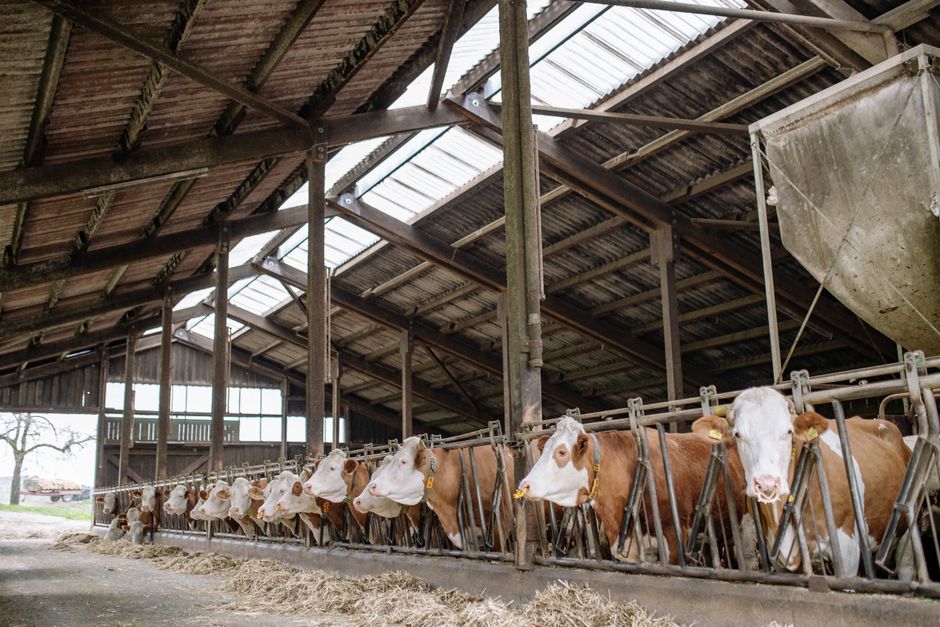
Animal housing plays a critical role in productivity. A well-ventilated, spacious, and clean barn reduces heat stress, respiratory illnesses, and injuries among cattle. For instance, research from the University of Wisconsin found that cows housed in barns with optimized airflow and space allocation produced 10-12% more milk and exhibited fewer health problems.
Beyond ventilation, barn orientation and roofing materials can significantly affect the microclimate inside animal shelters. In hotter climates, reflective roofing and adjustable sidewall curtains have been shown to reduce barn temperatures by up to 8°C, mitigating heat stress and improving feed intake. In colder regions, insulated housing and windbreaks reduce energy losses and maintain stable body temperatures, enhancing feed conversion efficiency.
Moreover, the design of flooring surfaces impacts animal comfort and mobility. Rubber mats and well-drained concrete floors reduce hoof injuries and lameness incidence by approximately 15%, leading to higher overall productivity and fewer veterinary treatments. Incorporating dedicated calving pens and isolation areas also allows for better management of vulnerable animals, reducing calf mortality rates by as much as 20% in some commercial dairy operations.
Automation in barn operations, such as controlled lighting systems that mimic natural circadian rhythms, has also been found to improve reproductive performance. Studies indicate that cows exposed to optimal light cycles can experience estrous cycles that are more regular, leading to shorter calving intervals and increased lifetime productivity.
Enhancing Animal Health and Welfare
A good farm setup prioritizes animal welfare, which not only meets ethical standards but also improves herd health and longevity.
For more on this, see our related guide: Mastering Cattle Behavior and Handling for Safer, More Efficient Farming.
Sanitation and Waste Management Systems
Designing efficient manure handling and drainage systems minimizes the risk of infections and parasites. For example, farms that incorporate slatted floors or well-designed manure pits reduce the incidence of mastitis and hoof diseases by up to 25%.
Incorporating anaerobic digestion systems for manure treatment not only improves sanitation but also generates renewable energy and reduces odor emissions. According to the Environmental Protection Agency (EPA), farms that install biogas digesters reduce methane emissions by approximately 60%, contributing to climate change mitigation efforts.
Regular cleaning protocols supported by proper drainage infrastructure prevent the accumulation of harmful pathogens such as Escherichia coli and Salmonella, which can cause serious infections in cattle. A study from the University of California, Davis, showed that dairy farms implementing weekly deep cleaning and drainage improvements reduced clinical mastitis cases by 18%, resulting in lower antibiotic use and improved milk quality.
Furthermore, integrating fly control measures, such as insect-proof screens and targeted biological controls, reduces stress and disease transmission. Flies are known vectors for bacteria causing pinkeye and other ocular diseases; effective management can decrease infection rates by up to 30%, improving animal welfare and reducing treatment costs.
Access to Clean Water and Balanced Nutrition
Strategic placement of water troughs and feed stations ensures all animals have constant access to clean water and feed, reducing competition and stress. Studies indicate that adequate water supply can increase milk yield by 5-6 liters per day per cow in high-producing dairy herds.
Water quality monitoring is equally important; contaminants such as nitrates, bacteria, and heavy metals negatively affect cattle health and productivity. In regions with elevated groundwater nitrate levels, farms that employ water filtration and regular testing report fewer reproductive problems and improved calf survival rates.
Complementing water access, formulating balanced rations based on forage analysis and cattle physiological stages optimizes nutrient intake. Use of feed additives such as ionophores and rumen modifiers tailored through precision feeding software has been demonstrated to enhance feed efficiency by 8-10%.
Additionally, implementing multiple smaller feed stations reduces aggression and ensures subordinate animals receive adequate nutrition, which is critical for maintaining consistent growth rates across the herd. Behavioral studies confirm that better feeding station design decreases stress-related behaviors by 25%, leading to improved immune function and reproductive success.
Economic Efficiency and Cost Savings
While initial investment in farm setup might appear costly, the long-term financial benefits are significant.
Reduced Labor Costs Through Automation
Integrating automated systems such as milking machines, feeding robots, and temperature sensors lowers labor requirements. A typical medium-sized dairy farm that introduces robotic milking systems can reduce labor needs by 30-40%, cutting annual labor costs by tens of thousands of dollars.
Beyond labor savings, automation improves consistency and accuracy of tasks. Automated feeders dispense precise rations adjusted to individual animal needs, minimizing overfeeding and feed waste. Temperature and activity sensors enable early detection of illness or heat stress, allowing prompt intervention and reducing costly veterinary bills.
If you’re also looking into this, our article on The Essential Guide to Understanding Cattle Registration Certificates covers it in more detail.
Moreover, labor saved through automation can be redirected towards strategic tasks like herd health monitoring and business planning, enhancing overall farm management quality. A survey of European dairy farms implementing automated technologies found a 15% increase in net profit margins attributable to a combination of labor savings and productivity gains.
Lower Feed Wastage and Better Resource Management
Farm setups that incorporate precision feeding systems and feed storage solutions reduce feed spoilage and wastage. According to the Food and Agriculture Organization (FAO), feed wastage on poorly organized farms can be as high as 20%, whereas optimized setups reduce this to below 5%.
Utilizing covered, ventilated feed storage silos and sealed grain bins protects feed from moisture, pests, and spoilage organisms, preserving nutrient quality. In Australia, dairy farms adopting these storage systems reported a 12% reduction in feed costs within two years.
Additionally, implementing feed bunks designed to minimize spillage and automated feed dispensers enables precise portion control. This not only reduces unnecessary feed expenditure but also mitigates environmental pollution caused by excess nutrient runoff from manure.
Resource management extends to water and energy efficiency as well. Farms that install solar-powered water pumps and LED lighting systems experience significant reductions in utility expenses. For instance, a study in California found that solar water pumping saved farms an average of $5,000 annually in electricity costs.
Improved Record-Keeping and Farm Management
Modern farm setups often include digital tools and software systems that track animal health, breeding cycles, milk production, and expenses.
- Data-Driven Decisions: Real-time data helps farmers identify sick animals early, optimize breeding schedules, and forecast production.
- Traceability: With regulatory requirements growing, good record-keeping improves compliance and market access.
For example, farms using farm management software have reported a 12-15% increase in operational efficiency and better herd management outcomes.
Advanced systems now integrate IoT devices that automatically record parameters such as rumination time, body temperature, and locomotion activity. This continuous monitoring provides a comprehensive health profile for each animal, enabling proactive disease management. A study by Wageningen University found that farms implementing such technologies reduced antibiotic use by 20%, contributing to antimicrobial stewardship and consumer confidence.
Farm financial software modules also help track expenses, incomes, and cash flows, supporting better budgeting and investment decisions. Coupled with predictive analytics, farmers can anticipate feed needs, labor requirements, and market trends, creating more resilient business plans.
Traceability systems are increasingly important for accessing premium markets demanding transparency on animal origin and welfare standards. Blockchain-enabled platforms are emerging that document every stage of production, from birth to sale, ensuring authenticity and improving consumer trust.
Environmental Benefits of a Well-Designed Farm Setup
Modern farm setups incorporate sustainable practices that reduce environmental impact.
This ties in closely with How to Choose the Right Land and Acreage for Cattle Farming, worth a look if you want to go deeper.
Efficient Water and Waste Recycling
Systems such as rainwater harvesting, wastewater recycling, and biogas production from manure enhance sustainability. Farms that recycle manure into biogas not only reduce greenhouse gas emissions but also generate up to 30% of their energy needs on-site.
Rainwater harvesting can supplement water supplies during dry seasons, reducing dependence on groundwater and municipal sources. In India, farms with rooftop rainwater collection systems increased water availability by 40%, improving drought resilience for both livestock and crops. Additionally, treated wastewater from milking parlors and wash-down areas can be safely reused for irrigation or cleaning, reducing freshwater demand.
Biogas digesters convert manure into methane gas, which can be used to fuel generators or heating systems. Besides energy production, digestate byproducts serve as nutrient-rich fertilizers, closing nutrient loops and lowering synthetic fertilizer requirements by up to 25%. This circular approach aligns with global sustainability goals by reducing carbon footprints and promoting resource efficiency.
Reduced Soil Degradation and Erosion
Proper pasture management and erosion control measures integrated into farm planning preserve soil health, ensuring long-term productivity. The USDA reports that farms with controlled grazing and vegetative buffer zones see up to 40% less soil erosion.
Buffer strips planted with deep-rooted grasses and shrubs along waterways trap sediments and nutrients, preventing water pollution. Similarly, contour plowing and terracing on sloped terrains minimize surface runoff and maintain soil structure. Incorporating cover crops during fallow periods enhances organic matter content and microbial activity, improving soil fertility over time.
Studies from the European Agroenvironmental Program indicate that farms applying integrated soil management strategies reduced fertilizer runoff by 35% and improved water retention capacity by 20%, leading to more resilient pastures capable of withstanding drought and heavy rains.
Additionally, minimizing soil compaction through controlled animal traffic and using low-ground-pressure machinery helps maintain porosity and root development, critical for forage growth and carbon sequestration.
Summary Table: Key Benefits of Farm Setup in Cattle Farming
| Benefit | Impact | Example/Statistic |
|---|---|---|
| Increased Productivity | Higher milk yield, growth rates | 15% milk yield increase with rotational grazing (New Zealand study) |
| Improved Animal Health | Reduced illness, better welfare | 25% fewer mastitis cases with better waste management |
| Economic Efficiency | Lower labor and feed costs | 30-40% labor cost reduction through automation |
| Enhanced Management | Data-driven decisions, traceability | 12-15% operational efficiency improvements with software |
| Environmental Sustainability | Reduced emissions, erosion control | 30% energy needs met by biogas from manure |
Final Thoughts on Implementing an Effective Farm Setup
Investing time and resources into a well-structured farm setup is essential for modern cattle farmers aiming for profitability, sustainability, and animal welfare. The benefits go far beyond simple convenience; they impact every aspect of the operation from the health of your cows to your bottom line. Whether you manage a small dairy herd or a large beef cattle operation, prioritizing farm design, infrastructure, and management tools creates a competitive edge that yields measurable results.
Looking ahead, emerging technologies such as precision livestock farming, artificial intelligence, and remote sensing are poised to further revolutionize farm setups, making cattle farming more efficient and sustainable than ever before. Early adopters of these innovations are already seeing improvements in herd resilience, resource use efficiency, and market responsiveness. Therefore, continual evaluation and upgrading of farm infrastructure and management practices is not only advisable but necessary to thrive in an increasingly complex agricultural landscape.
Ultimately, the goal of an effective farm setup is to create a harmonious environment where animals thrive, resources are utilized judiciously, and economic returns are optimized. It is this holistic approach that will define the future of successful cattle farming worldwide.