
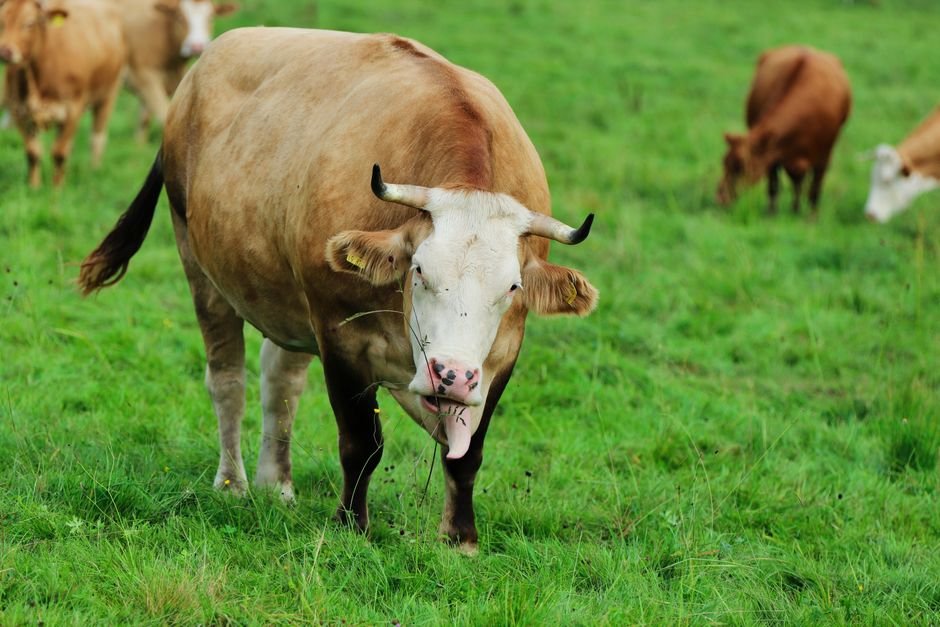
Lameness in cattle means a cow or calf is walking abnormally because pain, injury, or disease is affecting the feet, legs, or joints. In practical terms, the animal shortens its stride, shifts weight, or avoids putting pressure on one limb. In dairy herds, lameness is one of the most important welfare and productivity problems because it can reduce feed intake, milk yield, fertility, and longevity. In beef cattle, it can slow weight gain and make animals harder to handle.
What lameness in cattle actually looks like
Lameness is not a single disease. It is a symptom. A cow may be lame because of sole ulcers, digital dermatitis, white line disease, foot rot, bruising, arthritis, a sprain, or even a fracture. The visible sign is usually a change in gait: the animal walks unevenly, keeps one foot forward or back, or arches its back to reduce pain. Some cattle also spend more time lying down, hesitate at the feed bunk, or trail behind the group.
On farms, lameness is often graded by severity. Many producers use a 1-to-5 locomotion scoring system, where 1 is normal and 5 is severely lame and reluctant to bear weight. That kind of scoring helps catch problems early, before a mild limp becomes a major lesion or chronic infection.
Common causes of lameness in cattle
The most common causes differ a little by production system, housing, and season, but several problems show up again and again. In dairy cattle, claw disorders are especially common because cows spend so much time standing on concrete and walking to parlor areas. In beef cattle, trauma, foot rot, and overgrown hooves may be more common, especially in muddy or rough conditions.
| Cause | Typical clues | Notes |
|---|---|---|
| Digital dermatitis | Painful lesion around the heel or interdigital skin; cows may walk on toes | Common in dairy herds; often linked to wet, contaminated environments |
| Sole ulcer | Limping, reluctance to turn, pressure on the toe or heel | Often associated with claw horn damage and floor stress |
| White line disease | Sudden lameness, possible swelling or abscess | Can happen after twisting or when the hoof wall separates from the sole |
| Foot rot | Swollen foot, fever, foul odor, severe pain | Usually involves infection between the claws and can progress quickly |
| Arthritis or injury | Stiffness, joint swelling, uneven stride | More likely after trauma, calving injury, or chronic wear |
Why lameness matters beyond the limp
Lameness has a direct economic cost because painful cattle eat less, move less, and often take longer to return to normal production after treatment. Dairy cows with painful feet are more likely to stand for long periods instead of lying comfortably, which can worsen claw stress and reduce rumination. They may also be harder to breed back because pain changes standing heat behavior and reduces overall body condition.
The welfare impact is just as important. A lame cow is experiencing pain, and studies consistently show that lameness is one of the leading welfare issues in cattle production. Even a mild case can become chronic if it is ignored. Early treatment usually works better than waiting until the animal is obviously struggling to keep up with the herd.
For more on this, see our related guide: Proven Tips to Reduce Weaning Stress in Calves During Hot Weather.
How to spot lameness early
Early detection is one of the most useful skills on a cattle farm. Watch cattle when they rise, walk to feed, turn, and stand on a hard surface. A lame animal may take shorter steps with one hind limb, carry the head differently when a front foot hurts, or stand with one leg extended while resting the sore foot. Back arching, reluctance to bear weight, and uneven claw wear are also warning signs.
If you want a simple routine, score cattle regularly in the same place and at the same time of day. Many herds do best when locomotion scoring is built into milking or pen checks. A small change in gait is easier to fix than a cow that is already losing condition, lying down excessively, or developing a severe hoof lesion.
What a veterinarian or hoof trimmer looks for
When a lame cow is examined, the goal is to identify the source of pain, not just the symptom. A veterinarian or trained hoof trimmer will usually check the feet first, because the majority of lameness cases originate there. They may lift the foot, clean the sole, inspect the interdigital space, look for swelling, and compare both claws. If the problem is not in the hoof, they may assess joints, tendons, and the upper limb.
In many herds, a functional trim is used to rebalance the claw and remove pressure from damaged areas. Depending on the lesion, treatment may include a block on the healthy claw, antiseptic or antibiotic therapy where appropriate, and pain relief. The exact approach depends on the diagnosis, herd protocol, and veterinary guidance.
Preventing lameness in cattle
Prevention is usually more effective and less expensive than treating repeated cases. Good footing matters: dry, non-slip, well-maintained alleys and holding areas reduce trauma and slipping. Bedding should be clean and dry, especially for dairy cows that spend long periods on concrete. Nutrition also plays a role. Balanced rations help reduce rumen upset and support hoof quality, while abrupt diet changes can raise the risk of claw problems.
If you’re also looking into this, our article on Can Cows Eat Watermelon? How to Safely Feed Cull Fruit to Your Herd covers it in more detail.

Other practical prevention steps include regular hoof trimming, prompt treatment of injured cattle, footbaths where digital dermatitis is a herd issue, and culling or segregating chronic repeat cases when necessary. Hoof health is also tied to stocking density and cow comfort. Cows that can lie down easily and move without crowding are less likely to develop stress-related hoof damage.
Simple management habits that make a difference
- Check feet early: investigate any cow that is slow to rise, rocks on her toes, or lags behind the group.
- Keep walking surfaces safe: repair sharp edges, broken concrete, and slippery alleys.
- Manage moisture: wet floors and manure buildup increase the risk of infectious hoof problems.
- Trim on a schedule: routine functional trimming can prevent overgrowth and pressure points.
- Record cases: tracking which cows are lame, when it happened, and what caused it helps identify herd patterns.
When lameness becomes an emergency
Not every limp needs the same response. Mild lameness often needs prompt attention, but some signs call for immediate veterinary help. These include a cow that will not bear weight, a visibly swollen limb or foot, a high fever, a foul smell from the hoof, or a sudden inability to stand. Trauma, fractures, deep infections, and severe foot rot can worsen quickly if treatment is delayed.
If a cow has repeated lameness episodes, that is also a warning sign. Chronic cases may point to a housing problem, trimming issue, or underlying disease pattern in the herd. Treating the cow helps, but solving the cause helps more.
Frequently Asked Questions
Is lameness in cattle the same as a hoof disease?
No. Lameness is the visible problem, while hoof disease is one possible cause. A cow may be lame because of a sole ulcer, digital dermatitis, foot rot, arthritis, or an injury above the hoof. That is why a proper exam matters: the treatment depends on the cause, not just the fact that the cow is limping.
How do you tell if a cow is lame?
Look for shorter strides, uneven weight bearing, a bowed back, reluctance to turn, or a cow that lags behind the herd. Some cattle stand with one foot placed forward or rest more often. A locomotion score can help you catch mild cases before they become severe.
This ties in closely with How Much Water Does a Cow Drink Per Day? A Detailed Guide, worth a look if you want to go deeper.
What is the most common cause of lameness in dairy cows?
Claw disorders are among the most common causes, especially digital dermatitis, sole ulcers, and white line disease. These problems are often linked to wet conditions, concrete floors, and repeated stress on the hoof. Herd management, hygiene, and routine trimming can reduce the risk.
Can lameness in cattle go away on its own?
Sometimes a minor bruise or temporary soreness improves, but many cases do not resolve well without treatment. Waiting can allow infection, abscesses, or deeper hoof damage to develop. Early intervention usually gives the best outcome and reduces the chance of chronic pain.
When should I call a vet for a lame cow?
Call a vet right away if the cow cannot bear weight, has severe swelling, fever, a foul-smelling hoof lesion, or seems very unwell. You should also seek help if lameness keeps returning or if several animals in the herd show the same signs, because that may signal a herd-level problem.
This article is for general information and isn’t a substitute for advice from a qualified veterinarian. If a cow is severely lame, unwell, or not improving, consult a vet promptly.