
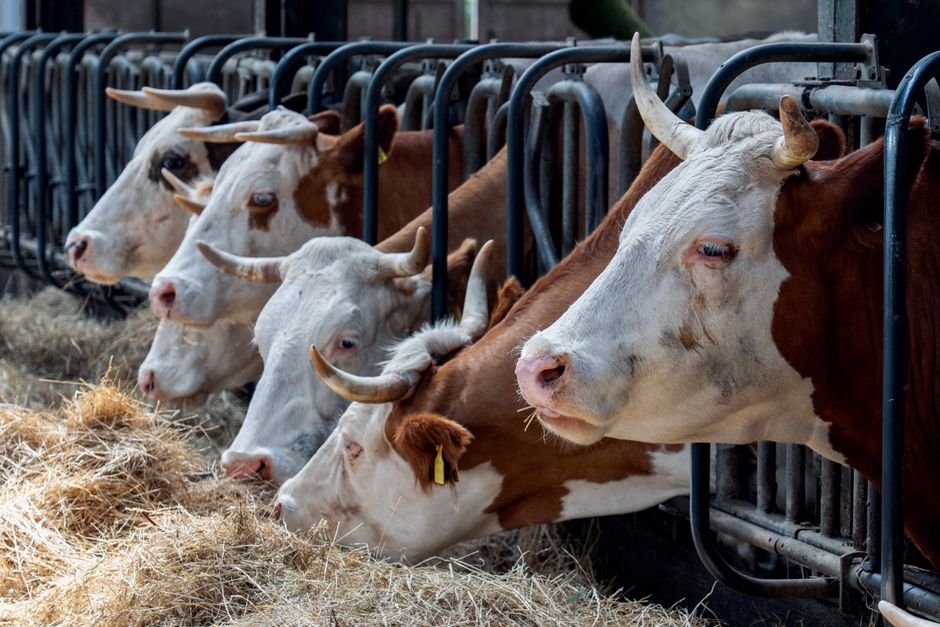
Understanding the Importance of Choosing the Right Cow Farm Setup
Setting up a cow farm is a complex venture that requires strategic planning, informed decision-making, and a clear understanding of your operational goals. The right farm setup not only influences the productivity and health of your herd but also affects profitability, sustainability, and ease of management.
Whether you’re starting a dairy farm, a beef cattle operation, or a mixed livestock system, selecting the appropriate setup involves evaluating multiple factors such as land availability, breed selection, infrastructure, and resource management. This guide breaks down these elements to help you make a well-informed choice tailored to your specific needs.
Moreover, the global demand for dairy and beef products continues to rise, driven by population growth and changing dietary preferences. According to the Food and Agriculture Organization (FAO), global milk production reached approximately 906 million tonnes in 2022, underlining the importance of optimized farm setups to meet market needs efficiently. Selecting the right setup can also play a critical role in environmental stewardship by minimizing greenhouse gas emissions, optimizing water use, and preserving soil health, which are increasingly important in modern livestock farming.
Key Factors to Consider When Choosing Your Farm Setup
1. Farm Size and Land Characteristics
The size and quality of your land determine stocking density, grazing systems, and infrastructure placement. For example, a 50-acre farm in temperate regions might support 20-25 beef cattle using rotational grazing, whereas a smaller 10-acre plot would require a more intensive system with supplemental feeding.
- Soil Quality: Fertile, well-drained soil supports healthy pasture growth, reducing feed costs. Conducting regular soil tests to assess pH levels, nutrient content, and organic matter can guide pasture management decisions such as lime application and fertilization. For instance, phosphorus deficiency can limit pasture productivity and should be addressed accordingly.
- Topography: Flat or gently rolling land facilitates easier fencing, water access, and machinery use. Steep slopes may increase erosion risk and limit mechanized operations. In hilly areas, contour fencing and terracing can help manage runoff and protect soil integrity.
- Water Resources: Reliable water sources must be accessible for cattle hydration and cleaning. The availability of natural water bodies such as streams or ponds can reduce infrastructure costs, but water quality must be monitored regularly. Installing buffer zones along waterways helps prevent contamination from livestock waste.
- Climate: Temperature, rainfall patterns, and seasonal variations influence pasture growth cycles and breed suitability. For example, regions with harsh winters may require additional shelter and feed storage, while hot, humid climates necessitate shade and cooling systems to reduce heat stress in cattle.
2. Choosing Between Intensive vs. Extensive Farming Systems
Understanding the difference between intensive and extensive setups is crucial.
- Intensive Systems: Confined housing or feedlots with controlled feeding and close monitoring. Suitable for small to medium-scale dairy farms aiming for high milk yields. For example, a dairy operation with 50 cows in a free-stall barn may yield 20,000 liters per cow annually. This system allows for precise management of nutrition, health, and reproduction, often supported by technology such as automated milking systems, activity trackers, and herd management software.
- Extensive Systems: Rely on natural grazing over larger areas, commonly used for beef cattle. It demands less infrastructure but more land—typically 1.5 to 2 acres per animal unit depending on pasture quality. Extensive systems tend to have lower labor costs and reduced input requirements but can be more susceptible to environmental factors like drought, which may necessitate backup feeding strategies.
Additionally, semi-intensive systems combine elements of both, allowing for pasture grazing supplemented by feed concentrates. This approach can optimize animal performance while managing costs, especially in regions with variable pasture availability. For instance, some beef producers use pasture-based systems during the growing season and feedlot finishing to enhance carcass quality prior to market.
3. Breed Selection Aligned with Farm Goals
Your choice of breed should align with your farm’s purpose—dairy, beef, or dual-purpose—and local environmental conditions.
- Dairy Breeds: Holstein-Friesians are known for high milk volume (up to 10,000 liters/year) but require intensive care. Their large frames and high metabolic demands make them more sensitive to heat stress and nutritional deficiencies. Jerseys, producing milk with higher butterfat and protein content (around 5-6%), are favored for cheese and butter production and are more heat-tolerant and efficient in feed conversion.
- Beef Breeds: Angus and Hereford thrive in various climates, known for quality meat and adaptability. Angus cattle are particularly prized for marbling and tenderness, often commanding premium prices in beef markets. Brahman and other Zebu breeds excel in tropical conditions due to their heat tolerance and parasite resistance.
- Dual-Purpose Breeds: Simmental or Red Poll suit operations aiming for both milk and meat, balancing returns. These breeds often have moderate milk yields (around 5,000-6,000 liters annually) and good growth rates for beef production, making them ideal for diversified farms.
Genetic improvement through selective breeding and artificial insemination can further enhance the productivity and disease resistance of chosen breeds. For example, using sires with favorable Estimated Breeding Values (EBVs) can improve milk yield, growth rates, or calving ease across generations.
For more on this, see our related guide: Mastering Cattle Behavior and Handling for Safer, More Efficient Farming.
Comparing Common Farm Setup Options
| Setup Type | Land Requirement | Initial Investment | Labor Intensity | Output Focus | Example |
|---|---|---|---|---|---|
| Intensive Dairy Barn | Less than 20 acres | High (barn, milking equipment) | High (feeding, milking, cleaning) | Milk production (20,000+ liters/cow/year) | Free-stall barn with automated milking |
| Rotational Grazing Beef | 50+ acres | Moderate (fencing, water systems) | Moderate (pasture management) | Beef production (average 500-600 kg carcass weight) | 12 paddocks rotated every 3-5 days |
| Mixed Dairy-Beef | 30-40 acres | Moderate to High | Moderate to High | Milk and meat | Small freestall + grazing system |
Each setup type also presents different environmental footprints. Intensive dairy operations often have higher nutrient output per unit area, requiring careful manure management to prevent pollution. Rotational grazing beef farms can improve soil carbon sequestration and biodiversity when well managed, contributing positively to ecosystem services.
Infrastructure Essentials for Different Farm Setups
Shelter and Housing
Intensive systems require well-ventilated barns with free-stall or tie-stall designs. For example, free-stall barns provide individual cow comfort and reduce injury risk, increasing productivity. Proper ventilation helps regulate temperature and humidity, minimizing respiratory illness and heat stress. Features like rubber mats and deep bedding improve hoof health and resting comfort.
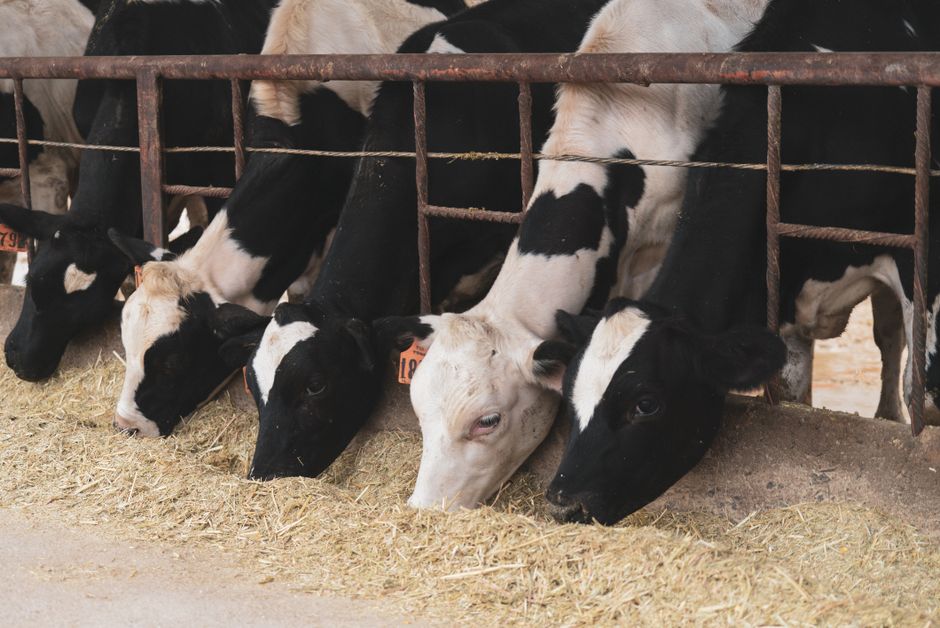
In extensive setups, simple shade structures or natural shelter like trees may suffice. Providing windbreaks and shelters protects cattle from extreme weather and reduces energy expenditure associated with thermoregulation, improving weight gain or milk production. Seasonal shelters that protect from rain or snow are critical in colder climates.
Feeding Systems
Intensive farms often use Total Mixed Rations (TMR) delivered via automated feeders to ensure balanced nutrition. TMR blends forage, grains, protein supplements, minerals, and vitamins to meet precise dietary requirements. For example, a lactating Holstein’s diet may include corn silage, alfalfa hay, soybean meal, and mineral premixes to support peak milk production.
Extensive farms depend on pasture quality but may supplement during dry seasons. On a 100-acre rotational grazing beef farm, feed supplementation typically occurs 3-4 months a year, depending on regional climate. During winter or drought periods, conserved forages such as hay or silage, along with energy-dense concentrates, support maintenance and growth.
Additionally, feed storage infrastructure like silos, hay barns, and grain bins is essential to prevent spoilage, especially in regions with seasonal production patterns. Regular feed analysis ensures consistent nutrient supply and cost-effective ration formulation.
Water Supply
Access to clean water is non-negotiable. Automatic waterers in barns and troughs in paddocks reduce labor and improve hydration. For example, a dairy cow drinks approximately 50 gallons daily, so water systems must accommodate herd size without bottlenecks. Water quality testing for parameters such as pH, bacterial load, and mineral content ensures animal health.
If you’re also looking into this, our article on The Essential Guide to Understanding Cattle Registration Certificates covers it in more detail.
In rotational grazing, strategically located water points encourage uniform pasture utilization and reduce trampling around watering areas. Solar-powered pumps and gravity-fed systems can reduce energy costs in remote locations. Backup storage tanks and regular maintenance prevent disruptions during peak demand.
Financial and Resource Planning
Estimating Initial Setup Costs
A rough cost breakdown for a 50-cow dairy barn includes:
- Barn construction: $150,000 – $250,000, depending on materials, design complexity, and regional labor costs. Incorporating energy-efficient designs such as skylights and insulation can reduce long-term utility expenses.
- Milking parlor equipment: $80,000 – $120,000. Automated milking systems (AMS) or rotary parlors come at higher upfront costs but reduce labor and improve milking consistency.
- Feeding systems: $20,000 – $40,000. Includes feed mixers, conveyors, and storage facilities.
- Water system: $10,000 – $15,000. Covers plumbing, waterers, and pumps.
In contrast, a rotational beef farm with fencing, water troughs, and shelter might require $40,000 – $70,000 upfront, heavily influenced by the extent and quality of fencing materials used. High-tensile electric fencing, while pricier initially, reduces maintenance costs compared to traditional wire fencing.
Additional costs such as purchasing breeding stock, veterinary setup, and land preparation (clearing, grading, pasture seeding) should also be factored into initial budgets. Government grants or low-interest loans for sustainable agricultural practices may offset some capital expenses.
Ongoing Operational Costs
Include feed, veterinary care, labor, utilities, and maintenance.
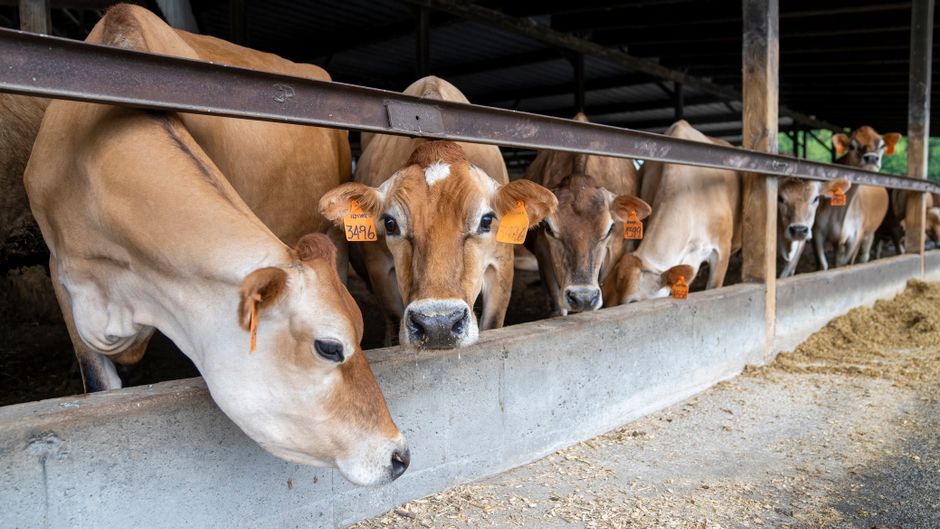
- Dairy farms spend around $1,500 per cow annually on feed. For 50 cows, that’s $75,000/year. Feed efficiency improvements of even 5-10% through ration optimization can significantly impact profitability.
- Beef operations rely more on pasture, reducing feed costs to approximately $500 per animal per year. However, veterinary costs for disease prevention such as vaccinations and parasite control remain vital for herd health.
- Labor constitutes a significant portion of ongoing expenses. Mechanization and automation can reduce labor hours; for example, robotic milking systems can save up to 2 hours per cow per day, freeing time for other management tasks.
- Utilities—electricity for lighting, ventilation, and water pumping—can be significant in intensive systems. Implementing renewable energy solutions such as solar panels can mitigate these costs over time.
- Regular maintenance of infrastructure, including fencing repair, equipment servicing, and pasture renovation, is necessary to sustain productivity and prevent costly breakdowns.
Practical Decision-Making: Questions to Ask Yourself
- What is my primary goal: milk, meat, or both? Define clear objectives to guide breed choice, infrastructure, and management strategies.
- How much land do I have and what is its condition? Conduct soil testing and resource mapping to understand constraints and opportunities.
- What is my budget for startup and operational costs? Prepare detailed financial plans including contingencies for unexpected expenses.
- How much labor can I commit daily? Consider availability of family labor, hired workers, and potential for mechanization.
- What are the local climate and seasonal challenges? Plan for feed storage, shelter, and disease risks associated with weather.
- Are there nearby markets or cooperatives to support my product sales? Market access influences product focus, scale, and investment decisions.
- What are the environmental regulations and sustainability expectations in my region? Compliance can affect farm design and operational practices, including waste management and water use.
- Do I have access to technical support and extension services? Ongoing education on herd health, nutrition, and technology adoption is essential for success.
Case Study: Choosing the Right Setup for a Small-Scale Dairy Farm
Maria owns 15 acres in Wisconsin, aiming to produce high-quality milk for local markets. After soil tests showed fertile land but limited pasture space, she opted for an intensive free-stall barn setup housing 25 Holsteins.
Maria invested approximately $180,000 in barn construction and milking equipment. She uses automated feeders and waterers to reduce labor and guarantee consistent nutrition. The farm yields an average of 22,000 liters per cow annually, selling directly to artisanal cheese producers.
This ties in closely with How to Choose the Right Land and Acreage for Cattle Farming, worth a look if you want to go deeper.
To maximize profitability, Maria implemented herd health protocols including regular veterinary check-ups, mastitis prevention programs, and a breeding plan leveraging AI with high genetic merit sires. She also installed solar panels, reducing electricity costs by 30% annually.
Marketing her milk through local farmers’ markets and specialty cheese makers allows Maria to capture premium prices while fostering community relationships. She also participates in a regional dairy cooperative, benefiting from shared resources and knowledge exchange.
This setup maximizes her limited land while delivering premium product quality and profitability. Maria’s focus on animal welfare, environmental sustainability, and niche product marketing showcases how a well-chosen farm setup can address multiple business goals simultaneously.
Conclusion: Matching Farm Setup to Your Unique Situation
Choosing the right cow farm setup is a multifaceted decision that blends your goals, resources, and environmental conditions. Intensive setups work well for smaller land areas with higher capital investment and labor, maximizing output per animal. Extensive systems suit larger land holdings with more natural grazing but require more acreage and management of pasture quality.
By carefully assessing land, breed, infrastructure needs, and finances, you can design a farm that optimizes animal welfare, productivity, and long-term sustainability. Incorporating modern technologies such as precision feeding, automated monitoring, and environmental management tools can further enhance efficiency and reduce ecological impact.
Ultimately, successful cow farming depends on a balance between scientific knowledge, practical experience, and continual adaptation to changing market and environmental conditions. Whether your focus is premium dairy products, high-quality beef, or a diversified livestock system, investing time and resources into planning your farm setup lays the foundation for enduring success.