
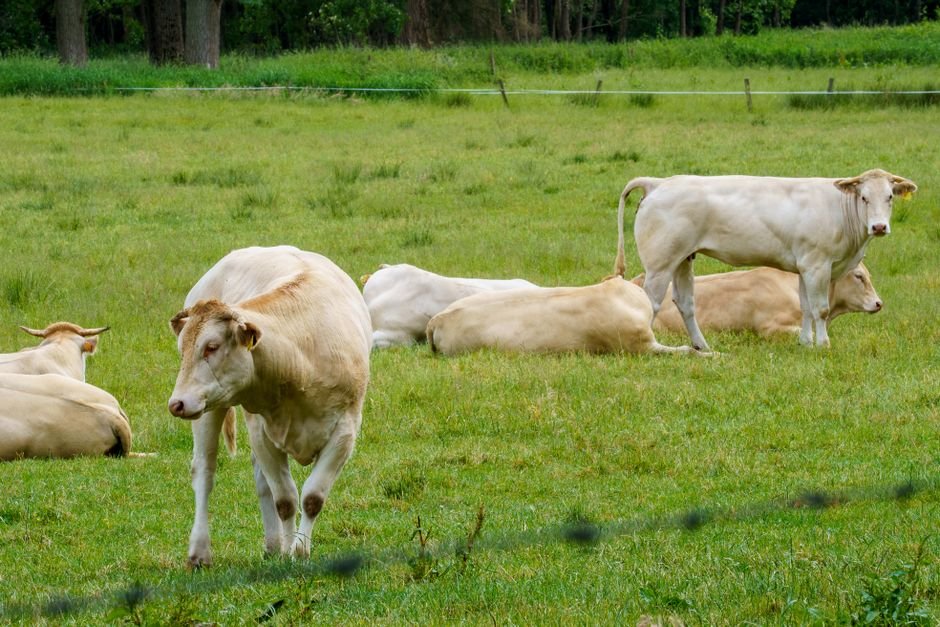
Introduction: Why Proper Farm Setup Matters in Cattle Farming
Setting up a farm for cattle farming is a complex endeavor that requires precise planning and execution. A poorly designed farm setup can lead to long-term inefficiencies, increased costs, health issues for livestock, and reduced productivity. While many new and even established farmers focus primarily on the cattle themselves, the infrastructure and layout of their farm play an equally crucial role. In this article, we explore the most common mistakes with farm setup that cattle farmers make and provide actionable insights to avoid these pitfalls.
1. Inadequate Site Selection and Land Assessment
One of the earliest and most critical mistakes is choosing a farm location without a thorough assessment of soil quality, drainage, and topography. For example, establishing pastures in low-lying areas prone to waterlogging can lead to hoof diseases in cattle and poor forage growth. According to a 2022 report by the National Cattlemen’s Beef Association, farms with poor drainage had 30% higher veterinary costs due to hoof-related ailments.
Key Considerations in Site Selection:
- Soil Testing: Before purchasing or leasing land, conduct soil tests to check for fertility, pH levels, and contaminants. Cattle pasture thrives best in soils with pH between 6.0 and 7.0.
- Water Availability: Access to clean, reliable water sources is essential. Avoid sites where water must be piped over long distances, increasing infrastructure costs.
- Topography: Gentle slopes facilitate natural drainage but avoid steep hills that can cause erosion or complicate fence installation.
In addition to these factors, consider the proximity of the farm to markets and veterinary services. Farms located too far from supply chains may face delays in obtaining feed supplements or medical supplies, which can impact cattle health and productivity. Furthermore, evaluating local climate patterns such as prevailing winds and rainfall distribution is essential. For example, farms in areas with high annual rainfall may require more extensive drainage systems, while those in drier regions might need irrigation solutions or drought-resistant forage species.
Another underappreciated aspect is the historical use of the land. Past pesticide application, previous industrial activities, or contamination from neighboring farms can introduce toxins harmful to cattle and pasture quality. Conducting a comprehensive environmental assessment, including tests for heavy metals or chemical residues, helps safeguard long-term farm viability.
2. Poorly Designed Feeding and Watering Systems
Feeding and watering infrastructure is often underestimated in farm setup. Many farmers make the mistake of placing feeders and water troughs in locations that cause overcrowding or soil compaction, leading to mud and disease spread.
Common Issues Include:
- Improper Placement: Feeders and water troughs near barn entrances or narrow alleys can cause bottlenecks.
- Lack of Adequate Water Points: A general rule is one water trough per 15-20 head of cattle for optimal access.
- Insufficient Shelter: Water points exposed to weather extremes can freeze in winter or become contaminated with debris.
Best Practices for Feeding and Watering Setup
- Position feeders and water troughs in multiple locations throughout pastures to reduce crowding and competition.
- Use gravity-fed water systems or solar-powered pumps to ensure consistent flow without heavy energy costs.
- Construct concrete pads around feeders and water troughs to prevent mud formation and facilitate cleaning.
Expanding on watering solutions, consider installing automatic waterers with float valves that maintain optimal water levels and reduce labor. Incorporating filtration systems can improve water quality, reducing the risk of waterborne diseases like leptospirosis or salmonellosis. Additionally, farmers in colder climates should invest in heated troughs or water heaters to prevent freezing, thereby ensuring uninterrupted water supply during harsh winters.
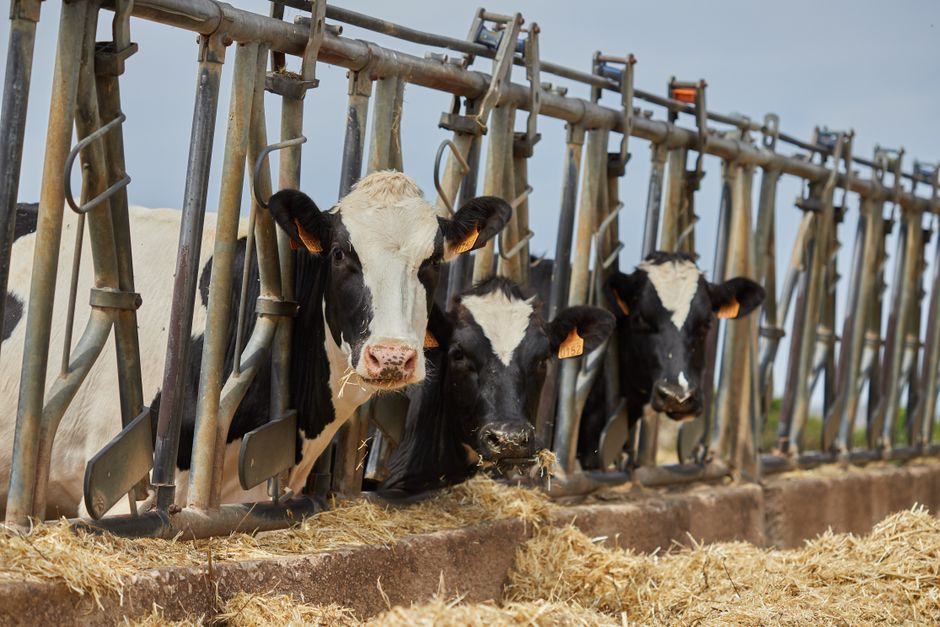
Feeding strategies should also factor in feed delivery efficiency and waste reduction. For example, incorporating feed bunks with adjustable barriers helps accommodate different cattle sizes, reducing feed wastage and competition. Positioning feeding stations on well-drained, elevated areas minimizes soil erosion and reduces mud, which can harbor pathogens such as Clostridium perfringens, a cause of enterotoxemia.
In large-scale operations, consider integrating automated feed dispensers linked to herd management software. These systems allow precise rationing and monitoring of individual animal intake, improving growth rates and feed conversion efficiency. Furthermore, regular maintenance and cleaning schedules for feeding and watering equipment are crucial to prevent biofilm buildup, which can be a breeding ground for bacteria.
For more on this, see our related guide: How to Choose the Right Land and Acreage for Cattle Farming.
3. Inadequate Fencing and Herd Management Layout
Fencing is vital not just for containment, but also for pasture rotation, predator control, and minimizing injury risk. A frequent mistake is installing inadequate or poorly planned fencing that doesn’t align with the intended herd management system.
Types of Mistakes in Fencing:
- Underestimating Durability: Using lightweight wire or poorly tensioned fencing can lead to frequent breaches.
- Poor Layout: Irregularly shaped paddocks make rotational grazing inefficient and complicate handling.
- Ignoring Escape Routes: Gaps near gates or around corners can allow cattle to escape, creating safety hazards.
How to Avoid These Errors:
- Plan paddocks with regular shapes (squares or rectangles) sized to match grazing capacity and cattle numbers.
- Use high-tensile fencing or welded wire with secure posts spaced no more than 10 feet apart.
- Incorporate gated lanes and handling areas that facilitate low-stress cattle movement.
Beyond the basics, consider integrating electric fencing as a flexible and cost-effective option for subdividing pastures or creating temporary enclosures during rotational grazing. Modern high-tensile electric fences require less maintenance and can be powered by solar energy, reducing operating expenses.
In regions with predator threats such as coyotes, wolves, or feral dogs, fencing should be reinforced with mesh or wire netting buried at least 12 inches underground to prevent digging. Adding visual deterrents or guard animals like donkeys or llamas can complement physical barriers effectively.
In terms of layout, designing a centralized handling facility connected by well-planned lanes reduces cattle stress and injury during movement. Incorporate solid fencing alongside lanes to prevent distractions and escapes. Additionally, consider the integration of smart gate systems or remote-controlled gates, which can improve operational efficiency in large herds.
4. Overlooking Pasture and Forage Planning
Many new farmers neglect forage species selection and pasture management during setup. This often results in poor-quality feed, overgrazing, and weed invasion, which directly harms cattle health and weight gain.
Common Pasture Mistakes:
- Monoculture Planting: Relying on a single grass species can lead to seasonal feed gaps.
- Ignoring Soil Fertility: Without fertilization plans, pasture productivity declines over time.
- No Rotational Grazing Strategy: Continuous grazing limits regrowth and reduces forage availability.
Effective Forage and Pasture Setup
- Include a mix of warm-season and cool-season grasses (e.g., Bermuda grass, ryegrass) and legumes (e.g., clover) to ensure year-round feed supply.
- Develop a fertilization schedule based on soil test results—typical nitrogen application rates for pasture are 50–100 lbs/acre annually.
- Implement rotational grazing with paddocks rested for at least 21 days between grazing periods to promote regrowth.
To expand forage diversity, consider incorporating brassicas such as turnips or kale, which provide high-quality winter feed and improve grazing efficiency. Including deep-rooted plants like alfalfa can improve soil structure and nitrogen fixation, reducing fertilizer needs.
Monitoring pasture conditions through regular biomass measurements and visual assessments helps optimize stocking rates and avoid overgrazing. Employing portable electric fencing allows flexible subdivision of paddocks based on forage availability, maximizing pasture utilization.
If you’re also looking into this, our article on What It Takes to Start a Small Cattle Farm: Essential Costs and Considerations covers it in more detail.
Integrating cover crops during offseason or pasture renovation periods can suppress weeds, reduce soil erosion, and enhance soil organic matter. For example, oats or annual ryegrass grown in late fall can provide supplementary forage and improve soil health.
Furthermore, adopting precision agriculture tools such as GPS-guided soil sampling and drone imagery aids in identifying pasture variability and tailoring management practices accordingly. These technologies can help detect weed infestations or nutrient deficiencies early, enabling timely interventions.
5. Neglecting Waste and Manure Management
Manure management is critical in a cattle farm setup but often overlooked until problems arise. Poor manure handling can contaminate water sources, attract pests, and increase greenhouse gas emissions.
Typical Mistakes Include:
- No designated manure storage or composting areas.
- Allowing manure to accumulate near water troughs or feeding areas.
- Failing to plan for seasonal manure removal, leading to nutrient runoff and pasture damage.
Manure Management Solutions
- Set up a manure storage area at least 100 feet away from water sources and living areas.
- Use manure spreaders or composting systems to recycle nutrients back into the pasture efficiently.
- Regularly remove manure from high-traffic areas to reduce parasite load and improve animal comfort.
More advanced manure management practices include constructing anaerobic digesters that convert manure into biogas, providing renewable energy for farm operations while reducing methane emissions. Farms participating in environmental stewardship programs may qualify for grants or subsidies to implement such sustainable technologies.
Composting manure not only stabilizes nutrients but also kills pathogens and weed seeds when managed correctly. Properly cured compost can be used as a soil amendment, improving pasture health and reducing dependence on synthetic fertilizers. Implementing windrow turning schedules and monitoring moisture and temperature are vital to achieving effective composting.
Additionally, designing drainage systems to divert runoff from manure storage areas prevents nutrient leaching into surface water. Installing vegetative buffer strips around water bodies acts as a natural filter, further protecting water quality. Regular water testing for nitrates and E. coli near the farm is recommended to ensure compliance with environmental regulations.
6. Underestimating Infrastructure Needs: Shelters, Handling Facilities, and Roads
Basic infrastructure like shelters, chutes, and internal farm roads are essential for efficient and safe cattle operations. Farmers often underinvest in these areas due to initial cost concerns but end up paying more over time.
This ties in closely with Navigating Zoning and Legal Requirements for Cattle Farming Success, worth a look if you want to go deeper.
Examples of Infrastructure Mistakes:
- Insufficient Shelter: Cattle exposed to extreme weather suffer stress that reduces weight gain by up to 15%, according to a 2023 University of Nebraska study.
- Poor Handling Facilities: Narrow or poorly designed cattle chutes increase injury risk and handling time.
- Unplanned Farm Roads: Muddy or poorly drained roads restrict access and increase equipment wear.
Recommended Infrastructure Setup
- Construct windbreaks or shade shelters providing at least 40 square feet per head.
- Design handling facilities with non-slip flooring, solid sides, and curved chutes to minimize cattle stress.
- Install gravel or crushed stone on major farm lanes with proper drainage ditches to avoid mud accumulation.
In climates with harsh winters or intense sun exposure, providing insulated or natural shelters such as tree windbreaks can enhance cattle comfort and reduce feed requirements. Studies indicate that cattle in sheltered environments expend up to 20% less energy maintaining body temperature.
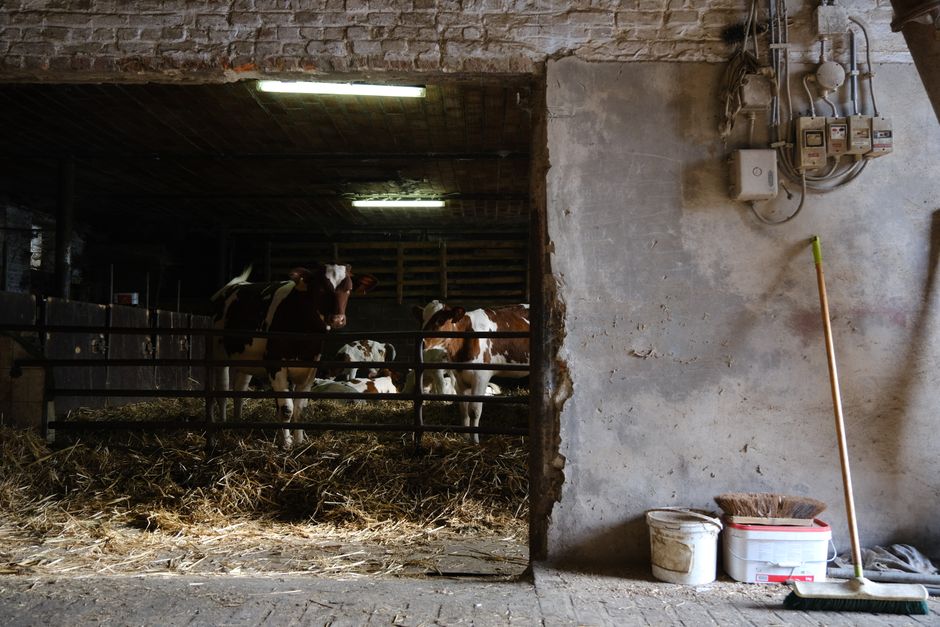
Handling facilities should include well-designed crowding pens and sorting gates to streamline routine procedures like vaccination, weighing, and breeding. Incorporating lighting and soundproofing elements reduces animal stress and improves worker safety. For large operations, automated sorting systems using RFID tags can facilitate individual animal management.
Properly planned farm roads minimize soil compaction and rutting, protecting pastures and reducing maintenance costs. Installing culverts and drainage ditches prevents water pooling that can damage roads and hinder machinery access. Periodic grading and addition of surfacing material extend the lifespan of farm roads, improving year-round accessibility.
Consider also the layout of parking and loading zones, ensuring ample space for trucks and trailers during cattle transport. Well-positioned loading ramps with adjustable heights can reduce animal stress and handling time, contributing to better welfare and operational efficiency.
Summary Table: Common Farm Setup Mistakes and Solutions
| Aspect | Common Mistakes | Consequences | Recommended Solutions |
|---|---|---|---|
| Site Selection | Poor soil/drainage assessment | Hoof diseases, poor forage | Conduct soil and topography tests; choose well-drained land |
| Feeding & Watering | Overcrowded feeders, insufficient water points | Feed competition, disease spread | Multiple feeders/water troughs; concrete pads |
| Fencing | Weak fencing; bad layout | Cattle escapes; inefficient grazing | High-tensile wire; regular paddocks |
| Pasture Management | Monoculture; no rotation | Feed shortages; pasture degradation | Diverse forage mix; rotational grazing |
| Manure Management | No storage; manure buildup near water | Water contamination; pests | Designated compost area; regular removal |
| Infrastructure | Insufficient shelters; poor handling facilities | Cattle stress; injuries; access problems | Windbreaks; proper chutes; gravel roads |
Final Thoughts: Planning Prevents Costly Mistakes
Farm setup mistakes may seem minor during the initial stages but compound into significant challenges as herd sizes increase and operational complexity grows. Taking a systematic approach to site selection, pasture management, infrastructure, and waste handling not only improves animal welfare but also boosts overall farm profitability. Investing time and resources upfront to avoid these common pitfalls can save thousands of dollars and countless hours in the future.
Moreover, proactive farm design facilitates compliance with evolving environmental and animal welfare regulations, reducing the risk of fines or operational disruptions. Engaging with experienced agronomists, veterinarians, and farm planners during the setup phase can provide tailored solutions that maximize productivity while safeguarding sustainability. Ultimately, a thoughtfully planned cattle farm is the foundation for long-term success, resilience, and growth in an increasingly competitive agricultural landscape.