
Introduction: Why Proper Equipment Matters for Farm Setup
Starting a farm requires more than just land and labor; the right equipment is crucial to ensure efficiency, productivity, and sustainability. Whether you’re planning a small-scale organic operation or a larger commercial cattle farm, understanding the essential tools and machinery for farm setup will save time, reduce costs, and improve your farm’s overall success. Investing in well-suited equipment not only enhances daily workflows but also minimizes physical strain on farmers, allowing for better management of resources and adherence to best agricultural practices.
Additionally, modern farming equipment often incorporates technology such as GPS guidance, precision planting, and automated controls, which can significantly increase yields and reduce waste. Choosing equipment tailored to your farm’s specific environmental conditions, crop types, and livestock needs will also improve soil health, water use efficiency, and animal welfare, supporting long-term sustainability goals.
Key Categories of Farm Equipment
Farm equipment broadly falls into several categories based on function: soil preparation, planting and seeding, irrigation, livestock management, and storage & maintenance. Below, we break down each category with examples and specific equipment recommendations relevant for most farm setups. Understanding the function and appropriate scale of each category helps avoid unnecessary expenditures and ensures you have the right tools for seasonal tasks.
1. Soil Preparation and Land Management Equipment
Good soil preparation lays the foundation for a productive farm. Depending on the size and type of your farm, consider these items:
- Tractor: A mid-sized tractor (40-70 HP) is versatile for plowing, tilling, and hauling. Brands like John Deere, Kubota, and Massey Ferguson offer reliable models. For example, the John Deere 5055E is popular for small to medium farms. Modern tractors often feature hydrostatic transmissions and ergonomic cabins with climate control to enhance operator comfort during long hours on the field.
- Plow: Moldboard or disc plows are essential for breaking up soil to improve aeration and drainage. The size depends on the tractor horsepower; a 3-bottom plow is typical for a 50 HP tractor. Moldboard plows turn the soil completely, which is beneficial for incorporating crop residues, while disc plows are more suited for rough or rocky soils. In no-till or conservation tillage systems, plowing might be minimized to preserve soil structure.
- Rotary tiller or cultivator: Used after plowing to break soil clumps and prepare a fine seedbed. Rotary tillers generally range from 5 to 10 feet in width. They can also be used for weed control in row crops and small-scale vegetable production. For large acreage, powered cultivators with adjustable tines provide flexibility in soil disturbance depth.
- Harrows: Disc or chain harrows level the soil and remove weeds post-tillage. Chain harrows are particularly effective at breaking up dry soil crusts and spreading crop residues evenly, which helps in seedbed preparation and early weed control. Steel tine harrows can also be used to aerate pastures and distribute manure.
- Soil testing kit: Essential to assess soil pH, nutrient levels, and organic matter, guiding fertilizer application. Advanced kits include portable electronic probes for real-time data on soil moisture and temperature. Regular soil testing—at least every 2-3 years—prevents nutrient imbalances and supports environmental stewardship by avoiding over-fertilization.
2. Planting and Seeding Equipment
Even if your farm focuses primarily on livestock, growing feed crops or pasture requires efficient planting tools. Proper planting equipment ensures high germination rates, uniform crop stands, and optimal use of seed resources.
For more on this, see our related guide: What It Takes to Start a Small Cattle Farm: Essential Costs and Considerations.
- Seed drill: For precise planting of grains or forage seeds at uniform depth and spacing. Seed drills reduce seed wastage by delivering seeds directly into rows at the correct depth, which improves emergence and reduces bird predation. For example, the Great Plains 1006NT is a no-till grain drill favored in mixed crop-livestock operations.
- Broadcast spreader: Useful for evenly distributing seeds or fertilizers across pasture or crop fields. Broadcast spreaders can be pull-type or tractor-mounted and can also spread lime or granular herbicides. Calibrating spreaders according to seed or fertilizer type ensures even coverage and reduces the risk of patchy fields.
- Hand tools: For small-scale farms, reliable hand tools like hoes, spades, and seeders remain essential. Quality hand tools with ergonomic designs reduce physical fatigue and increase planting accuracy. For example, a precision hand seeder with adjustable seed plates can improve vegetable crop planting efficiency in small plots.
3. Irrigation Systems
Water management is critical, especially in areas with irregular rainfall or during dry seasons. Choosing the right irrigation system depends on crop type, soil texture, and water availability.
- Drip irrigation system: Highly efficient for row crops and gardens, saving water by targeting root zones. Drip systems reduce weed growth and disease incidence by limiting leaf wetness. Modern drip kits come with filtration units and pressure regulators to ensure uniform water delivery across varied terrain.
- Sprinkler systems: Suitable for larger fields, with portable or fixed options. For example, impact sprinklers can cover up to 120 feet in radius, making them ideal for pastures and hayfields. Center pivot irrigation systems, such as those manufactured by Valley Irrigation, can automate watering for several hundred acres, reducing labor and improving uniformity.
- Water pumps and tanks: To source and store water, consider centrifugal pumps rated at 2-5 HP for typical farm use. Solar-powered pumps are increasingly popular for sustainable farms, especially in remote areas without reliable electricity. Storage tanks, ranging from plastic to steel, should be sized according to irrigation volumes and backed up with rainwater harvesting where possible.
4. Livestock Management Tools and Equipment
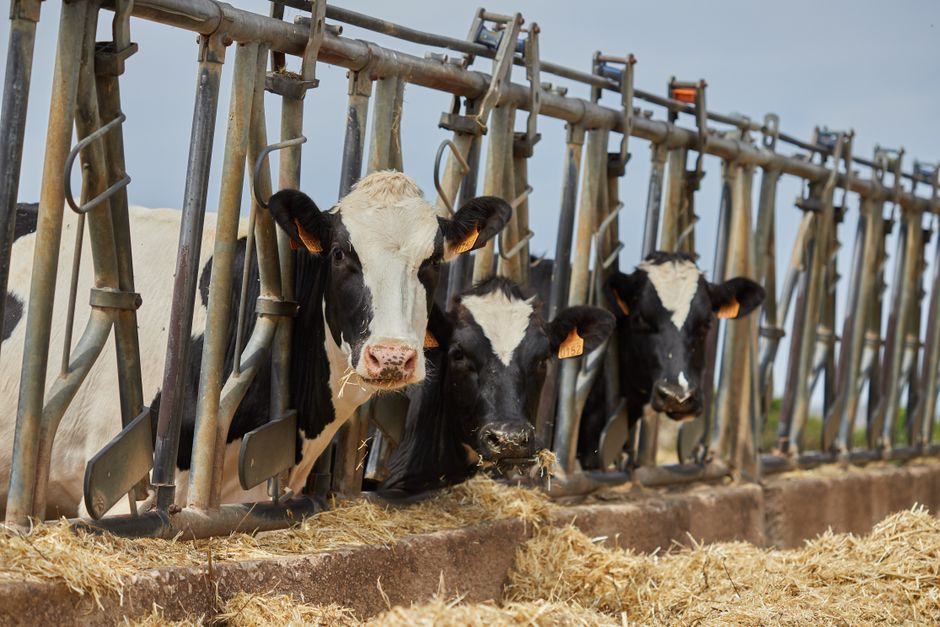
For cattle or mixed livestock farms, proper equipment ensures animal health, ease of handling, and safety. Good livestock infrastructure improves productivity by reducing stress and injury for both animals and handlers.
Essential Livestock Equipment
- Fencing materials: Durable electric or high-tensile wire fencing is preferred for cattle. A 4-strand high-tensile wire fence can cost around $1.50–$2.50 per foot installed. Electric fencing systems also offer flexibility for rotational grazing and can be combined with wooden posts or metal step-in posts for various terrains. Solar-powered energizers provide reliable power in off-grid locations.
- Gates and chutes: For controlled animal movement and handling. A cattle squeeze chute improves safety during vet checks—prices range from $4,000 to $8,000 depending on features. Chutes with hydraulic operation or adjustable widths can accommodate different breeds and sizes, easing stress on the animals. Portable panels and crowding tubs help in low-stress handling setups.
- Water troughs and feeders: Galvanized steel or polyethylene troughs lasting 10+ years. A 100-gallon water trough typically costs $300-$500. Automatic waterers with float valves reduce water wastage and ensure consistent supply, which is essential during hot weather. Feeders designed for hay or grain minimize spillage and can be tailored to the nutritional needs of cattle or other livestock.
- Livestock scale: Portable livestock scales help monitor animal weight for health and market readiness. Digital scales with wireless data transmission simplify record keeping. Routine weighing helps in making informed breeding and marketing decisions.
- Manure spreader: Facilitates manure management, recycling nutrients back into fields. Trailed models hold 1,000 to 3,000 gallons and come in various configurations such as splash plate or injection types. Proper spreading timing and techniques reduce runoff and improve nutrient uptake by crops, enhancing soil fertility.
5. Storage, Maintenance, and Miscellaneous Equipment
- Farm storage sheds: To protect machinery and feed. Sizes vary, but a 30×40 ft metal building is typical for mid-sized farms, costing $10,000-$20,000. Proper ventilation in storage buildings prevents moisture build-up that can spoil feed or corrode equipment. Consider incorporating insulated walls and security features to safeguard valuable assets.
- Feed mixers and grinders: For custom feed preparation if you’re mixing silage or grains. Horizontal or vertical mixers with capacities ranging from 500 to 2,000 pounds per batch allow precise ration formulation, improving animal nutrition. Hammer mills and roller mills can process grains to desired sizes.
- Fuel and chemical storage tanks: Proper storage for diesel, lubricants, and pesticides with safety compliance. Double-walled tanks and spill containment systems help meet regulatory requirements and protect the environment. Lockable cabinets for chemicals reduce accidental exposure.
- Basic workshop tools: Welding machine, hand tools, and spare parts for on-farm equipment repairs. Having a dedicated workspace equipped with air compressors, grinders, and diagnostic tools minimizes downtime during critical farming phases. Regular preventive maintenance and prompt repairs extend equipment life.
Equipment Selection Based on Farm Size and Type
Farm equipment needs vary significantly depending on whether you’re running a hobby farm, a mid-sized cattle operation, or a crop-focused enterprise. Below is a more detailed breakdown of typical equipment requirements and considerations for different farm scales:
| Farm Type | Key Equipment | Typical Investment Range | Example Brands/Models |
|---|---|---|---|
| Small Hobby Farm (5-20 acres) | Compact tractor (25-40 HP), hand tools, small seed spreader, portable fencing, basic water troughs | $10,000 – $30,000 | Kubota B2601, STIHL hand tools, Earthway broadcast spreader |
| Mid-sized Livestock Farm (50-100 acres) | Mid-sized tractor (50-70 HP), plow, harrow, cattle squeeze chute, electric fencing, irrigation system | $50,000 – $150,000 | John Deere 5055E, Gallagher electric fence, Priefert squeeze chute, Valley irrigation |
| Large Commercial Farm (100+ acres) | Heavy-duty tractor (100+ HP), seed drills, automated irrigation, large storage sheds, manure spreaders | $150,000+ and up | Massey Ferguson 7718, Valley pivot irrigation, J&M manure spreader, New Holland seed drills |
For example, a small hobby farm may benefit more from multi-purpose hand tools and a compact tractor that can handle mowing, light tillage, and hauling. In contrast, a large commercial farm requires heavy machinery with GPS-based precision agriculture features to manage hundreds of acres efficiently. Mid-sized farms often strike a balance, investing in robust yet affordable equipment to support mixed livestock and crop production.
Additional Considerations for Farm Equipment Setup
Maintenance and Repairs
Routine maintenance is key to prolonging equipment lifespan. Keeping a log of service schedules and investing in quality parts can prevent costly breakdowns during crucial farming periods. Seasonal servicing before peak times such as planting or harvest ensures all machinery is operating optimally. Many manufacturers offer maintenance contracts or online guides that help farmers keep track of oil changes, filter replacements, and hydraulic system checks. Additionally, training operators to identify early signs of wear and tear can save time and money.

If you’re also looking into this, our article on Essential Cattle Handling, Feeding, and Health Equipment for Every Herd covers it in more detail.
Cost-Benefit Analysis
While upfront costs can be high, leasing equipment or buying used machinery can be viable alternatives. Leasing allows access to newer models with less capital investment, which is beneficial for farms with fluctuating cash flow or seasonal workloads. Purchasing used equipment from reputable dealers or auctions can offer significant savings, but it requires thorough inspection and knowledge of machine history. Consider total cost of ownership, including fuel, maintenance, and resale value. Software tools and financial advisors specializing in agriculture can aid in calculating return on investment and payback periods for different equipment options.
Training and Safety
Proper training for all farmworkers on equipment use and safety protocols reduces accidents and improves operational efficiency. Many injuries result from improper use of tractors, implements, and livestock handling equipment. Providing regular safety workshops, instructional videos, and hands-on demonstrations fosters a culture of safety. Personal protective equipment (PPE) such as gloves, boots, and hearing protection should be standard. Additionally, maintaining clear signage, first aid kits, and emergency procedures onsite ensures preparedness for unexpected incidents.
Conclusion: Building a Farm Setup That Works for You
Equipping your farm with the right tools tailored to your land size, livestock, and crops is essential for a productive, manageable operation. Start with core essentials like tractors, soil prep tools, and livestock equipment, then scale up as your farm grows. Detailed planning and informed equipment choices lay the groundwork for a successful farm that meets your goals and withstands the challenges of farming life. Remember that investing time in understanding your farm’s unique requirements, staying updated on technological advances, and maintaining your equipment will pay dividends in farm productivity, profitability, and sustainability.